In this article
- Every Side of Your House Has Its Own Microclimate
- Why Afternoon Sun Fades One Wall Faster
- Do Dark Exterior Colors Always Fade Faster?
- Shaded Walls Age Differently, Not Necessarily Better
- Different Materials and Old Repairs Age Differently
- Coating Quality and Application Matter More Than the Brand
- Is It Fading, Chalking, Mildew, Dirt, Staining or Paint Failure?
- Does One Faded Side Mean the Whole House Needs Painting?
- Can You Repaint Only the Faded Side?
- What We Look at Before Recommending a Fix
- Frequently Asked Questions
- Related Reading
One side of your house fades faster because it gets a different mix of sun, heat, shade, moisture and airflow than the others. It's normal, and it's one of the most common things our exterior painters in Jacksonville, FL see on estimates. The front looks fine, the west side is washed out and chalky, and the shady side has dark mildew streaks, all from the same paint.
We've been doing exterior painting in Jacksonville, FL since 2010, with $3 million in liability insurance behind every job, and we've learned to figure out why a wall looks older before recommending anything. A sun-baked wall, a mildewed shady wall, a sprinkler-stained patch of stucco and real coating failure each need a different fix.
Every Side of Your House Has Its Own Microclimate
Each wall is its own small environment. What changes from side to side:
- Sun and UV: how many hours the wall spends in full sun.
- Surface temperature: a wall in the sun gets much hotter than the air around it.
- Rooflines and overhangs: they protect some areas and shade or drip on others.
- Drying time: a wall that dries fast after rain ages differently from one that stays damp for hours.
- Rain, sprinklers and landscaping: some walls get soaked often; trees and shrubs cut sun and airflow.
- Material: stucco, fiber cement, wood trim and old repairs don't hold paint the same way.
Compass direction is a starting point, not a rule. A west wall shaded by big oaks may get less sun than you'd expect, and a north wall next to a bright driveway may get more.
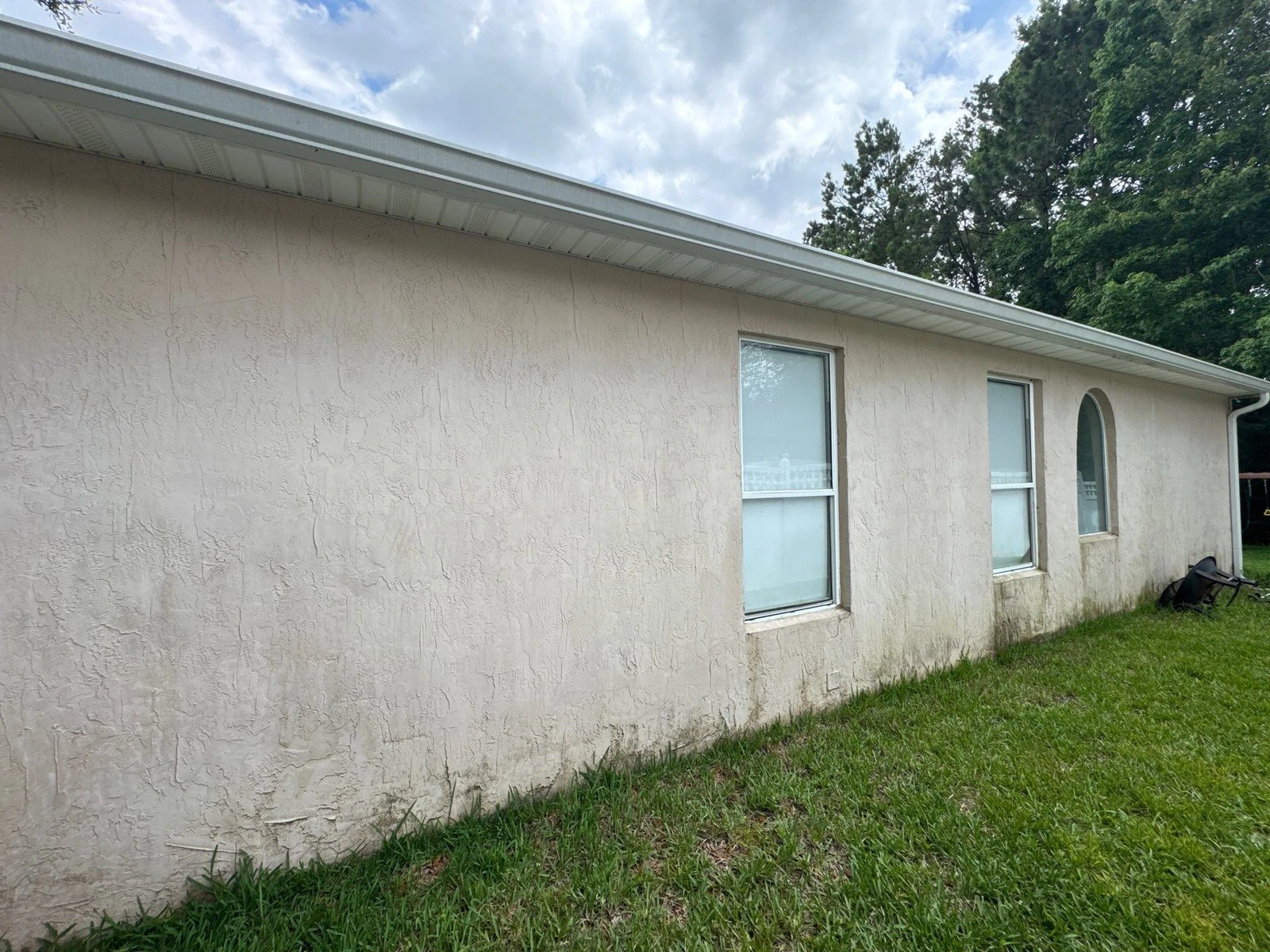 Real project
Why Afternoon Sun Fades One Wall Faster
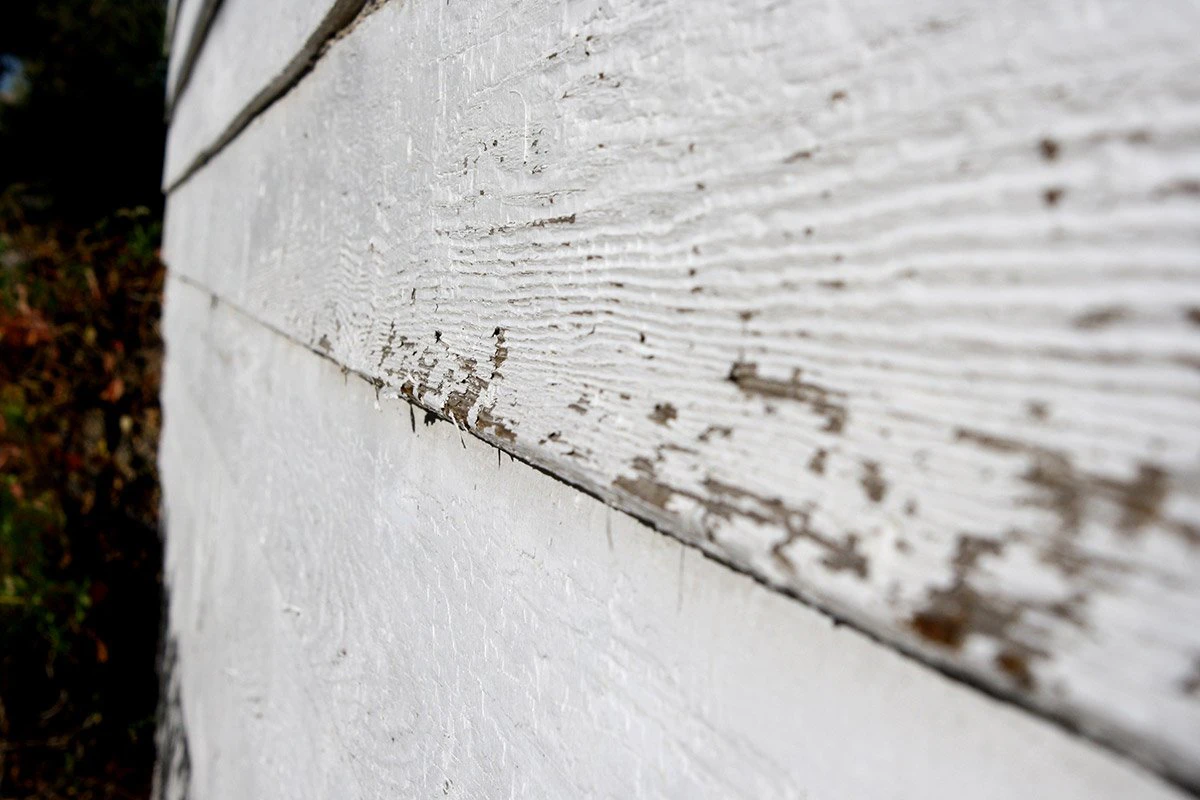
The most faded side is usually the one taking hours of strong afternoon sun, which in Jacksonville means intense UV, high surface temperatures and daily heating and cooling. Paint's binder holds the pigment to the wall, and as UV breaks that binder down you see color loss, chalking (a powdery residue), duller sheen, and old touch-ups and repairs starting to show.
Doors, garage doors, shutters and trim often go first. They may be a darker color, a different product or more exposed than the walls around them.
Do Dark Exterior Colors Always Fade Faster?
Not always, but they're under more stress. Dark colors absorb more of the sun's heat, which works the coating harder on an exposed wall. Pigments, product quality, prep, film thickness and exposure all matter too. That's why a dark front door can look tired while the lighter body beside it still looks fine. More on this in why dark exterior paint fades faster in Florida and how to keep exterior paint from fading.
Shaded Walls Age Differently, Not Necessarily Better
A shaded wall may hold its color longer because it gets less UV. But it dries slowly after rain, dew and sprinklers, and with our warmth, humidity and pollen that's a good home for mildew. Typical signs:
- Dark, greenish or gray mildew spotting
- Accumulated pollen and environmental dirt
- Moisture staining below rooflines or runoff areas
- Organic buildup near shrubs, trees and limited-airflow areas
- Darkened soffits and fascia beneath protected roof overhangs
Faded doesn't always mean failed, and neither does dirty or mildewed. A shady wall can look worse than a sunny one and still have sound paint under the grime. Then cleaning and mildew treatment make more sense than repainting. Regular gentle washing makes a real difference on shady sides; see the benefits of an annual pressure wash.
Landscaping plays in too. Trees cut airflow and slow drying, dense shrubs hold moisture against the lower wall, and branches rub the paint. That doesn't mean the plants have to go. It means that side may need cleaning more often than an open wall.
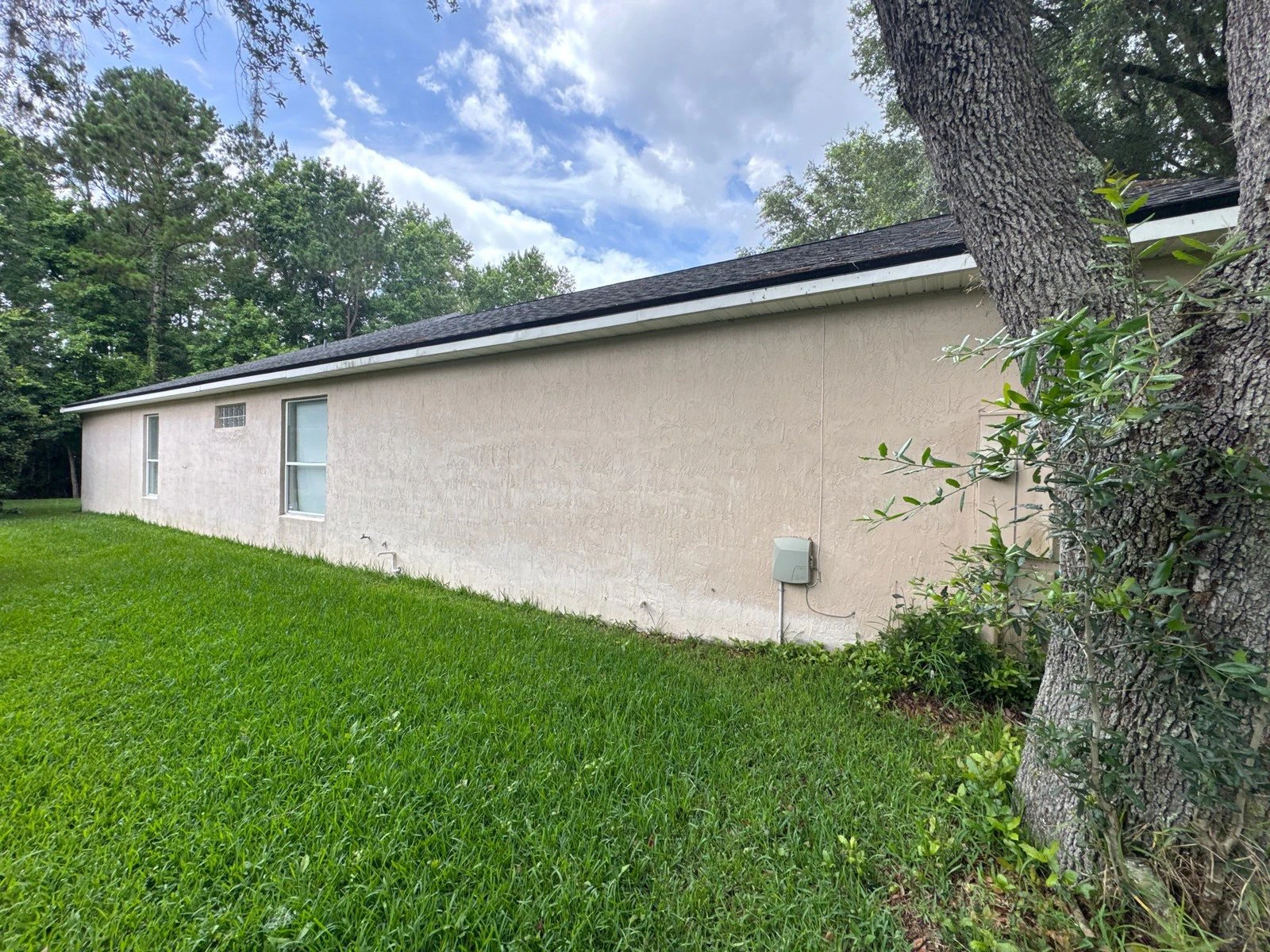 Real project
Sprinklers Can Make One Section Look Much Older
Irrigation is one of the most overlooked causes of localized discoloration on Jacksonville homes.
A sprinkler head repeatedly striking stucco, siding, doors or trim creates concentrated moisture exposure in the same area day after day. Depending on the water, substrate and coating, the visible results can include:
- Mineral deposits: Chalky or crusty buildup where water repeatedly dries on the surface.
- Localized staining: Discoloration that follows the shape of the sprinkler pattern.
- Organic growth: Mildew or algae concentrated in the area that remains damp.
- Dirt attraction: Damp surfaces hold airborne dirt and pollen more readily.
- Coating deterioration: Long-term exposure may eventually weaken the finish in that specific location.
We don't assume every sprinkler mark is paint failure. Often the first steps are cleaning the wall and adjusting the head so it stops hitting the house. Years of daily wetting, though, can wear the coating down in that spot, and that gets handled when the house is repainted.
Different Materials and Old Repairs Age Differently
A typical Jacksonville exterior mixes stucco, fiber cement, wood fascia and trim, brick accents and metal doors or railings, plus repaired stucco, replacement trim and several generations of caulk. These don't absorb moisture, move or hold coatings the same way. Stucco is porous and behaves differently from James Hardie fiber cement siding, and wood trim swells and shrinks with humidity in a way masonry doesn't.
Old repairs leave their own fingerprint. A stucco patch can differ in texture and soak up paint differently, later touch-ups can have a different sheen, and spot repairs may have used another product. That isn't necessarily bad work; it's what happens when a house gets fixed piece by piece over the years. It's also why proper surface preparation matters so much: the finish coat is only as good as what's under it.
Coating Quality and Application Matter More Than the Brand
How paint holds up depends on binder quality, pigments that hold color under UV, using the right product for each surface, good prep, applying it at the full spread rate instead of stretching it, the right primer on bare or repaired spots, and decent weather while it goes on and cures. No exterior paint is immune to weathering. A good system just weathers more slowly and evenly.
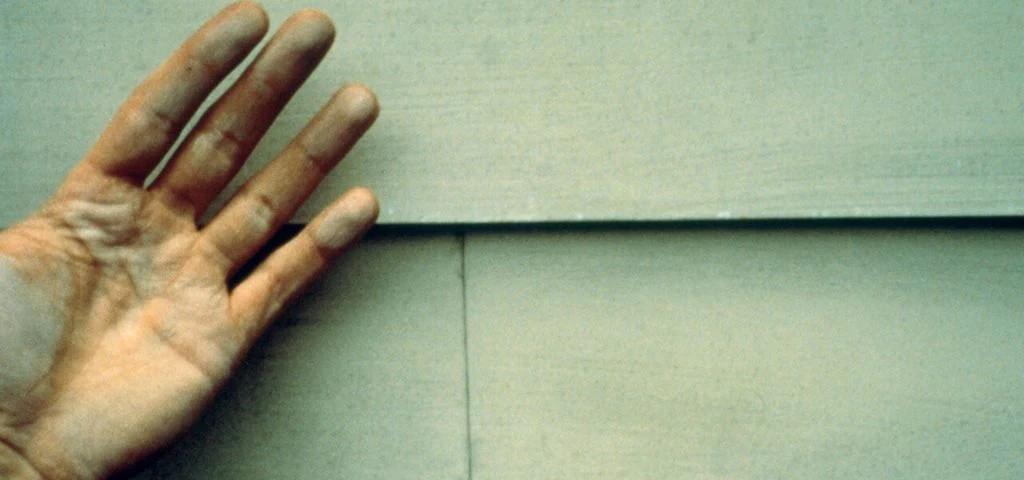
Chalk deserves special mention, because paint applied over it can lose its grip. If your hand comes away powdery when you rub the wall, our guide to exterior paint chalking explains what's going on.
Is It Fading, Chalking, Mildew, Dirt, Staining or Paint Failure?
These conditions can look similar from a distance, and more than one can exist on the same wall.
| Condition | What It Usually Looks Like | Possible Next Step |
|---|---|---|
| Fading | The color itself has visibly changed or lost intensity. | Evaluate exposure, coating condition and whether partial or complete repainting is appropriate. |
| Chalking | Powdery residue develops as the coating surface weathers. | Clean thoroughly, allow to dry and determine whether residual chalk requires conditioning or priming. |
| Mildew or organic growth | Dark, gray, greenish or spotted growth concentrated on damp or shaded surfaces. | Appropriate cleaning and mildew treatment may be sufficient if the coating remains sound. |
| Dirt, pollution or pollen | Surface contamination that dulls the finish but may wash away. | Clean and reassess the condition underneath. |
| Staining | Localized discoloration from irrigation, rust, roof runoff or moisture. | Identify and correct the source before treating the visible stain. |
| Paint failure | Peeling, blistering, flaking or physical loss of adhesion. | Determine the cause, remove unsound material and rebuild the coating system correctly. |
Swipe to see the whole table
These are hard to tell apart from a photo, and a wall can have more than one: fading plus mildew, or dirt over chalky paint. Washing a wall that needs paint won't fix it, and repainting a wall that only needed washing wastes money. For peeling and blistering, see our Jacksonville exterior paint failure guide, and for the bigger picture, why Jacksonville's climate is so tough on exterior paint.
Does One Faded Side Mean the Whole House Needs Painting?
Not necessarily. Sometimes cleaning is enough. Sometimes mildew needs treating, or one stucco patch, caulk joint or trim board needs repair. Sometimes the most exposed side really is further gone than the rest. And sometimes the whole coating is near the end of its life, so painting one wall would just make the others look worse.
If cracks are part of the problem, see which stucco cracks are cosmetic and which are serious. If the paint is lifting off the wall, that's different from fading; read why stucco paint peels on Jacksonville homes. And if fascia, soffits or trim are rotting, paint isn't the repair; see wood rot repair before exterior painting.
Can You Repaint Only the Faded Side?
Sometimes. The trouble is that the rest of the house has changed since it was painted. Even with the exact same color, fresh paint can look different next to paint that has weathered for years, because of UV color shift, lost sheen, batch differences, formula changes or how the surface takes the paint. One side can work when the color is forgiving, the wall has clean breaks at corners, and the other sides are in good shape. Otherwise, painting the whole exterior gives a more even result.
What We Look at Before Recommending a Fix
We don't automatically recommend repainting the whole house. We look at which walls get the most sun; whether we're seeing fading, chalking, mildew, staining or real failure; the condition of the stucco, siding and trim; old patches and caulk joints; sprinkler patterns and roof runoff; shade and airflow; whether the paint is still well bonded; and whether one side can be painted without an obvious mismatch. Diagnose first, then recommend the scope.
If one side of your home looks older than the rest, our Jacksonville exterior painting contractors can look at each wall and explain what we see. Call (904) 615-6599 or book a free estimate. More guides are in our Exterior Painting Resource Center.
Frequently Asked Questions
Yes. Each side gets a different mix of sun, shade, moisture, heat and airflow, so uneven weathering is common, especially in Florida.