In this article
- Exterior Paint Failure Types at a Glance
- Why Is My Exterior Paint Peeling?
- Bubbling and Blistering
- Cracking: Paint, Stucco or Caulk?
- Chalking: Powder on Your Hand
- Why Does Exterior Paint Fade So Fast Here?
- Mildew and Algae Staining
- Efflorescence: White Stains on Stucco and Block
- How to Diagnose Paint Failure on Your Own House
- How to Prevent Exterior Paint Failure
- About A New Leaf Painting
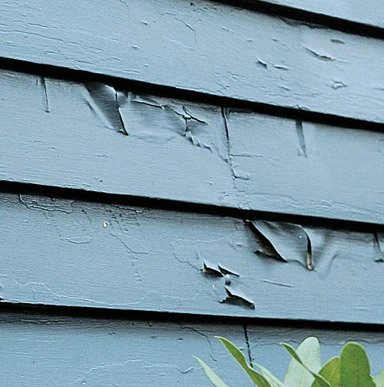
Exterior paint on a Jacksonville home almost always fails for one of a handful of reasons: water getting behind the paint, poor prep, painting in the wrong weather, the wrong product for the surface, skipped primer, failed caulk or cheap paint that can't handle Florida sun and mildew. Each kind of failure (peeling, blistering, cracking, chalking, fading, mildew, white mineral stains) points to a specific cause.
The rule I give every homeowner: fix the cause before any new paint goes on, or you get the same failure again, usually sooner. Our climate speeds up every one of these problems, but it rarely creates them on its own.
Exterior Paint Failure Types at a Glance
| Failure | What it looks like | Most common cause | Urgency |
|---|---|---|---|
| Peeling | Paint lifting in flakes or sheets | Moisture behind the paint | High |
| Bubbling / blistering | Raised bumps in the paint | Heat or moisture trapped under the film | High |
| Cracking | Fine cracks, scaly cracks or cracks along joints | Aged, stiff paint; stucco movement; failed caulk | Medium |
| Chalking | Powder on your hand | Sun breaking down the binder | Medium |
| Fading | Dull, washed-out color | Sun breaking down the pigment | Low |
| Mildew / algae | Green, gray or black patches | Moisture plus worn-out mildewcide | Medium |
| Efflorescence | White, crusty mineral deposits | Water moving through masonry | High |
Swipe to see the whole table
Why Is My Exterior Paint Peeling?
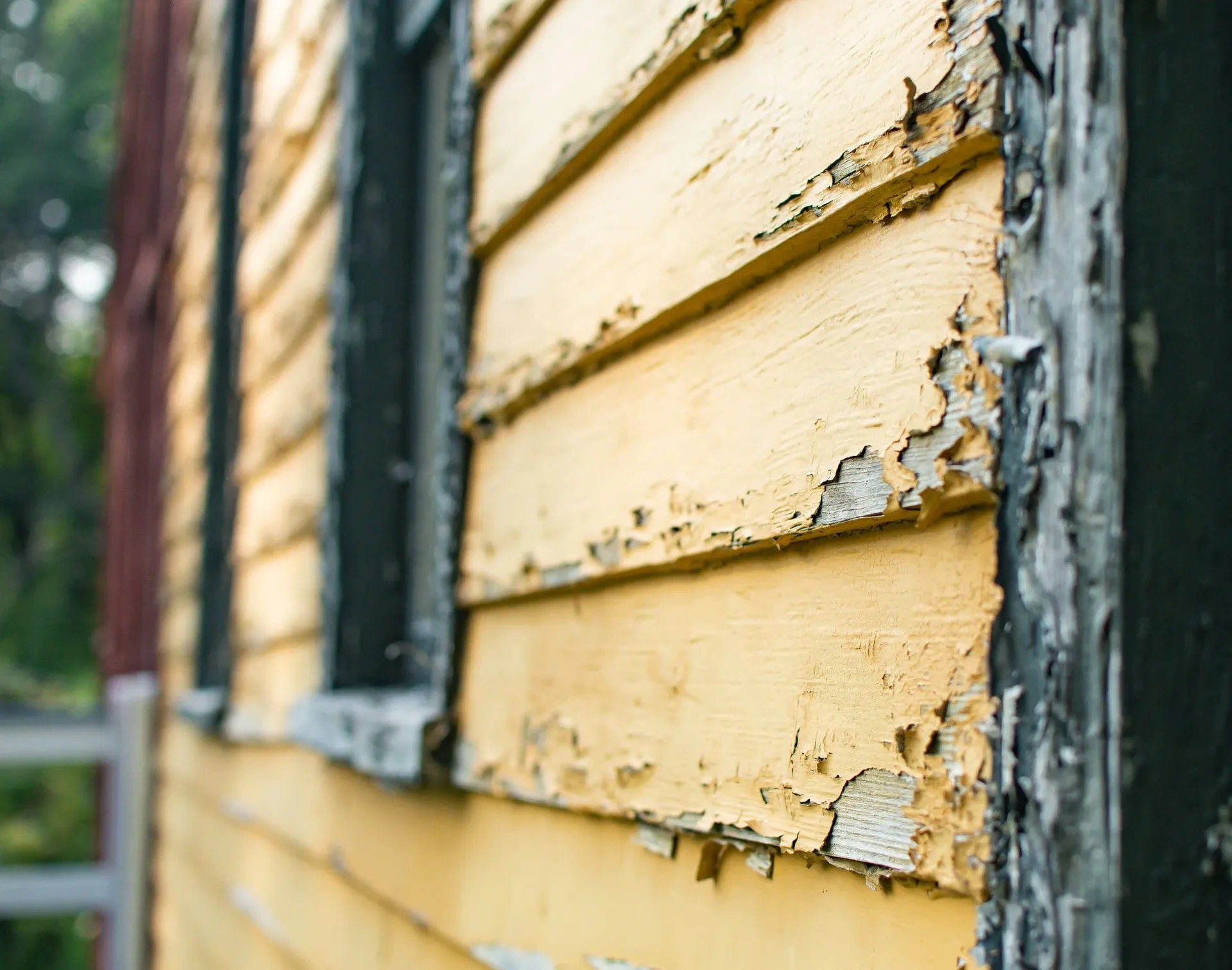
Peeling is the failure to act on fastest, because it means the barrier between your house and the weather is open. Every rain after that pushes water into the wood, stucco or fiber cement underneath. On wood siding it usually starts at the edges and bottoms of boards. On stucco it tends to let go in patches.
There are three usual causes:
- Water behind the paint. By far the most common one we see. Water gets in through a crack, a failed caulk joint or a gap at a window, and every wet-dry cycle weakens the bond until the paint lets go. By the time you see peeling, water has often been getting in for months.
- Painting a damp surface. Stucco holds water a long time after rain or pressure washing. It can feel dry and still be wet inside, and that moisture pushes the new film off as it tries to escape. A moisture meter check before painting prevents this.
- Poor prep. Paint put over dirt, mildew, chalk or old glossy paint never really bonded. It looks fine at first and starts peeling within a year or two.
How to Fix Peeling Exterior Paint
Find and seal where the water gets in (on stucco, look for hairline cracks above the peeling). Scrape or sand back to firmly bonded paint, let it dry completely, prime bare wood and stucco patches, then apply two full coats.
Bubbling and Blistering
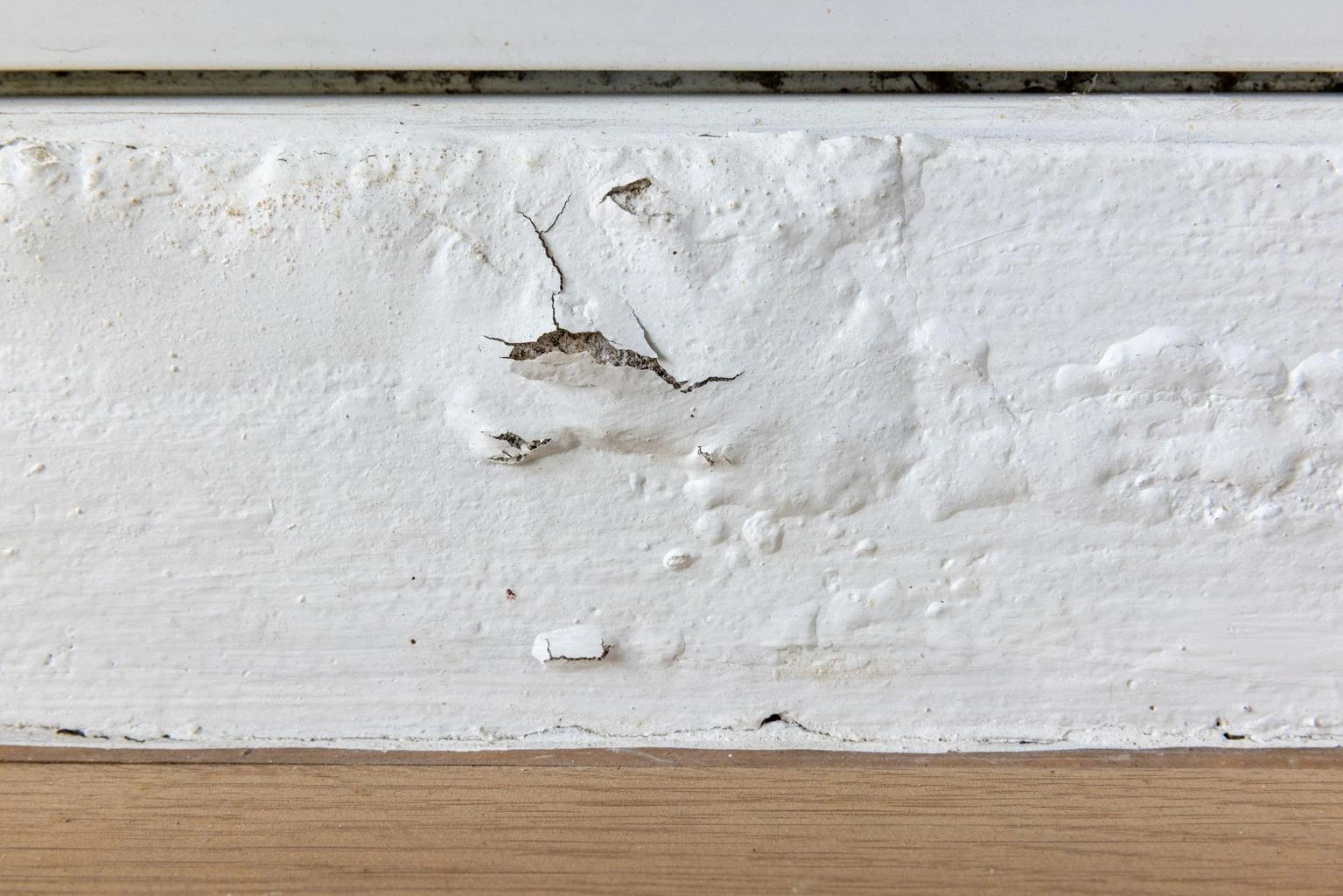
A blister means something is pushing on the paint from behind. Pop one: a dry surface underneath usually means heat, moisture or staining means water.
Heat blistering happens when paint goes on a surface that is too hot. The top skins over before the inside dries. South and west walls get very hot by a summer afternoon, so we paint those sides early and stay within the label's temperature limits.
Moisture blistering comes from water vapor working out through the wall, from bathrooms, kitchens and laundry rooms or a wall kept wet by poor drainage. It returns in the same spots until the source is fixed.
Either way: scrape the blisters, fix any moisture source, let the wall dry, prime bare areas and repaint in the right conditions.
Cracking: Paint, Stucco or Caulk?
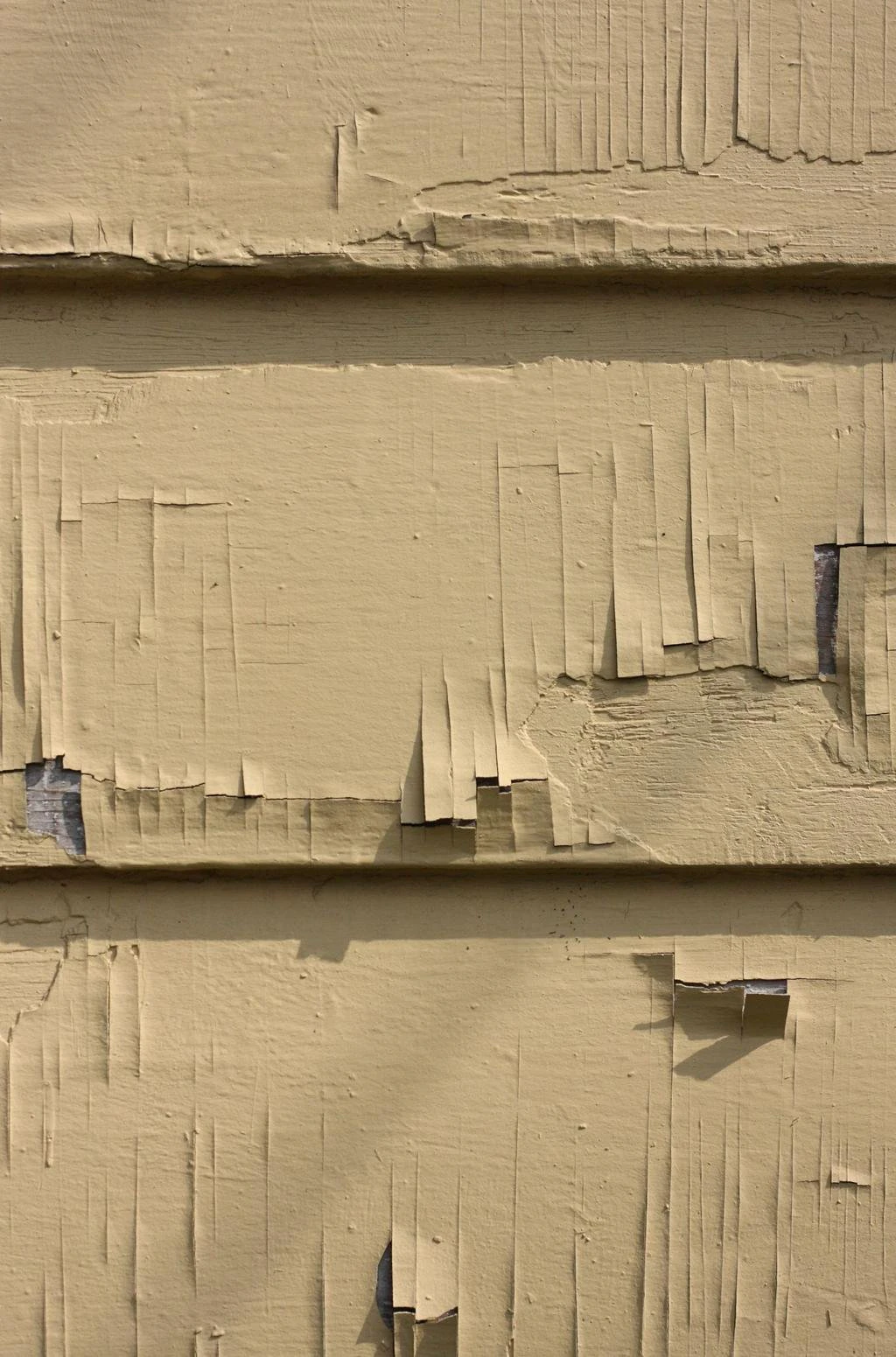
The crack pattern tells you what you're dealing with.
- Fine hairline cracks in the paint only (checking or crazing) mean the paint has stiffened with age and sun. It has reached the end of its life. Good prep and fresh paint fix it if the surface underneath is sound.
- Alligatoring looks like scaly reptile skin. It comes from a hard topcoat over a softer coat underneath, or from very old paint that has completely broken down. It has to come off. We see it a lot on homes painted over again and again without prep.
- Cracks in the stucco itself are very common here as stucco expands, contracts and settles. Hairline stucco cracks can be bridged with an elastomeric coating at the next repaint. Larger ones get filled with a flexible patch or elastomeric caulk, primed and then coated.
- Cracks along windows, doors and trim are almost always failed caulk that has dried out and gone hard. Cut it out, recaulk and paint. Painting over cracked caulk only hides it for a while.
Chalking: Powder on Your Hand
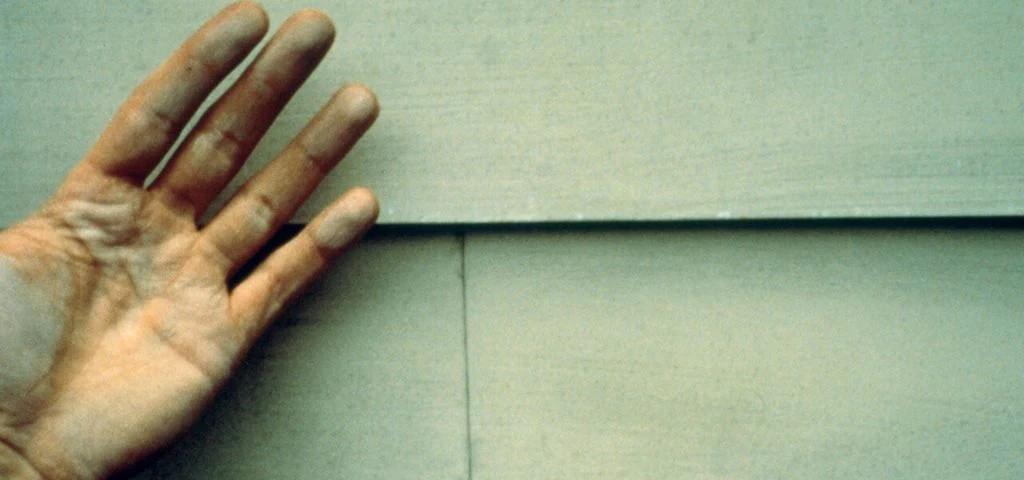
If your hand comes away from the wall with powder, that's your paint. Sunlight breaks down the binder that holds the pigment, and the pigment comes loose. A little chalking near the end of a paint job's life is normal. Heavy chalking after only a few years points to a paint that couldn't handle Florida sun.
New paint over chalk bonds to the powder instead of the wall and peels early, so washing is a must before any repaint.
- Pressure wash until a dry section no longer leaves powder on your hand.
- Let it dry completely.
- If chalking was heavy, use a primer made to bind chalky surfaces.
- Finish with two coats of a premium exterior paint such as Sherwin-Williams Emerald or Benjamin Moore Aura.
Why Does Exterior Paint Fade So Fast Here?
Some fading is normal. Severe fading after a few years, or one side looking very different from the rest, can usually be prevented. UV breaks down pigment, so south and west walls fade first while a shaded north wall stays close to its original color.
Dark colors fade faster, but premium lines like Sherwin-Williams Emerald or Benjamin Moore Aura hold color better under strong sun than budget paint. Nothing reverses faded pigment; the fix is a repaint over a clean, prepared surface.
Mildew and Algae Staining
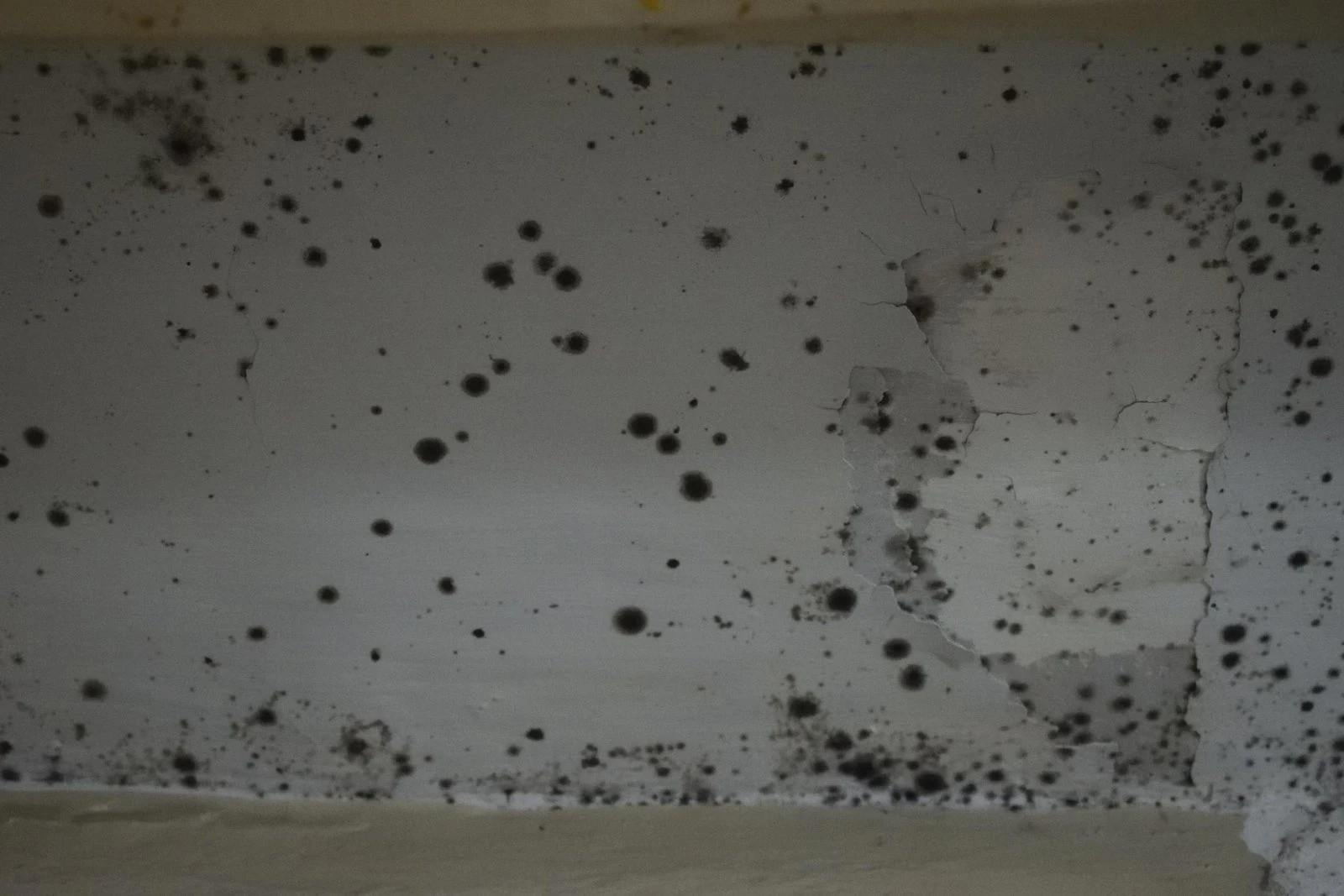
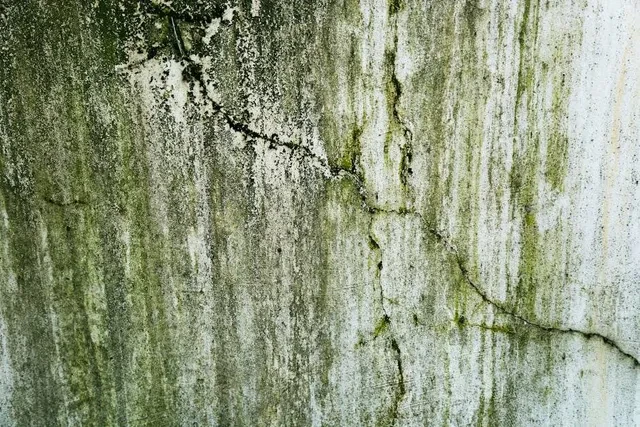
Green, gray or black patches are one of the most common complaints we hear. Mildew and algae get the warmth and moisture they need here most of the year, and left alone they break down the paint and can help start rot on wood.
It keeps coming back after washing because the mildewcide in the paint gets used up as the paint ages. Regular cleaning buys time, but when mildew returns soon after every wash, it's time to repaint.
- Soft-wash with a mildew cleaning solution, not plain water. Plain pressure washing doesn't kill it.
- Let the walls dry fully.
- Use a mildew-resistant primer on the worst areas, often north walls and walls under trees.
- Repaint with a premium exterior paint that contains mildewcide, such as Sherwin-Williams Duration or Emerald, or Benjamin Moore Aura.
- Trim shrubs and vines back about a foot from the walls so they dry out.
Efflorescence: White Stains on Stucco and Block
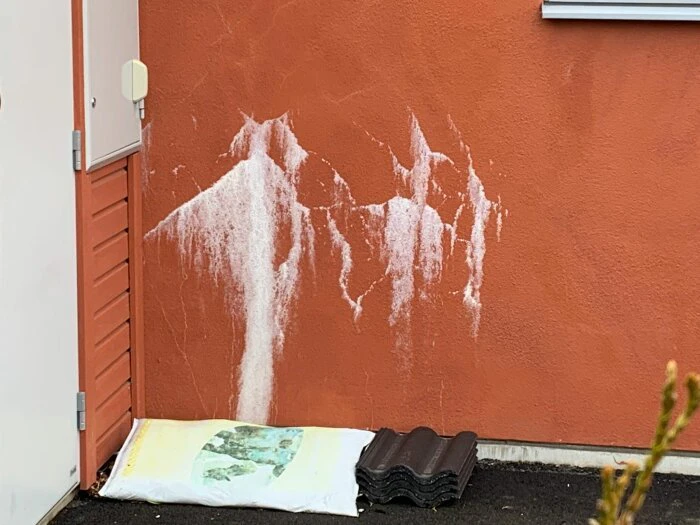
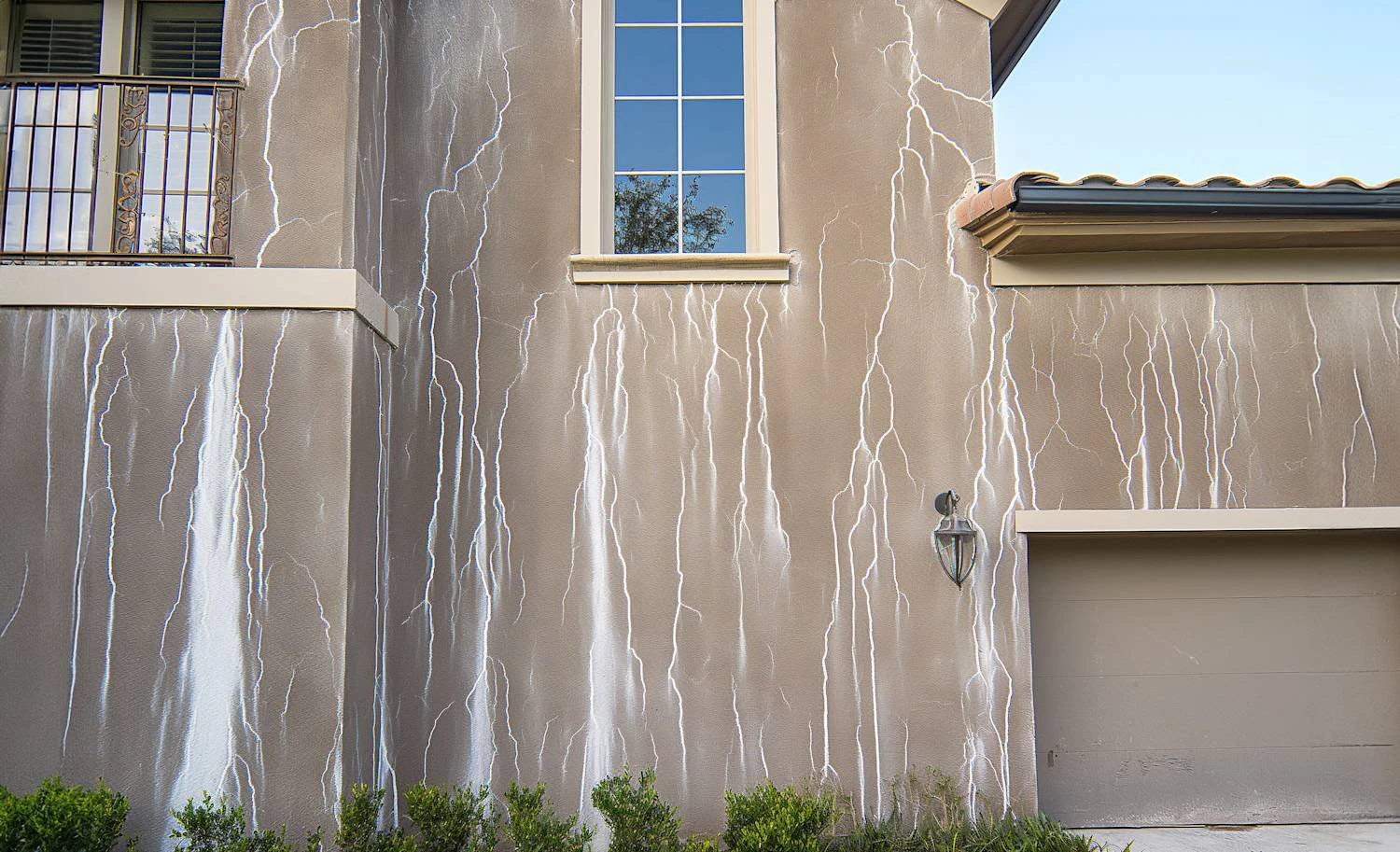
Efflorescence looks like a paint problem but it's a water problem. Water moving through stucco, brick or block leaves salts on the surface as it dries, most often around windows, along cracks, near the ground and where sprinklers hit the wall. Paint won't bond to the deposits, and new ones push fresh paint off from behind, so a painter alone can't fix it.
- Stop the water. Check gutters, downspouts, flashing, window caulk, sprinkler spray and drainage at the base of the wall.
- Remove the deposits with an efflorescence or masonry cleaner, following the label and its safety directions.
- Rinse and dry completely before priming.
- Prime with an alkali-resistant masonry primer or sealer.
- Topcoat with elastomeric on stucco or a premium acrylic on brick or block.
How to Diagnose Paint Failure on Your Own House
Name the failure
Match what you see to the table at the top.
Look at where it is
South and west walls point to sun and heat, north walls with mildew to shade and moisture, spots near gutters, sprinklers or the ground to water. If it's the same spot as last time, the cause was never fixed.
Look underneath
Lift a peeling edge or pop a blister. Dry and clean suggests prep; moisture or mildew means water from behind.
Press on the caulk
It should be flexible and stuck to both sides. Hard or cracked caulk is part of the problem.
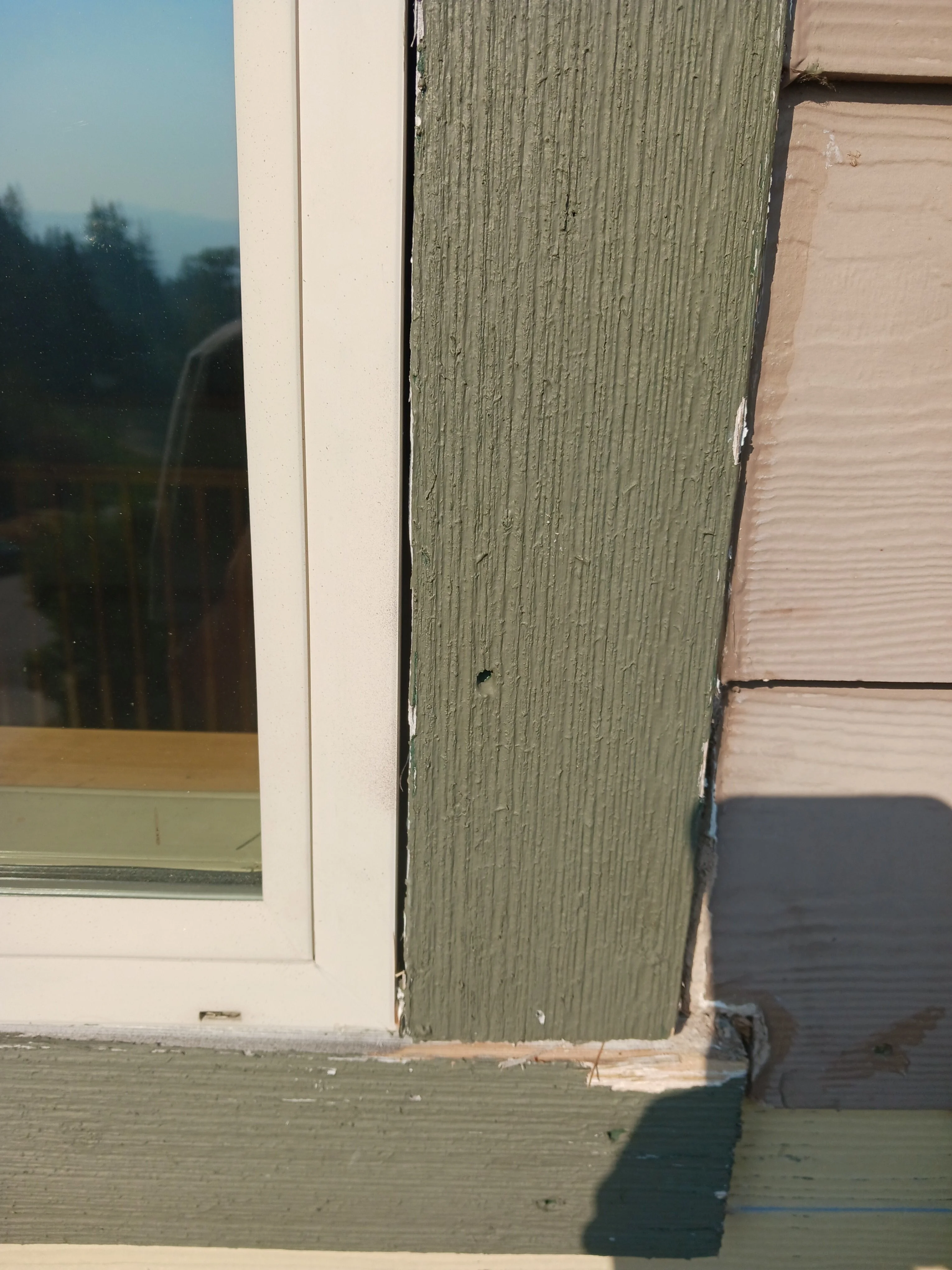
Cracked or failing exterior caulking should be removed and replaced before painting. Fix the cause first
Seal the water, replace caulk, repair damage and get the surface clean and dry. Only then does painting start.
How to Prevent Exterior Paint Failure
Most early paint failure we see on Jacksonville homes comes from prep and application shortcuts, not the weather. What actually makes a paint job last here:
- The right product for the surface. Premium acrylic exterior paint from Sherwin-Williams or Benjamin Moore (Emerald, Duration, Aura, Regal Select) on wood and fiber cement, and elastomeric on stucco with a history of cracking.
- Real prep: washing, scraping, crack repair, caulking, priming and a moisture check.
- Two full coats at the label's coverage rate.
- The right weather, within the label's limits and with no rain coming.
Between repaints, soft-wash every year or two, replace failing caulk as you find it, keep plants off the walls and gutters clean, and walk around the house after a big storm.
For more, see our library of Jacksonville exterior painting guides.
No. Anything loose has to be scraped or sanded down to a firmly bonded surface first, or the new paint comes off with the old layer. Bare spots then need cleaning, drying and primer.
About A New Leaf Painting
A New Leaf Painting Contractors has been painting homes in Jacksonville and Northeast Florida since 2010, with more than 5,000 projects completed. When we look at a house, we look for what caused any failure, so we fix the cause instead of covering it. We carry $3 million liability insurance and workers' compensation and back every project with a written warranty.
Seeing paint failure on your home? Call or text (904) 615-6599 or request a free estimate, and we'll tell you what's causing it and what it takes to fix it right.