What Is Included in a Professional Residential Painting Project in Jacksonville, FL?
A professional residential painting project includes far more than applying paint. It includes communication, planning, surface preparation, property protection, repairs, the right products for the surface, thorough cleanup, and a final walkthrough before anyone calls the job done. When homeowners compare estimates and find a wide spread in pricing, the difference is almost never the paint itself. It’s how much of that process is actually included.
A cheap bid may only include paint on the wall. A professional painting project should include a process that protects your home, solves surface problems, and gives you confidence from start to finish.
A New Leaf Painting Contractors is a Jacksonville, FL painting company serving Northeast Florida since 2001. This guide breaks down what should be in a residential painting project so you can read any estimate, from any company, and know exactly what you’re being quoted.
Anyone can give you a cheap bid. Not everyone can provide peace of mind.
Why the Details Matter in Residential Painting
Painting isn’t only cosmetic. On the outside of your home, paint is a protective system, the layer standing between your siding and Florida’s weather. On the inside, it’s what keeps a home feeling clean, current, and cared for. Done properly, a repaint also catches problems early: the wood rot behind a fascia board, the stucco crack letting water in, the failed caulk joint that’s been quietly widening for two years.
Jacksonville homes face conditions that punish shortcuts. Intense sun fades color and chalks older coatings. Humidity and heavy summer rain feed mildew. Homes near Atlantic Beach, Neptune Beach, and Ponte Vedra deal with salt air that accelerates everything. Stucco moves and cracks. Untreated wood trim rots. A paint system that works fine in a dry climate can fail here in a few short years.
Which is why five things determine whether a repaint lasts: prep quality, product selection, whether real repairs happened first, how well the crew communicates, and how carefully your property is protected while the work is underway. Everything below comes back to those.
A Clear Written Estimate
Everything starts with a written estimate that actually defines the work. A professional painting estimate should specify the areas being painted, whether the scope is interior or exterior, the number of coats, the paint products or product line, the surface preparation included, which repairs are covered and which are excluded, where primer will be used, color and sheen details, access considerations, payment terms, and warranty information.
Vague estimates are where the trouble starts. “Paint exterior, two coats” can describe two completely different projects at two very different prices. Cheaper estimates often leave out prep, repairs, primer, an adequate number of coats, or surface protection, and none of those omissions are visible until the crew is already at your house. If you want a realistic sense of ranges before you start collecting bids, our painting cost estimator gives planning numbers based on project size, prep, repairs, access, and surface condition.
Color Consultation and Product Recommendations
Choosing colors is part of the professional process, not something to leave to a two-inch paint chip under store lighting. Interior light changes color dramatically through the day, and a shade that looks warm at noon can turn gray by evening. Exterior colors behave differently again in direct Florida sun, where saturation reads stronger and lighter tones wash out.
A few situations deserve extra care. Bright whites and deep, saturated colors often need additional coats or a tinted primer to reach uniform coverage. Product choice should match the surface and the exposure, not just the color you want. And if you live in an HOA community, exterior colors typically need architectural review board approval before work begins, which affects your timeline.
A New Leaf Painting Contractors offers complimentary color consultation and can bring large-format Sherwin-Williams® and Benjamin Moore® samples to your home so you can see real color at real scale, on your walls, in your light. Learn more about interior and exterior color consultation.
Property Protection Before Painting Begins
Professional painting should not leave the homeowner feeling like their home has been turned upside down.
Inside, protection means moving or covering furniture, protecting floors, covering fixtures, masking cabinets, counters, and built-ins, using plastic for dust control, and setting up carefully at the start of each day and cleaning up at the end. Most interior projects happen in occupied homes, so containment matters. Your family still has to cook dinner and get to bed.
Outside, protection means covering landscaping, masking windows, and protecting patios, pavers, roofs, pool cages, and outdoor fixtures. Hardware gets removed or protected where needed. If any part of the job is sprayed, overspray management becomes the single most important protective step on the property.
This is the least glamorous part of a paint job and one of the most revealing. What goes down before the first can opens tells you how the rest of the project will go.
Surface Preparation
Preparation is the difference between a paint job that looks good for three years and one that looks good for ten. It’s also the easiest place to cut cost invisibly, which is exactly why it’s the first thing to disappear from a cheap bid.
Interior prep typically includes drywall patching, addressing nail pops, filling small cracks, sanding repairs smooth, caulking trim gaps, cleaning surfaces, spot-priming stains, and prepping doors, baseboards, crown molding, and trim so enamel bonds properly. For anything beyond routine patching, drywall repair before interior painting should be planned as its own scope item rather than assumed.
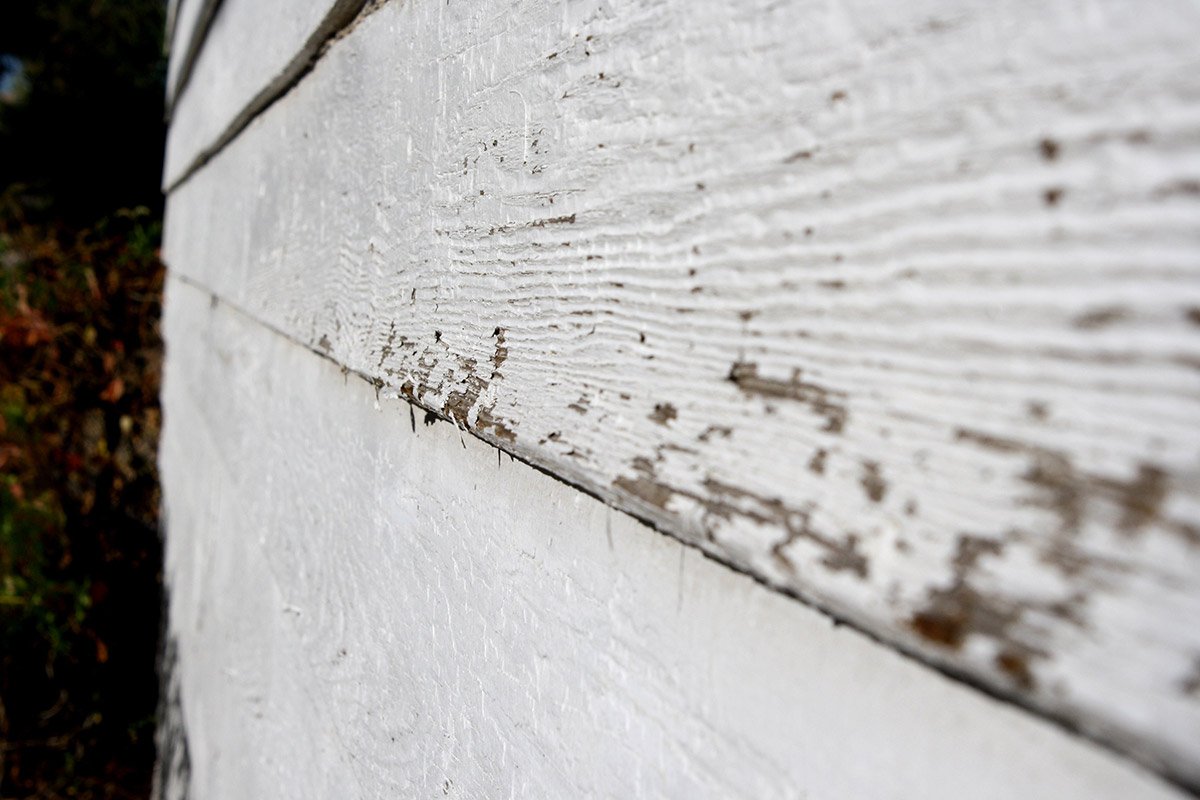
Exterior prep typically includes washing, scraping loose paint, sanding failed coatings, caulking cracks and joints, repairing stucco cracks, identifying wood rot, priming bare wood and patched or stained areas, and dealing with chalking on older painted surfaces. In Northeast Florida, stucco repair before exterior painting and wood rot repair before painting come up constantly, because our climate finds every weak spot.
Prep isn’t visible in the finished product. It’s visible in year six.
Repairs Before Painting
Paint should never be used to hide damaged surfaces. A coating applied over rot, movement, or moisture doesn’t solve the problem; it conceals it while it gets worse and adds the cost of repainting to the eventual repair bill.
The issues that need attention before painting include wood rot, damaged trim, cracked stucco, failed caulk, drywall damage, water stains, peeling or bubbling paint, and siding problems. Some of these are small and reasonably folded into a repaint. Others are real carpentry or masonry work with their own scope and pricing.
A professional residential painting company should tell you what needs repair before painting begins, in writing, before you sign, rather than discovering it mid-project and handing you a surprise. If something genuinely unexpected turns up once work is underway, you should hear about it, see it documented, and approve it before anyone proceeds.
Priming Where Needed
Primer isn’t required on every surface, and a crew that primes everything by default is padding the job. But there are specific situations where skipping it guarantees a problem: bare wood, raw drywall patches, stains, water marks, dramatic color changes, bright whites, deep or dark colors, chalky exterior surfaces, metal or specialty surfaces, and fresh stucco repairs.
Used in the right places, primer improves adhesion, evens out coverage, blocks stains from bleeding through, and produces a better finish. The professional judgment is knowing which surfaces need it and which don’t, then writing that into the estimate so you know what you’re getting.
Interior Painting Scope
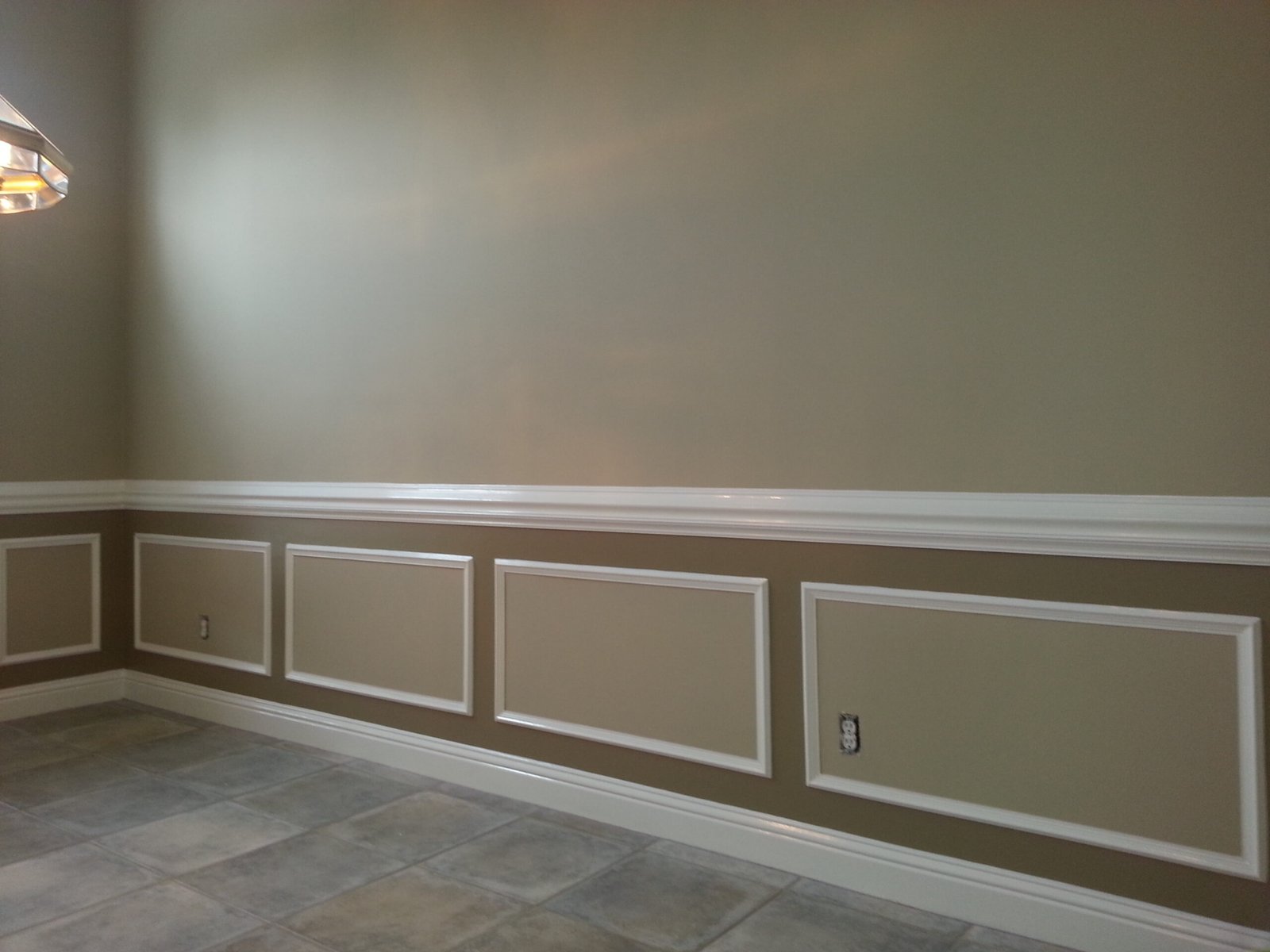
An interior residential painting project can include walls, ceilings, trim, doors, crown molding, baseboards, wainscoting, accent walls, and closets, across bedrooms, bathrooms, kitchens, living rooms, foyers, and stairwells. Which of those are included should be spelled out room by room, because ceilings, trim, and doors each add meaningful prep, time, and material.
Interior work lives or dies on details: clean cut lines at ceilings and trim, thorough protection of floors and furniture, and sheen selection matched to how each room is used. Bathrooms and kitchens need washable, moisture-tolerant finishes given our humidity. Hallways and stairwells need durability. Ceilings usually take flat. Learn more about our interior painting services in Jacksonville.
Exterior Painting Scope
An exterior residential painting project can include stucco, siding, HardieBoard, wood siding, fascia, soffits, trim, doors, shutters, garage doors, porches, columns, downspouts, and exterior ceilings. Each substrate behaves differently in Florida weather and may call for a different coating decision.
One item worth confirming specifically: gutters may or may not be included depending on the estimate. So may pool cages, fences, and detached structures. These are common gaps between bids that look otherwise identical, so ask directly rather than assuming. See our exterior painting services in Jacksonville for the full scope we handle.
Paint Products and Coating Systems
Professional painters recommend products based on the surface and its exposure, not a single house brand applied everywhere. A north-facing stucco wall, a sun-blasted south elevation, a bathroom ceiling, and an interior trim package are four different problems.
Products commonly specified on Northeast Florida homes include Sherwin-Williams® Duration, Emerald, and Emerald Rain Refresh for exteriors, Loxon XP for stucco and masonry, and ProMar 200 for interior work, along with Benjamin Moore® Regal Select and Aura. These are quality lines with real performance characteristics, but no product overcomes bad prep. Selection should match surface type, weather exposure, durability needs, and your goals for the home.
Daily Communication and Jobsite Organization
Communication is part of the service, not a courtesy. A professional painting company should give you a clear start date, a crew leader or single point of contact, updates as the work progresses, and a defined process for change orders. Questions about colors or sheens should be settled before those surfaces get painted, not after.
You should also know what’s happening tomorrow. Schedule changes, weather delays, which rooms or elevations are next, when the crew arrives and leaves. Peace of mind on a multi-day project is mostly a function of not being left guessing in your own home.
Cleanup and Final Walkthrough
The project isn’t finished when the last coat goes on. A complete residential painting project includes cleanup, removing coverings and tape, reinstalling items as appropriate, reviewing touch-ups, inspecting paint lines, confirming the agreed scope, and walking the finished project with you.
A New Leaf Painting Contractors does not consider a job complete until the project has been reviewed together and the homeowner understands the finished work. That walkthrough is where anything missed gets caught while the crew is still on site, and it’s the difference between a job that’s over and a job that’s actually done. You can see the full sequence on our process page.
Warranty and Guarantee
A professional painting project should come with clear, written warranty expectations. That means knowing what’s covered and what isn’t, how labor and materials are handled, and what happens if you see peeling, blistering, or chipping within the covered period.
Equally important is understanding the exclusions, because honest warranties have them. Substrate failure, moisture intrusion, new wood rot, and stucco movement are generally outside a paint warranty, since they’re structural conditions rather than coating defects. Normal maintenance expectations matter too. Read the terms of our workmanship warranty and Iron-Clad Guarantee so you know exactly where you stand.
Why Cheap Painting Bids Can Cost More Later
Anyone can give you a cheap bid. Not everyone can provide peace of mind.
A lower number usually means something was left out. The most common omissions are prep, repairs, primer, quality paint, property protection, an adequate number of coats, insurance coverage, a written warranty, real communication, and a final walkthrough. None of those absences show up on day one. They show up in year three, when the caulk fails, the stucco cracks reopen, and the color has faded unevenly.
When you hire a painting contractor in Jacksonville, you aren’t only buying paint. You’re buying preparation, protection, experience, communication, and accountability, and a repaint that comes early is far more expensive than the money the cheap bid saved.
Questions to Ask Before Hiring a Residential Painter
Bring this list to every estimate. The answers reveal how a company actually operates:
- Are you insured, and can you provide a certificate of insurance?
- What credentials do you hold locally?
- What exactly is included in the written estimate?
- How many coats are included?
- What paint products and sheens will you use on each surface?
- Is surface preparation included, and what does it cover?
- Are repairs included or priced separately?
- Who is my point of contact during the project?
- How will you protect my floors, furniture, and landscaping?
- Do you offer a written warranty, and what does it exclude?
- Can I see reviews and photos of past projects?
A company with a real process answers all of these without hesitation.
Frequently Asked Questions
What is included in a professional residential painting project?
A professional residential painting project should include a written estimate, surface preparation, property protection, appropriate repairs, priming where needed, quality paint products, the painting itself, thorough cleanup, a final walkthrough, and clear warranty information. If any of those are missing from an estimate, ask why.
Does residential painting include both interior and exterior painting?
Yes. Residential painting can include interior walls, ceilings, trim, doors, and cabinets, along with exterior stucco, siding, fascia, soffits, doors, shutters, porches, and related surfaces, depending on the scope you agree to. Many homeowners phase the two, doing the exterior one season and the interior another.
Are drywall repairs included before interior painting?
Small repairs such as nail holes, dents, and minor cracks may be included depending on the estimate. Larger repairs, texture matching, and water damage are typically listed and priced separately, so confirm where the line falls in your written scope.
Are stucco cracks and wood rot included before exterior painting?
They should always be evaluated before painting begins. Minor crack repair may be included in an exterior scope, while larger stucco work or carpentry and wood rot repair usually requires separate pricing. In Northeast Florida, these are common enough that any thorough exterior estimate should address them directly.
How many coats of paint are included?
Most professional estimates specify the number of coats, and many residential projects include two. Primer or additional coats may be needed for dramatic color changes, bright whites, deep colors, stained surfaces, or problem substrates. If an estimate doesn’t state a coat count, that’s worth clarifying before you sign.
Why are some painting estimates cheaper than others?
Cheaper estimates often exclude prep, repairs, primer, quality products, property protection, insurance, warranty coverage, or an adequate number of coats. Two bids can name the same house and describe very different amounts of work, so compare written scopes rather than bottom-line numbers.
How do I choose the right residential painter in Jacksonville, FL?
Look at verified reviews, confirm the company is insured and can show a certificate, and read the written estimate closely for preparation, repairs, products, and coat count. Ask about the communication process and who your point of contact will be, review the warranty and its exclusions, and look for local experience with Florida conditions plus photos of comparable past work.
Plan Your Residential Painting Project With Confidence
A New Leaf Painting Contractors provides residential interior painting, exterior painting, cabinet painting, drywall repair, stucco repair, wood rot repair, trim and door painting, pressure washing, color consultation, concrete coatings, and commercial painting throughout Northeast Florida. We’ve served the area since 2001, we’re insured, Google Guaranteed, EPA Lead-Safe Certified, and we hold a Duval County Certificate of Competency, with 750+ verified five-star reviews behind the work.
We serve Jacksonville, Ponte Vedra, Nocatee, St. Augustine, Mandarin, San Marco, Riverside and Avondale, Fleming Island, Orange Park, Atlantic Beach, Jacksonville Beach, Neptune Beach, Fernandina Beach, and surrounding Northeast Florida communities.
If you’re planning a residential painting project anywhere on the First Coast, we can help you understand your options, choose the right paint system for your surfaces, and plan the work with a clear written scope from the start.
Helpful Painting Resources for Jacksonville Homeowners
Comparing painters or planning a project? These related services and guides answer the questions we hear most before homeowners pick up the phone.
Related services
- If you’re considering a cabinet update, see our cabinet painting and refinishing services for more on how that process differs from standard wall painting.
- For larger wall damage, texture issues, or patching, our drywall repair services can be handled before painting begins.
- Not sure how to coordinate colors between rooms? Our color consultation service helps you choose a palette that works with your lighting, floors, cabinets, trim, and furniture.
- You can also review our painting process to see what happens from estimate to final walkthrough.
Choosing a painter and planning your project
- How to Choose a Residential Painter in Jacksonville, FL — what to verify, what to ask, and the red flags worth walking away from.
- What Is Included in a Professional Residential Painting Project? — estimates, prep, protection, repairs, cleanup, and the final walkthrough.
- Residential Painting Services for Jacksonville Homes — walls, trim, cabinets, exteriors, drywall, stucco, and concrete coatings.
- Interior vs. Exterior Painting: What Jacksonville Homeowners Should Know — how prep, products, timelines, and pricing differ inside and out.
Cost, products, and timing
- Interior painting cost guide for Jacksonville homeowners.
- How much interior painting costs in Jacksonville
- Best interior paint for Florida homes
- A guide to interior paint finishes
- How often to paint your house in Florida — realistic repaint timelines by surface type, plus the warning signs that say it’s time.
Get a clear, written painting estimate.
Prep, products, coats, repairs, and warranty defined before work begins.