
Should You Paint the Ceilings in a New Construction Home?
Most new homes in Northeast Florida are handed over with knockdown-textured ceilings that were never painted. The texture is joint compound, sprayed and flattened, and builders across Nocatee, SilverLeaf, Durbin Crossing and RiverTown routinely leave it exactly as it comes off the trowel. It looks fine on move-in day, which is why so few homeowners think about it.
If you’re already planning to repaint the walls, this is also a good time to ask your interior painters in Jacksonville, FL whether the ceilings should be included. In many rooms they can wait, but in others it makes sense to seal and paint them while the space is already being prepared.
The short answer: in most rooms you can wait. In a few, you shouldn’t. That distinction is the whole decision, and it has nothing to do with how the ceiling looks right now.
Where Leaving It Unpainted Is Genuinely Fine
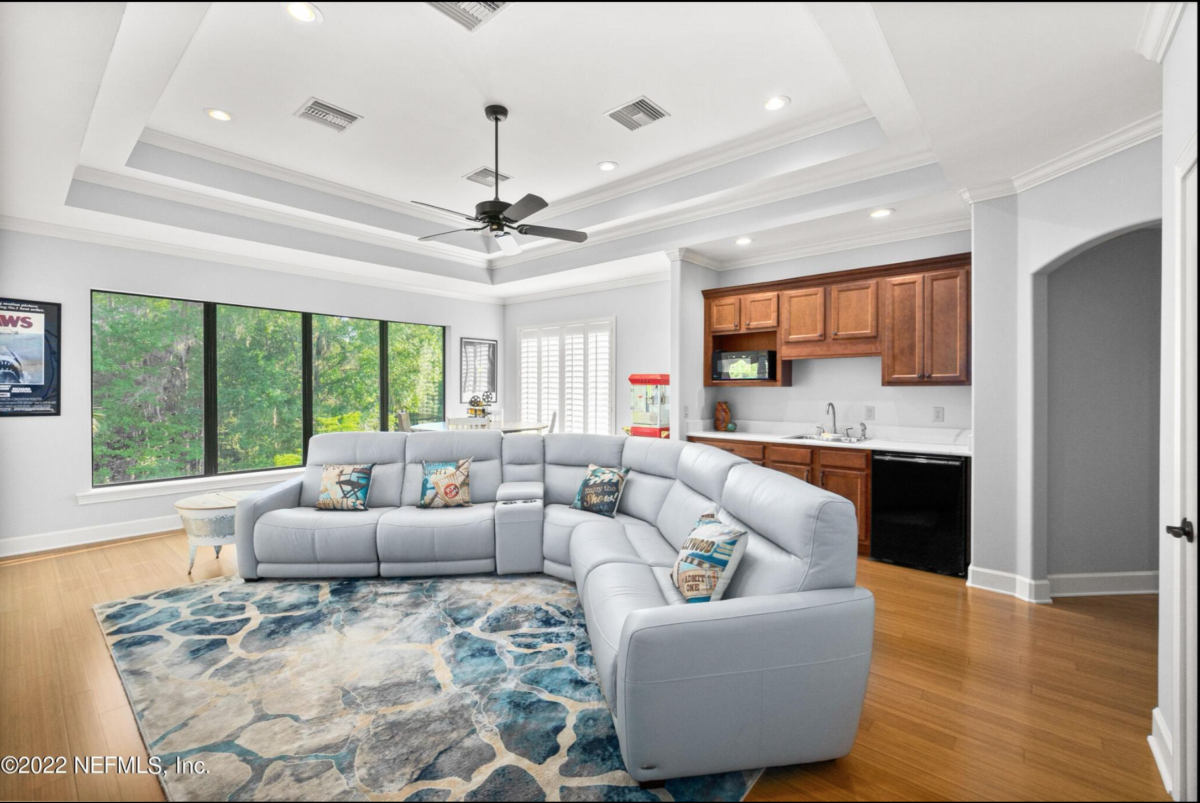
Bedrooms, closets, hallways, formal dining rooms, home offices, and most living areas. These are dry rooms with ordinary air movement and nothing splashing or steaming. An unpainted knockdown ceiling in a guest bedroom can look good for a long time with no attention at all.
If your budget is stretched after closing — and it usually is — these are the rooms to leave alone. Put the money into the walls, where the real wear happens. Our guide to whether to repaint a new construction home covers that side of the decision.
Where You Should Not Leave It Unpainted
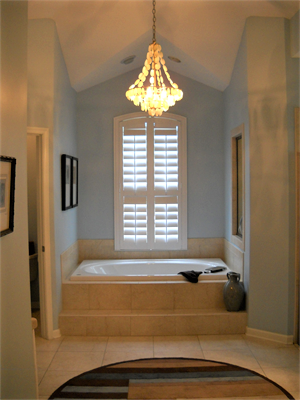
Bathrooms, kitchens, laundry rooms, and anywhere with a shower, a range or a dryer. This is where the unpainted ceiling stops being a saving and starts being a problem.
Porous compound absorbs steam rather than shedding it. Over repeated cycles that shows up as discoloration, dingy patches around the vent, and eventually mildew that cannot be wiped off — because there’s no film to wipe. Scrub unpainted texture and you take the texture off with the stain. At that point the only fix is repair and repaint, which costs considerably more than painting it would have in the first place.
A coat of primer and a quality ceiling paint gives the surface something to defend itself with. In a Florida bathroom that isn’t a cosmetic upgrade — it’s the difference between a ceiling you can clean and one you eventually have to redo.
The Other Reason People Paint: Repairs
New homes settle. Nail pops, seam cracks and truss movement in the first couple of years are normal, and they show up on ceilings as readily as walls. Repairing an unpainted textured ceiling means patching, re-texturing to match, and then trying to blend new compound into old — and fresh compound almost never matches cured compound in color or sheen.
On a painted ceiling, the repair gets primed and painted over and disappears. On an unpainted one, the patch stays visible. This is the same blending problem that makes wall touch-ups obvious, and it’s covered in more detail in why drywall repairs show through paint.
If your builder warranty period is still open, wait. Let the settling happen, let the builder make the repairs, and paint afterward — then the repairs disappear under the coating instead of being framed by it. Our drywall repair crew handles texture matching as part of interior work when repairs are needed later.
Jacksonville Humidity and Unpainted Ceilings
Northeast Florida runs humid for most of the year, and air conditioning cycles create a constant temperature differential between conditioned air below and attic air above. Ceilings are where that meets. Rooms with poor extraction — an interior bathroom with a weak fan, a laundry closet with no vent at all — hold moisture longest.
The practical test is simple. Stand in the room after a hot shower or a dryer cycle and look at the ceiling near the vent. If the surface looks damp, or if you can already see faint darkening where the air collects, that ceiling wants a coating on it.
If You Do Paint: What It Takes
Painting knockdown texture for the first time is not the same as recoating a previously painted ceiling, and it’s worth knowing the difference before deciding to do it yourself.
The surface is porous and thirsty, so it drinks the first coat. Bare compound needs priming, or the finish coat soaks in unevenly and dries blotchy. Construction dust has to come off first — texture holds dust in every recess, and paint over dust fails at the bond. And texture needs more film than a flat ceiling does, because the roller has to reach into the profile rather than skim across it. A thin coat on knockdown leaves the high spots coated and the low spots bare, which is visible the moment light rakes across it.
Done properly it’s primer plus two finish coats, with a nap heavy enough to load the texture. Why surface preparation matters goes deeper into the part of this that does most of the work.
Sheen and Color for Ceilings
Flat is the standard choice for dry rooms — it hides the unevenness that texture and framing naturally create, and it kills glare from overhead fixtures. In bathrooms, kitchens and laundry rooms, step up to a satin or a purpose-made moisture-resistant ceiling product, because washability is the entire point of painting those rooms.
On color: a true bright white against builder-white walls can read colder than people expect, while a ceiling white tinted slightly toward the wall color keeps the room soft. If you’re weighing options, light reflectance value explains how to predict what a color will actually do in your rooms, and our color consultation covers ceilings alongside walls.
A Sensible Order of Operations
- Walk every room and note which ceilings are in wet areas
- Check whether your builder warranty period is still open
- Let settlement cracks and nail pops surface, and get them repaired under warranty
- Paint the wet rooms first — bathrooms, kitchen, laundry
- Leave dry-room ceilings unpainted until you have a reason
- When you do paint them, do it in the same visit as a wall repaint so the room is only disrupted once
That sequence spends the least money on the ceilings that matter least and protects the ones that are actually at risk. It also avoids the most common mistake, which is painting the whole house’s ceilings in year one and then repairing settlement cracks through fresh paint in year two.
What It Costs
Ceiling work is priced by area, ceiling height and access — a two-story foyer is a different job from a bedroom. Because a first-time coat over bare texture needs primer and heavier film, it costs more than recoating an already-painted ceiling of the same size.
Rather than quote a range that won’t fit your house, our interior painting cost guide breaks pricing down by room and element, and the painting cost estimator gives you a planning range in a couple of minutes. A written on-site estimate is the only number that means anything, and it’s free.
Frequently Asked Questions
Do builders really leave ceilings unpainted?
Yes. Knockdown texture left unpainted is common in Northeast Florida production homes. The compound cures to a neutral off-white that looks finished, which is why many homeowners don’t realize there’s no paint on it until they try to clean a mark off.
How can I tell whether my ceiling is painted?
Touch a hidden corner with a barely damp cloth. Painted ceilings wipe clean. Unpainted compound darkens where the moisture lands and may shed a little chalky residue onto the cloth. A painted ceiling also has a faint, even sheen under raking light; bare texture reads completely dead flat.
Will an unpainted ceiling look wrong against freshly painted walls?
Usually not. The neutral off-white of cured compound sits comfortably against most wall colors. It becomes noticeable mainly against very saturated or very cool wall colors, where the warmth of the bare compound can read slightly yellow by comparison.
Which ceilings should I paint first?
Bathrooms, then the kitchen, then the laundry room. These are the rooms where an unpainted ceiling will actually deteriorate rather than simply sit there. Everything else can wait until you have a reason.
Can I clean an unpainted ceiling?
Not really. There’s no film to clean, so scrubbing removes texture along with the mark and leaves a smooth patch that’s more obvious than the stain was. If a ceiling already has marks you want gone, the answer is repair and paint, not cleaning.
Should I wait for the builder warranty walkthrough?
For dry rooms, yes — let settlement surface and get repairs done under warranty before you put paint over anything. Wet rooms are the exception worth handling sooner, since moisture damage accumulates while you wait.
Does painting ceilings affect the builder warranty?
It can, depending on your specific terms. Read the documentation and photograph any existing defects before covering them — that’s a reasonable precaution whether or not your warranty says anything about finishes.
Can ceilings be painted later without problems?
Yes. Bare texture takes paint well once it’s clean and primed. Waiting costs you nothing in a dry room — the surface isn’t degrading, it just isn’t protected.
Do painted ceilings add resale value?
Not as a line item buyers price. What they notice is a stained bathroom ceiling, which reads as deferred maintenance. Painting the wet rooms protects value; painting every ceiling in the house is a preference, not an investment.
Not sure what you’ve got up there?
We’ll walk your new home, tell you which ceilings are bare and which rooms actually need coating, and give you a straight answer — including when that answer is “leave it.” Free, no pressure. See our interior painting services.
Helpful Resources
- Should You Repaint a New Construction Home?
- Why Are Drywall Repairs Showing Through the Paint?
- Why Don’t Paint Touch-Ups Match in New Homes?
- Why Surface Preparation Matters
- Best Paint Sheens for Jacksonville Homes
- How to Determine a Paint Color’s Light Reflectance Value
- Interior Painting Services
- Drywall Repair
- Popcorn Ceiling Removal
- Color Consultation
- Interior Painting Cost Guide
A New Leaf Painting Contractors has provided professional residential painting in Jacksonville, FL and throughout Northeast Florida since 2001. With 750+ verified five-star reviews and more than 5,000 completed projects, we help homeowners protect and update their homes with interior painting, exterior house painting, cabinet painting, drywall repair, stucco repair, popcorn ceiling removal, and wood rot repair. Our licensed and insured team brings detailed preparation, quality coatings, clean job sites and our No-Chaos Process to every project. We serve Jacksonville, Mandarin, Riverside, Avondale, Julington Creek, Nocatee, Ponte Vedra Beach, Jacksonville Beach, St. Johns, Fleming Island, Orange Park, St. Augustine, and surrounding Northeast Florida communities. Ready to get started? Call 904-615-6599 for a free estimate.