
Flat vs. Matte vs. Eggshell Paint: Which Finish Is Best for Interior Walls?
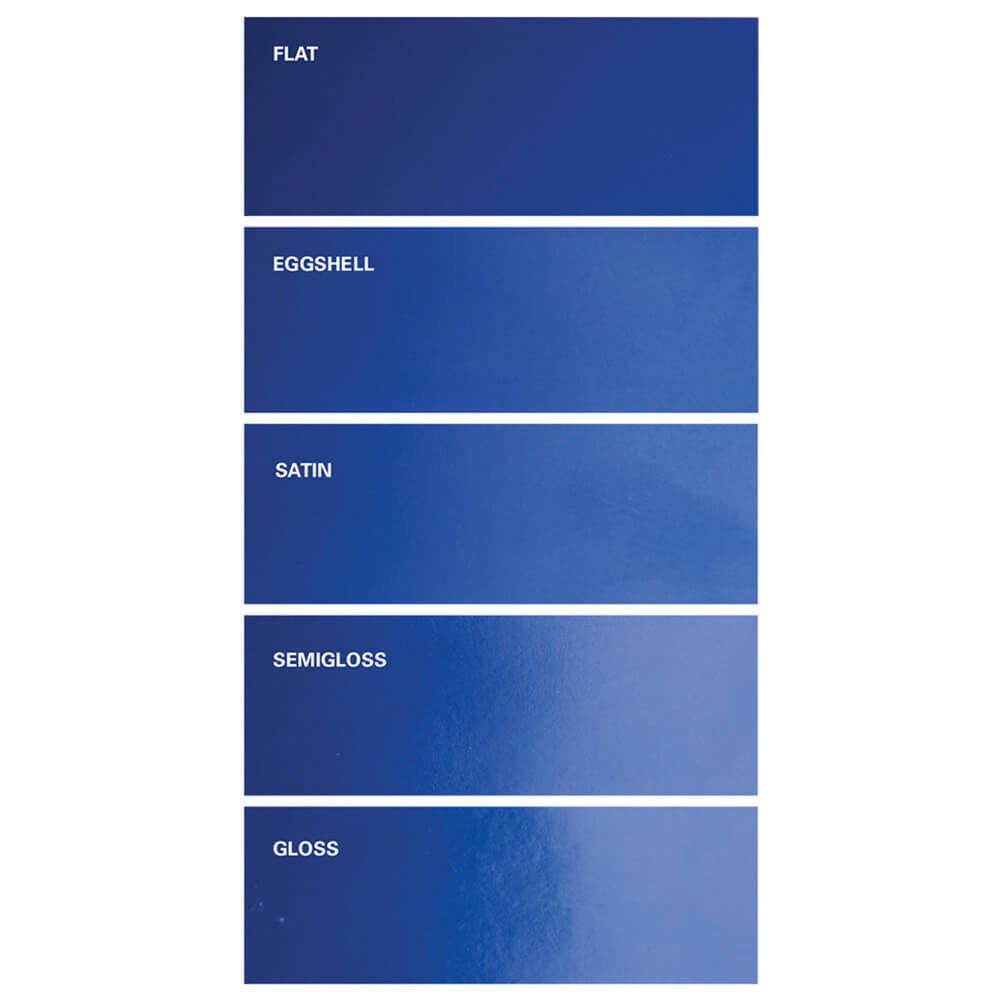
Flat paint has the least sheen and usually hides wall imperfections best, while eggshell offers more reflectivity and is generally easier to clean. Matte sits between the two, offering a low-sheen appearance with better washability than standard flat paint in many premium formulations. Our interior painters in Jacksonville, FL consider more than sheen alone when recommending wall paint—the room, condition of the drywall, lighting, expected traffic, cleaning needs, and quality of the specific paint product all influence which finish makes the most sense.
This is the real dilemma homeowners run into: flat paint hides imperfections but can be harder to clean. Eggshell is generally more washable but can reveal drywall flaws that a flatter finish would help disguise. Matte can offer an excellent middle ground, but manufacturer labels aren’t standardized, so one brand’s “matte” can look and perform quite differently from another’s. After more than 25 years of interior painting in Jacksonville, FL, we’ve learned that choosing a wall finish based on the sheen name alone can be a mistake. The specific product matters just as much.
Getting the decision right means weighing wall condition, natural and artificial lighting, how the room actually gets used, whether kids or pets are in the picture, how often the walls will be cleaned, the appearance you’re trying to achieve, how touch-ups may look over time, the quality of the coating, and how well the wall was prepared before any paint goes on.
For more Jacksonville homeowner guides covering paint sheen, washable wall finishes, builder-grade paint, touch-ups, drywall repairs, surface preparation, paint selection, and professional interior painting, visit our Interior Painting Resource Center.
What Is Paint Sheen?
Sheen refers to how much light the dried paint film reflects. As sheen increases, it generally affects several things at once: reflectivity obviously goes up, but so does washability and stain resistance in most cases, while wall imperfections and touch-ups tend to become more visible rather than less.
Worth knowing upfront: manufacturer sheen labels aren’t perfectly standardized across the industry. One company’s “matte” can look and perform a lot like another company’s “flat,” or like a different brand’s low-sheen eggshell. This isn’t a flaw exactly — it just means the label on the can is a starting point, not a guarantee, and comparing actual product data sheets matters more than comparing names.
Flat vs. Matte vs. Eggshell Paint: Quick Comparison
| Factor | Flat | Matte | Eggshell |
|---|---|---|---|
| Sheen | Very low | Low | Soft, subtle sheen |
| Hides imperfections | Excellent | Very good | Moderate |
| Typical washability | Limited to good, depending on product | Good in premium products | Generally good |
| Scuff resistance | Product-dependent | Product-dependent | Usually stronger |
| Touch-up ability | Often easiest | Often good | More likely to flash |
| Best for | Ceilings, low-traffic rooms, imperfect walls | Living areas, bedrooms, upscale low-sheen finishes | Hallways, family rooms, active households |
| Lighting effect | Minimal reflection | Soft reflection | More noticeable reflection |
| Shows repairs | Least | Low to moderate | More likely |
What Is Flat Paint?
Flat paint has very little reflectivity — light hits it and mostly scatters rather than bouncing back at you.
Advantages: it hides drywall imperfections better than any other common finish, minimizes glare, creates a soft and uniform overall appearance, often touches up more easily than higher-sheen options, works well on ceilings specifically, and can make older or less-than-perfect walls look noticeably smoother than they’d look under a shinier coat.
Possible disadvantages: it may scuff easily, shows fingerprints more readily, can burnish during cleaning, may absorb stains rather than releasing them, lower-cost versions can transfer pigment onto a cloth, cleaning can leave visible shiny marks, and it may not hold up well in an active household unless you’re using a genuinely premium formulation.
That last point is worth repeating on its own: premium washable flat paints can perform very differently from inexpensive production-grade flat paint. “Flat” as a sheen category and “flat” as shorthand for low quality are two different things that get conflated constantly.
What Is Matte Paint?
Matte usually has a touch more sheen than traditional flat paint, though — as covered above — manufacturer classifications for this vary enough that it’s not a hard, universal rule.
Advantages: a genuinely low-reflection appearance, good ability to hide imperfections (though generally a step behind true flat), a look that often reads as more sophisticated than higher-sheen finishes, meaningfully improved washability in many premium formulations specifically, and a reasonable fit for bedrooms, living rooms, and open living spaces where you want low sheen without sacrificing everything on the durability side.
Limitations: not every matte product is actually highly washable — some perform closer to standard flat despite the label. Touch-ups can still flash. Dark colors may show marks more visibly. Repeated scrubbing can still alter the finish over time. And lower-cost matte products specifically can end up performing a lot like ordinary flat paint despite the different name on the can.
This is exactly why it’s worth comparing actual product performance data — washability ratings, scrub-cycle testing where available — rather than making a decision purely on the word “matte” appearing on the label.
What Is Eggshell Paint?
Eggshell has a soft sheen, roughly resembling the actual surface of an eggshell — more reflective than flat or matte, but well short of satin or semi-gloss.
Advantages: generally more washable than many flat paints, better resistance to fingerprints and staining, a solid fit for family rooms and hallways, generally easier to maintain in an active household, a subtle and finished overall appearance, and it often performs well specifically in rooms used regularly by children and pets.
Limitations: it can reveal drywall repairs that flat paint would have hidden, may highlight texture inconsistencies across the wall, touch-ups are more prone to flashing than with flat or matte, strong side lighting can make roller marks more visible than they’d be under a flatter finish, dark colors can appear shinier in eggshell than you might expect, and any shortcuts in wall preparation become more obvious under this level of sheen.
Eggshell isn’t a glossy finish by any means — but the sheen is still genuinely noticeable in a room that gets strong natural light, which is worth knowing before you commit to a whole room.
Is Matte the Same as Flat Paint?
Sometimes the terms get used almost interchangeably, but they aren’t always identical products. The differences come down to manufacturer labeling conventions that vary company to company, real (if sometimes subtle) sheen differences, washability differences that can be significant even when the visual sheen looks similar, differences between specific product lines within the same brand, and even some difference in how the terms get used in residential versus commercial contexts.
The practical advice here: look at an actual physical sample rather than trusting the name alone, and review that specific product’s stated washability, scrub resistance, and recommended use before assuming “matte” automatically means what you think it means.
Is Eggshell Much Shinier Than Matte?
Generally, yes — eggshell reflects more light than matte as a category. But how noticeable that difference actually looks depends on the specific manufacturer, the color chosen, the room’s lighting, the wall’s underlying texture, how the paint was applied, how many coats went on, and even the angle you’re viewing it from. Dark colors and strong side lighting in particular can make eggshell read as shinier than it might in a lighter color under softer, more diffuse light.
The reliable way to judge this for your specific room: apply an actual sample directly to the wall and look at it across different times of day, rather than trying to judge sheen from a small paint chip.
Which Finish Hides Wall Imperfections Best?
In general order: flat first, matte close behind, eggshell noticeably behind both. Lower-sheen coatings scatter light rather than reflecting it directly, which is exactly why they make surface defects less noticeable — there’s less direct light bouncing off any given imperfection to draw your eye to it.
This matters most for things like drywall patches, nail pops, settlement cracks, joint-compound flashing at repaired seams, texture inconsistencies across a wall, roller marks from the original application, subtle waves in the wall surface, areas where sanding wasn’t quite thorough enough, and any previous repair work. It’s worth being direct about one thing: paint, regardless of sheen, cannot repair a genuinely damaged or poorly prepared wall — it can only make existing imperfections more or less visually obvious. For actual repairs, see our professional drywall repair services, our guide on why surface preparation matters before any paint goes on, and if repairs are already visible through paint, why drywall repairs show through paint.
Which Paint Finish Is Easiest to Clean?
As a category, eggshell generally offers better cleaning resistance than standard flat paint — but a genuinely premium washable matte or flat product can perform exceptionally well too, sometimes outperforming a mediocre eggshell. What actually determines this comes down to the product’s washability rating, scrub resistance, stain resistance, burnish resistance, overall quality, whether it’s been given adequate time to cure, and the cleaning method actually used on it.
Sheen influences cleanability, but it doesn’t determine it entirely on its own. A premium washable matte may genuinely outperform an inexpensive eggshell — which is exactly why choosing a sheen category without considering the actual product behind it is a common and avoidable mistake.
Which Finish Resists Scuffs and Fingerprints Best?
Eggshell commonly performs better in high-contact areas as a category, though product quality remains the deciding factor regardless of sheen. This matters most in hallways, staircases, entryways, walls near light switches, children’s bedrooms, family rooms, areas frequented by pets, mudrooms, and kitchens or breakfast areas — anywhere daily contact concentrates.
One thing worth knowing regardless of finish: darker colors tend to show fingerprints, dust, and any burnishing more readily than lighter colors, independent of which sheen you’ve chosen — color and sheen are two separate variables both worth thinking through together.
Which Finish Is Best for Touch-Ups?
Flat paint often touches up most easily, precisely because it reflects less light and therefore hides small application differences better than a shinier finish would. Several factors affect how well any touch-up actually blends in: whether it’s from the same paint batch, how much the original paint has aged, the application method used (a real mismatch happens when the original wall was sprayed and the touch-up is brushed or rolled), wall porosity, room lighting, any color fading that’s occurred, temperature and humidity at the time of touch-up, and even roller nap length.
Eggshell touch-ups are more likely to flash and stand out than flat or matte touch-ups — this is a real, common tradeoff for choosing a more washable finish. In many cases, repainting an entire wall corner-to-corner produces a genuinely better result than trying to blend a small touch-up into eggshell. For a deeper look at this exact issue, see why don’t paint touch-ups match in new homes.
Which Finish Is Best for Builder-Grade Walls?
Many new homes start out with production-grade flat paint, and homeowners often want to upgrade because of scuffing, fingerprints that won’t wipe away cleanly, limited overall washability, paint that transfers during cleaning, burnishing, visible builder touch-ups, wanting richer color depth than the original finish offered, or simply wanting better durability going forward. We cover the underlying reasons for this in detail in why builder-grade paint scuffs so easily, in why paint comes off when wiping walls if that’s the specific symptom you’re dealing with, and in builder-grade paint vs. premium paint for the full product comparison.
Upgrading to premium flat makes the most sense when hiding imperfections and minimizing sheen remain your top priorities, even after the upgrade.
Upgrading to washable matte offers a strong balance for homeowners who want a genuinely low-sheen look without giving up meaningfully on durability.
Upgrading to eggshell is worth considering specifically for high-traffic households where washability and stain resistance matter more than hiding every minor imperfection.
Flat vs. Matte vs. Eggshell for Children and Pets
Active households have specific, real needs: fingerprints, crayon or marker incidents, pet oils transferring onto walls, mud, food smudges, more frequent cleaning overall, furniture contact, and toys that inevitably end up striking a wall at some point. For these households, premium washable matte and eggshell products are generally worth prioritizing over standard flat paint.
To be direct about it: low-cost flat paint is often the least forgiving option in heavily used spaces — it’s simply not the category this kind of household activity was designed around. That said, no paint should be marketed or expected as fully stain-proof or damage-proof, regardless of sheen or price point; even the best products have real limits.
Best Paint Finish for a Living Room
Living rooms vary a lot in how they’re actually used, which is worth factoring in alongside lighting, whether the floor plan is open, current wall condition, kids and pets, how much entertaining happens there, and the overall look you’re after. Matte often provides an elegant, low-sheen appearance that works well in a more formal or moderately-used living room, while eggshell tends to be the better fit for a genuinely high-activity family room. Flat can still work well in a formal or lower-contact living room, particularly if the walls have imperfections you’d rather not draw attention to.
Best Paint Finish for Bedrooms
Primary bedrooms: flat or matte often provides the soft, calm appearance most homeowners want here, with adequate durability for a room that generally sees less daily contact than shared living spaces.
Children’s bedrooms: washable matte or eggshell tends to be more practical, given the realistic daily wear these rooms take.
Guest bedrooms: flat or matte is often perfectly sufficient, simply because traffic and contact are naturally lower here than in rooms used daily.
The larger point: your household’s actual lifestyle matters more than defaulting to one single finish throughout every bedroom in the house.
Best Paint Finish for Hallways and Stairways
These spaces take real, concentrated wear: hand contact along the way, furniture bumping through during moves or rearranging, shoe marks near the baseboards, bags and backpacks brushing past, pet contact, and more frequent cleaning than most other rooms simply because they’re high-traffic by nature. A durable washable matte or eggshell is generally the better call here, with the specific choice depending on your wall’s actual condition and how much sheen you’re comfortable with visually.
One important caveat: preparation needs to be especially thorough in these spaces if you’re going with eggshell, since its higher sheen can expose drywall flaws that a flatter finish would have quietly hidden.
Best Paint Finish for Kitchens and Bathrooms
Kitchens deal with grease, splashes, fingerprints, food contact, and frequent cleaning — all factors that push toward a more washable, stain-resistant finish.
Bathrooms bring humidity, condensation, ventilation quality, and direct water exposure into the decision alongside cleaning needs.
Eggshell or satin are both worth considering for either room, depending on the specific product, your ventilation situation, exactly how the room is used, and the manufacturer’s own recommendations for that product. One thing worth being clear about: no paint sheen can correct an active moisture or ventilation problem — that’s a separate issue that needs its own fix regardless of what finish goes on the wall.
Best Paint Finish for Ceilings
Flat paint is usually the preferred choice for ceilings, and for good reason: it reduces glare from overhead lighting, hides drywall imperfections that would otherwise be very visible from below, minimizes the appearance of roller marks, and creates a clean, uniform look overall. In certain higher-moisture rooms — some bathroom or kitchen ceilings specifically — a more washable finish might be worth considering instead, depending on ventilation and moisture exposure in that particular space.
Does Dark Paint Look Shinier?
Often, yes — dark and heavily saturated colors tend to make both sheen and any surface irregularities more noticeable than lighter colors do, regardless of which finish you’ve chosen. This shows up most under side lighting, near windows, in how much color depth reads on the wall, and in how visible roller marks, touch-ups, wall repairs, and any burnishing end up looking. If you’re leaning toward a dark, saturated color, it’s worth testing both the color and the sheen together on an actual section of your wall rather than judging from a small chip.
Does Higher Sheen Mean Better Paint?
No — sheen and overall paint quality are genuinely separate characteristics, and it’s a common mistake to assume otherwise. A low-cost eggshell can still have weaker coverage, weaker stain resistance, weaker film strength, weaker scrub resistance, and weaker color retention than a well-formulated flat or matte product, despite technically sitting “higher” on the sheen spectrum. Meanwhile, a genuinely premium matte can offer excellent durability that outperforms a mediocre higher-sheen product.
What actually matters is evaluating the specific product line, its recommended use, how well the surface underneath was prepared, the number of coats applied, whether the correct spread rate was followed, any primer requirements, and — underneath all of that — what your household actually needs from the wall.
Does Eggshell Require Better Wall Preparation?
Yes, generally — because eggshell reflects more light than flat or matte, it tends to emphasize defects that a lower-sheen finish would have quietly absorbed. Proper preparation before eggshell often includes real drywall repairs, nail-pop repair, crack repair, thorough sanding, caulking where needed, spot priming over repairs, complete dust removal, correcting any visible flashing from prior patches, and making sure coats go on uniformly across the whole wall.
This is exactly why homeowners upgrading from flat builder-grade paint straight to eggshell sometimes notice wall defects they genuinely never saw before — the flat paint wasn’t hiding a perfect wall, it was just doing a better job of visually masking the same imperfections eggshell now reveals.
Can You Apply Eggshell Over Flat Paint?
Usually, yes — as long as the existing flat paint is sound, clean, dry, properly bonded to the wall, and free from chalking or contamination. Sanding or primer may become necessary when the existing paint is weak or powdery, bare drywall is exposed anywhere, there are unrepaired patches, staining is present, you’re making a major color change, adhesion is genuinely questionable, there are glossy patches from prior touch-ups, or there are burnished areas from cleaning that could behave differently than the surrounding wall under a new coat.
Can You Apply Matte Paint Over Eggshell?
Generally, yes, once the existing eggshell has been properly prepped. This typically involves cleaning the surface thoroughly, light sanding or deglossing where the existing sheen is higher than ideal for good adhesion, repairing any damage first, priming over stains or bare areas specifically, testing adhesion before committing to the whole wall, and applying uniform coats throughout. Worth being fair here: not every previously painted wall needs a full primer coat before repainting — it depends on the existing surface’s actual condition, not a blanket rule.
Common Mistakes When Choosing a Paint Finish
- Choosing by sheen alone — ignores the product quality question that matters just as much.
- Assuming every flat paint is uncleanable — premium flat products can perform very differently from cheap ones.
- Assuming every eggshell is durable — a low-cost eggshell can underperform a good matte.
- Ignoring existing wall imperfections — leads to disappointment once a higher-sheen paint reveals them.
- Failing to consider lighting — the same sheen can look completely different depending on the room’s light.
- Using one finish throughout the entire home without considering room use — misses real opportunities to match finish to actual daily demands.
- Choosing high sheen to try to solve a moisture problem — paint sheen doesn’t fix ventilation or humidity issues.
- Expecting paint to hide poor drywall repairs — no sheen makes up for inadequate repair work underneath.
- Failing to test a sample first — leads to surprises once a whole wall or room is painted.
- Ignoring children, pets, and cleaning frequency — these should genuinely drive the decision in active households.
- Selecting eggshell without improving wall preparation first — sets up visible flaws you could have avoided.
- Expecting perfect, invisible touch-ups in higher-sheen paint — a common and avoidable source of frustration later.
How to Choose Between Flat, Matte, and Eggshell
Choose flat when: hiding wall imperfections is genuinely your top priority, the room sees relatively low traffic, you want minimal sheen visually, easy touch-ups matter more than washability, and the specific product is actually appropriate for how that room gets used.
Choose matte when: you want a low-sheen look but need better washability than standard flat can offer, you’re after a balanced finish rather than an extreme on either end, and you’re using a genuinely premium product rather than a budget matte that behaves more like flat paint.
Choose eggshell when: the room receives frequent contact, cleaning ability is a real priority, children or pets are part of daily life in that space, the walls have been properly prepared beforehand, and you’re comfortable with a soft, visible sheen.
Professional Recommendations for New-Home Walls
When we evaluate a new home’s walls, we’re looking at the existing builder-grade paint’s actual condition, the wall’s real condition underneath it, the room’s lighting, whether drywall repairs are needed, the household’s lifestyle, realistic cleaning needs, color preferences, the desired final appearance, whether primer is actually required, and the quality of whatever product we’re recommending.
Not every wall in a home needs the same finish, and a room-by-room approach usually serves homeowners better than a single blanket choice. A practical system we often recommend looks something like: flat on ceilings, matte in primary bedrooms and more formal spaces, washable matte or eggshell in living areas that see real daily use, and eggshell or satin in higher-moisture or high-contact spaces where it’s appropriate for that specific room. This isn’t a universal specification that fits every home identically — it’s a starting framework that gets adjusted based on your actual walls and household.
Frequently Asked Questions
What is the difference between flat, matte, and eggshell paint?
Flat has the least sheen and hides imperfections best; eggshell has more sheen and is generally more washable; matte sits between them, often with better washability than flat in premium formulations specifically.
Is matte paint more washable than flat paint?
Often, yes, especially in premium product lines — but not universally, since some budget matte products perform closer to standard flat paint.
Is eggshell too shiny for interior walls?
Generally no — eggshell has a soft, subtle sheen, not a glossy one, though dark colors and strong side lighting can make that sheen more noticeable than expected.
Which finish hides imperfections best?
Flat hides imperfections best, followed by matte, with eggshell showing the most due to its higher reflectivity.
Which finish is best for children and pets?
Premium washable matte and eggshell are generally the most practical choices for active households, though no paint is fully stain-proof or damage-proof regardless of sheen.
What paint finish is best for living rooms?
It depends on activity level — matte often suits more formal or moderate-use living rooms, while eggshell tends to hold up better in a genuinely high-activity family room.
What paint finish is best for bedrooms?
Flat or matte often works well in primary and guest bedrooms with lower traffic, while children’s bedrooms often benefit from washable matte or eggshell instead.
What paint finish is best for hallways?
A durable washable matte or eggshell is generally recommended, given the concentrated hand and furniture contact hallways typically receive.
Is eggshell easier to clean than matte?
Often, yes, as a general category comparison — though a premium washable matte can outperform a lower-quality eggshell, so the specific product matters as much as the sheen category.
Does flat paint come off when cleaned?
It can, particularly with inexpensive flat paint and aggressive cleaning methods — premium washable flat products are formulated to hold up much better under normal cleaning.
Can premium matte paint be washable?
Yes — many premium matte formulations are specifically engineered for improved washability compared to standard flat or lower-cost matte products.
Does eggshell show drywall repairs?
It can, more readily than flat or matte, since its higher reflectivity tends to emphasize texture differences and repaired areas.
Which finish touches up best?
Flat paint generally touches up most easily due to its lower reflectivity, while eggshell touch-ups are more likely to flash and stand out from the surrounding wall.
Can you paint eggshell over flat paint?
Usually yes, as long as the existing flat paint is sound, clean, dry, and properly bonded — sanding or primer may be needed if the surface is weak, damaged, or stained.
Does higher sheen mean better-quality paint?
No — sheen and paint quality are separate characteristics, and a well-formulated flat or matte product can outperform a lower-quality eggshell in real-world durability.
Conclusion
Flat generally hides wall imperfections best, eggshell generally offers the strongest washability, and matte often provides a genuinely useful balance between the two — but product quality matters just as much as which sheen category you choose, and proper wall preparation affects the final result more than any single decision covered in this guide. The right finish ultimately comes down to your specific rooms, how your household actually lives in them, and the walls you’re actually starting with.
If you’re weighing finishes for a new home, repainting builder-grade walls, or just want a second opinion room by room, we’re glad to walk through it with you and recommend what actually makes sense for your specific walls and lifestyle — not a one-size-fits-all answer.
Ready to talk through finishes for your home? Schedule a free, no-pressure consultation for professional interior painting. Call 904-615-6599.
Helpful Resources
- Why Does Builder-Grade Paint Scuff So Easily?
- Why Does Paint Come Off When I Wipe the Walls?
- Should You Repaint a New Construction Home?
- Builder-Grade Paint vs. Premium Paint
- Why Don’t Paint Touch-Ups Match in New Homes?
- Why Are Drywall Repairs Showing Through the Paint?
- Interior Painting Services
- Drywall Repair
- Why Surface Preparation Matters
Looking for professional painters in Jacksonville, FL? A New Leaf Painting Contractors is a locally established Jacksonville painting company specializing in interior painting and exterior house painting for homes throughout Northeast Florida. Since 2001, our residential painters, interior painters, exterior painters, and house painting contractors have completed more than 5,000 projects while earning 750+ five-star reviews. Our painting services include walls, ceilings, trim and doors, exterior stucco and siding, cabinet painting and refinishing, drywall repair, popcorn ceiling removal, stucco repair, wood rot repair, surface preparation, priming, and complete residential repainting. Our licensed and insured Jacksonville painting contractors serve Mandarin, Riverside, Avondale, Jacksonville Beach, Nocatee, Ponte Vedra Beach, St. Johns, Fleming Island, Orange Park, St. Augustine, and communities across Northeast Florida. For dependable interior painters, exterior house painters, or residential painting contractors in Jacksonville, FL, call A New Leaf Painting Contractors at 904-615-6599 for a free estimate.