
How Long Does Exterior House Paint Last in Florida? A Jacksonville Homeowner’s Guide
•
Last Updated: July 25, 2026
•
Reviewed by: Thomas Drake, Owner, A New Leaf Painting Contractors
•Serving Northeast Florida since 2001 | 750+ verified 5-star reviews
If you’re wondering how long does house paint last in Florida, the honest answer is that it depends far more on the surface, the preparation, the coating system, sun exposure, moisture, and maintenance than on the brand printed on the can. Exterior house paint isn’t only about curb appeal — it’s a protective system exposed daily to intense UV, heat, humidity, and heavy rain. After more than two decades of exterior painting in Jacksonville, FL, we’ve seen how dramatically those conditions change paint longevity across different substrates.
Quick Answer: Most Florida homes shouldn’t be put on a fixed repaint schedule. Exterior paint here commonly lasts roughly 5–15 years, but stucco, wood, fiber cement, brick, trim, and doors age at different rates on the same house. In Jacksonville, west-facing sun, humidity, mildew, coastal salt exposure, substrate condition, preparation quality, and the coating system itself can move an identical home toward either end of that range.
Exterior Paint Lifespan in Florida — At a Glance
- Stucco: 8–15 years, depending on coating system and wall condition
- Painted brick: 10–15 years
- James Hardie® / fiber cement: 8–12 years
- Wood siding: 4–8 years
- Aluminum siding: 5–8 years
These are general ranges, not guarantees. See the full surface-by-surface breakdown below.
Our exterior painters in Jacksonville, FL have painted thousands of homes across Northeast Florida, and this guide is built around what we’ve actually watched hold up here — and what hasn’t.
How Long Does Exterior Paint Last by Surface?
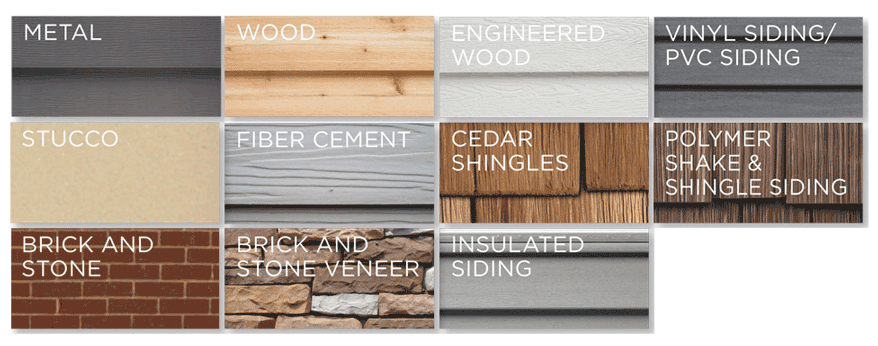
There’s no single number that applies to every home, because the material underneath the paint plays a bigger role than most homeowners realize. Here’s how it typically breaks down:
| Surface | Typical Lifespan | Why |
|---|---|---|
| Stucco (high-build or elastomeric system) | 10–15 years | Thicker, flexible film that can bridge hairline cracking where the wall calls for it |
| Stucco (premium acrylic) | 8–12 years | Performs well on sound stucco without active cracking |
| Brick | 10–15 years | Dense, stable substrate holds a breathable acrylic well |
| James Hardie® / fiber cement | 8–12 years | Stable board, but joints and cut edges need ongoing care |
| Wood siding | 4–8 years | Wood moves, absorbs moisture, and ages faster than manufactured siding |
| Engineered wood siding | 7–10 years | More stable than solid wood, still needs joint and edge maintenance |
| Vinyl siding (painted) | 5–8 years | Needs a flexible product that won’t crack as vinyl expands with heat |
| Aluminum siding | 5–8 years | Requires a bonding primer to address oxidation over time |
| Trim | 4–7 years | High-contact, high-visibility surfaces show wear first |
| Garage doors | 4–7 years | Large, sun-exposed panels fade and chalk faster than shaded walls |
| Front doors | 3–6 years | Direct sun and daily handling wear it faster than any other surface |
These are ranges, not guarantees. Actual lifespan varies with exposure, preparation, previous coatings, substrate condition, maintenance, and product selection.
One pattern worth knowing before you budget: trim, doors, and horizontal details frequently need attention before the larger field of the wall does. A homeowner who plans a full repaint around the body of the house and ignores the trim is usually planning around the wrong number.
Why Two Florida Homes Painted the Same Year Can Age Completely Differently
This is the question behind most of the calls we get: why did the neighbor’s paint last longer?
The honest answer is that “painted the same year” describes almost nothing about how two exteriors will perform. What actually separates them:
Substrate. Stucco, fiber cement, and wood siding have different service ranges before anything else is considered.
Orientation and shade. West-facing walls and garage doors commonly fade or chalk well before shaded elevations on the same house. Meanwhile a north-facing wall may develop mildew long before its color visibly fades. We regularly inspect homes where two elevations look several years apart in age — same paint, same day of application.
Sprinkler contact. A section struck by irrigation daily can age very differently from the wall two feet to its left. It’s one of the most localized wear patterns we see, and one of the easiest to fix.
Vegetation. Shrubs and branches close to the walls slow drying and create conditions where mildew keeps returning.
Coastal exposure. Homes at the Beaches and along the Intracoastal face salt that inland communities like Mandarin, Orange Park, and Fleming Island don’t.
Preparation and previous coatings. The condition of the coating already on the wall carries forward into the next cycle. A home painted over chalk, or over a layer that had already lost adhesion, can start its clock at a disadvantage that no product fully corrects.
Color and application conditions. Both are covered in detail below, and both move the number more than homeowners expect.
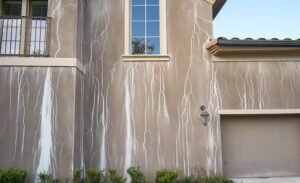
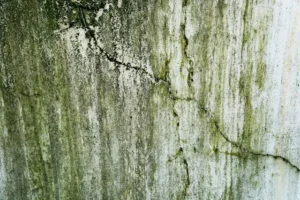
What Does Exterior Paint Failure Look Like?
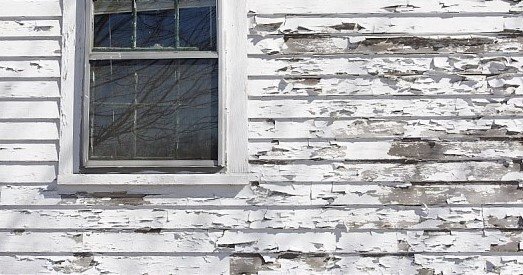
Visible wear doesn’t automatically mean a full repaint. What you’re looking at, and what’s underneath it, determines whether you need a contractor this year or a cleaning and another two years of service.
| What You See | Possible Cause | Does It Mean You Need to Repaint? |
|---|---|---|
| Fading | UV exposure, especially on south- and west-facing walls | May initially be cosmetic. Severity and the coating’s overall condition determine whether it’s time. |
| Chalking | Natural weathering and binder degradation under UV | Light chalking is normal late in a coating’s life. Heavy chalking must be removed or stabilized before repainting. |
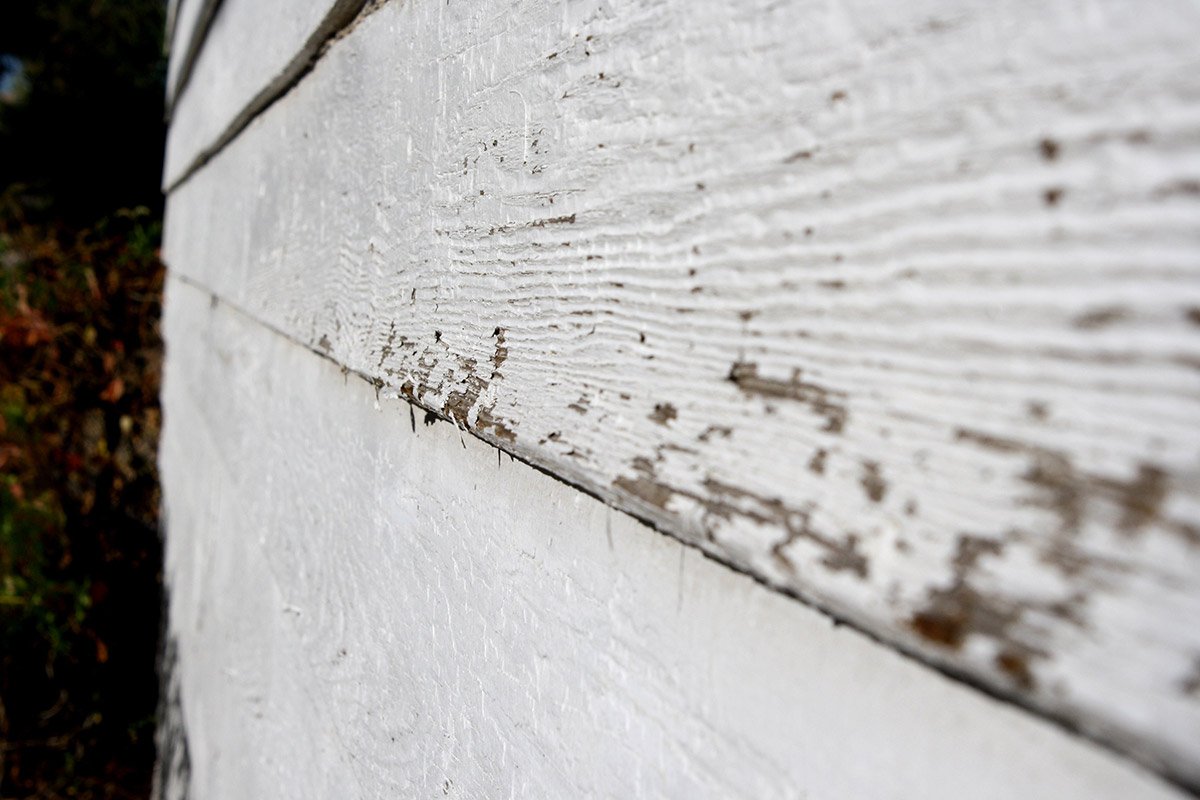
| Peeling | Adhesion failure — moisture, contamination, poor preparation, incompatible coatings, or failure of an older underlying layer | The cause should be diagnosed before recoating. Painting over it risks repeating the failure. |
| Mildew | Shade, humidity, nearby vegetation, slow drying | Often cleaning and treatment rather than repainting, if the coating is still sound. |
| Hairline stucco cracks | Normal movement, shrinkage, thermal cycling, or substrate conditions | Repair and evaluate before painting. Cracking alone doesn’t mean the coating has failed. |
| Failed caulk | Aging, joint movement, UV exposure | Localized maintenance may be enough if the surrounding coating is healthy. |
| Soft or rotted wood | Moisture intrusion or prolonged exposure | Repair the substrate first. Paint protects sound wood; it can’t restore compromised wood. |
| Efflorescence | Moisture moving through masonry and depositing minerals at the surface | Address the deposits and ideally the moisture source before coating. |
Florida’s Climate: Why It’s Different Here
Homeowners routinely apply national “how long does paint last” averages to a Jacksonville home, then are surprised when local results don’t match.
UV radiation is intense for most of the year, breaking down paint binders and fading pigment faster than in cooler, cloudier regions. This is what produces chalking.
Humidity keeps surfaces damp longer after rain, which extends drying times before painting and feeds the conditions mildew needs to establish.
Salt air near the coast accelerates coating breakdown and corrodes exposed hardware faster than inland exposure.
Thermal expansion — the daily swing between a hot afternoon and a cooler evening — works caulk lines and joints open gradually over the years, and drives the hairline cracking that shows up on nearly every stucco home eventually.
Storms and heavy rain put more water against exterior surfaces here than in most climates, which is exactly why caulking, crack repair, and proper priming carry more weight in Florida than they would somewhere drier.
For a deeper look at how these factors interact, see our Exterior Painting Resource Center.
What Type of Exterior Paint Lasts Longest in Florida?
There isn’t one product that outlasts everything else on every house. The coating that lasts longest is the one matched correctly to the substrate, its condition, and its exposure. That said, some patterns hold up consistently here.
100% Acrylic Latex Paint
For most Florida exterior applications, a high-quality 100% acrylic latex paint is a strong default:
- Flexibility — it moves with substrates as they expand and contract through daily heat cycles instead of cracking
- Adhesion — it bonds well to a properly prepared surface across a range of common substrates
- UV resistance — premium acrylic binders resist breakdown under sustained Florida sun better than lower-tier formulations
- Color retention — noticeably better on deeper and more saturated colors
- Moisture-vapor permeability — it lets water vapor escape rather than trapping it in the wall
That’s a default, not a universal answer. Metal, factory-finished components such as garage doors and steel or fiberglass entry doors, specialty masonry, and problem surfaces with staining or adhesion issues may call for different primers or coating systems.
Stucco Coating Systems
Stucco is where product selection goes wrong most often, usually because someone chose a coating before assessing the wall. The right system depends on existing cracking and whether it’s stable or active, the wall’s porosity, what coating is already on it, moisture conditions, and the condition of previous repairs.
A premium acrylic masonry coating is entirely appropriate for sound stucco with limited, stable cracking. High-build masonry coatings and elastomeric systems earn their place where greater film build and crack-bridging genuinely address what the wall is doing. Using an elastomeric system as a default on every stucco home can add cost without necessarily adding meaningful performance when the wall condition doesn’t call for it.
Crack repair comes before coating selection, not the other way around. A high-build product over unrepaired cracking tends to hide the condition for a season and then telegraph it back through. Our stucco painting guide covers the selection process in detail.
Masonry-Specific Products
Brick and block are porous, and the governing consideration is moisture vapor. These substrates need coatings formulated for masonry that allow vapor to move out of the wall rather than trapping it inside. A generic wall paint may look fine initially and then fail on adhesion as trapped moisture works from behind.
Mildew Resistance
In Northeast Florida, mildew resistance isn’t an optional feature. It matters most on north-facing and heavily shaded elevations, homes with mature canopy or dense landscaping close to the walls, surfaces that dry slowly after rain or heavy dew, and lower wall areas catching irrigation overspray.
A mildewcide in the can can’t fix contamination left on the wall, though. Cleaning and treatment during preparation do the heavy lifting; the coating’s formulation extends how long that stays true.
Lighter vs. Darker Colors
Lighter colors reflect more heat and UV, which is why we tell clients all the time: the lighter the longer. Dark, saturated colors absorb significantly more heat and drive more thermal movement in the substrate beneath.
Modern premium products hold deep colors far better than earlier generations did, so this isn’t a reason to avoid a color you want. It’s a reason to weigh exposure when you choose one — a deep charcoal on a west elevation is a different proposition than the same color on a shaded north wall. See our guide on why dark exterior paint fades faster in Florida.
Builder-Grade vs. Premium Paint
Production-oriented coatings aren’t inherently bad paint. They’re formulated for a different job — covering efficiently, applying quickly, and meeting a price point — with legitimate uses on new construction and short-timeline projects.
Durability-oriented premium coatings prioritize binder quality, film strength and flexibility, UV resistance, mildew resistance, and color retention. Those differences show up over years rather than weeks.
If you’re planning to stay in the home and want to maximize the interval before the next painting project, the premium system is usually the better economics. If you’re selling in a few months, the calculation is different — and we’d rather say that than sell an upgrade nobody needs.
Surface Preparation: Why It Matters More Than the Paint Itself
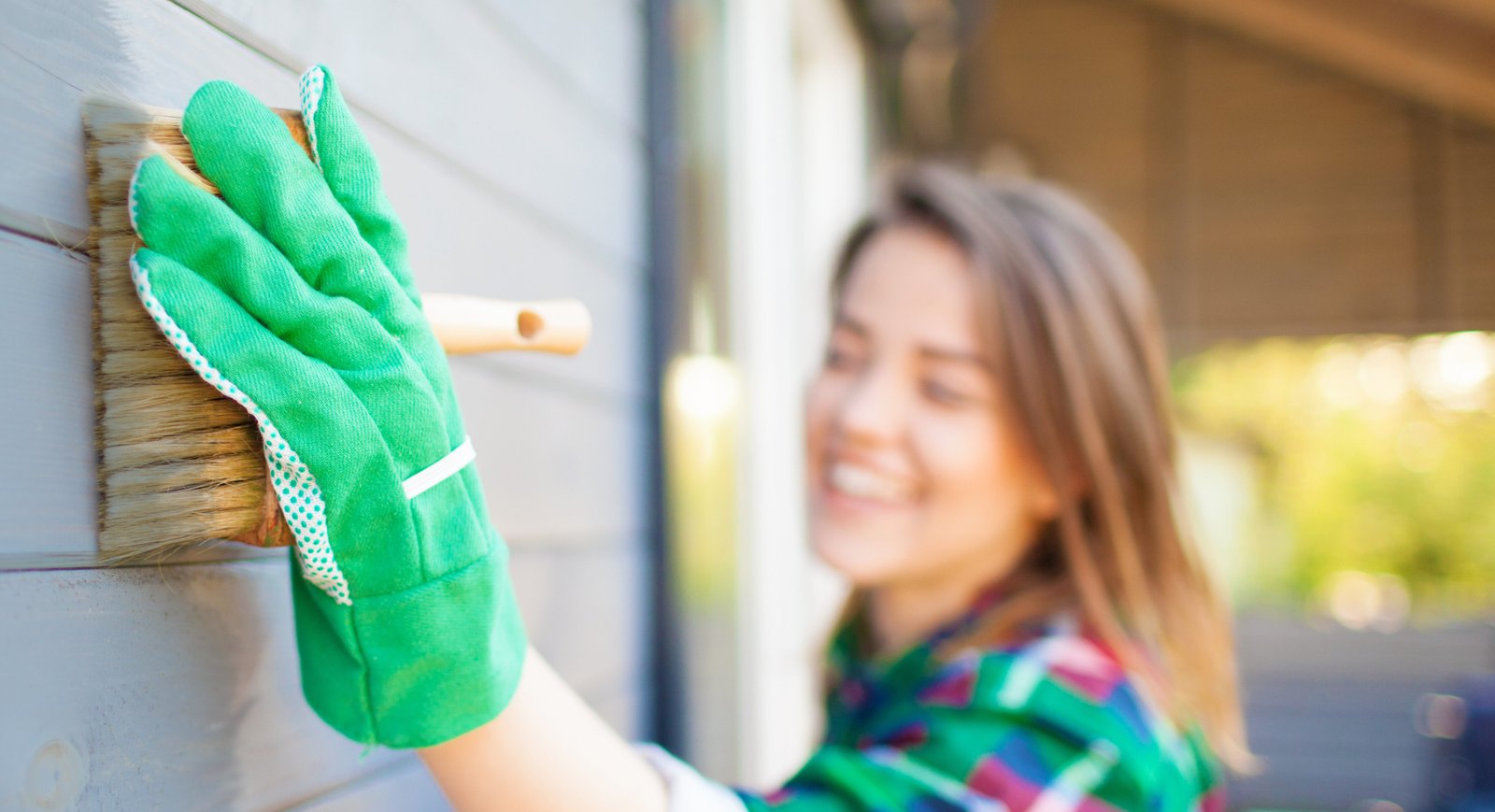
If there’s one adage we repeat to every client, it’s this: proper preparation prevents poor results. When we’re called to diagnose an early failure, the cause is often found in preparation, substrate condition, moisture, or application rather than the paint itself.
Pressure washing. Paint applied over dirt, chalk, mildew, or pollen tends to bond to the contamination rather than the wall, and that bond is prone to early failure.
Chalk removal and mildew treatment. Separate steps from a general wash. Heavy chalk has to come off down to a stable surface, and biological growth has to be treated rather than rinsed — a wall can look clean while still carrying contamination that interferes with adhesion or reappears within months.
Scraping and sanding. Loose or peeling paint has to come off down to a sound surface. Painting over failing paint buries the problem under a new coat that’s likely to fail the same way.
Wood repair. Soft, rotted, or damaged wood needs to be repaired or replaced before painting. See our wood rot and carpentry repair services for how that fits into a project.
Stucco repair. Hairline cracks and larger defects should be repaired — and in some cases bridged with an appropriate system — before painting rather than coated over.
Caulking. Fresh, flexible caulk at joints, seams, and transitions keeps water from getting behind the wall system. Old, cracked, or separated caulk should be removed and replaced, not painted over.
Priming. Many premium exterior paints are marketed as “paint and primer in one,” but that does not eliminate the need for a dedicated primer on bare wood, repairs, stains, chalky surfaces, highly porous substrates, or surfaces requiring specialized adhesion. The phrase generally describes enhanced hide and build rather than a literal substitute for a specialty primer. Primer selection should match the substrate, its existing condition, the topcoat going over it, and the specific problem being solved — the right primer for bare cedar isn’t the right primer for chalked stucco or for tannin bleed.
Coating-system selection and film build. The finish has to suit the substrate and be applied at the coverage rate and film thickness the manufacturer specifies.
Early failures we diagnose commonly trace back to one of these: poor surface preparation, moisture that was never found, an underlying substrate problem, a previous coating that had already lost adhesion, or an application issue. The answer is rarely as simple as “bad paint.” See our full guide to why surface prep matters.
Application Conditions Can Shorten — or Extend — Paint Life
Product quality and preparation get most of the attention, but the conditions on the days the work actually happens matter more than homeowners realize. A premium system applied under the wrong conditions can underperform a mid-tier system applied under the right ones.
Surface Temperature
Air temperature and surface temperature aren’t the same thing. A wall in direct afternoon sun can run considerably hotter than the air around it, and paint applied to a wall that’s too hot may dry too quickly to level or cure as intended. Every coating carries manufacturer-specified surface temperature limits, and working outside them compromises the film regardless of what the label promises.
Direct Sunlight and Sequencing
This is why experienced crews sequence elevations by sun exposure rather than simply starting on one side and working around the house. On a Florida exterior, the side of the house being painted at 9 a.m. may not be the side that should be painted at 2 p.m.
It looks like slower progress from the driveway. It isn’t — it’s the difference between a film that cures properly and one that doesn’t.
Moisture and Drying
A surface can look dry well before it’s actually ready to coat. Humidity slows evaporation, porous substrates hold water longer than they appear to, and shaded elevations under tree canopy can still be holding moisture hours after a sunny wall has dried.
Pressure washing and rainfall both require adequate drying time, and that time varies by substrate, exposure, airflow, and the day’s conditions rather than following a fixed schedule. Coating over trapped moisture is a common contributor to early failure, and it’s invisible at the time — nothing looks wrong when the crew packs up.
Weather Windows
Florida’s summer pattern — clear mornings building into fast afternoon storms — means the workable window on a given day is often narrower than the daylight suggests. Add humidity slowing cure, evening dew forming on surfaces coated too late in the day, and rain risk inside a product’s recoat window, and scheduling becomes a real part of the craft.
Experienced painters plan around conditions. That may mean starting on a different elevation than expected, stopping earlier than the daylight allows, or pushing a day. A crew that simply paints whenever it happens to be on site is making a scheduling decision the homeowner can end up paying for later.
Film Build
“One coat” and “two coats” are less meaningful than most homeowners assume. What matters is achieving the manufacturer’s recommended coverage rate and film thickness for that surface and system.
One coat may be entirely appropriate in some repaint situations. Significant color changes, weathered or porous surfaces, repaired areas, and certain coating systems may require additional material to reach specified build. Two thin coats sprayed too fast can deliver less film than one properly applied coat. Material records at project completion are a reasonable thing to ask any contractor for.
Maintenance: Extending the Life of Your Paint Job
A few consistent habits meaningfully extend how long exterior house paint lasts between full repaints:
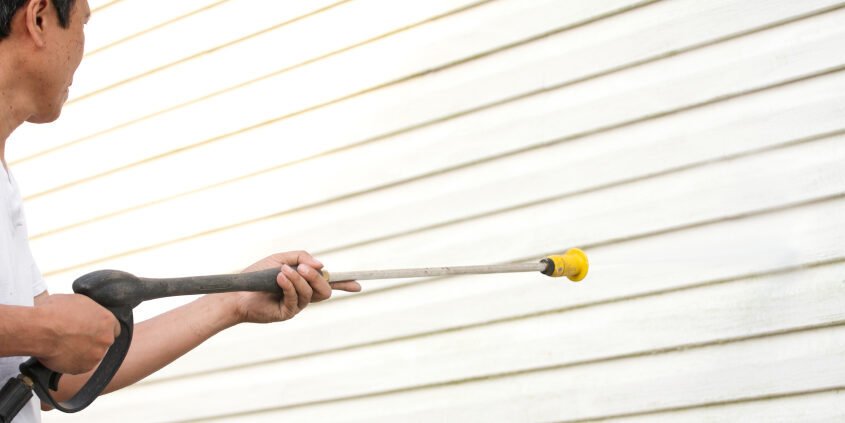
- Annual washing — removes dirt, pollen, and early mildew before they degrade the coating. It also removes the buildup that makes paint look faded when it isn’t.
- Inspect caulk — check trim, window, and joint caulk periodically and replace it as it ages rather than waiting for the full repaint cycle.
- Trim vegetation — keep trees and shrubs back from exterior walls to reduce shade-driven mildew and slow drying.
- Touch up chips — far easier to address while they’re small, before moisture gets behind the coating at that spot.
- Repair cracks promptly — especially on stucco, where a hairline crack today is a moisture entry point tomorrow.
- Wash coastal homes more frequently — salt residue accelerates coating breakdown near the water.
- Adjust sprinklers — irrigation heads striking the exterior daily accelerate wear in that spot. Changing the spray pattern is a simple fix with an outsized benefit.
Common Mistakes That Shorten a Paint Job
The pattern across projects we’re called to fix is a familiar one — steps skipped to save time or money up front.
- Choosing on price alone — on either the paint or the contractor. The gap between bids almost always comes down to what’s included in prep and materials.
- Poor preparation — skipping the wash, scrape, or sand steps that give paint something solid to bond to.
- Painting dirty surfaces — applying over dirt, chalk, or mildew residue instead of a clean substrate.
- Skipping repairs — coating over rotten wood, cracked stucco, or damaged siding instead of fixing it first.
- Ignoring moisture — painting a wall with an active leak or drainage problem the paint can’t solve.
- Painting too soon after washing — a surface that looks dry isn’t always dry, particularly in Florida humidity.
- Working outside application conditions — applying to hot surfaces, in the wrong sequence, or inside a rain or dew window.
- Inadequate film build — not reaching the coverage and thickness the system requires.
Frequently Asked Questions
How often should I paint my house exterior in Florida?
Most Jacksonville and Northeast Florida homes need exterior repainting somewhere between every 5 and 15 years, driven mainly by surface type, exposure, and how well the last job was prepared. Stucco and brick tend toward the longer end; wood siding, trim, and doors toward the shorter end. Condition matters more than the calendar — a six-year-old exterior with peeling paint and failed caulk needs attention before a well-maintained ten-year-old one does.
Does darker exterior paint fade faster in Florida?
Yes. Dark, saturated colors absorb significantly more heat and UV than lighter colors, which accelerates fading and general wear. The lighter the longer — light colors in a quality product generally outlast dark ones in the same conditions. Our guide on why dark exterior paint fades faster in Florida covers this in detail.
How long does Sherwin-Williams exterior paint last?
Premium Sherwin-Williams exterior coatings can provide many years of service when properly selected and applied, but actual lifespan varies significantly by the exact product, substrate, preparation, exposure, color, moisture, application, and maintenance. The surface-by-surface ranges in the table above are a better planning guide than any single figure attached to a brand.
Can exterior paint last 20 years in Florida?
It’s possible in exceptional circumstances — a stable masonry substrate, excellent preparation, a premium coating system, favorable exposure, and consistent maintenance can all stack in a home’s favor. But 20 years should not be treated as a normal expectation for a Florida exterior. Plan against the ranges above and treat anything beyond them as a bonus.
Does humidity shorten exterior paint life?
Yes. Humidity extends drying times, increases the risk of trapped moisture behind a coating applied too soon, and creates favorable conditions for mildew — all of which shorten a paint job’s effective lifespan if not accounted for during the project.
Does stucco need repainting sooner than other surfaces?
Not necessarily. Stucco with an appropriate coating system often lasts as long as or longer than other exterior surfaces. What matters more is whether cracking and moisture issues were properly addressed before painting, and whether the coating suits the wall’s condition.
Does premium exterior paint really matter?
Yes, more than most homeowners expect. The gap in UV resistance, mildew resistance, and color retention between builder-grade and premium acrylic latex paint is real, and it shows up directly in how many years you get before repainting again. It still can’t compensate for poor preparation.
Not Sure How Much Life Your Exterior Paint Has Left?
A repaint isn’t automatically necessary because a certain number of years has passed. The better question is what condition the coating and the substrate are actually in.
An exterior evaluation looks at chalking, fading, and peeling and what each is telling us; stucco cracking and failed caulk; wood and siding condition; what previous coatings are on the wall and whether they’re stable; moisture and sun exposure by elevation; and which coating systems make sense for what we find. Sometimes the answer is that your current coating has several good years left and a cleaning is all it needs. We’d rather tell you that.
A New Leaf Painting Contractors has served Jacksonville and Northeast Florida since 2001, with 750+ verified five-star reviews and thousands of completed projects. We’re insured, EPA Lead-Safe Certified, and hold a Duval County Certificate of Competency.
Explore our exterior painting services or see real project examples in our project portfolio. For a written, itemized estimate, request a free evaluation or call 904-615-6599.
Continue Learning About Exterior Painting
Planning Your Project
- How Often Should You Paint Your House?
- Exterior House Painting Cost Guide
- The Ultimate Guide to Exterior House Painting: Costs, Services & Tips
- Exterior Painting Services
Paint Systems & Longevity
- Why Surface Preparation Determines How Long Exterior Paint Lasts
- Choosing the Best Exterior Paint for Florida Homes
- Best Exterior Paint for Florida Sun & Humidity
- Why Exterior Paint Fails Before Its Time
- Choosing Exterior Paint Colors That Last Longer
Surface-Specific Guides
- Complete Guide to Painting Stucco Homes
- James Hardie® Siding Painting Guide
- Why Wood Rot Should Be Repaired Before Painting
Hiring the Right Contractor