Featured video testimonial
They were professional, kept us updated, and the results are amazing.”
Repeat Client After 14 Years
Exterior Painting · Orange Park, FL
Interior & Exterior Painting Across Northeast Florida
Serving Jacksonville and Northeast Florida with interior and exterior painting, cabinet painting, stucco repair, and wood rot repair. Skilled craftsmanship, careful preparation, premium materials, and clear communication — for results built to last.
Expert Painting & Repairs That Protect Your Home — Since 2010
A New Leaf Painting Contractors is a locally owned Jacksonville painting company serving Northeast Florida homeowners and businesses since 2010. We provide interior and exterior painting, cabinet painting and refinishing, and drywall, stucco, and wood rot repairs—all coordinated by one accountable team. From your first estimate to the final walkthrough, expect careful preparation, protected spaces, clean work areas, and clear communication.
15+
years, since 2010
5,000+
projects completed
700+
reviews
Recognized Across Northeast Florida. Recommended by Your Neighbors.






WHAT WE PAINT & REPAIR
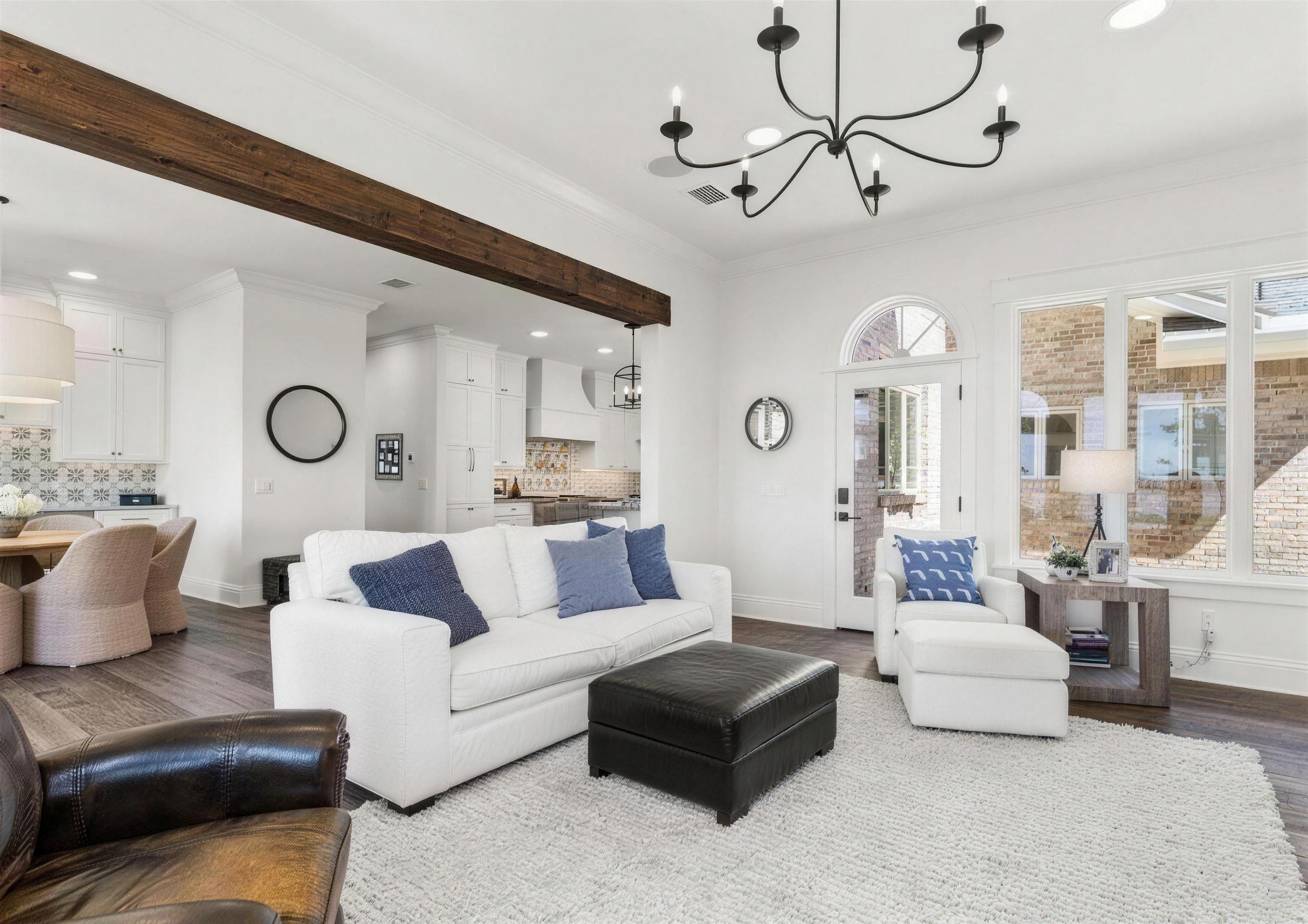
Walls, ceilings, trim, and doors finished with careful preparation, clean work areas, and protection for your floors and furnishings
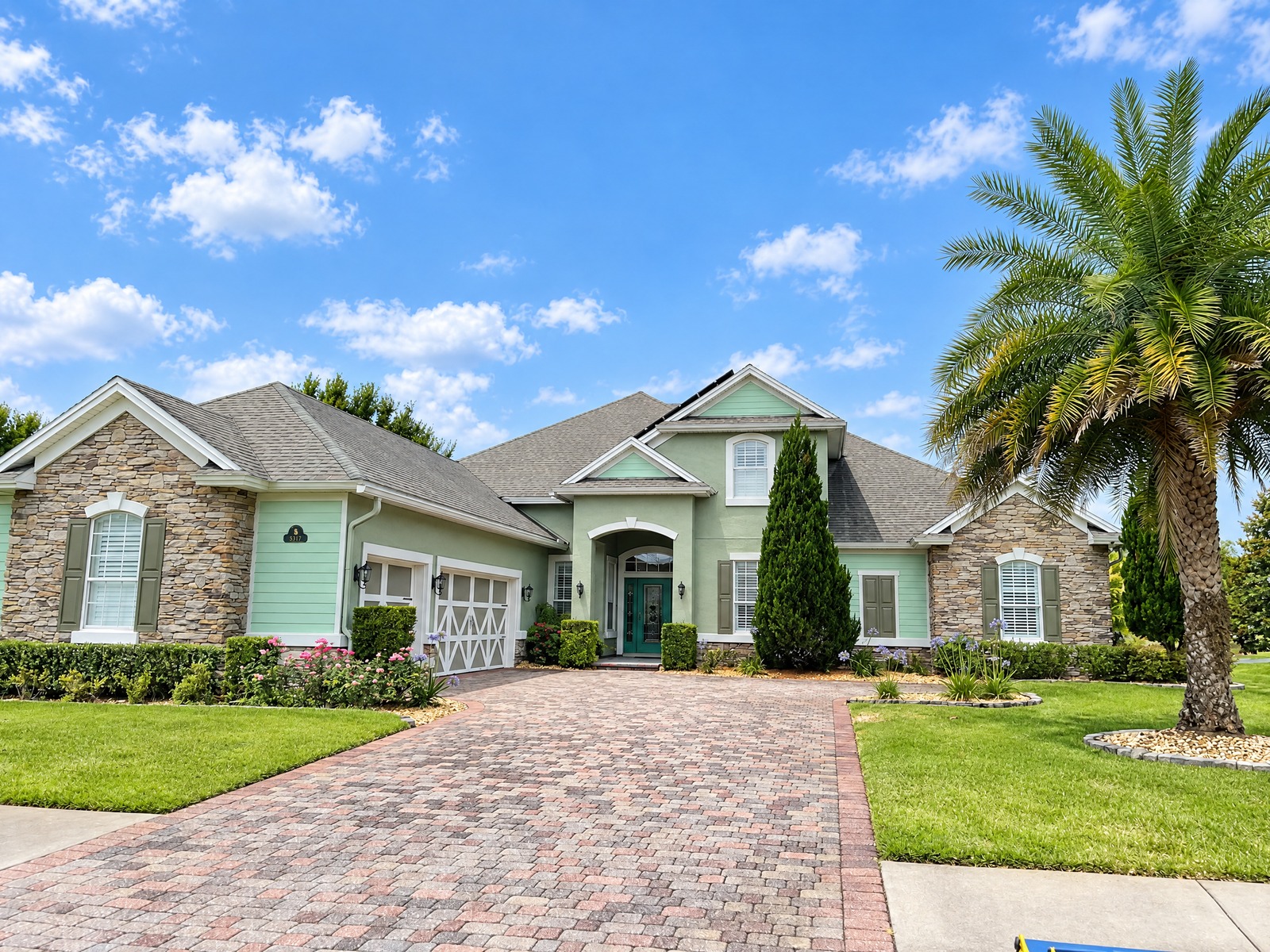
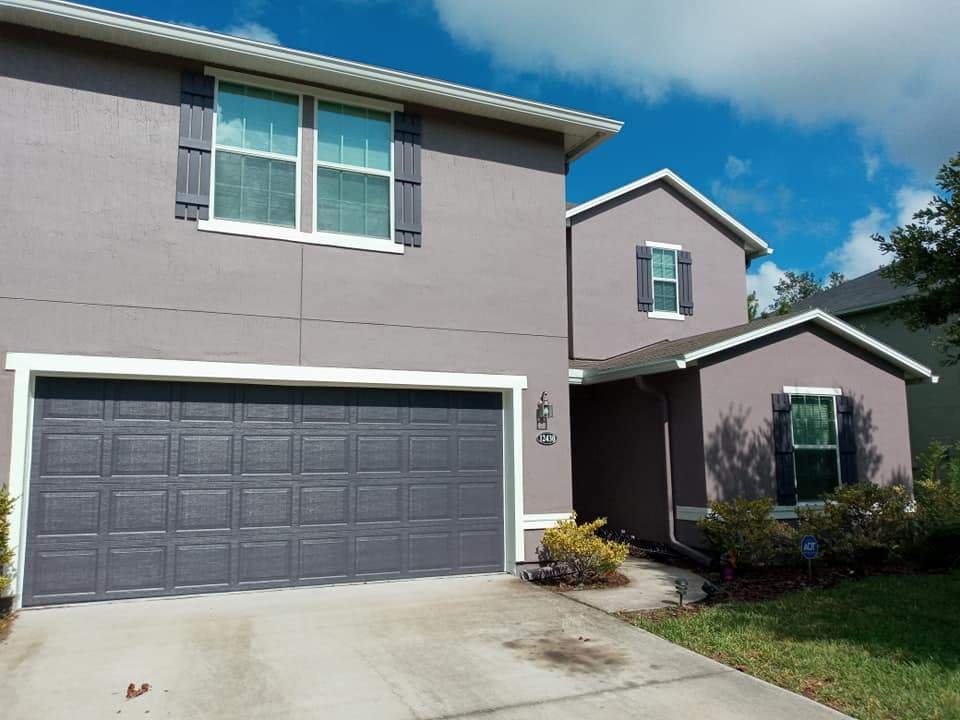
Painting for stucco, siding, trim, and doors, with surface preparation, needed repairs, and coatings selected for Florida conditions
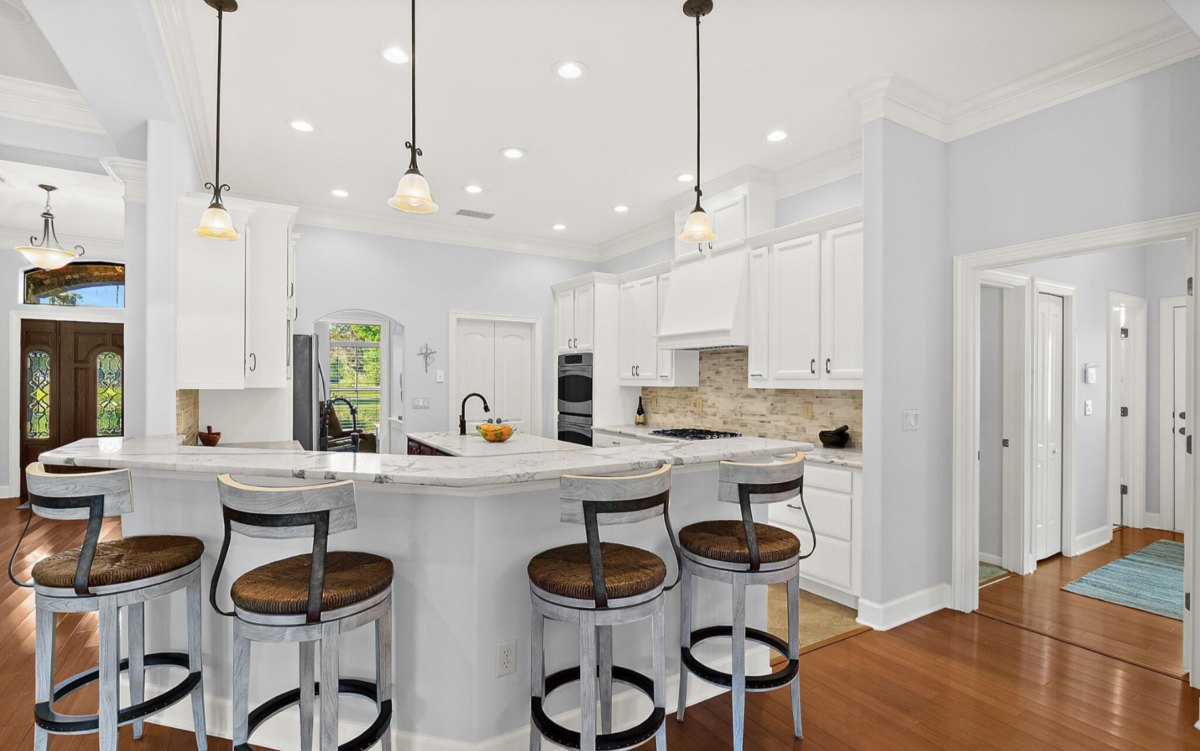
Update worn or dated cabinets with thorough cleaning, preparation, and coatings selected for a smooth, durable finish
Repair damaged stucco, address cracks, and prepare surfaces for an exterior coating system suited to your home
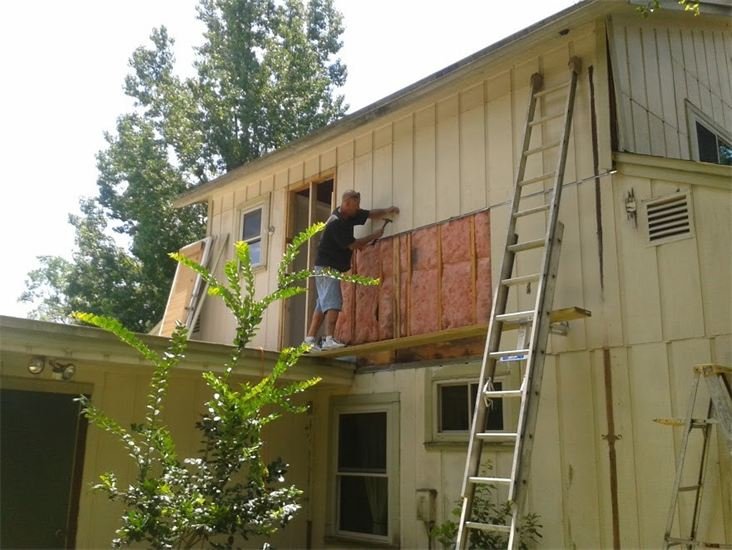
Repair or replace deteriorated trim, fascia, siding, and door frames as part of a coordinated exterior painting project
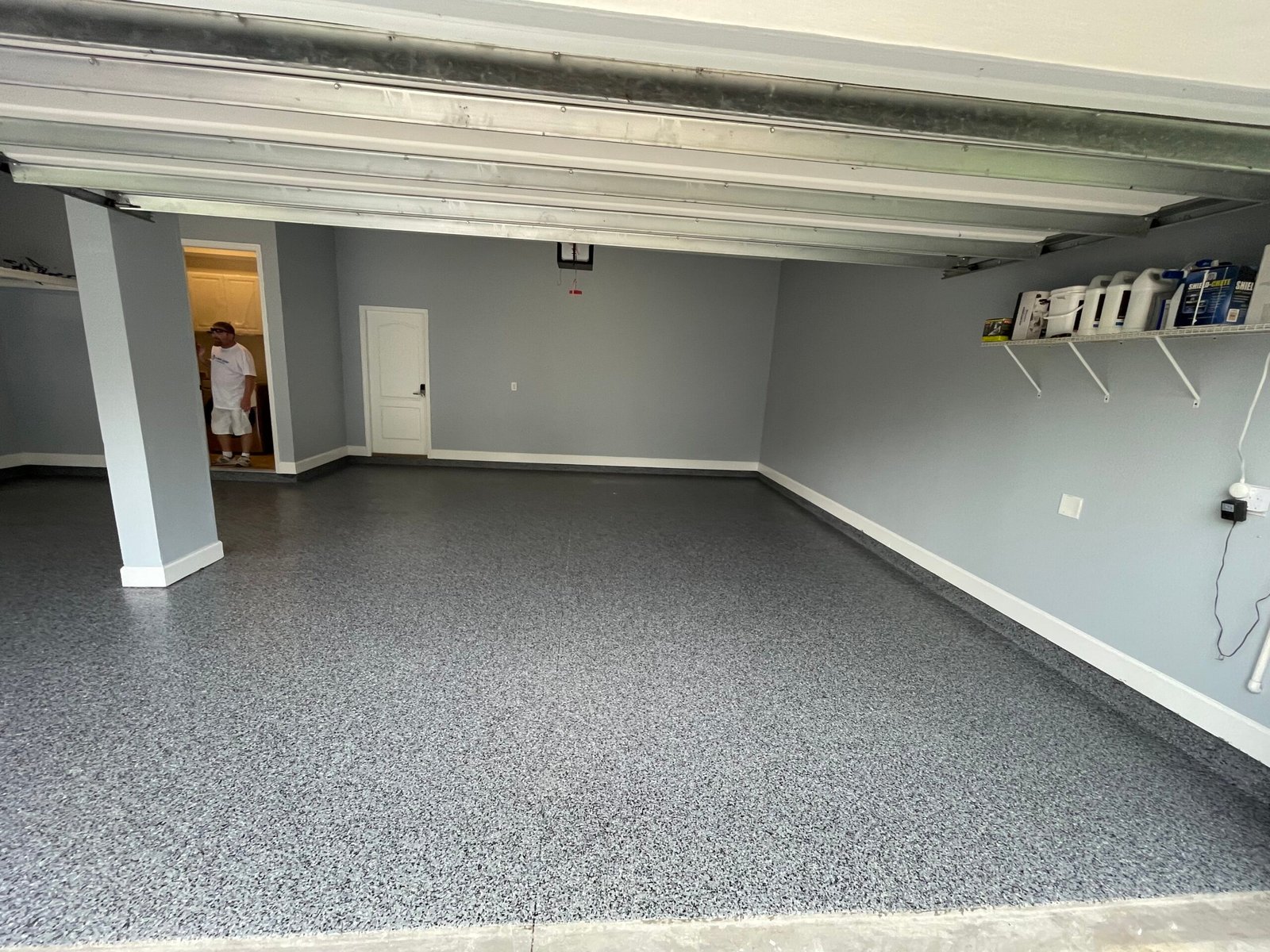
Epoxy and polyaspartic coating options with concrete preparation and finishes selected for the space and intended use
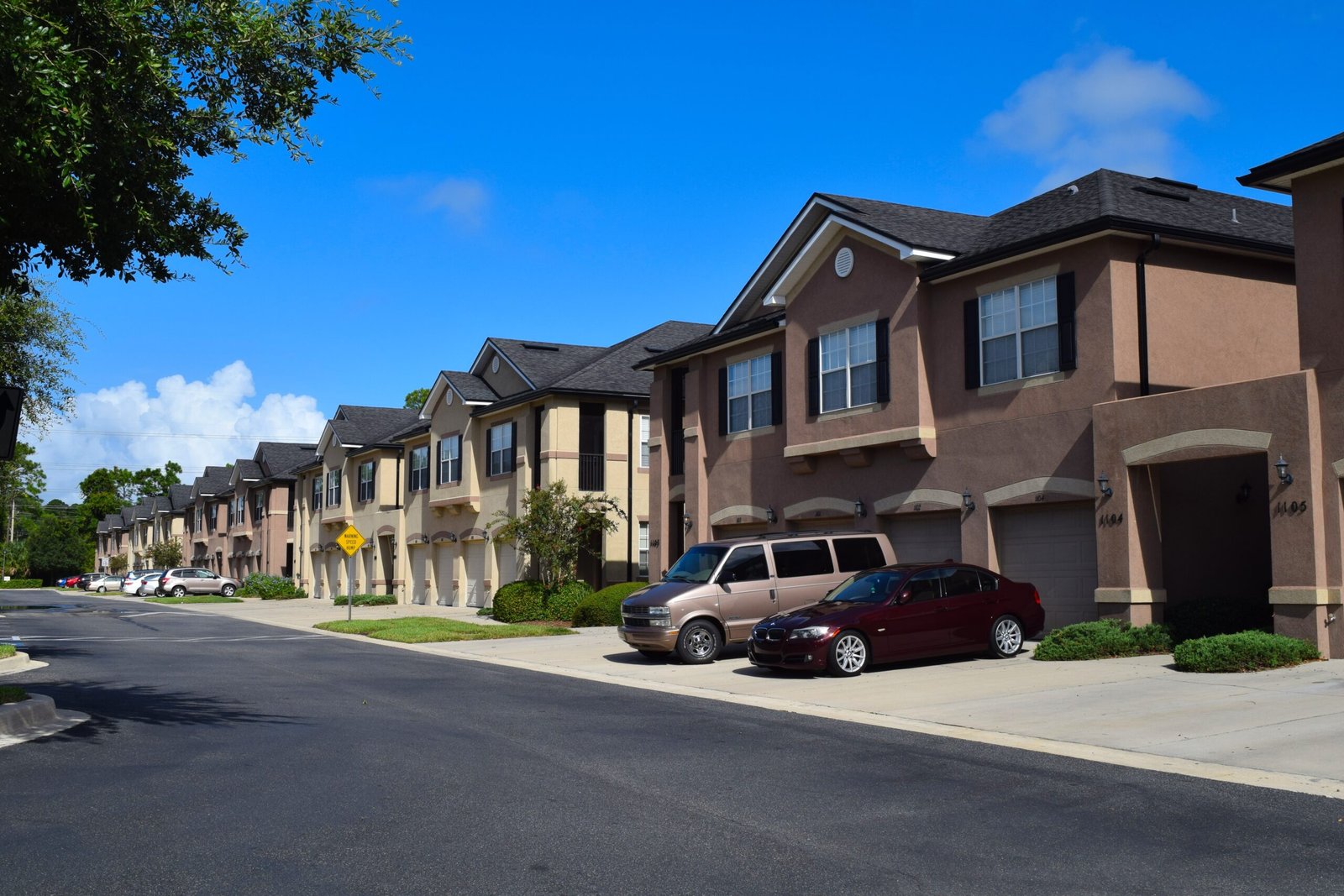
Interior and exterior painting for offices, retail spaces, HOAs, churches, and other commercial properties, with scheduling planned around your operations
Our Peace of Mind Painting Experience
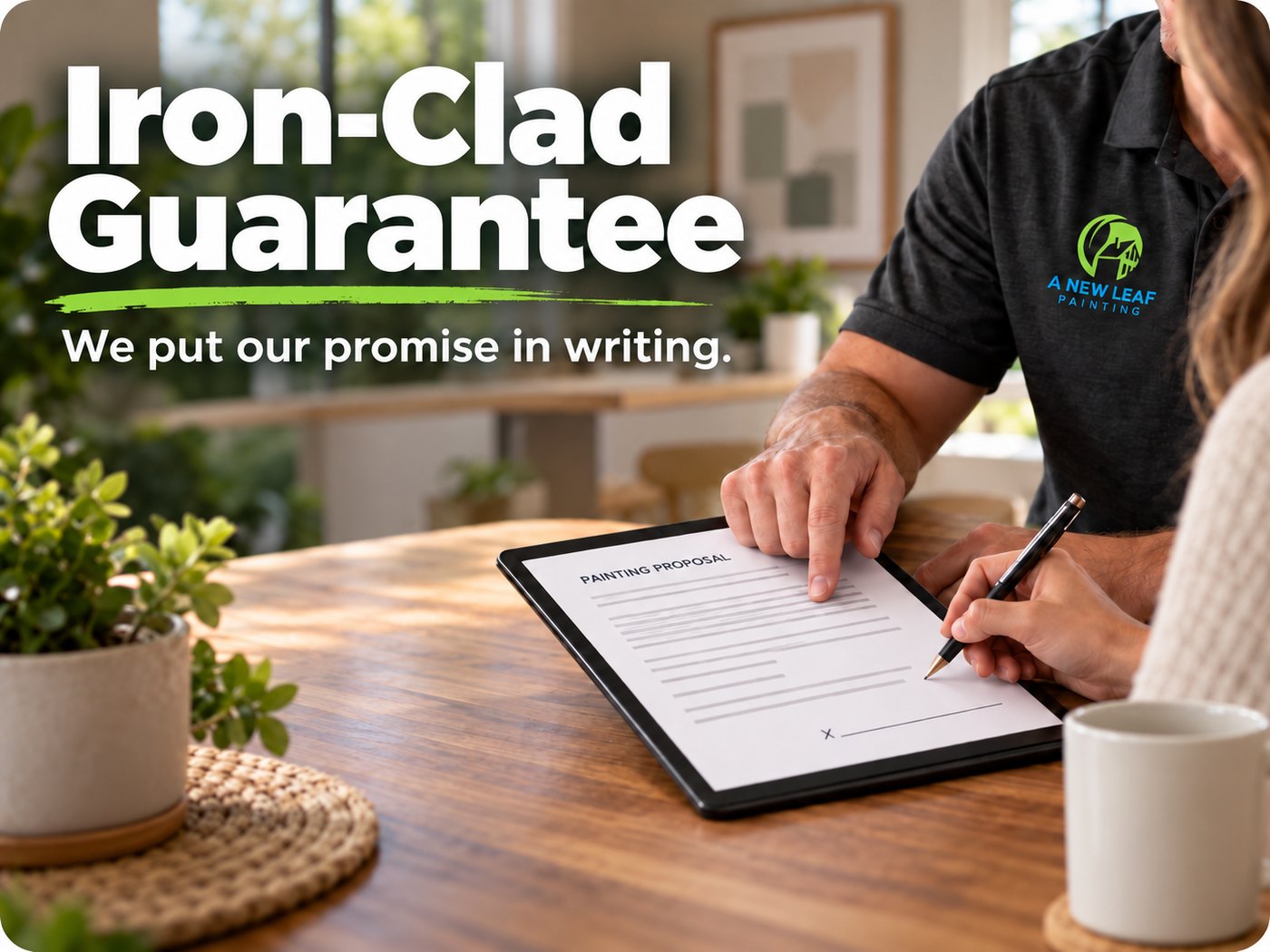
Most painters promise good work. We put it in writing: professional results, or your paint is 100% free.
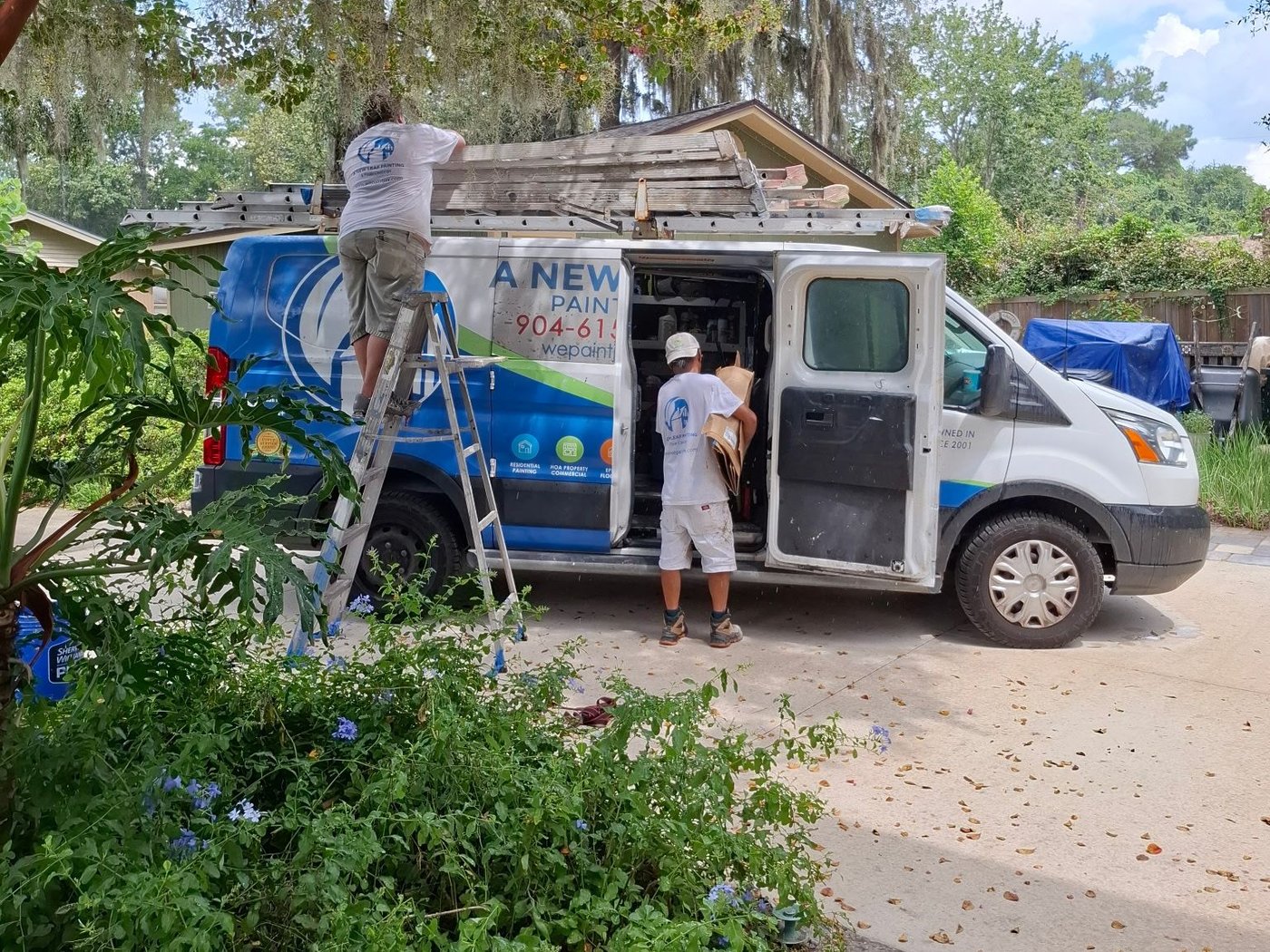
Experienced, background-checked painters who keep clean job sites and hold the same standard in every room.
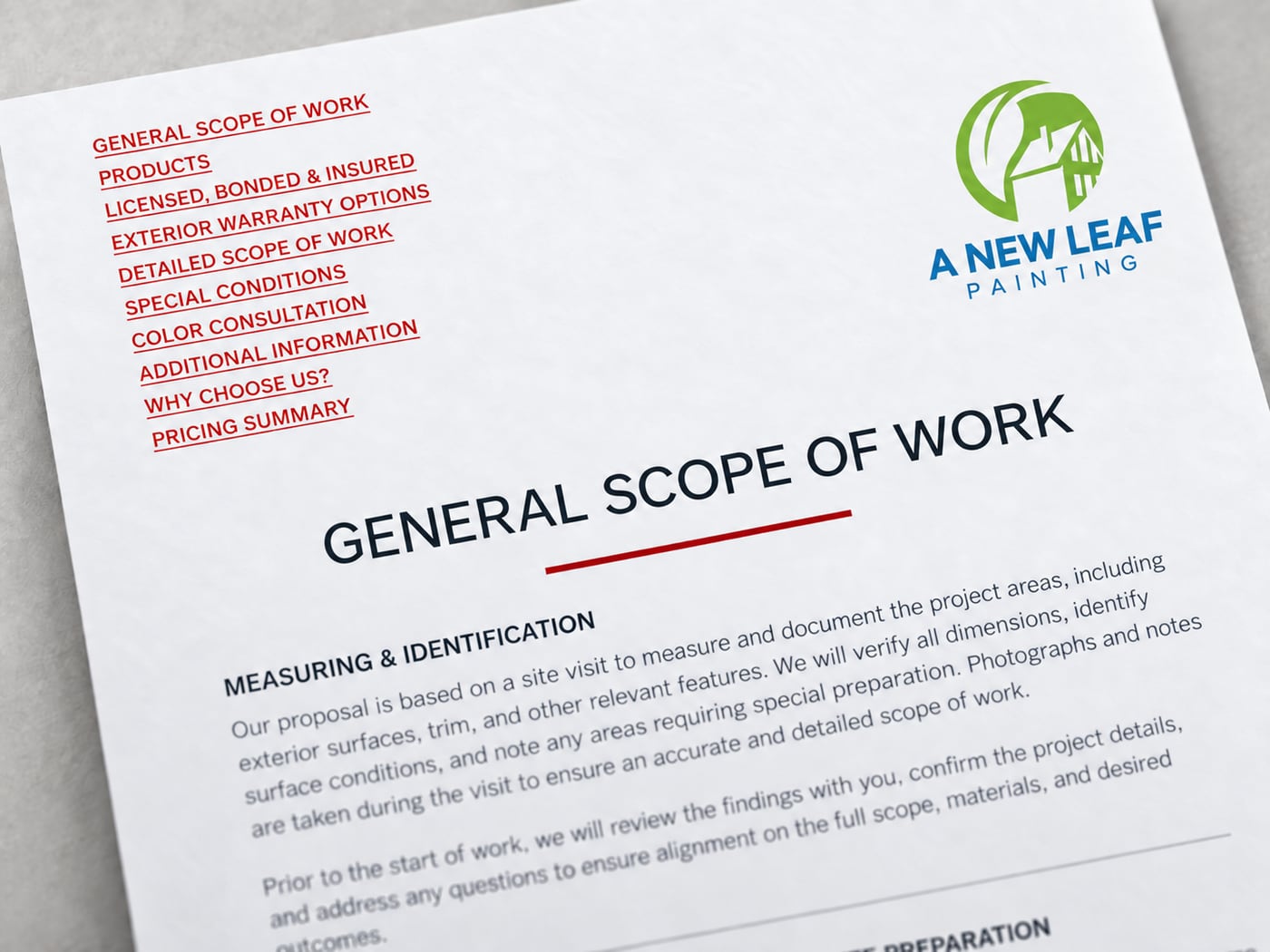
The details go in writing before work begins: a written scope, clear responsibilities, and warranty coverage of 2 years interior, 5 years exterior.
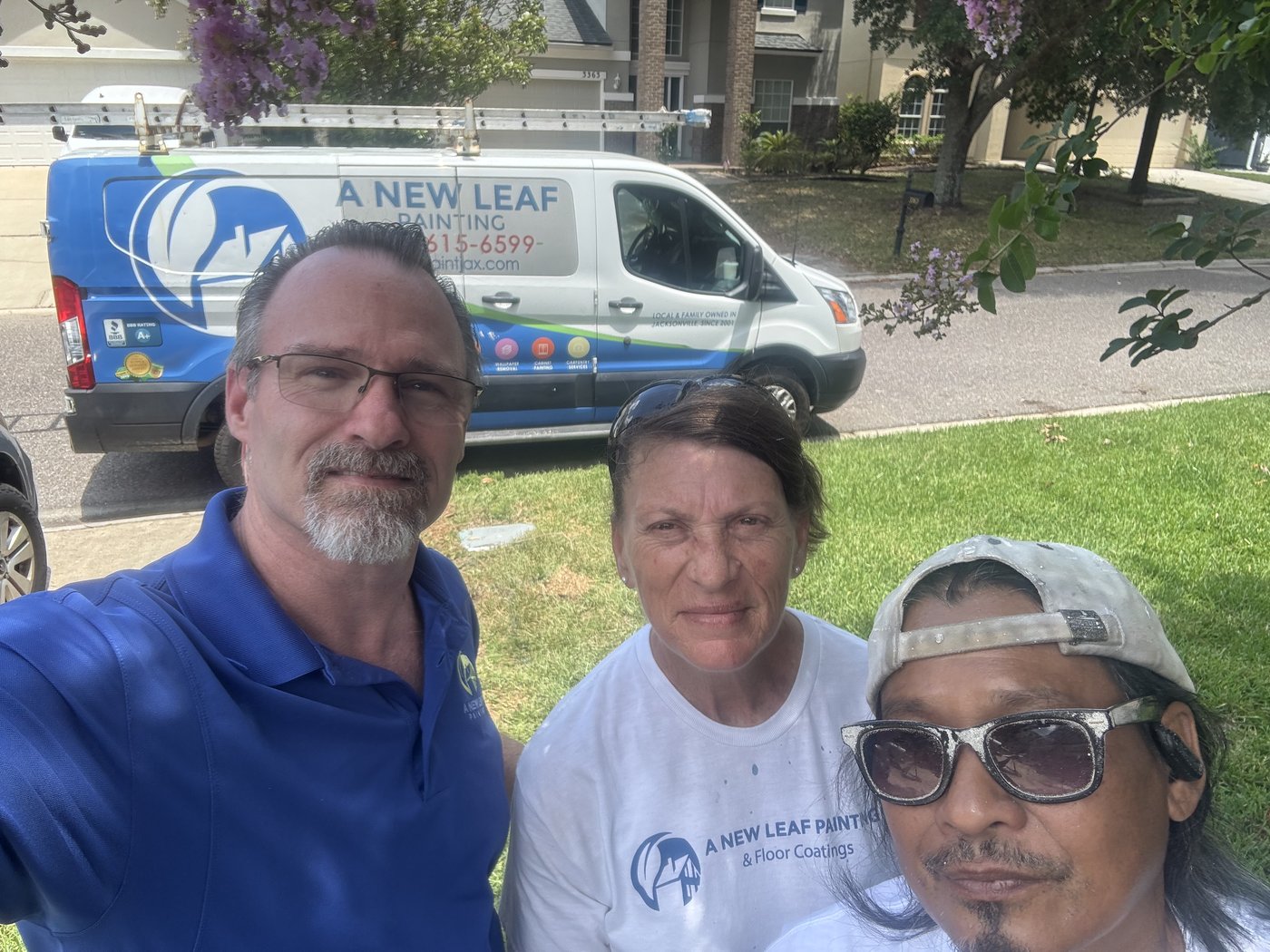
Thomas, our owner, stays reachable through the whole project. Questions get answered by the person accountable for the work.
Contact us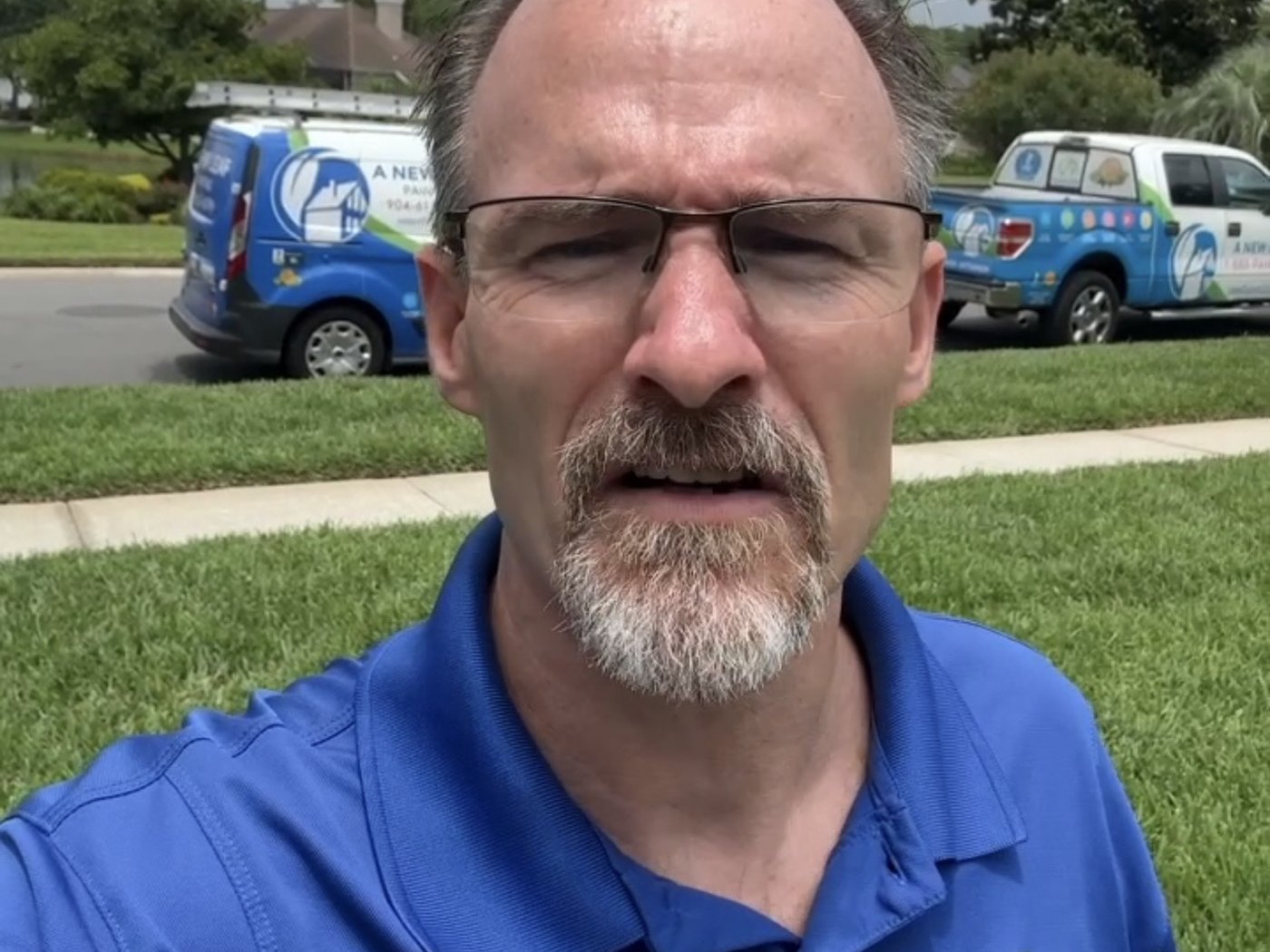
Licensed, insured to $3M, and Google Guaranteed, so the work in your home is covered, not just promised.
Google Guaranteed, with 700+ reviews across Google, Angi, Houzz, and Facebook. Don’t take our word for it.
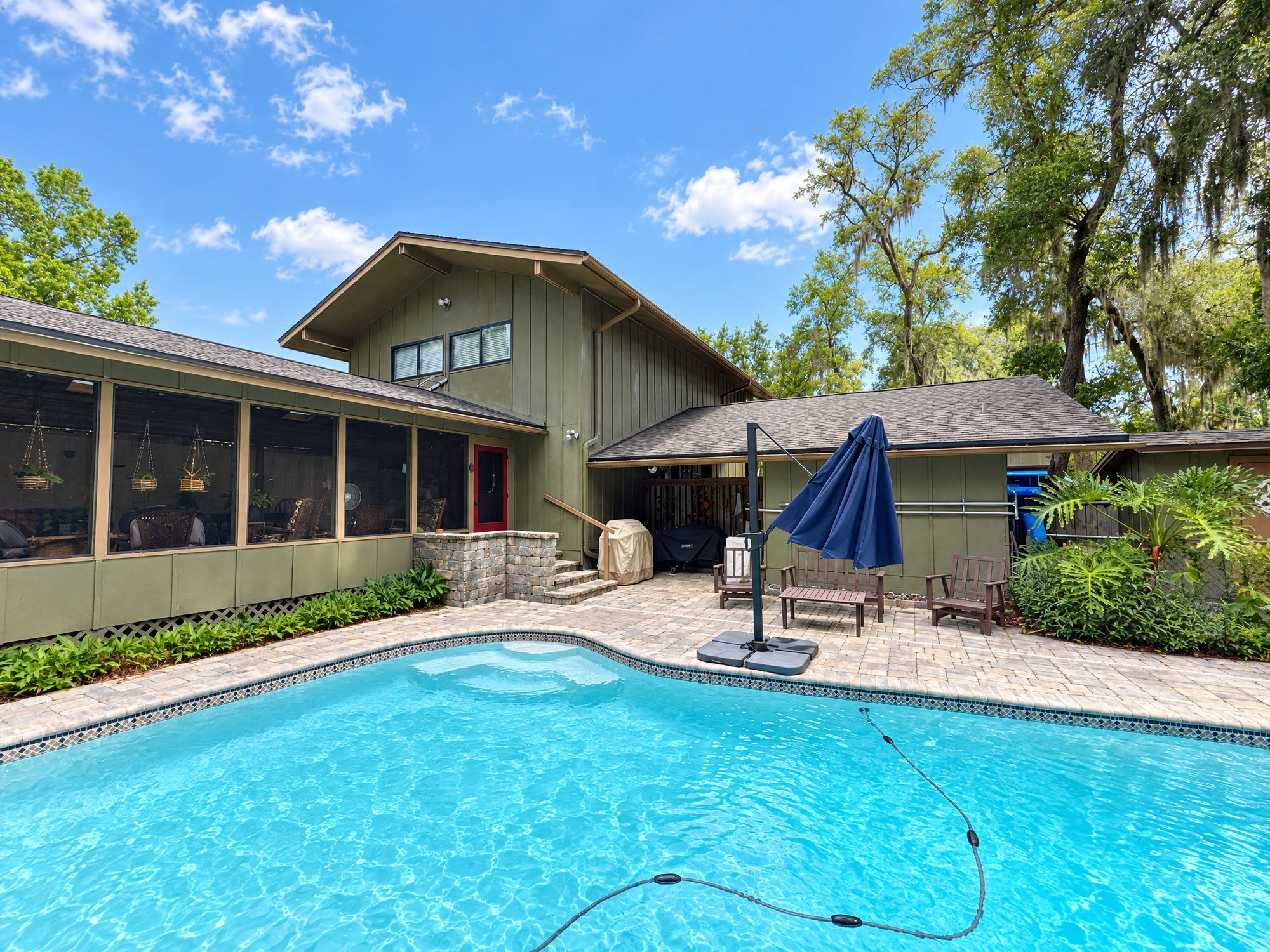
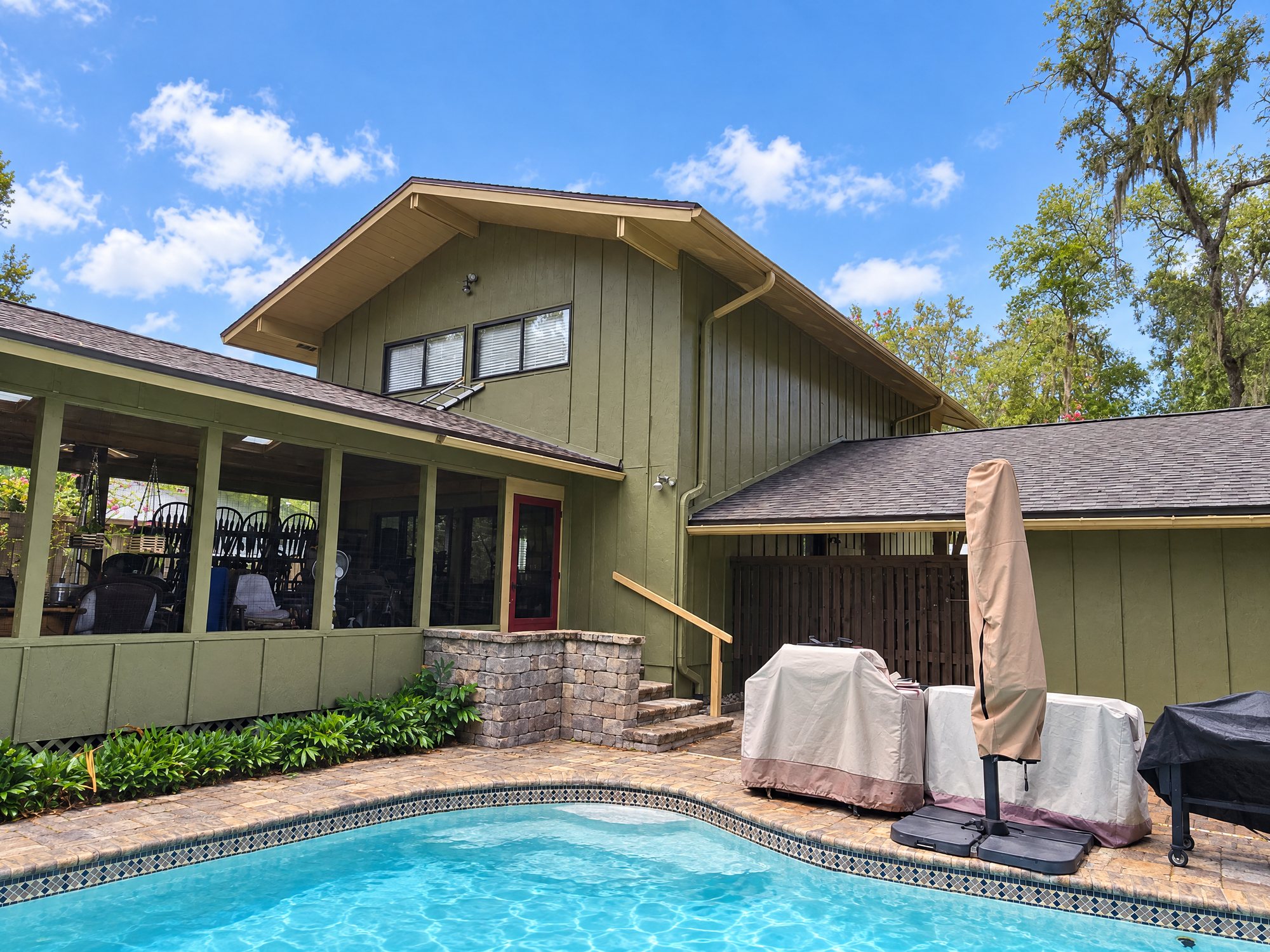
Read our reviewsExterior Painting, Before and After
See the difference preparation and professional workmanship make.
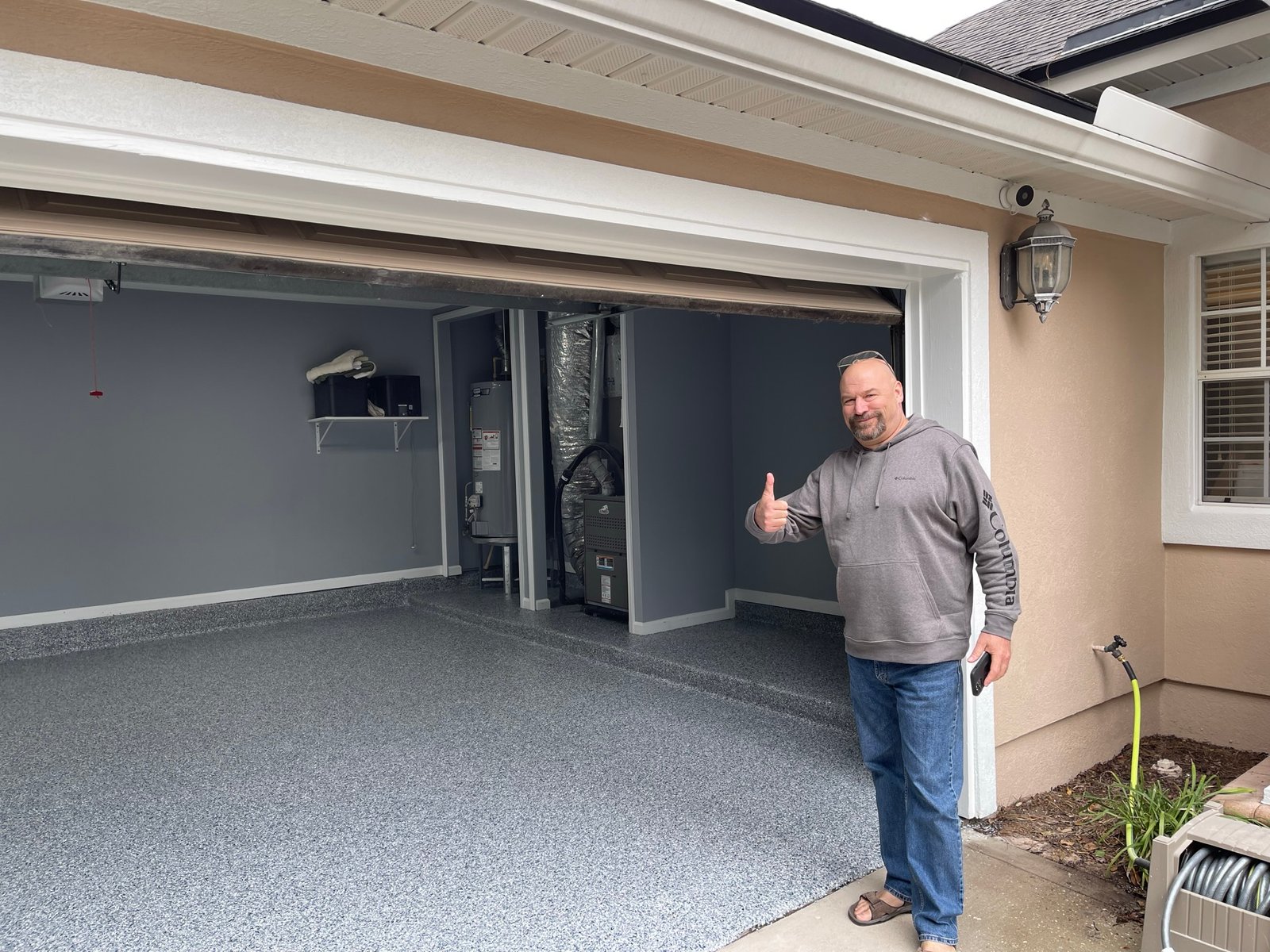
Exterior painting · Orange Park, FL
Featured video testimonial
They were professional, kept us updated, and the results are amazing.”
Repeat Client After 14 Years
Exterior Painting · Orange Park, FL
From your neighbors in Northeast Florida


cameron Hunt
“Update: had the crew come back a few months later for the exterior. You won’t be disappointed. We hired A New Leaf to repaint the interior of our home, and we couldn’t be happier! Thomas, the owner, came out for an estimate and immediately set the tone for the whole experience—professional, friendly, and easy to work with. Michelle, Rusty, and Dale were phenomenal—they went above and beyond, even helping fix a few spots that needed repair before painting, which made a huge difference. The customer service was top-notch, and it was a pleasure to talk with them. Our home feels completely refreshed, like a brand-new space. We’re already planning to hire the same exact crew again in the spring for the exterior. Highly recommend!”
Mila Verenne
“A New Leaf did a fantastic job on my home. From the prep to the caulking to the finished product, everything was done on time, professionally, and I am very satisfied. The exterior of my home looks fantastic, and I’ve been getting compliments from all my neighbors. I even went around and looked, and it looks like everything was done with an eye for detail. I am very, very satisfied and would highly recommend this painting company to anyone.”
Melba-John Gordon
“Prompt, professional, and highly reliable. A great company to deal with!”
LIz Wallis
“Thomas gave me a quote on Tuesday and by Wednesday morning the crew was ready to paint. THey did a fabulous job and were all so nice and professional. Their work was fast and detailed. I am a satisfied customer and I've already hired his company again for a wallpaper removal project. Thanks Thomas and crew.”
Jim Blanchfield
“I initially worked with Thomas as the consultant and person who came to my house to discuss both the interior and exterior paint projects. He was great to work with, knew his info, made great suggestions, and checked back on any questions I had before I decided to use New Leaf Painting to do the job. When the projects started I worked with Billy and his crew. They were great to work with. They were on time, professional, well mannered. They set up in the garage and I was amazed at how quickly they removed old wallpaper and prepped the rooms for painting. They checked with me to make sure I was good as I was working from home. The interior turned out great. They then tackled the outside. I needed some repair work on my chimney and we discussed additional work they found after tearing off old parts. They made sure I was ok with what needed to be done. The same thing happened by my front door. Then I wanted my front door stained but they convinced me I would be unhappy with the results so we went to plan B and painted the door the same color as the shutters and it turned out great. I had friends over Labor Day Weekend and they were impressed with how well the house looked. All the workers put in plenty of hours, were courteous, cleaned up and generally went the extra mile on my projects. I appreciated the hard work and attention to detail. Overall I was extremely satisfied with the results of both the interior and exterior paint projects. Thanks New Leaf.”
Math Coach Jax
“I could not be more pleased with the exterior paint job A New Leaf performed on my home. The crew, lead by Michelle, and her workers (Rusty, Dale, and Pearson) were absolutely amazing. This crew arrived on time, kept me posted throughout each day, and were receptive to my concerns. The final product was a beautiful paint job that made my wife and I feel great about hiring them. Thank you Thomas Drake for a competitive price, and a great crew. Your company is certainly top shelf. Cheers! Andy N.”
Laura Webster
“A New Leaf Painting recently painted the exterior of our stucco home. They were fast, efficient and the crew was very nice. THey made sure to clear up the worksite well and even requested to leave materials on-site for the following day. The company was super easy to work with and we have gotten many compliments on the paint job. The finished job looks great. We would highly recommend ANLP to anyone in the North Florida area.”
Kristina Grourke
“As a first time homeowners we were nervous about this painting endeavor, however, Thomas put us at ease and walked us through every step. Our painting crew was amazing and very professional, they got the house completed in just 2 days! I would and have recommended them to anyone looking to get a quality word done. Thank you A New Leaf for the great experience!”
Timothy Hendricks
“Professional crew and they did an excellent job on my home exterior. They ensured the site was clean at all times. I highly recommend then.”
Tom LANGENBACH
“Painted the interior of my home. On time and very professional. Have used in the past. Will use again!”
Eva Alcaraz
“I absolutely love the results of my newly refinished cabinets. They took the time to listen and ensured we were on the same page. THey were very meticulous and considerate to achieve the exact color I wanted. The crew was extremely professional. They are extremely accommodating to my schedule and wired efficiently. I would definitely recommend and reuse them.”
Ann Markivich
“The prices were competitive, the job was done well, and Thomas was very accommodating. Highly recommended!”
cameron Hunt
“Update: had the crew come back a few months later for the exterior. You won’t be disappointed. We hired A New Leaf to repaint the interior of our home, and we couldn’t be happier! Thomas, the owner, came out for an estimate and immediately set the tone for the whole experience—professional, friendly, and easy to work with. Michelle, Rusty, and Dale were phenomenal—they went above and beyond, even helping fix a few spots that needed repair before painting, which made a huge difference. The customer service was top-notch, and it was a pleasure to talk with them. Our home feels completely refreshed, like a brand-new space. We’re already planning to hire the same exact crew again in the spring for the exterior. Highly recommend!”
Mila Verenne
“A New Leaf did a fantastic job on my home. From the prep to the caulking to the finished product, everything was done on time, professionally, and I am very satisfied. The exterior of my home looks fantastic, and I’ve been getting compliments from all my neighbors. I even went around and looked, and it looks like everything was done with an eye for detail. I am very, very satisfied and would highly recommend this painting company to anyone.”
Melba-John Gordon
“Prompt, professional, and highly reliable. A great company to deal with!”
LIz Wallis
“Thomas gave me a quote on Tuesday and by Wednesday morning the crew was ready to paint. THey did a fabulous job and were all so nice and professional. Their work was fast and detailed. I am a satisfied customer and I've already hired his company again for a wallpaper removal project. Thanks Thomas and crew.”
Jim Blanchfield
“I initially worked with Thomas as the consultant and person who came to my house to discuss both the interior and exterior paint projects. He was great to work with, knew his info, made great suggestions, and checked back on any questions I had before I decided to use New Leaf Painting to do the job. When the projects started I worked with Billy and his crew. They were great to work with. They were on time, professional, well mannered. They set up in the garage and I was amazed at how quickly they removed old wallpaper and prepped the rooms for painting. They checked with me to make sure I was good as I was working from home. The interior turned out great. They then tackled the outside. I needed some repair work on my chimney and we discussed additional work they found after tearing off old parts. They made sure I was ok with what needed to be done. The same thing happened by my front door. Then I wanted my front door stained but they convinced me I would be unhappy with the results so we went to plan B and painted the door the same color as the shutters and it turned out great. I had friends over Labor Day Weekend and they were impressed with how well the house looked. All the workers put in plenty of hours, were courteous, cleaned up and generally went the extra mile on my projects. I appreciated the hard work and attention to detail. Overall I was extremely satisfied with the results of both the interior and exterior paint projects. Thanks New Leaf.”
Math Coach Jax
“I could not be more pleased with the exterior paint job A New Leaf performed on my home. The crew, lead by Michelle, and her workers (Rusty, Dale, and Pearson) were absolutely amazing. This crew arrived on time, kept me posted throughout each day, and were receptive to my concerns. The final product was a beautiful paint job that made my wife and I feel great about hiring them. Thank you Thomas Drake for a competitive price, and a great crew. Your company is certainly top shelf. Cheers! Andy N.”
Laura Webster
“A New Leaf Painting recently painted the exterior of our stucco home. They were fast, efficient and the crew was very nice. THey made sure to clear up the worksite well and even requested to leave materials on-site for the following day. The company was super easy to work with and we have gotten many compliments on the paint job. The finished job looks great. We would highly recommend ANLP to anyone in the North Florida area.”
Kristina Grourke
“As a first time homeowners we were nervous about this painting endeavor, however, Thomas put us at ease and walked us through every step. Our painting crew was amazing and very professional, they got the house completed in just 2 days! I would and have recommended them to anyone looking to get a quality word done. Thank you A New Leaf for the great experience!”
Timothy Hendricks
“Professional crew and they did an excellent job on my home exterior. They ensured the site was clean at all times. I highly recommend then.”
Tom LANGENBACH
“Painted the interior of my home. On time and very professional. Have used in the past. Will use again!”
Eva Alcaraz
“I absolutely love the results of my newly refinished cabinets. They took the time to listen and ensured we were on the same page. THey were very meticulous and considerate to achieve the exact color I wanted. The crew was extremely professional. They are extremely accommodating to my schedule and wired efficiently. I would definitely recommend and reuse them.”
Ann Markivich
“The prices were competitive, the job was done well, and Thomas was very accommodating. Highly recommended!”
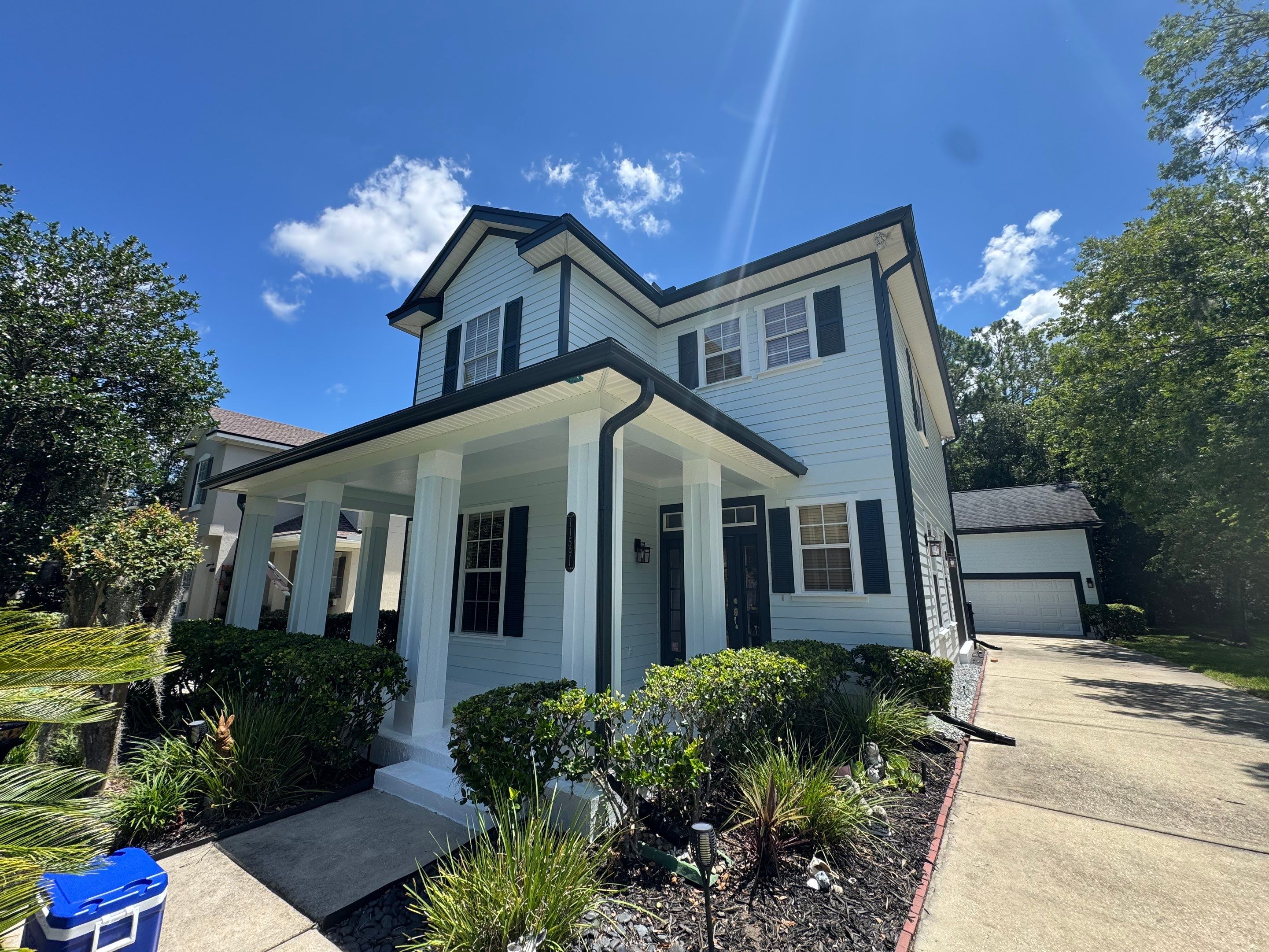
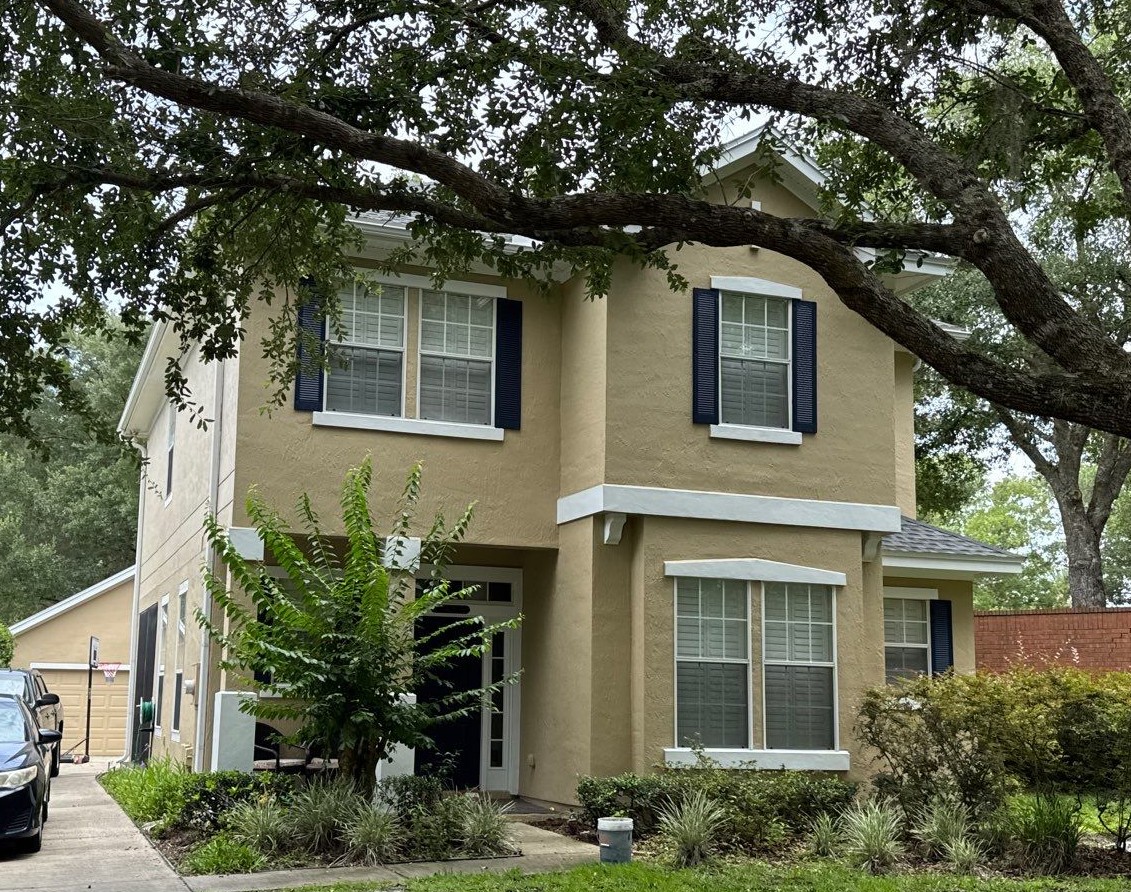
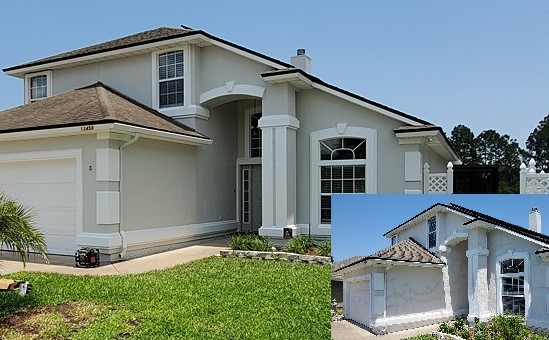
Same House. Same Address. Total Transformation.
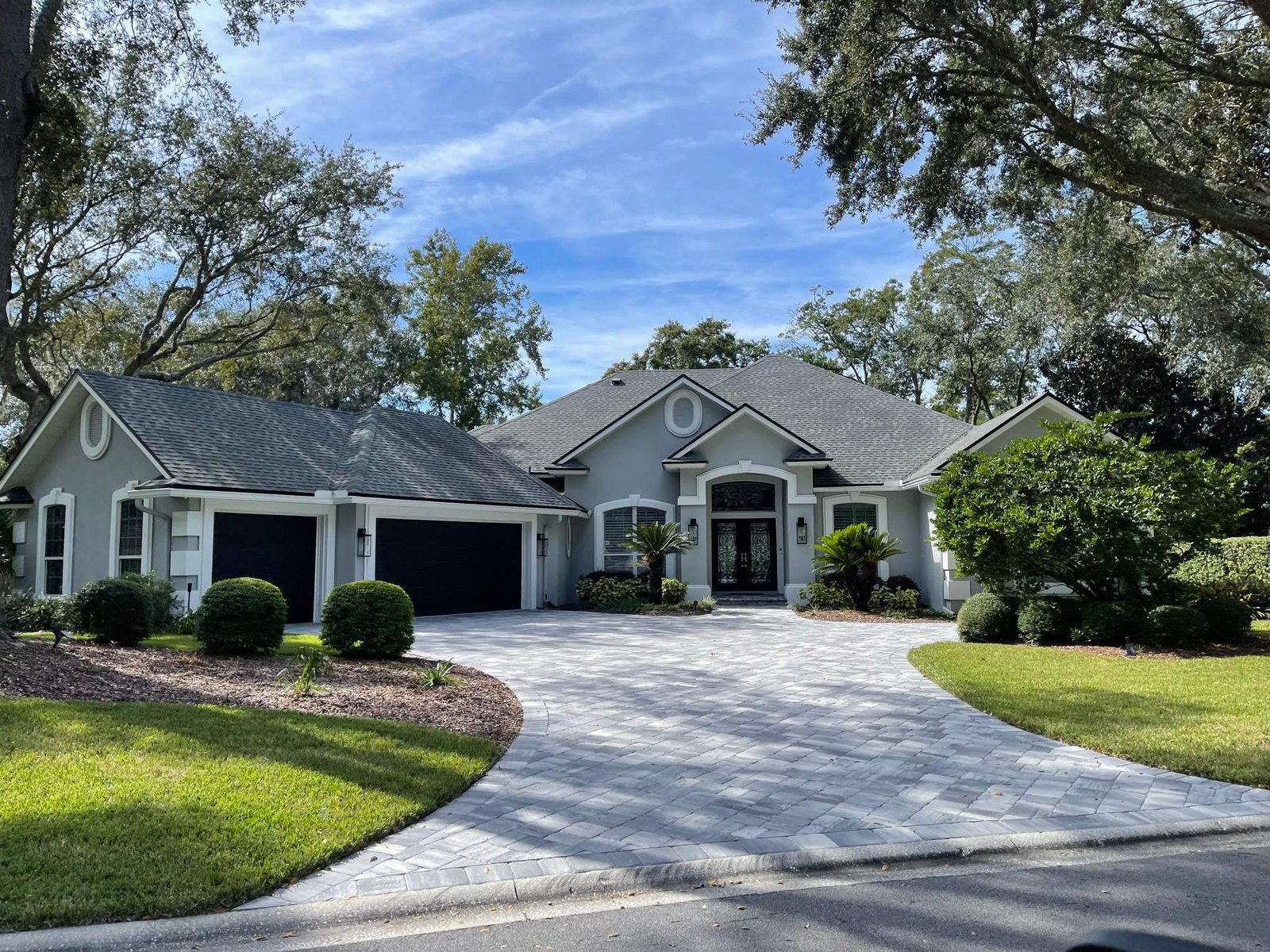
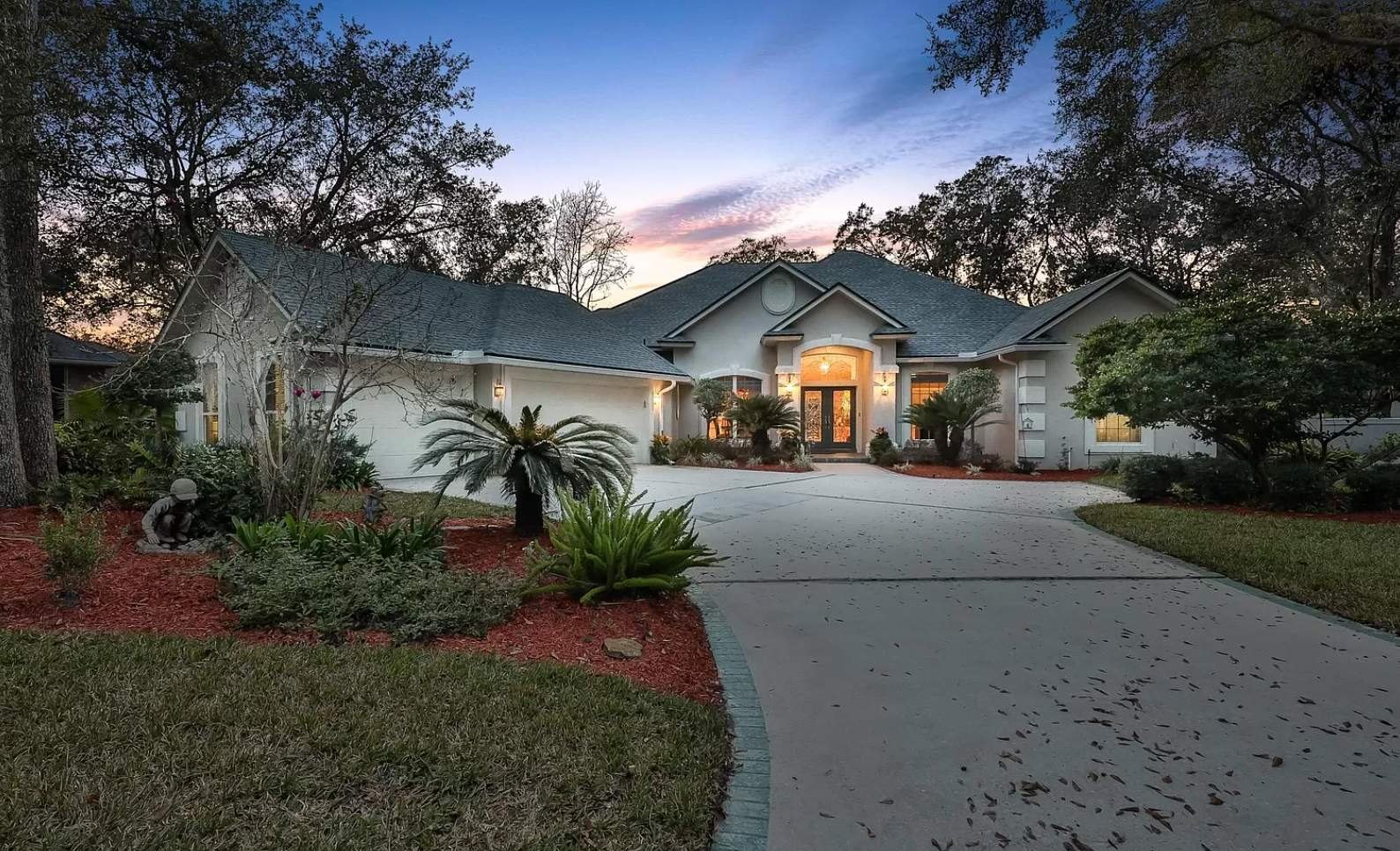
Queens Harbor Jacksonville FL 32225 - Exterior Painting TransformationSee the full project
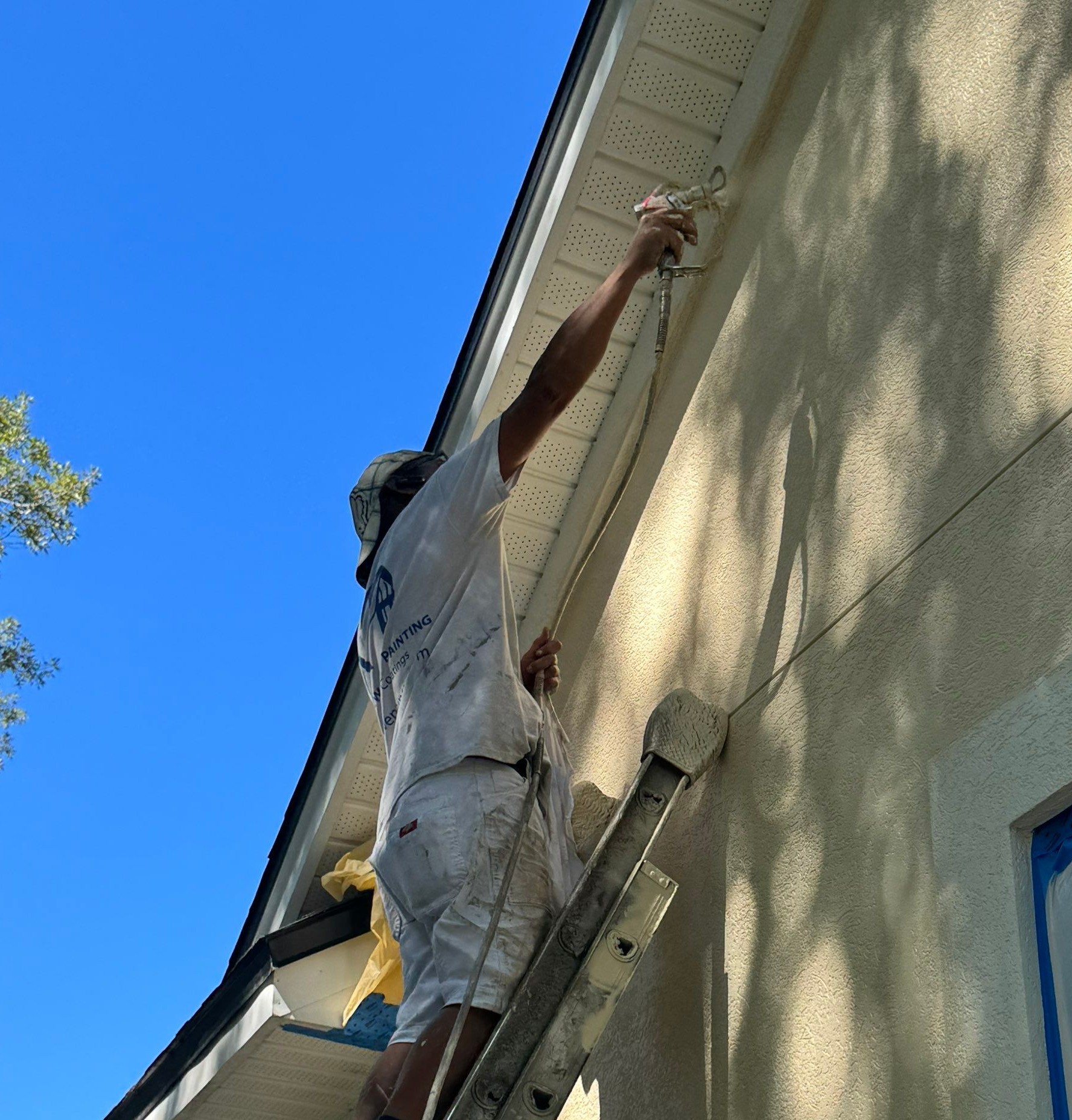
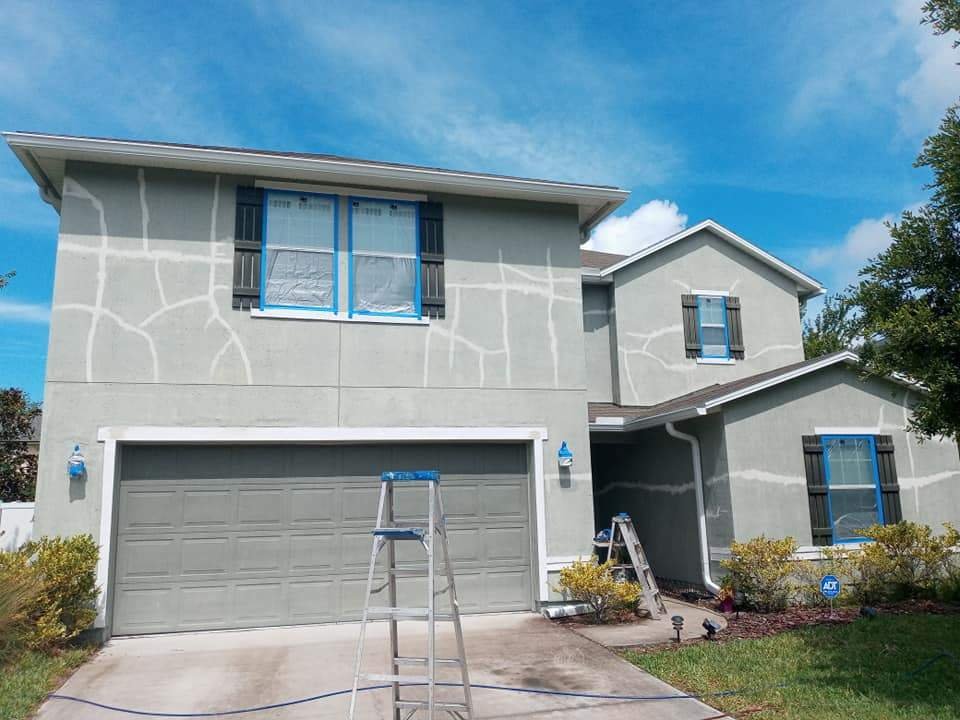
Stucco crack repair and exterior repaintSee the full project

 See all our work
A Simple, Stress-Free Process
Contact us to set up a free, no-obligation estimate at a time that works best for you.
We handle pressure washing, scraping, sanding, repairs, priming, and caulking to ensure a smooth surface and long-lasting finish.
Our skilled, background-checked craftsmen complete the work with precision, using premium products and proven techniques.
Before we finish, we walk through the project with you to ensure every detail meets expectations. Plus, your job is backed by our workmanship warranty!
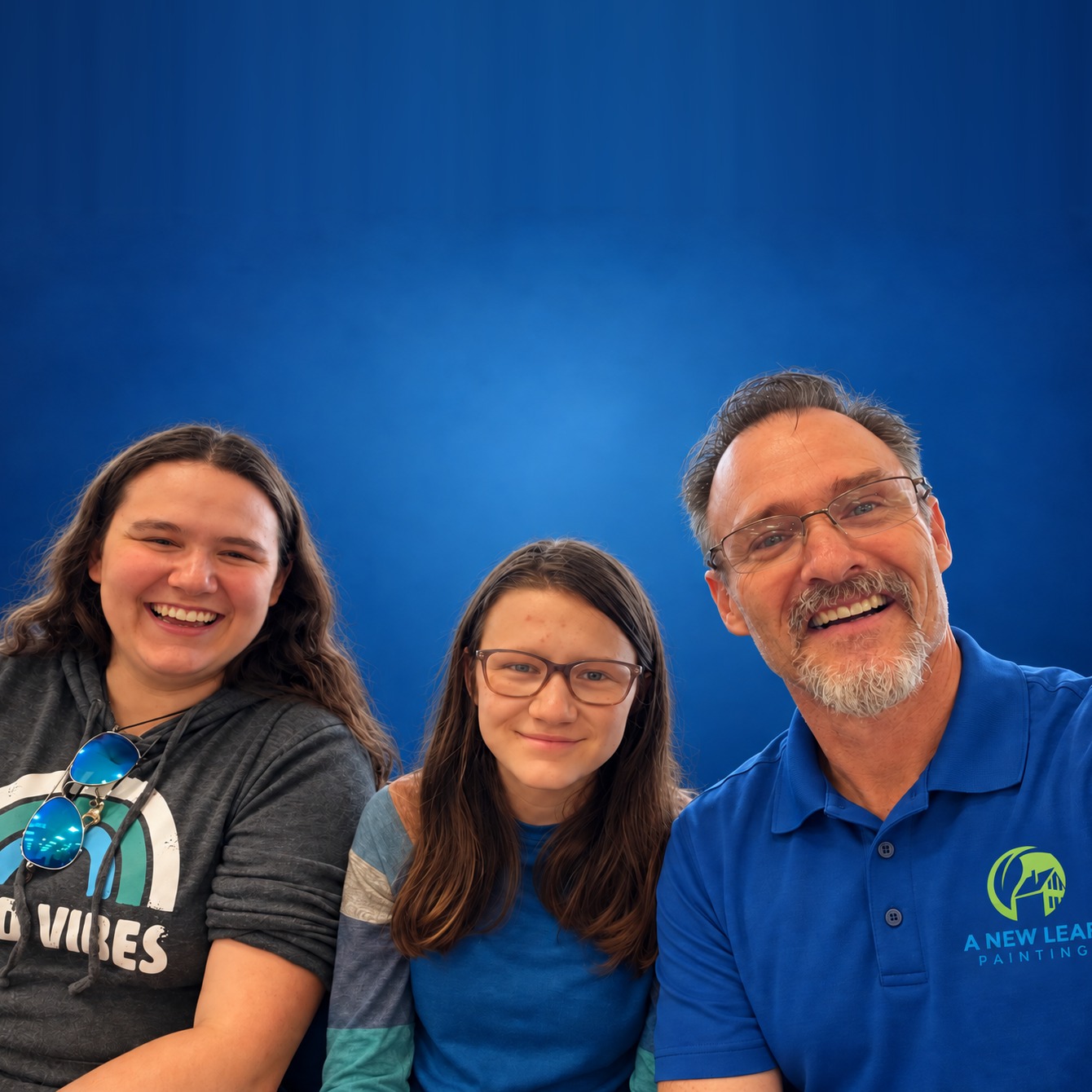
Every home deserves a fresh start, and every family deserves a painter they’d trust in their own home.
A Local Jacksonville Painter You Can Count On
A New Leaf Painting Contractors is a family-owned Jacksonville company, and that means the work is personal to us.
When I think about the homes we work in, I think about my own family. I think about who is coming through the door, how the home is treated, whether people feel informed, and whether the job is being handled with the kind of care I would want for the people I love.
That is why we focus so heavily on preparation, communication, respect, and accountability.
We are not just trying to leave behind a good paint job. We want homeowners to feel comfortable with the people in their home, confident in the process, and proud of the result when the work is done.
That is the kind of company I want my daughters to be proud of — and the kind of company I want your family to feel good about hiring.
Have We Painted in Your Neighborhood?
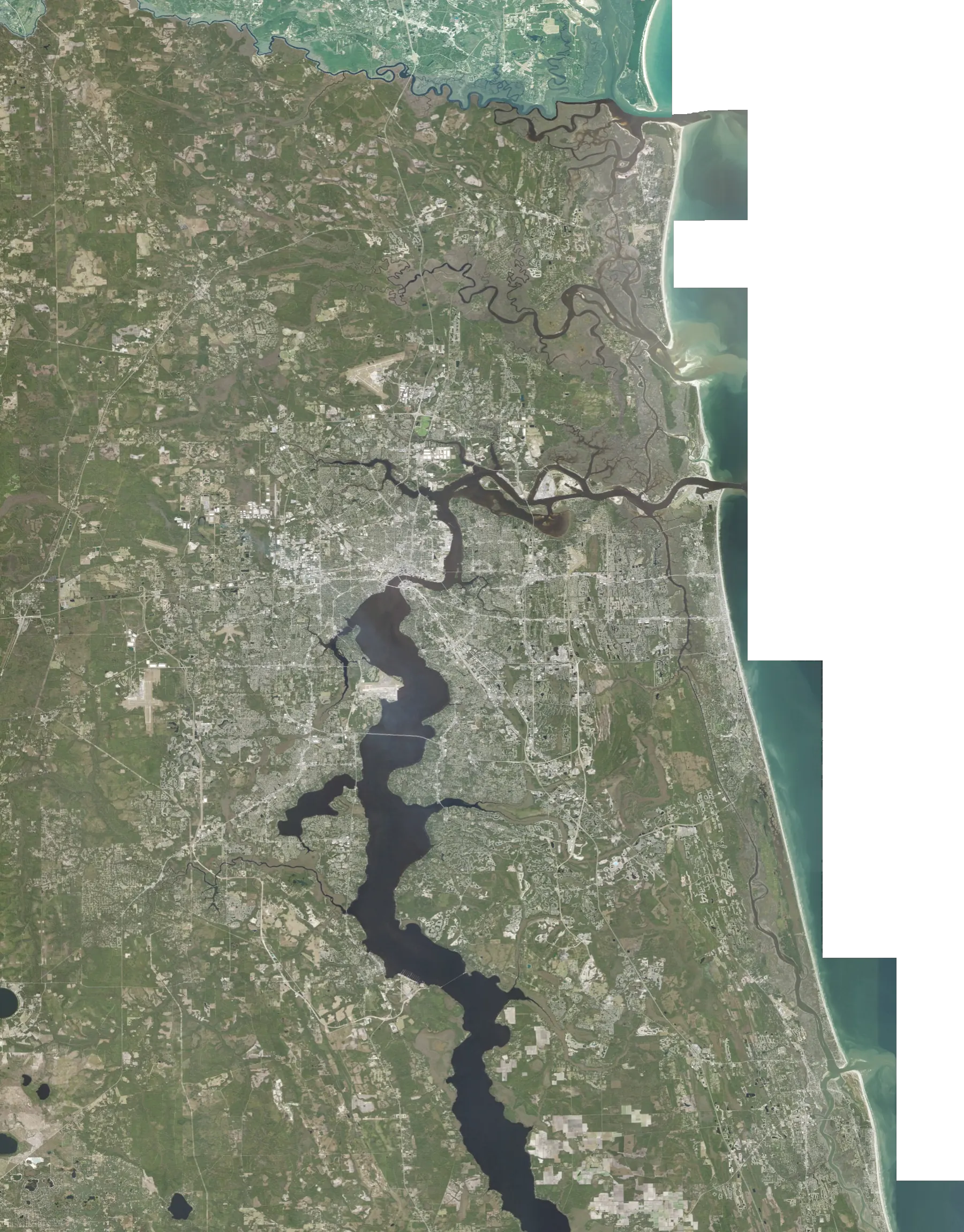

A New Leaf Painting is committed to professional painting services that bring lasting beauty, protection, and peace of mind to every home and business we serve. Since 2010, our team has built its reputation on detailed preparation, premium finishes, clean workmanship, reliable communication, and results we’re proud to stand behind.
Areas we serve
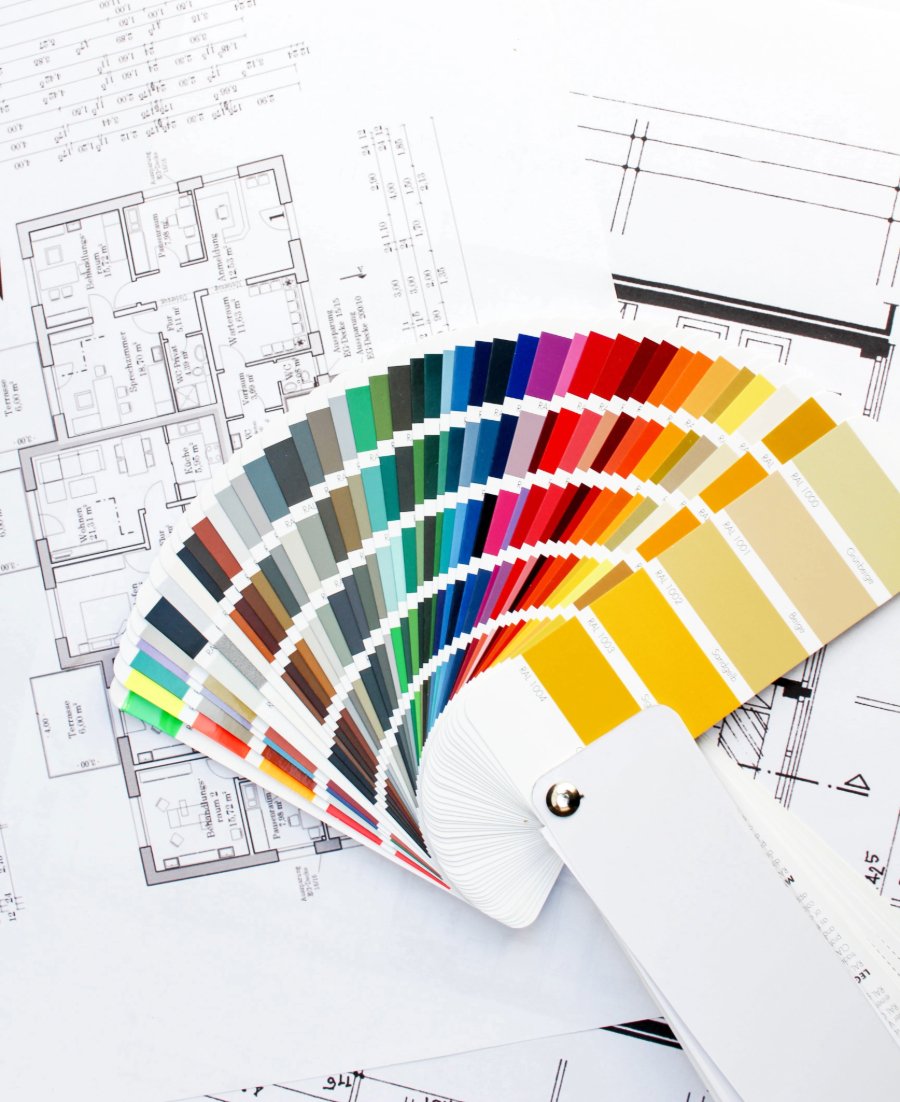
Your Home the Way You Imagine
Color selection sets the desired mood and enhances the aesthetic appeal of your house or business. Our professional designers help customers choose shades that transform walls and bring life to your space. Whether for interiors, cabinets, or an exterior paint job, we ensure every final brushstroke delivers exceptional results.
Free homeowner guide
What Jacksonville homeowners should know before hiring a painter: our standards and process, when to paint, HOA rules, choosing colors, and how to compare estimates. Written by the A New Leaf team.
Professional house painting costs in Jacksonville vary based on the size of the project, the condition of the surfaces, the amount of preparation and repair work involved, the coatings selected, and the number of areas being painted.
For exterior projects, stucco cracks, wood rot, failing caulk, damaged fascia or siding, and previous coating failure can all affect the scope. Interior projects may involve drywall repairs, texture work, trim repairs, priming, or additional preparation before painting begins.
At A New Leaf Painting Contractors, we provide a written estimate that clearly outlines the scope, preparation, repairs, products, and pricing so you know what is included before work begins.
Your written estimate is itemized: the scope, the preparation, the products and the price, all before any work begins.
If we find concealed damage or more work is needed once prep starts, we explain what we found, give you the added cost and get your approval before going ahead.
Once you approve your estimate and confirm your colors, we schedule your start date and send you a written confirmation: when we arrive, how long your project will take and who your crew leader is. Fast scheduling is available, so book a free estimate to get on the calendar.
Project length depends on the size of the home, the condition of the surfaces, the amount of preparation or repair work required, the number of colors, and weather conditions for exterior projects.
Many interior projects can be completed in several days, while larger whole-home repaints or exterior projects may take longer depending on scope.
Exterior schedules can also be affected by Northeast Florida rain, humidity, morning moisture, and surface conditions.
Before work begins, we review the expected schedule with you so you know what to expect and how the project will progress from preparation through the final walkthrough.
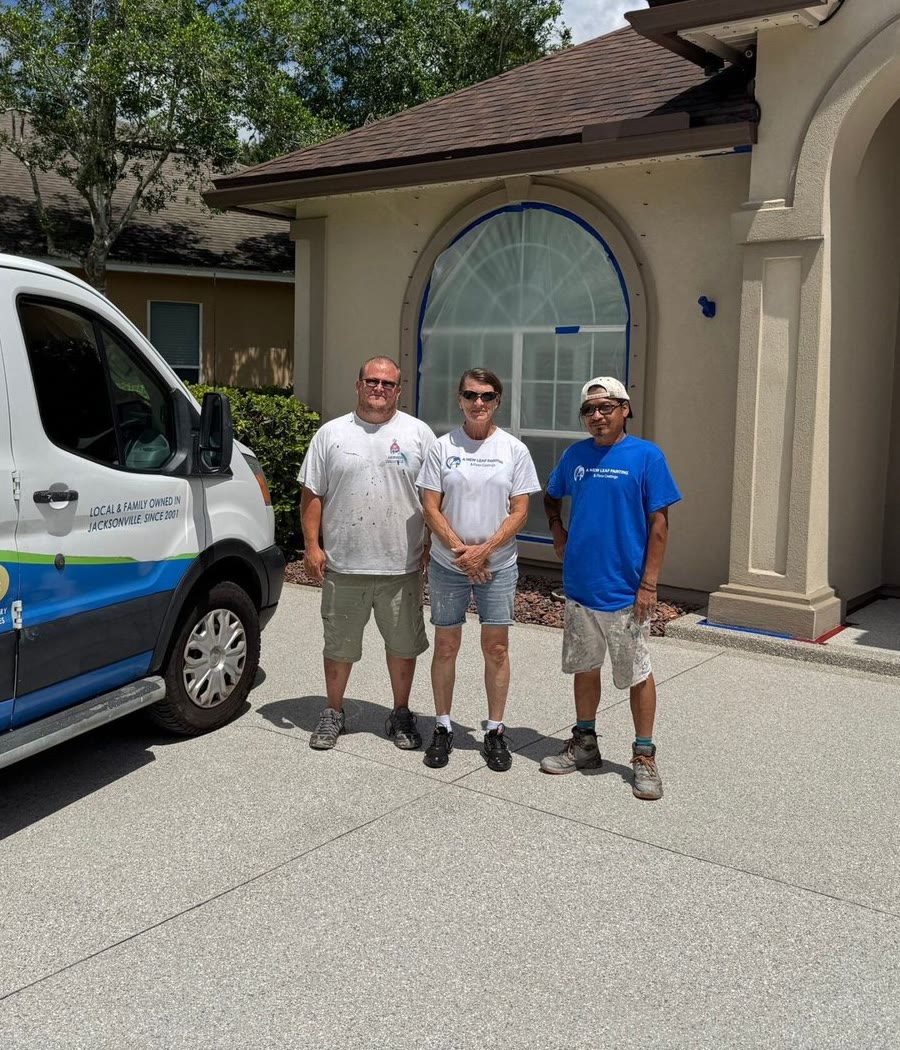
Our own long-term employees, hired for character and values, with felony background checks.
Every project has one dedicated project manager and crew leader who stay with you from the first day to the final walkthrough. Get to know us.
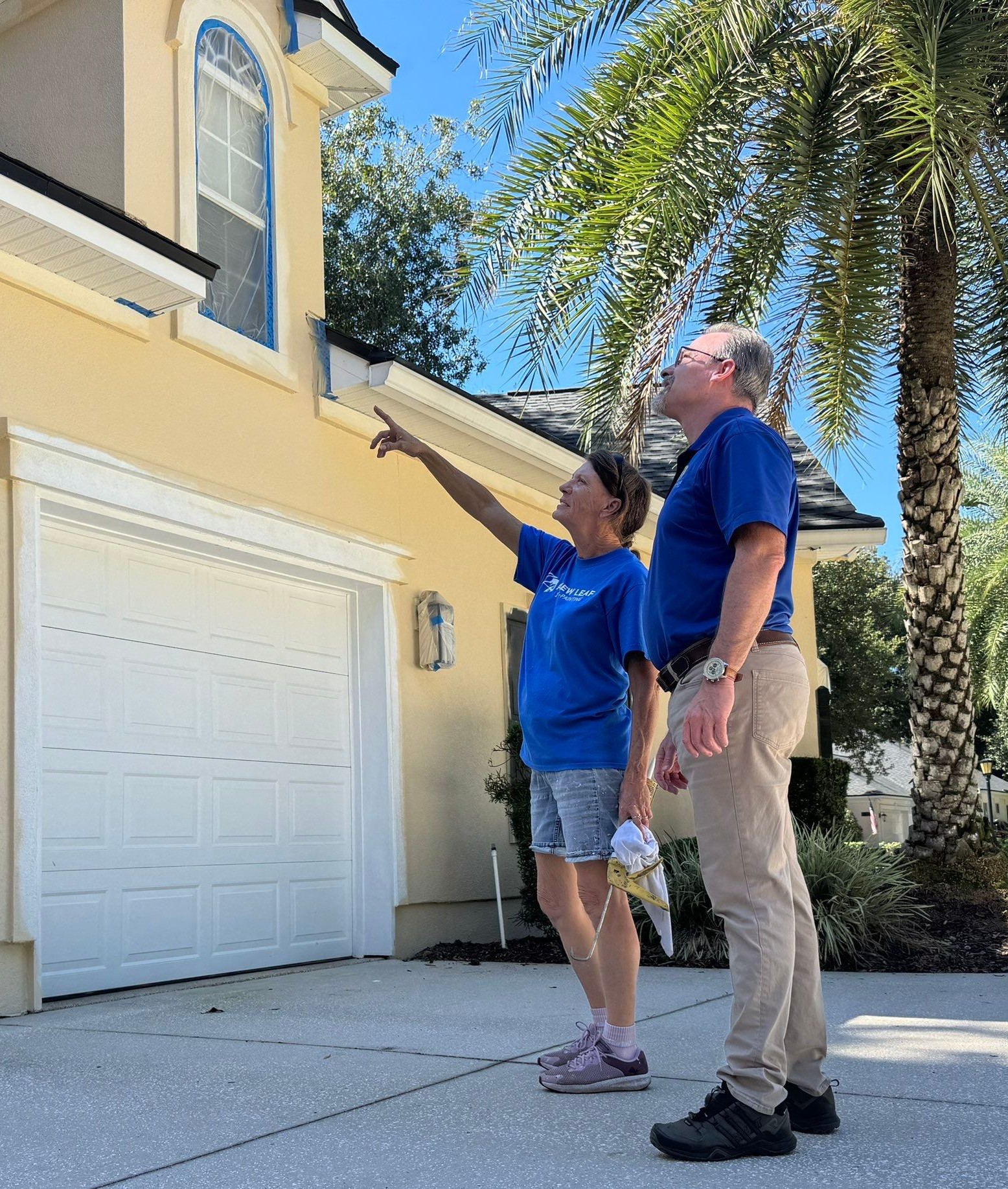
Before the first brushstroke, your crew leader walks the project with you and confirms how we will protect your furniture, floors and landscaping.
Furniture is protected, floors are covered and the work area is left clean at the end of every workday. Read about our process.
Yes. Depending on the project, A New Leaf Painting Contractors can handle many of the repairs that need to be addressed before painting begins, including drywall repair, texture matching, stucco repair, wood rot and carpentry repairs, fascia and soffit repairs, siding repairs, caulking, patching, and priming.
Not every project needs every repair. The important part is identifying what is actually failing and addressing it before covering it with paint.
Any repair work included in your project is documented in the written scope so you know what is being handled before the crew starts.
Yes.
We help homeowners think through color, sheen, and product selection based on the surfaces being painted, the lighting, surrounding finishes, and how the space is used.
For interiors, that may include considering flooring, cabinets, countertops, trim, furniture, and natural light.
For exteriors, roof color, brick, stone, pavers, landscaping, HOA requirements, and sun exposure may all influence the final choice.
We work with professional coatings from Sherwin-Williams and Benjamin Moore and can recommend products suited to the particular surface and project.
Our workmanship warranties are provided in writing as part of the proposal and vary by project and service.
For homeowners, the important thing is that warranty terms should be clear before the project begins, including what is covered, how long the coverage lasts, and what is excluded.
At A New Leaf Painting Contractors, we back our work with our written Iron-Clad Guarantee and include the applicable warranty details in your project documents.
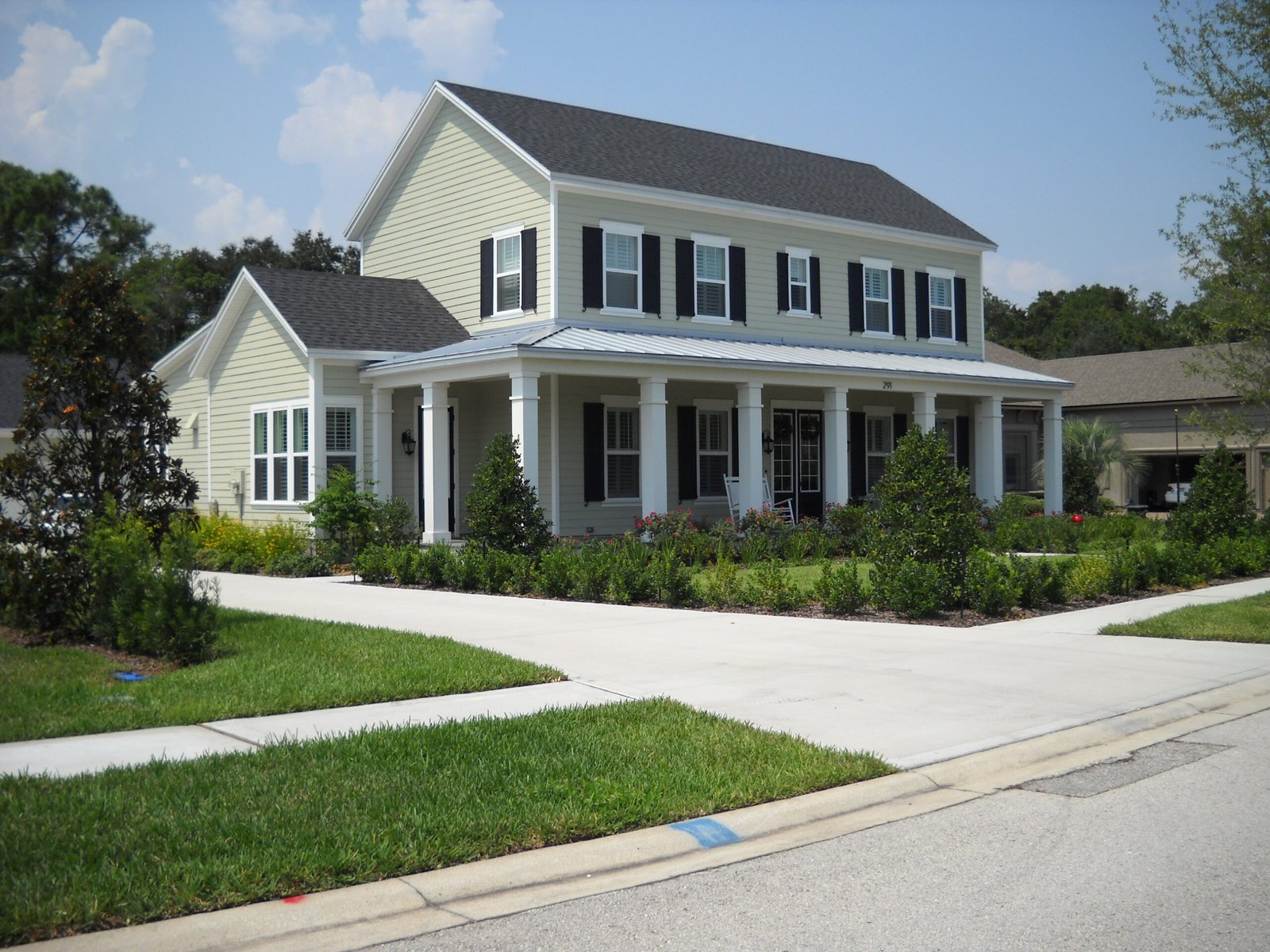
Make Your Dream Home Affordable
Our painting company makes it easy to get started today. With simple monthly payments, you can begin your painting project now and spread costs into fair, manageable installments. No hidden fees, just great service from a professional painting company that puts customer satisfaction first.
From the blog