
Why Do My Soffits Keep Getting Mildew?
Mildew on soffits is one of the most common exterior-maintenance concerns our exterior painters in Jacksonville, FL hear about during home evaluations. The explanation is usually straightforward: soffits sit underneath the roof overhang, receive very little direct sunlight, dry more slowly than exposed walls, and are rarely rinsed naturally by rainfall.
Add Jacksonville’s warmth and humidity, nearby trees, dense landscaping, limited airflow, pollen, dirt, and organic debris, and the underside of a roofline becomes an ideal place for mildew and organic growth to return. After more than 25 years of exterior painting in Jacksonville, FL, we’ve seen how dramatically these conditions can vary from one home—or even one elevation—to another. A sunny soffit with good airflow may stay relatively clean while a shaded roofline on the same house develops visible mildew much sooner.
In most cases, recurring mildew on painted soffits is a cleaning and maintenance issue—not automatic evidence that the paint has failed. For many Northeast Florida homes, exterior cleaning approximately once a year is a reasonable maintenance guideline, although properties with heavy shade, mature trees, dense landscaping, or consistently damp conditions may need attention more often.
When mildew is present, a properly diluted, light bleach-based exterior cleaning solution can be effective on compatible painted surfaces. The objective is not to blast the soffits with maximum pressure. The objective is to treat and remove the organic growth while protecting the paint, soffit material, vents, landscaping, and surrounding surfaces.
For more homeowner guides covering exterior maintenance, Florida weather, paint problems, preparation, stucco, repairs, and coating systems, visit our Exterior Painting Resource Center.
Why Soffits Get Mildew So Easily in Jacksonville
The explanation goes deeper than simply saying that Florida is humid. A soffit sits underneath a roof overhang, and that location creates a completely different environment from the exterior wall only a few feet below it.
Because of their position, soffits commonly:
- Receive little direct sunlight, limiting the drying effect of the sun.
- Remain shaded for most or all of the day, especially on homes with deep roof overhangs.
- Dry slowly after rain, dew, and humid weather.
- Collect airborne dirt and pollen that direct rainfall would normally rinse from exposed surfaces.
- Sit close to trees and landscaping, where organic debris and moisture are more common.
- Receive limited airflow beneath the roofline.
- Stay protected from direct rain, allowing contamination to accumulate instead of washing away.
That combination—shade, humidity, slow drying, surface contamination, and limited natural rinsing—is exactly what recurring organic growth needs.
These conditions are part of a much broader exterior-painting challenge in Northeast Florida. Our guide to why Jacksonville’s climate is tough on exterior paint explains how heat, humidity, rainfall, UV exposure, and coastal conditions affect different parts of a home in different ways.
Why Shade Makes Such a Difference
Sunlight does more than illuminate a surface. It also warms and dries it.
An exterior wall receiving several hours of direct sunlight may dry relatively quickly after rain or morning dew. A soffit only inches away can remain shaded and damp for hours longer. That prolonged surface moisture, combined with airborne dirt and organic material, creates favorable conditions for mildew and algae.
This is why homeowners sometimes find that their soffits look worse than the walls beneath them. The same paint may be present on both surfaces, but the conditions are entirely different.
Why One Side of the House May Be Worse Than Another
Every elevation of a home develops its own microclimate, and soffits are no exception. We explore this concept in more depth in our guide to why one side of a Jacksonville house ages faster than the others.
One side of a home may have:
- Dense trees or overhanging branches
- Permanent shade from a neighboring home
- Thick shrubs close to the foundation
- Limited airflow beneath the eaves
- Nearby irrigation or consistent moisture
- A roof configuration that blocks sunlight
The opposite side may remain open, sunny, and well ventilated. It is entirely possible for one elevation to have clean soffits while the shaded side only a few feet away becomes noticeably dark or spotted.
How Trees and Landscaping Affect Soffits
Mature trees and landscaping contribute to soffit mildew through several connected conditions.
Overhanging branches reduce sunlight and slow drying. Dense foliage can restrict airflow around the roofline. Trees also release pollen, leaves, and other organic debris that settle on soffits and fascia. Once those surfaces remain damp, the accumulated material contributes to the conditions that support recurring growth.
This does not mean trees directly “cause” mildew or that landscaping should automatically be removed. It means heavily shaded homes generally need a more frequent exterior-cleaning schedule than homes with open exposure and strong airflow.
Does Mildew on Soffits Mean There Is an Attic Ventilation Problem?
Not necessarily.
Soffit vents are part of many attic-ventilation systems, but mildew visible on the exterior face of a soffit does not, by itself, prove that the attic has a ventilation or moisture problem. In most cases, the exterior discoloration is related to shade, humidity, dirt, pollen, and slow drying on the outside surface.
However, the condition deserves closer investigation if you also notice:
- Persistent wet areas
- Unusual staining patterns
- Soft or damaged wood
- Peeling that appears related to moisture from inside the assembly
- Water intrusion around the roofline
- Recurring stains that return shortly after cleaning
Ordinary exterior mildew and an underlying building-envelope problem are two different issues. They should not be diagnosed as the same condition based on discoloration alone.
Is It Mildew, Dirt, Staining, or Paint Failure?
Before deciding what the soffits need, it helps to identify what you are actually seeing. Several exterior conditions can appear similar from the ground but require very different solutions.
| Condition | What It May Look Like | Likely First Step |
|---|---|---|
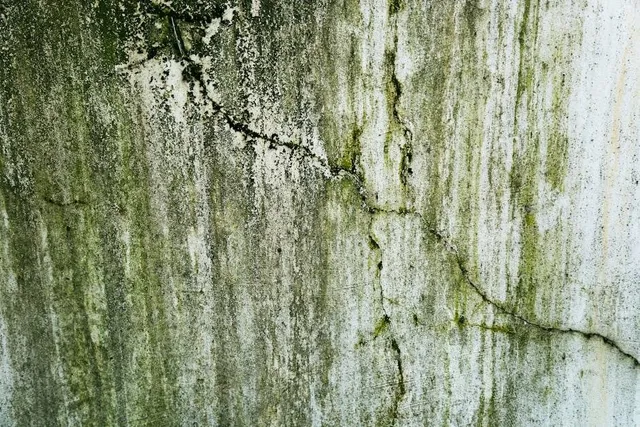
| Mildew or organic growth | Black, gray, greenish, or spotted discoloration concentrated on shaded and damp surfaces. | Treat and clean the surface using a method compatible with the soffit and coating. |
| Dirt or pollen | General dullness or buildup where protected surfaces are not naturally rinsed by rain. | Gentle exterior cleaning and rinsing. |
| Spider webs or insect debris | Webbing, nests, spots, or localized debris near lights, corners, and eaves. | Physical removal followed by gentle cleaning. |
| Water staining | Localized discoloration associated with runoff, leaks, or an identifiable moisture path. | Identify and correct the moisture source before repainting. |
| Rust staining | Orange or brown staining originating near fasteners or adjacent metal components. | Locate the source and determine whether cleaning, treatment, or material repair is required. |
| Paint failure | Peeling, blistering, flaking, exposed substrate, or actual loss of adhesion. | Determine why the coating failed before repairing and repainting. |
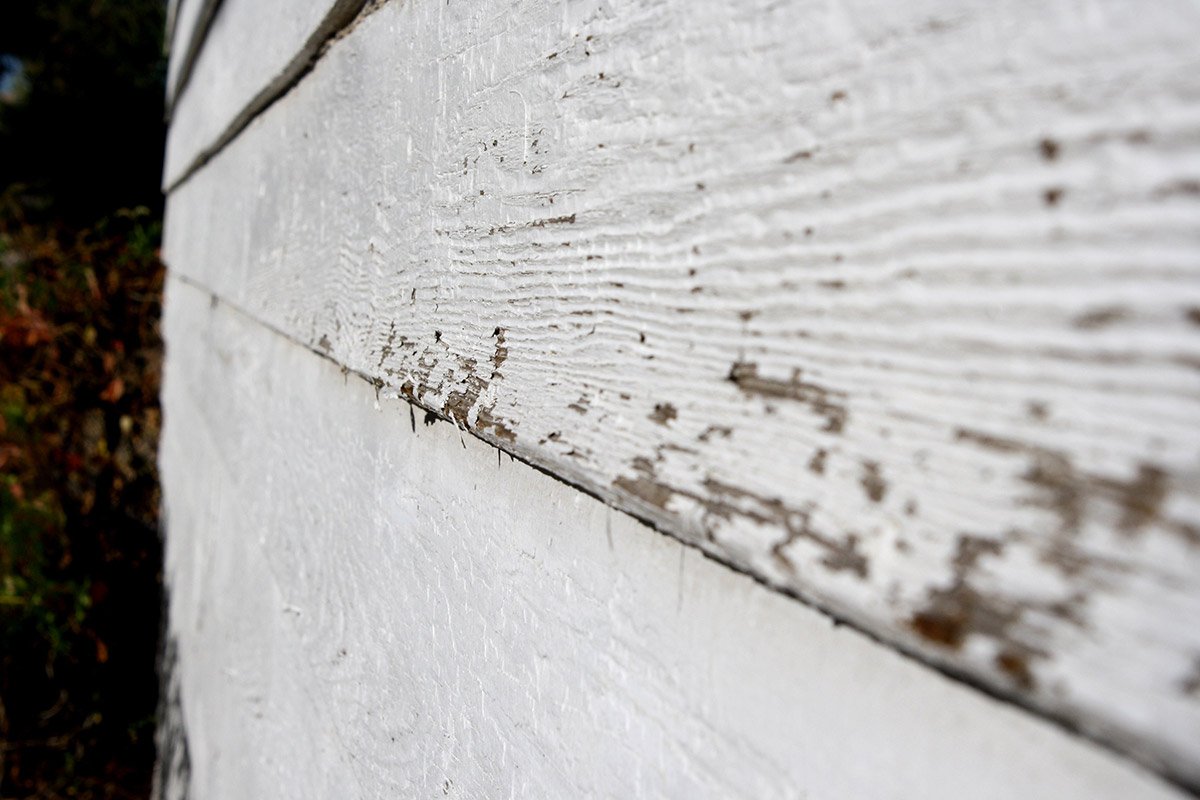
Mildew is surface growth. Paint failure is physical deterioration of the coating. The two can exist together, but mildew alone does not prove the coating has failed.
If your soffits are also peeling, blistering, chalking, or losing adhesion, our Jacksonville exterior paint failure guide explains the most common coating problems and why correcting the cause matters before repainting.
Should You Pressure Wash Painted Soffits?
Cleaning is often the right first step, but pressure washing painted soffits requires restraint.
The purpose is to clean the surface—not to apply maximum force. Excessive pressure can damage paint, loosen vulnerable material, disturb caulked joints, or force water through soffit vents and openings.
The most important principles are:
- Use appropriate pressure and technique. Soffits should not be treated like concrete or a driveway.
- Allow the cleaning solution to do much of the work. Organic growth responds better to appropriate treatment than brute force.
- Avoid directing water into soffit vents. The objective is to clean the exterior face, not introduce water into the attic assembly.
- Protect surrounding materials. Landscaping, fixtures, windows, siding, and adjacent finishes may need protection.
- Rinse carefully and thoroughly. Residual cleaning solution should not be left sitting on painted surfaces.
Our Jacksonville pressure-washing services are built around cleaning the surface appropriately rather than using unnecessary pressure that could damage the home.
Can You Use a Light Bleach Solution on Soffit Mildew?
A properly diluted bleach-based exterior cleaning solution can be effective when the discoloration is mildew or another form of organic growth and the solution is compatible with the painted surface and surrounding materials.
A few precautions matter:
- Stronger is not automatically better.
- Landscaping may need to be protected or pre-wetted.
- Adjacent siding, trim, metal, fixtures, and other finishes may respond differently.
- Manufacturer guidance for the cleaner and painted surface should be followed.
- Appropriate personal protective equipment should be used.
- The surface should be thoroughly rinsed afterward.
Never mix bleach with ammonia, acids, or other incompatible cleaning chemicals. Doing so can create dangerous fumes.
The purpose of a bleach-based solution is to treat organic growth so it can be removed safely—not to use harsh chemistry as a substitute for proper technique.
Why More Pressure Is Not the Better Solution
Water pressure can remove loose dirt, dust, cobwebs, and surface buildup. But when the discoloration is biological, such as mildew or algae, increasing the pressure does not necessarily treat the growth more effectively.
Excessive pressure can instead:
- Damage the existing paint film
- Force water into soffit vents
- Stress caulked seams and joints
- Damage vulnerable wood or manufactured soffit materials
- Drive moisture behind adjacent components
The correct cleaning solution, reasonable pressure, adequate dwell time where appropriate, and careful rinsing generally matter more than force alone.
How Often Should Jacksonville Homes Be Cleaned?
For many Jacksonville homes, annual exterior cleaning is a practical maintenance interval. It is not a rigid rule for every property.
Homes may need more frequent cleaning when they have:
- Heavy tree coverage
- Permanent shade
- Dense landscaping close to the structure
- Nearby irrigation
- Limited airflow
- Proximity to water or consistently damp surroundings
Homes with open exposure, strong sunlight, and limited landscaping may remain clean considerably longer.
Your property’s actual environment should determine the schedule. For more detail, see the benefits of an annual pressure wash and how routine cleaning helps maintain painted exterior surfaces.
Will the Mildew Come Back?
It can.
Cleaning removes the current growth, but it does not change the conditions that created it. The roof overhang remains shaded. Jacksonville remains warm and humid. Mature trees still block sunlight. Landscaping may continue reducing airflow, and pollen will continue accumulating.
That means some elevations naturally require periodic cleaning. Recurring mildew does not necessarily mean:
- The cleaning was performed incorrectly
- The paint has failed
- The original painter did something wrong
- The entire exterior needs repainting
It may simply mean the surface exists in an environment where ongoing maintenance is necessary.
Can Better Exterior Paint Prevent Mildew?
No exterior paint should be presented as permanently mildew-proof.
Higher-quality exterior coatings may offer improved durability, cleanability, and resistance to mildew growth depending on the specific formulation. But coating quality cannot eliminate shade, humidity, pollen, trees, or slow drying.
A properly selected coating can make the surface easier to maintain and may improve long-term appearance, but even premium products need cleaning under demanding environmental conditions. Our guide to the best exterior paint for Jacksonville homes explains how product selection, substrate, exposure, and preparation work together.
When Cleaning Is Enough
Cleaning may be all the soffits need when:
- The paint remains firmly adhered
- The surface is not peeling or blistering
- The underlying soffit material remains sound
- The color and finish are otherwise acceptable
- The discoloration is primarily mildew, dirt, pollen, or environmental buildup
After proper cleaning, homeowners are often surprised by how good the existing paint still looks. The contamination may have been hiding a coating that remains completely serviceable.
When It May Be Time to Repaint
Repainting becomes more relevant when mildew is accompanied by other signs of deterioration, including:
- Peeling or flaking paint
- Blistering
- Heavy chalking
- Exposed substrate
- Failed or deteriorated caulk
- Severe fading
- Damaged or rotted wood
- Widespread coating breakdown
If the soffit itself is damaged, the material must be addressed before painting. Applying another coat over deteriorated wood does not correct moisture damage or restore structural integrity. Our guide to wood rot repair before exterior painting explains why the repair must come first.
Preparation remains just as important on soffits as it is on walls, fascia, trim, and siding. Cleaning, removal of loose material, repairs, caulking, priming where required, and coating selection all affect performance. Learn more about why surface preparation matters in residential painting.
Wood, Fiber Cement, Aluminum, and Vinyl Soffits
Not every soffit is made from the same material, and not every soffit should be treated or painted the same way.
Jacksonville homes may have:
- Painted wood soffits
- Fiber cement soffits
- Aluminum soffits
- Vinyl soffits
- Other factory-finished manufactured systems
Painted wood may require repair, priming, and repainting when the coating or substrate deteriorates. Factory-finished aluminum or vinyl may primarily need cleaning unless a suitable repainting system has been properly evaluated.
Our guide to painting wood, vinyl, aluminum, and other exterior materials explains why surface type matters when choosing preparation and coating systems.
Soffits, Fascia, and Eaves: What Is the Difference?
- Soffit: The underside of the roof overhang—the surface you see when looking upward beneath the eave.
- Fascia: The vertical board or surface running along the roof edge, where gutters are commonly mounted.
- Eaves: The broader roof-overhang assembly, generally including the soffit and fascia.
Although these surfaces sit beside each other, they experience different exposure. Fascia receives more direct rain and sunlight. Soffits remain protected and shaded. That is why mildew may develop underneath the overhang while fascia paint experiences fading, weathering, or moisture exposure in a completely different way.
How to Keep Soffits Cleaner in Florida
- Inspect soffits periodically instead of only looking at the walls at eye level.
- Address light mildew before years of buildup accumulate.
- Trim branches and dense foliage near the roofline where reasonable.
- Keep sprinkler heads directed away from the home.
- Clean shaded and tree-covered elevations as their actual condition requires.
- Investigate unusual staining or persistent wet areas instead of automatically treating them as ordinary mildew.
- Repair peeling paint, failed caulk, or damaged soffit material before deterioration spreads.
Frequently Asked Questions
Why do my soffits keep turning black?
Black or dark discoloration is commonly mildew or organic growth caused by shade, humidity, pollen, dirt, and slow drying beneath the roof overhang. It can also be staining or environmental buildup, so appearance alone does not always provide a complete diagnosis.
Is black material on soffits always mildew?
No. It may also be dirt, pollen, spider webs, insect debris, rust staining, or moisture-related discoloration.
Why does mildew grow under roof overhangs?
Roof overhangs block direct sunlight and rainfall, reduce drying, and allow organic contamination to accumulate. These protected conditions favor recurring growth.
How often should I pressure wash my house in Florida?
For many homes, approximately once a year is a reasonable guideline. Homes with heavy shade, dense landscaping, trees, irrigation, or consistently damp conditions may need cleaning more frequently.
Can I use bleach to clean painted soffits?
A properly diluted bleach-based exterior cleaning solution can be effective on compatible painted surfaces. Surrounding materials and landscaping must be considered, and bleach should never be mixed with ammonia, acids, or incompatible cleaning products.
Can pressure washing damage soffit paint?
Yes. Excessive pressure can damage coatings, loosen vulnerable material, stress joints, and force water into soffit vents. Cleaning solution and proper technique should do more of the work than pressure.
Why does only one side of my house have soffit mildew?
Each elevation receives different sunlight, airflow, shade, moisture, and landscaping exposure. One side may remain shaded and damp while another dries quickly in direct sun.
Does mildew mean the exterior paint is failing?
Not necessarily. A sound paint film can collect surface mildew. Cleaning is often the first appropriate step unless peeling, blistering, chalking, exposed material, or loss of adhesion is also present.
Should mildewed soffits be repainted?
Often they only need cleaning. Repainting becomes appropriate when the coating or underlying material is also deteriorated.
What exterior paint is best for Florida soffits?
The coating should be selected for the specific soffit material, existing condition, exposure, preparation, and desired cleanability. No single product is automatically best for every soffit.
Do Your Soffits Need Cleaning or Painting?
If your soffits are dark or mildewed but the existing paint remains firmly adhered, you may need exterior cleaning rather than another paint job. If you are also seeing peeling, chalking, failed caulk, moisture damage, or deteriorated wood, it may be time for a more complete evaluation.
Our Jacksonville exterior painting contractors can help distinguish routine surface buildup from actual coating or substrate deterioration before recommending a scope of work. You can also explore our Exterior Painting Resource Center for additional homeowner guides on exterior maintenance, Florida weather, stucco, paint failure, preparation, repairs, and coating systems.
Call 904-615-6599 to schedule a free, no-pressure exterior evaluation.
A New Leaf Painting Contractors provides professional exterior painting in Jacksonville, FL and throughout Northeast Florida. Since 2001, our licensed and insured exterior painters have helped homeowners protect and maintain stucco, fiber cement siding, wood trim, fascia, soffits, doors, shutters, and other exterior surfaces through professional cleaning, careful preparation, appropriate repairs, and high-quality coating systems. We serve Jacksonville, Nocatee, Ponte Vedra Beach, Jacksonville Beach, St. Johns, Fleming Island, Orange Park, St. Augustine, and surrounding First Coast communities. For a free exterior painting estimate, call 904-615-6599.