
Elastomeric Paint vs. Acrylic Paint on Stucco: What’s the Difference?
If you own a stucco home in Jacksonville, you’ve probably had two painters give you completely different answers. One recommends elastomeric paint. The other recommends premium acrylic. Both can be quality products — but they solve different problems, and the right choice depends on your home, not on which product the painter happens to favor.
After more than 25 years painting Northeast Florida stucco homes, here’s the honest breakdown of how the two coatings compare, when each is the right call, and what we typically recommend for Jacksonville stucco repaints.
Quick Answer
Should I use elastomeric or acrylic paint on my stucco home?
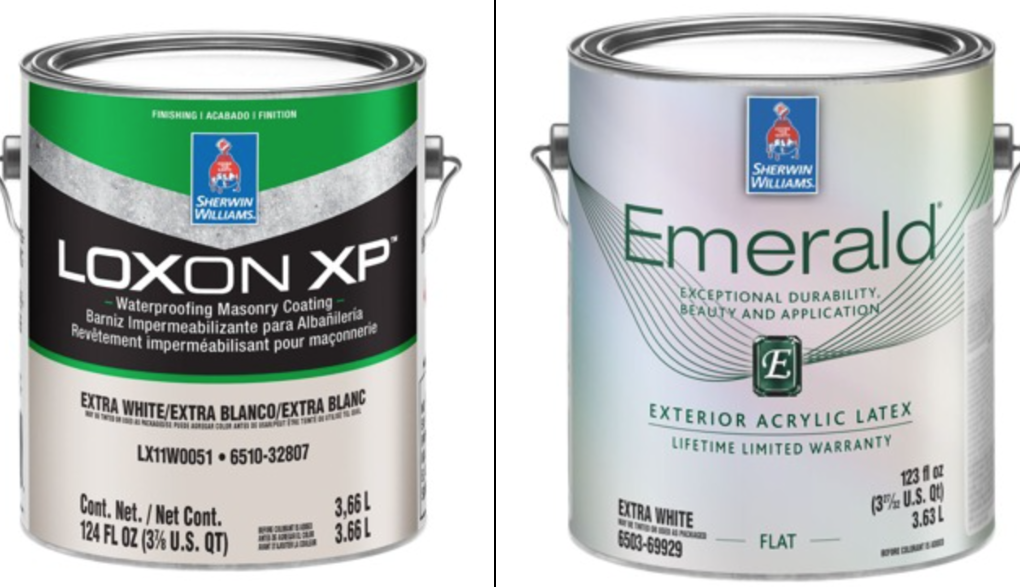
Elastomeric paint is usually the better choice when stucco needs waterproofing, crack bridging, or first-time sealing. Premium acrylic exterior paint is typically better for repaints where the stucco is already sealed, the surface is in good condition, and long-term color retention matters — especially for darker colors. For many Jacksonville stucco homes, the smartest approach is a blended one: repair and seal cracks with elastomeric where waterproofing matters most, then finish with a premium acrylic exterior paint like Sherwin-Williams Duration, Sherwin-Williams Emerald, Benjamin Moore Aura, or Benjamin Moore Regal for better color durability under Florida sun.
What Is Elastomeric Paint?
Elastomeric paint is a high-build, flexible coating designed specifically for stucco, masonry, and concrete block surfaces. It’s applied much thicker than standard exterior paint — typically 10 to 20 mils per coat compared to 2 to 3 mils for traditional acrylic — and that thickness is the source of nearly all its advantages and drawbacks.
The thick film build creates a true waterproofing membrane on the substrate, which is why elastomeric is so valuable on bare stucco or homes with hairline cracking. The flexibility means the coating can stretch slightly with the substrate as it expands and contracts through Florida’s seasonal humidity and temperature swings. That movement tolerance is what allows elastomeric to bridge small cracks that would split open a thinner acrylic film.
The trade-offs: elastomeric costs significantly more per square foot, requires more careful surface preparation, has a lower coverage rate (roughly 100 square feet per gallon versus 250–300 for acrylic), and is less breathable than acrylic — meaning trapped moisture in the wall can become a problem if the substrate isn’t fully dry before application.
For a deeper breakdown of when elastomeric is the right product and when it isn’t, read our complete guide to elastomeric paint for stucco homes in Jacksonville, FL.
What Is Premium Acrylic Exterior Paint?
Premium acrylic exterior paint is a water-based coating engineered for long-term durability, color retention, and breathability across a wide range of exterior surfaces. It’s the workhorse product of the residential exterior painting industry, and the premium tier — products like Sherwin-Williams Duration, Sherwin-Williams Emerald, Benjamin Moore Aura, and Benjamin Moore Regal — represents the strongest UV protection and weather-resistant performance available in standard exterior paint.
The key differences from elastomeric are physical. Acrylic applies thinner, dries faster, breathes more, and uses pigment systems specifically engineered for fade resistance under intense UV exposure. Modern premium acrylic formulations hold their color significantly longer than most elastomeric coatings, which is the single biggest argument for using acrylic on a stucco repaint where the existing waterproofing is still doing its job.
Acrylic also works on more surfaces. Where elastomeric is purpose-built for stucco, masonry, and concrete block, premium acrylic performs well on stucco, Hardie board siding, wood trim, fascia, soffits, doors, and shutters. For homes with mixed exterior materials — and most Jacksonville homes are mixed — that versatility matters because it means one product family across the whole exterior instead of multiple coatings to manage.
The trade-off: premium acrylic doesn’t bridge cracks and doesn’t waterproof the way elastomeric does. If your stucco has hairline cracks or has never been properly sealed, acrylic alone won’t solve those problems.
Elastomeric vs Premium Acrylic: Side-by-Side Comparison
Here’s how the two coatings compare across the factors that actually matter for a Jacksonville stucco repaint:
| Feature | Elastomeric Paint | Premium Acrylic Paint |
|---|---|---|
| Best use | Stucco, masonry, concrete block | Stucco, siding, trim, most exterior surfaces |
| Film thickness (DFT) | 10–20 mils per coat | 2–3 mils per coat |
| Crack bridging | Strong on hairline cracks | Limited |
| Waterproofing | True waterproofing membrane | Water-resistant, more breathable |
| Breathability | Lower | Higher |
| Fade resistance | Can fade faster, especially dark colors | Better long-term color retention |
| Coverage | ~100 sq ft per gallon | ~250–300 sq ft per gallon |
| Material + labor cost | Higher | Lower |
| Best for Florida use case | First-time stucco sealing, crack bridging | Repaints, color retention, dark colors |
Not sure which fits your home? Schedule a free exterior painting estimate and our team will walk your stucco, evaluate the existing coating, and recommend the right system based on your home’s specific situation.
When Elastomeric Paint Is the Better Choice
Elastomeric paint earns its higher cost when the project priorities are waterproofing, crack bridging, or sealing raw stucco for the first time. Specifically, elastomeric is usually the right call when:
- The stucco is bare or has never been properly sealed. Raw stucco is porous and absorbs water. A proper elastomeric coating creates a true waterproofing membrane that protects against wind-driven rain and moisture intrusion — both of which are constant in Northeast Florida thanks to summer thunderstorms and high humidity.
- The stucco has hairline cracks throughout the surface. Florida temperature swings, humidity cycles, and minor settling all create small surface cracks over time. Elastomeric’s high film build can bridge those hairlines, sealing them against water entry. Larger cracks still need to be repaired and caulked first — paint isn’t a structural fix — but for hairlines, elastomeric outperforms acrylic.
- The home is on concrete block or masonry. These substrates benefit from the same waterproofing properties that make elastomeric a good fit for stucco. The thick film handles surface porosity that thinner acrylic can’t seal effectively.
- The home is in a high wind-driven rain zone. Coastal homes in Ponte Vedra Beach, Atlantic Beach, and Amelia Island take direct beach storm exposure. Inland homes in Mandarin, Fleming Island, and St. Johns County still face afternoon thunderstorms that drive water horizontally into stucco walls. Elastomeric’s waterproofing reduces the long-term substrate damage from that exposure.
- Waterproofing is a higher priority than color retention. If the homeowner’s main goal is protecting the structure from water intrusion damage rather than maintaining a specific shade of paint over a decade, elastomeric’s waterproofing benefits justify the cost.
When Premium Acrylic Paint Is the Better Choice
Premium acrylic exterior paint is the better choice in more situations than most homeowners realize — particularly on repaints. Acrylic typically wins when:
- The stucco has already been painted with elastomeric in good condition. If the existing elastomeric coating is 4 to 8 years old and still bonded, the waterproofing layer is still doing its job. Adding another full elastomeric coat is often overkill. A premium acrylic topcoat protects the existing elastomeric, refreshes the color, and adds significantly better fade resistance — at a lower total cost.
- Color retention matters more than waterproofing. Premium acrylic formulations like Sherwin-Williams Duration, Emerald, Benjamin Moore Aura, and Regal use UV-resistant pigment technology specifically engineered to hold color under intense sun exposure. They consistently outperform elastomeric for long-term color retention, especially in darker shades.
- The home features dark exterior colors. This is the single most common situation where homeowners choose elastomeric and regret it within a few years. Darker elastomeric colors fade faster than premium acrylic darks under Florida sun. If your home features charcoal, navy, deep brown, or black, premium acrylic is almost always the better choice for long-term appearance. For a deeper breakdown, see our guide on why dark exterior paint fades faster in Florida.
- The home has mixed exterior surfaces. Most Jacksonville homes combine stucco with wood fascia, soffits, garage doors, and trim. Premium acrylic works across all of those surfaces with one coordinated product family. Elastomeric doesn’t bond well to wood or metal, so a mixed-material home using elastomeric needs separate coatings for the non-stucco surfaces — adding complexity and cost.
- Breathability is a concern. If there’s any chance of trapped moisture in the wall — older homes, areas with past flashing issues, or climate-driven humidity migration through the substrate — acrylic’s higher breathability allows that moisture to escape rather than getting locked in by an elastomeric membrane.
- Budget matters and the situation doesn’t require waterproofing. Premium acrylic delivers excellent exterior performance at a lower material and labor cost than elastomeric. When the waterproofing benefits aren’t the primary need, acrylic is the better dollar-per-year value.
The Florida Factor: How Sun, Humidity, and Coastal Conditions Change the Math
This comparison plays out differently in Northeast Florida than it does in most of the country. Three local conditions shift how each coating performs.
Intense UV exposure. Florida sun degrades exterior pigments faster than most regional climates. This is the single biggest factor pushing the choice toward premium acrylic for color-sensitive projects. Modern premium acrylic pigment systems hold up better against UV than most elastomeric formulations, particularly in darker colors. On south- and west-facing walls — where Jacksonville sun is most intense in the afternoon — that difference compounds over the life of the coating.
High humidity and wind-driven rain. This is where elastomeric’s waterproofing earns its keep. Afternoon thunderstorms in Jacksonville drive rain horizontally into stucco walls. Year-round humidity stresses every exterior surface. For homes with bare stucco or homes that haven’t been properly sealed in years, elastomeric’s waterproofing membrane is real protection — and the cost is justified by the substrate damage it prevents.
Coastal salt air. Homes in Ponte Vedra Beach, Atlantic Beach, Jacksonville Beach, and Amelia Island face additional stress from salt air, which accelerates substrate breakdown and pulls the lifespan of every coating shorter than the manufacturer-stated maximum. Both elastomeric and premium acrylic handle salt air better than budget paints, but neither is immune. Coastal homes often benefit from more frequent gentle cleaning to extend coating life regardless of which product is on the wall. For more on coastal-specific exterior considerations, see our guide on exterior repainting in Ponte Vedra Beach.
For homes in older neighborhoods like Mandarin, Riverside, Avondale, and San Marco — where stucco may be 30+ years old — these factors compound with substrate age. Older stucco often needs careful inspection before any coating decision is made.
Can You Paint Premium Acrylic Over Existing Elastomeric?
This is one of the most common questions we get from homeowners looking at a stucco repaint. The answer is usually yes, but only after a proper inspection.
For premium acrylic to bond well over existing elastomeric, the existing coating must be:
- Clean and free of dirt, mildew, and pollen buildup
- Dry — meaning no trapped moisture and no recent rain saturation
- Well-bonded with no peeling, blistering, or sheet failure
- Free of significant chalking (white powder when you rub the surface)
- Free of major cracking, especially cracks that go through the elastomeric film into the stucco below
If the existing elastomeric coating is failing — peeling, cracking, separating from the substrate, or showing serious water intrusion — recoating with premium acrylic won’t fix the underlying problem. The failure will telegraph through the new coat within months. In those situations, the failing elastomeric needs to be removed or repaired before any new coating goes on.
When the existing elastomeric is in good shape, a proper recoat with premium acrylic is straightforward: pressure wash with appropriate care, address any spot repairs, prime where needed, and apply two coats of premium acrylic. The result is a refreshed exterior with significantly better color retention than another elastomeric topcoat would deliver.
Can You Paint Elastomeric Over Existing Acrylic?
This is less common but it does come up — usually when a homeowner wants to add waterproofing protection to a home currently coated in acrylic. The answer is sometimes, but with more caveats.
Compatibility, prep, and substrate condition all matter. The existing acrylic coating needs to be well-bonded, properly cleaned, and free of chalking. The manufacturer’s technical data sheet for the specific elastomeric product should be checked against the existing coating type. Some elastomeric formulations require specific primers or surface preparation steps when going over existing paint.
The bigger question is usually: should you? If the goal is waterproofing protection on a home that currently has acrylic over stucco, often the better approach is to address the specific vulnerable areas — sealing cracks, recaulking joints, applying elastomeric primer to the most exposed elevations — rather than coating the entire home in elastomeric. That targeted approach delivers most of the waterproofing benefit at a fraction of the cost, and avoids the breathability and color retention trade-offs that come with full-home elastomeric application.
How the Cost Difference Breaks Down
Elastomeric paint typically runs significantly more than premium acrylic for the same square footage of exterior surface. The reasons:
- Material cost per gallon is higher for elastomeric due to the higher solids content and specialty formulation
- Coverage is roughly half. A gallon of elastomeric covers around 100 square feet on stucco. A gallon of premium acrylic covers 250–300 square feet on the same surface. You need roughly twice the material for the same area.
- Surface preparation is more involved. Pressure washing, chalk removal, crack sealing, and sometimes specialized priming all take more labor hours than acrylic prep.
- Application takes longer. Thicker coatings, slower dry times, and the multiple coats required for proper film build all extend the project timeline.
- Mistakes are more expensive to fix. Improperly applied elastomeric can lump, sag, or fail to bond — requiring full removal and recoating, which is far more expensive than spot-repairing acrylic.
None of that means elastomeric is overpriced. It means elastomeric should be selected when the waterproofing and crack-bridging benefits genuinely justify the higher cost. When they don’t — when the stucco is in good shape and color retention is the priority — premium acrylic delivers more long-term value per dollar.
Our Recommendation for Jacksonville Stucco Homes
After thousands of stucco repaints across Jacksonville, Ponte Vedra Beach, Nocatee, St. Johns County, Fleming Island, and the Beaches, here’s how we approach the elastomeric vs acrylic decision:
- For bare or never-properly-sealed stucco: elastomeric is the right call. The waterproofing protection is worth the higher upfront cost.
- For stucco with significant hairline cracking: elastomeric makes sense — but only after the cracks are sealed first, and only if the surface prep is done properly.
- For stucco previously painted with elastomeric in good condition: we usually recommend sealing any new cracks, applying elastomeric primer to the most vulnerable areas, then repainting the home with premium acrylic for better fade resistance and lower long-term cost.
- For darker exterior colors: we lean toward premium acrylic almost without exception. Sherwin-Williams Duration, Sherwin-Williams Emerald, Benjamin Moore Aura, or Benjamin Moore Regal all hold dark colors significantly better than most elastomeric formulations under Florida sun.
- For mixed-material exteriors: premium acrylic across the whole home keeps the coating system simpler and the results more consistent.
The honest truth is that very few stucco repaints actually need full-home elastomeric coverage. For most homes — especially those that have been painted at least once before — a strategic combination of crack-area elastomeric and full-home premium acrylic delivers better long-term performance at a lower total cost. For a complete breakdown of premium product options across every substrate type, see our guide on the best exterior paint for Florida sun and humidity.
The Final Verdict: Choosing Between Elastomeric and Acrylic
Here’s the simple decision framework:
Waterproofing, crack bridging, bare stucco protection, or first-time sealing on concrete block or masonry is the main concern.
Color retention, breathability, repaint value, dark color performance, or mixed-material coverage is the main concern.
You see chalking, peeling, cracks, moisture intrusion, or you’re not sure what coating is currently on your home.
Frequently Asked Questions
Is elastomeric paint better than acrylic paint for stucco?
Not always. Elastomeric is better for waterproofing and crack bridging, especially on bare or first-time-painted stucco. Premium acrylic is better for color retention, breathability, and lower cost — particularly on stucco that’s already been sealed. The right choice depends on whether your home needs waterproofing protection or color longevity.
Is acrylic paint good for stucco?
Yes, premium acrylic exterior paint works very well on stucco — particularly on stucco that has already been sealed by a previous elastomeric or acrylic coating. Premium acrylic formulations from Sherwin-Williams and Benjamin Moore are engineered specifically for stucco performance and offer excellent fade resistance, breathability, and durability.
Can acrylic paint go over elastomeric?
Often yes, after proper inspection. The existing elastomeric coating must be clean, dry, well-bonded, and free of significant chalking, peeling, or cracking. If the elastomeric coating is failing, painting over it with acrylic won’t fix the underlying problem. For more on diagnosing failing stucco coatings, see our guide on why stucco paint peels in Jacksonville.
Can elastomeric paint go over acrylic?
Sometimes, with the right prep and product compatibility. The existing acrylic must be well-bonded and properly cleaned, and the elastomeric manufacturer’s recommendations should be checked. In many cases, targeted elastomeric application on vulnerable areas combined with a full premium acrylic topcoat is more practical than full-home elastomeric application.
Which lasts longer on stucco — elastomeric or acrylic?
Properly applied elastomeric and premium acrylic can both last 7–10 or more years on stucco. The bigger variable is appearance — elastomeric darker colors often show significant fading within 4–6 years in Florida, while premium acrylic generally holds color longer.
Which fades less in Florida sun — elastomeric or acrylic?
Premium acrylic, particularly the top-tier products like Sherwin-Williams Duration and Emerald or Benjamin Moore Aura and Regal, generally outperforms elastomeric for long-term fade resistance under Florida sun. This is especially true for darker colors.
Which costs more?
Elastomeric typically costs significantly more than premium acrylic for the same square footage, due to higher material costs, lower coverage rate, and more involved surface preparation requirements.
Should I use elastomeric paint on wood trim?
No. Elastomeric is designed for stucco, masonry, and concrete block. It doesn’t bond properly to wood and can trap moisture against wood substrates. Use a premium acrylic exterior paint or trim enamel for wood fascia, soffits, doors, and trim.
Helpful Resources for Your Stucco Painting Project
Get the Right Coating for Your Home
Not sure whether your stucco home needs elastomeric or acrylic?
A New Leaf Painting has been the most reviewed painting contractor in Jacksonville since 2001. We’ll inspect your exterior, evaluate the existing coating, and recommend the right paint system — backed by our Iron-Clad Guarantee.
Top Rated Painters in Jacksonville, FL with reviews
A New Leaf Painting serves homeowners across Jacksonville and Northeast Florida with professional exterior painting and interior painting services. Whether your home needs a full exterior repaint, stucco repair, cabinet refinishing, trim painting, ceiling painting, or a move-in interior refresh, our team helps you choose the right process and products for your home.
We serve areas including Jacksonville, Mandarin, Southside, Ponte Vedra, Nocatee, St. Johns, Fleming Island, Orange Park, The Beaches, Amelia Island, and surrounding communities.