
What Colors Go With Gray? The Complete Homeowner’s Guide to Beautiful Color Combinations
Gray is one of the most versatile colors in residential painting — it works on walls, cabinets, exteriors, stucco, brick, and alongside gray roofing materials, and it can coordinate with nearly every other color in some form. But here’s what most color guides skip: not all grays are the same, and the gray you choose changes everything else about which colors actually work with it. Understanding undertone is one of the most important parts of getting a gray color scheme right, and it’s something our interior painters in Jacksonville, FL consider before recommending wall, trim, ceiling, cabinet, or accent colors.
The same principle applies outside. Gray exterior colors have to work with permanent elements such as roofing, brick, stone, pavers, garage doors, and landscaping while also responding to Jacksonville’s intense natural light. Our exterior painters in Jacksonville, FL regularly see colors that looked perfectly neutral on a small sample suddenly reveal blue, green, violet, or beige undertones once they’re applied across a large exterior elevation.
After more than 25 years of residential painting in Jacksonville, FL, we’ve learned that successful gray color combinations are less about finding a universally “perfect gray” and more about understanding the relationship between undertone, lighting, surrounding finishes, exposure, and the other colors that aren’t changing. This guide covers the major gray color questions homeowners ask us about — walls, cabinets, trim, exteriors, roofs, brick, and stucco — based on what we’ve seen work, and what we’ve seen go wrong, across thousands of painting projects throughout Jacksonville and Northeast Florida.
For even more guidance, explore our Interior Painting Resource Center for interior colors, sheen, wall finishes, preparation, and paint selection, or our Exterior Painting Resource Center for exterior colors, stucco, Florida weather, coating systems, preparation, and maintenance.
Warm Gray vs. Cool Gray: The Concept That Changes Everything
Most gray paint colors reveal some degree of undertone — a secondary color influence that may become much more noticeable once the paint is applied across a large wall or exterior surface. Some grays lean warm, with beige, brown, taupe, or sometimes green influences. Others lean cooler, with blue, violet, or cooler neutral characteristics.
This is one of the biggest sources of the “Why does my gray look wrong?” questions we hear. Often, the gray isn’t necessarily a bad color. The problem is the relationship between its undertone and the home’s lighting, flooring, countertops, cabinetry, furnishings, roof, brick, stone, or other permanent finishes nearby.
Lighting changes everything about how undertone reads:
- North-facing rooms get cooler, more diffused, bluish natural light throughout the day — this can make a warm gray look flatter and a cool gray look even cooler, sometimes almost blue.
- South-facing rooms get strong, warm, direct light for much of the day — warm grays tend to glow beautifully here, while cool grays can sometimes look washed out or slightly green.
- East-facing rooms get warm morning light and cooler afternoon light — meaning the same gray can genuinely look different at 8am versus 4pm in the same room.
- West-facing rooms get cooler morning light and warm, intense afternoon and evening light — a strong factor in Florida especially, where west-facing rooms take serious late-day sun.
- Natural light shows a gray’s true undertone far more accurately than most artificial bulbs.
- Artificial light — particularly older warm-toned incandescent or certain LED bulbs — can shift a neutral gray noticeably warmer, sometimes revealing a purple or lavender undertone in grays that looked perfectly neutral in daylight.
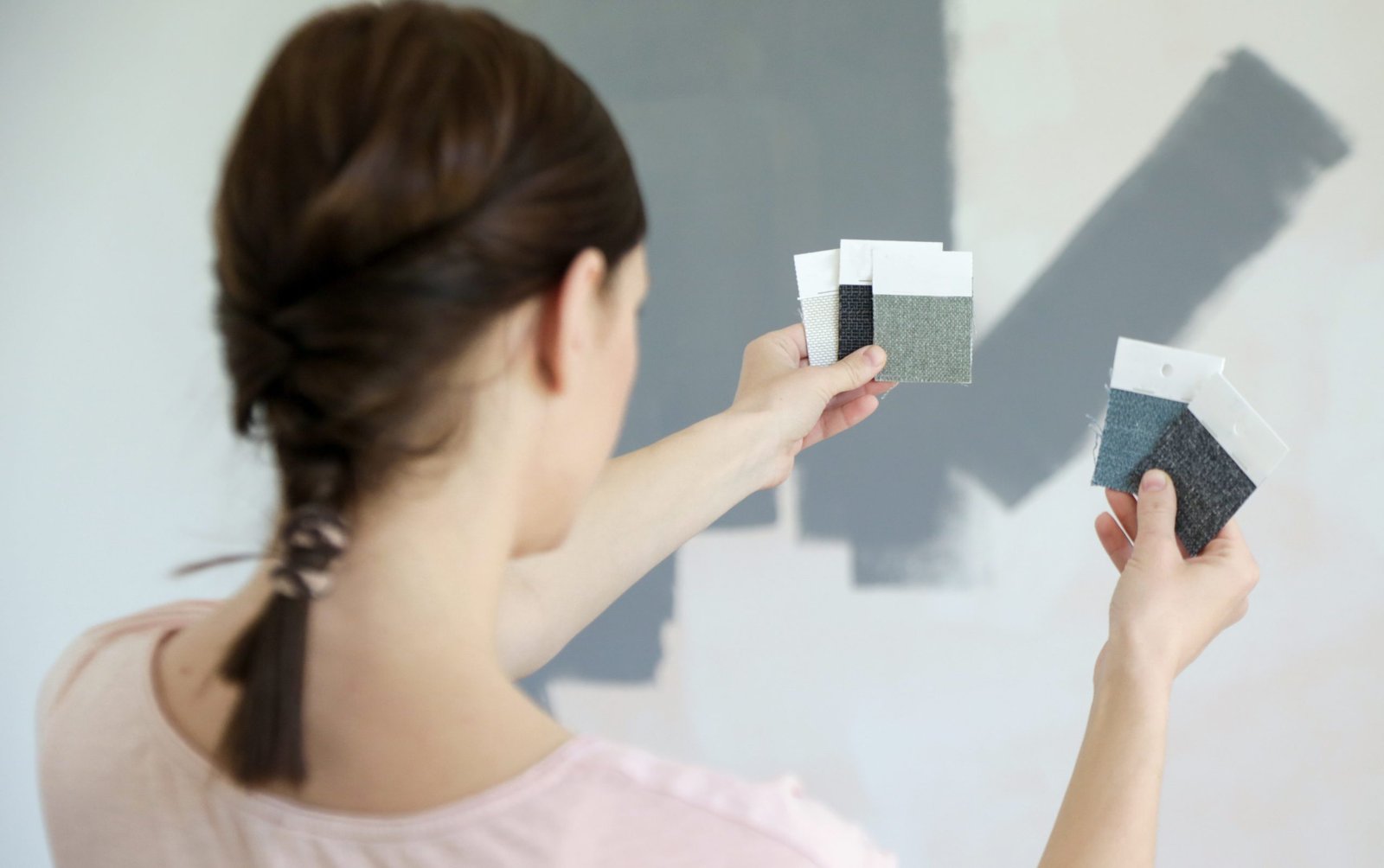
This is exactly why we never recommend choosing gray from a small chip under store lighting. A large sample, viewed in the actual room at different times of day, is the only reliable way to know what you’re really getting. Sherwin-Williams’ own guide to choosing the right gray covers this same undertone principle in more technical detail if you want to go deeper.

The Best Colors That Go With Gray
White. The most classic, foolproof pairing — crisp white trim against any gray wall or exterior reads clean and timeless. Works in both modern and traditional settings. The mistake we see most: pairing a warm gray with a stark, cool white, which creates a visual clash rather than a clean contrast. Match the white’s undertone to the gray’s.
Cream. A softer alternative to bright white, especially with warm grays. Reads more traditional and cozy than a stark white, and works particularly well in living rooms and bedrooms where you want contrast without starkness.
Black. A high-drama, high-impact pairing — think black window frames or a black front door against gray siding. Works best in modern and modern-farmhouse styles. The mistake homeowners make is using too much black at once; it works best as an accent, not a dominant secondary color.
Navy. One of our most-requested pairings for both interiors and exteriors. Navy front doors against gray siding are extremely popular right now, and for good reason — navy adds richness without competing with gray’s neutrality.
Blue (dusty or soft blue). A gentle, coastal-leaning pairing that works beautifully with cool grays especially. Common in bedrooms and bathrooms for a calm, airy feel.
Sage green. One of the strongest current trends, and one we expect to have real staying power rather than fade quickly. Sage pairs beautifully with warm grays and greige, giving rooms and exteriors an organic, calm quality.
Olive green. A deeper, more traditional green that pairs well with warmer grays for a more grounded, natural palette — increasingly popular on front doors and kitchen islands.
Forest green. A bold, saturated choice best used as an accent — a front door, an island, a piece of furniture — rather than a dominant wall color alongside gray.
Charcoal. Essentially gray’s darker sibling — using two shades of gray together (a lighter wall gray with charcoal trim or an accent wall) is a sophisticated, modern approach that reads intentional rather than monotone, as long as there’s enough contrast between the two.
Greige. The warm-cool bridge color — part gray, part beige. It’s become one of the most popular exterior and interior colors in Florida over the last several years because it pairs easily with almost anything and photographs beautifully in strong natural light.
Beige. A classic warm neutral pairing, best with warm grays specifically — beige next to a cool, blue-toned gray can look mismatched rather than complementary.
Taupe. A warm gray-brown that blends almost seamlessly with warm grays, useful for creating tonal, layered neutral schemes without much visual risk.
Brown. Works well with warm grays in more traditional homes, especially paired with natural wood tones for a grounded, earthy palette.
Natural wood. One of our favorite pairings, especially in kitchens and exteriors — wood cabinetry, wood front doors, and wood garage doors all bring warmth that keeps a gray scheme from feeling cold or sterile.
Gold. Works as a metallic accent (hardware, light fixtures, mirror frames) rather than a paint color — gold against gray reads warm, elevated, and modern-traditional.
Brass. Similar to gold but slightly warmer and more vintage-leaning — a popular hardware and fixture choice against both warm and cool grays right now.
Bronze. A deeper, more subdued metallic that pairs especially well with cooler grays for a more industrial, modern aesthetic.
Terracotta. An unexpected but striking pairing, especially with cool grays — common in Mediterranean and Spanish-influenced Florida homes, often through roof tile, planters, or an accent door.
Soft pink. A surprisingly sophisticated pairing with warm grays specifically — works well in bedrooms and powder rooms for a soft, modern-traditional look without feeling overly sweet.
Mustard. A bold accent color that adds real energy against a neutral gray backdrop — best used sparingly, in furniture or a single accent wall, rather than as a dominant color.
Burgundy. A rich, traditional accent that pairs particularly well with cooler, more charcoal-leaning grays — common in front doors and formal dining rooms.
Gray Walls: Building the Full Room
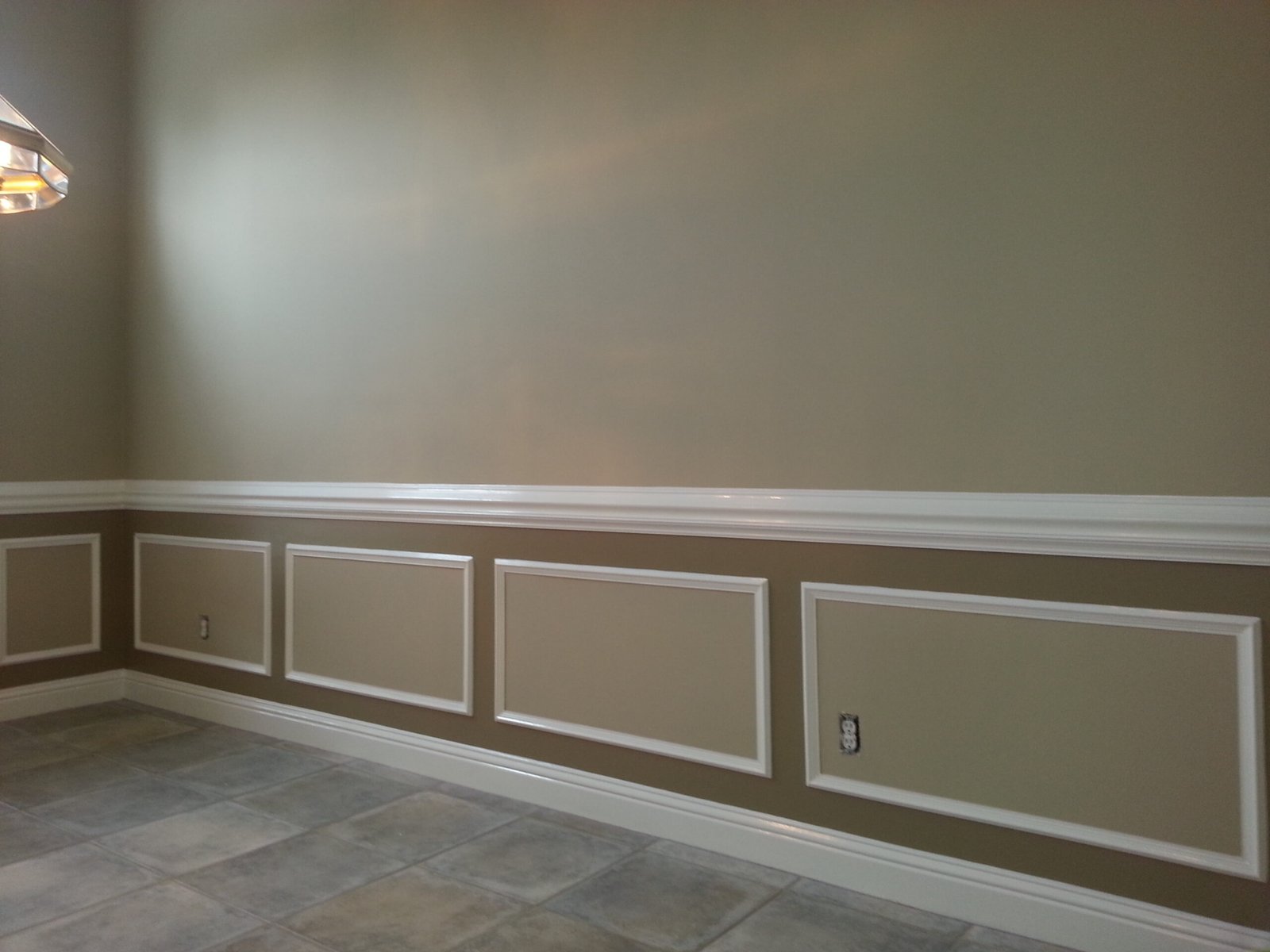
- Best trim colors: crisp white for a clean, classic contrast, or a slightly softer off-white if the gray leans warm — matching undertone between wall and trim avoids a subtle clash most homeowners can sense but can’t quite name.
- Best ceiling colors: a soft white or the wall color at a lighter tint both work well; a stark white ceiling against a warm gray wall can occasionally look slightly blue by contrast — worth testing together.
- Best flooring: warm gray walls pair beautifully with natural or medium-toned wood floors; cool gray walls pair well with either lighter wood or gray-toned flooring for a more monochromatic, modern look.
- Best furniture: neutral or wood-toned furniture keeps a gray room grounded; a single saturated accent piece (navy sofa, sage chair) adds personality without overwhelming the space.
- Best artwork: gray is one of the easiest backdrop colors for artwork — nearly any palette works, though warm-toned art pairs more naturally with warm gray walls and vice versa.
- Lighting: warmer bulb temperatures (soft white, around 2700-3000K) generally flatter gray walls better than stark daylight bulbs, which can make gray read colder and flatter than intended.
Gray Cabinets: Kitchens and Baths
- Countertops: white or light gray quartz/marble-look countertops are the most popular pairing, keeping the kitchen bright; warmer countertop tones (beige-toned granite, butcher block) pair better with warm gray cabinets specifically.
- Backsplashes: white subway tile remains the most requested pairing for a reason — it’s foolproof against nearly any gray cabinet tone. For more personality, a soft sage or dusty blue tile is a strong current trend against warm gray cabinets.
- Hardware: brushed nickel and matte black are the two most requested finishes against gray cabinetry right now; brass and gold are gaining ground for a warmer, more elevated look.
- Walls: a soft white or warm cream wall keeps a gray cabinet kitchen from feeling monochromatic and cold; pairing gray walls with gray cabinets can work but needs deliberate contrast in tone (lighter wall, deeper cabinet, or vice versa) to avoid looking flat.
- Flooring: warm wood floors are our most common recommendation to balance a gray kitchen and keep it from feeling sterile.
- Lighting: kitchens benefit from layered lighting — under-cabinet task lighting plus warmer ambient fixtures — since gray cabinets can look flat under a single harsh overhead light source.
Gray Exterior Homes: The Biggest Opportunity in This Guide
Gray exteriors are one of the most requested colors we paint across Northeast Florida, and there’s a lot more nuance to getting it right than picking a swatch:
- White trim is the most classic, universally safe pairing for a gray exterior — clean, timeless, and easy to keep looking sharp.
- Black windows have become one of the defining features of the modern farmhouse and modern coastal look popular across newer Northeast Florida communities — they add real definition against gray siding or stucco.
- Natural wood accents — a wood front door, wood garage door, or wood porch ceiling — add warmth that keeps an all-gray exterior from feeling flat or cold, especially with cooler grays.
- Brick pairs differently depending on the brick’s own undertone — a warm red-brown brick pairs best with warm grays, while a lighter or more muted brick has more flexibility.
- Stone accents generally read well against nearly any gray, especially cool grays with blue-gray stone tones.
- Front doors are the highest-impact, lowest-cost color decision on a gray exterior — navy, black, and natural wood stain are our three most-requested colors against gray siding and stucco.
- Garage doors — increasingly painted to match or complement the body color rather than left builder-white, especially on homes with prominent, street-facing garages.
- Shutters — black or charcoal shutters against a lighter gray body remain a dependable, classic combination; white shutters against a darker gray body offer a softer contrast.
- Roof colors — this deserves its own full section below, since it’s one of the biggest constraints on exterior color choice.
- Landscaping — deep green foliage reads beautifully against nearly any gray exterior; lighter, silvery-toned plants pair especially well with cool grays for a coordinated, coastal feel.
- Florida sunlight — our intense, near-constant UV exposure makes color and undertone testing more important here than in most parts of the country. A gray that looks perfect on a cloudy day in a showroom can shift noticeably once it’s on a sun-drenched south- or west-facing wall.
- HOA considerations — many Northeast Florida communities have architectural review requirements for exterior color, and gray is broadly popular enough that most HOAs have multiple approved gray options — still always worth confirming your specific community’s palette before falling in love with a shade.

Gray Roof: What Exterior Colors Actually Work
A gray roof is one of the most flexible roofing colors to build a color scheme around — unlike a dark brown or terracotta roof, which locks you into a narrower palette, gray plays well with warm tones, cool tones, and true neutrals alike.
- Stucco — greige, warm white, or soft gray body colors all pair naturally with a gray roof; the key is matching undertone between roof and stucco rather than treating them as unrelated decisions.
- Brick — a gray roof generally pairs well with most brick tones, though a very warm red-orange brick benefits from a slightly warmer gray roof undertone to avoid feeling disjointed.
- Hardie/fiber cement siding — some of our most popular color combinations pair a gray roof with a soft white or warm greige Hardie body and black or navy accents.
- Wood — natural or stained wood accents against a gray roof read warm and grounded, a common choice in more craftsman-influenced Northeast Florida homes.
- Front doors — navy and black are the two strongest performers against a gray roof, holding up visually regardless of whether the home’s body color leans warm or cool.
- Trim — white remains the safest, most broadly compatible trim choice under a gray roof.
- Garage doors — matching or closely coordinating with the body color keeps the overall look cohesive under a gray roof rather than introducing a competing tone.
Gray Brick Homes
Gray brick has become increasingly popular on newer Northeast Florida construction, and it opens up more color flexibility than a traditional red brick home. White or cream trim keeps things classic; black windows and a navy or black front door give it a more modern edge. Greige or soft white body color on any non-brick sections typically ties the whole exterior together without competing with the brick’s texture and tone.
Gray Stucco Homes in Jacksonville
Stucco is the dominant exterior finish across most Northeast Florida communities, and gray stucco specifically has become one of our most requested colors over the last several years. What we’ve learned painting hundreds of these homes: warmer grays generally photograph and age better under Florida’s intense sun than very cool, blue-leaning grays, which can occasionally read almost lavender in strong direct light. Pairing warm gray stucco with white or cream trim, black or navy accents, and natural wood door elements is consistently one of our best-performing combinations across Nocatee, Ponte Vedra, St. Johns County, and the greater Jacksonville area.
Best Sherwin-Williams Gray Paint Colors
These are the Sherwin-Williams grays we recommend most often. You can explore the full range yourself using Sherwin-Williams’ online color explorer, though we’d still recommend testing a large physical sample before committing.
- Agreeable Gray — one of the most popular warm grays available, an excellent whole-home neutral that reads beautifully in Florida’s natural light.
- Repose Gray — a balanced, slightly cooler gray that works well in rooms with strong natural light without feeling cold.
- Worldly Gray — a warm, greige-leaning gray, a strong choice for homeowners wanting warmth without going fully beige.
- Mindful Gray — a deeper warm gray, popular for accent walls and exteriors wanting more depth than a pale neutral.
- Drift of Mist — a soft, light warm gray excellent for brightening a room while still reading as gray rather than white.
- Passive — a cooler, more blue-leaning gray, a strong choice for north-facing rooms or homeowners specifically wanting a crisp, modern cool gray.
- Gray Screen — a mid-tone, balanced gray with subtle green undertones, popular for both interiors and exteriors.
- City Loft — a cool, sophisticated gray well suited to modern interiors and exteriors.
- Accessible Beige — technically a greige, and one of the most versatile whole-home colors we recommend for homeowners who want gray’s coolness with beige’s warmth.
Best Benjamin Moore Gray Paint Colors
These are our most-recommended Benjamin Moore grays. Benjamin Moore’s full gray color collection is worth browsing for the complete range, including their dedicated exterior-specific gray palette.
- Classic Gray — an extremely pale, warm gray that reads almost like a soft white in many lighting conditions.
- Balboa Mist — a light warm greige, a dependable whole-home neutral.
- Gray Owl — one of Benjamin Moore’s most popular grays, a soft, slightly cool neutral that works in nearly any room.
- Coventry Gray — a mid-tone, historically inspired gray with excellent depth for both walls and exteriors.
- Chelsea Gray — a deeper, more dramatic gray popular for accent walls, trim, and exterior doors.
- Stonington Gray — a cool, coastal-leaning gray, especially popular in Northeast Florida’s coastal communities.
- Edgecomb Gray — technically a warm greige, one of the most universally flattering whole-home colors available.
- Revere Pewter — a warm greige that remains one of the most requested colors we’ve painted over the years, for good reason — it performs beautifully across almost any lighting condition.
Common Gray Mistakes We See Constantly
- Choosing the wrong undertone for the room’s light direction — a cool gray in a north-facing room can look flat and lifeless; a warm gray in intense south-facing light can look almost pink or dingy.
- Ignoring lighting entirely — choosing a color under store fluorescent lighting or from a phone screen photo rather than testing it in the actual room.
- Using too much gray with no variation — an entire home in a single flat gray tone, with no lighter or darker accents, can feel monotonous rather than sophisticated.
- No contrast anywhere — pairing gray walls, gray trim, and gray furniture with no white, black, or accent color to create visual definition.
- Wrong sheen for the surface — using a flat finish in a high-traffic hallway, or a glossy finish on an exterior where a matte or satin would age more gracefully.
- Ignoring existing flooring — choosing a gray wall color that clashes with warm-toned existing hardwood or tile rather than working with what’s already there.
Gray Paint Trends: What Will Last and What Won’t
- Modern — cool, true grays paired with black accents and clean lines remain strong in newer construction.
- Timeless — warm greiges like Revere Pewter and Accessible Beige have proven themselves over more than a decade and show no signs of fading as a safe, resale-friendly choice.
- Farmhouse — warm gray paired with white trim and black windows remains extremely popular across newer Northeast Florida communities.
- Transitional — soft, mid-tone grays that bridge traditional and modern styles continue to be one of our most requested whole-home palettes.
- Coastal — cool, blue-leaning grays paired with white and natural wood remain a defining look for homes near the water.
- Luxury — deeper charcoal and moody gray tones, often paired with brass or gold accents, are trending upward for homeowners wanting a more dramatic, elevated look.
- Florida-specific — greige has outlasted nearly every other gray trend in our market specifically because it performs so consistently across our intense sunlight and humidity without shifting as dramatically as some cooler grays can.
Gray’s staying power isn’t just anecdotal from our own projects — Pantone named “Ultimate Gray” one of its Colors of the Year for 2021, and organizations like the Color Marketing Group, which forecasts color trends across industries, have tracked gray’s dominance in home design for well over a decade now — not a fleeting trend, but a genuinely durable color family.
Jacksonville-Specific Color Advice
A few things specific to painting gray in our market that don’t apply everywhere:
- Florida sunlight is more intense and more constant than in most of the country, which means color and undertone testing matters more here — a gray that looks perfect on a cloudy reference photo can shift noticeably once it’s on a sun-exposed wall.
- Humidity affects more than just the coating itself — it can subtly affect how sheen reads on a surface, which is part of why we generally steer homeowners toward satin or eggshell rather than flat for most gray exterior and high-traffic interior applications.
- Coastal style homes closer to the water lean naturally toward cooler grays and blues; homes further inland have more flexibility toward warmer grays and greige.
- Modern homes in newer developments increasingly favor cooler, more saturated grays paired with black accents.
- Stucco is the dominant surface in our market, and as covered above, warmer grays tend to perform more consistently under our sun than very cool ones.
- HOA communities throughout Northeast Florida generally have gray well-represented in approved palettes, given its popularity, but always worth confirming specifics before committing.
- Heat and reflection — darker gray tones absorb more heat, a real factor on stucco exteriors in direct Florida sun; lighter grays reflect more and can help moderate surface temperature.
- Natural vegetation — Northeast Florida’s lush, deep-green landscaping provides a natural, built-in complement to nearly any gray exterior, which is part of why gray performs so well here visually year-round.
Why Professional Color Consultation Matters
Samples matter more than most homeowners expect, and a small chip simply doesn’t tell the real story. A few things we always recommend:
- Large sample boards — a small paint chip or even a small painted swatch on the wall isn’t large enough to accurately judge how a color will read across an entire room or elevation. A large-format sample gives a far more honest preview.
- Morning vs. evening testing — viewing a sample at multiple points in the day reveals how much a color actually shifts with your home’s specific light exposure.
- Artificial lighting — testing a sample under your home’s actual evening lighting, not just daylight, since many homes are experienced as much in the evening as during the day.
Our complimentary color consultation brings large-format samples directly to your home so you can see real color, at real scale, in your actual lighting before committing. This process-driven approach to color selection is also part of what industry organizations like the Painting Contractors Association emphasize as a best practice across the professional painting industry — proper sampling isn’t just a nice-to-have, it’s standard professional protocol for a reason.

Frequently Asked Questions
Is gray going out of style?
No — gray has proven far more durable as a design choice than many trend-driven colors, particularly warm greiges, which have held steady in popularity for over a decade.
Is gray still popular for exteriors?
Yes, gray remains one of the most requested exterior colors we paint, especially on stucco and Hardie siding homes throughout Northeast Florida.
What’s the best white to pair with gray walls?
Match undertones — a warm white for warm gray walls, a cooler white for cool gray walls, to avoid a subtle visual clash.
Does gray go with wood tones?
Yes, especially warm grays paired with medium or natural wood tones — this is one of our most popular combinations for both interiors and exteriors.
Does gray go with beige?
It can, but works best when the gray leans warm — pairing a cool, blue-toned gray directly with beige can look mismatched.
Does gray go with black?
Yes — gray and black is one of the most popular modern combinations, especially charcoal or dark gray accents against a lighter gray body.
What’s the difference between warm gray and cool gray?
Warm grays carry undertones of beige, brown, or green; cool grays carry undertones of blue or purple. The undertone becomes visible once the color is on a large surface, even if it looked neutral on a small chip.
How do I know if my gray is warm or cool?
Compare a large sample against a true white piece of paper in natural daylight — any undertone becomes much more visible against a neutral reference.
What flooring goes best with gray walls?
Warm gray walls pair beautifully with medium-toned wood floors; cool gray walls pair well with lighter wood or gray-toned flooring for a more monochromatic look.
What roof color goes with gray?
Gray roofs are highly flexible and pair with nearly any exterior body color; the goal is matching undertone between roof and siding or stucco rather than treating them separately.
Do gray cabinets go out of style?
Gray cabinets have held steady in popularity for years now and show no strong signs of fading — pairing them with warm accents (wood floors, brass hardware) helps keep the look from feeling dated.
What exterior colors pair with gray?
White trim, black or navy accents, and natural wood elements are our three most consistently requested pairings for gray exteriors.
What color front door looks best with gray?
Navy, black, and natural wood stain are our most-requested front door colors against gray siding and stucco.
What color shutters go with gray?
Black or charcoal shutters against a lighter gray body is a classic, dependable combination; white shutters work well against a darker gray body.
Does gray go with brick?
Yes, with the specific pairing depending on the brick’s undertone — warmer brick pairs best with warmer grays, and vice versa.
Does gray go with stucco?
Gray stucco is one of the most popular exterior choices we paint in Northeast Florida, especially warmer gray tones that hold up well under our intense sun.
What trim color goes with gray walls?
White is the most classic, versatile choice; a soft off-white works well if the gray leans warm.
Should the ceiling be a different color than gray walls?
Often yes — a soft white or lighter tint of the wall color both work well; test together since a stark white ceiling can sometimes create unwanted contrast against a warm gray wall.
What furniture colors go with gray walls?
Neutral and wood-toned furniture keeps a gray room grounded; a single saturated accent piece adds personality without overwhelming the space.
Is greige the same as gray?
No — greige is a specific blend of gray and beige, offering some of gray’s coolness with beige’s warmth, and it’s become one of the most popular colors in our market for exactly that reason.
What’s the most popular gray paint color right now?
Warm greiges like Revere Pewter, Accessible Beige, and Agreeable Gray remain consistently among our most requested colors.
Does gray make a room look smaller?
Not inherently — lighter grays can brighten and open up a room much like a soft white, while darker charcoal grays are better suited to spaces where a cozier, more enclosed feel is the goal.
What sheen should I use for a gray exterior?
Satin or eggshell finishes are generally our recommendation for Florida exteriors — enough sheen for durability and easy cleaning without excessive glare in direct sun.
Can I use gray in every room of my house?
You can, but varying the specific shade and adding contrast through trim, furniture, and accents keeps a whole-home gray scheme from feeling monotonous.
Does gray work well in small bathrooms?
Yes, especially lighter, warmer grays paired with white fixtures and trim — a popular, timeless combination for both powder rooms and full baths.
How do I choose between two similar grays?
Test large samples of both side by side in your actual room, across different times of day — the difference that looked subtle on a chip is often much more obvious at full scale in real light.
Conclusion: Choosing Gray with Confidence
Gray earns its reputation as one of the most versatile colors in residential painting, but “versatile” doesn’t mean “foolproof” — undertone, lighting, and the colors you pair it with all determine whether a gray scheme feels intentional and beautiful or slightly off in ways that are hard to pinpoint. The good news is that once you understand warm versus cool undertones and test real samples in your actual space, choosing the right gray — and the right colors to go with it — becomes a straightforward decision rather than a guessing game.
If you’re planning a gray color scheme for your walls, cabinets, or exterior, we’re glad to walk you through it directly, bring large-format samples to your home, and help you land on a combination that will genuinely hold up in your specific light.
Ready to talk through your gray color scheme? Schedule a free color consultation. Call 904-615-6599.