
More Than Paint: What a Complete Interior Painting Service Should Include
If you’ve gathered a few estimates from interior house painters in Jacksonville, FL, you’ve probably noticed the prices don’t always line up — and it isn’t always obvious why. One quote comes in low, another sits noticeably higher, and both say “interior painting” at the top. The difference is rarely just the paint. It’s everything surrounding the paint: how your home is protected, which repairs and preparation are included, how carefully surfaces are prepared, what products and finishes are specified, and what happens from setup through final cleanup.
Professional interior painters in Jacksonville, FL should be able to clearly explain what is included in the scope before work begins. That may include protecting floors and furnishings, drywall repair, sanding, caulking, spot priming, walls, ceilings, trim and doors, along with the number of coats, specified products, cleanup, and final walkthrough. Understanding those details makes it much easier to compare two estimates that may look similar on the surface but include very different levels of preparation and workmanship.
This guide walks through what a professional interior painting job actually includes, step by step, so you can compare estimates with a better understanding of what you’re paying for. A New Leaf Painting Contractors has been painting homes throughout Jacksonville and Northeast Florida since 2001, and homeowners who want to dig deeper into preparation, paint finishes, products, common problems, and planning can also explore our Interior Painting Resource Center.
Anyone can give you a cheap bid. Not everyone can provide peace of mind.
A Professional Paint Job Starts Before the Paint Goes On
Most homeowners start with color, and color matters. But the finished result, the part you’ll live with for years, depends far more on preparation and protection than on the shade you pick. A wall that wasn’t patched, sanded, and primed properly will show every flaw the moment afternoon light rakes across it, no matter how nice the paint is.
A professional interior painting project should feel organized from the first estimate to the final walkthrough. Peace of mind comes from knowing what is included, how your home will be protected, who is responsible for communication, and what happens before the first coat of paint goes on. That’s the real product. You can see how we sequence a job from start to finish on our painting process page.
1. A Clear Written Scope Before Work Begins
A real estimate defines the work in writing so there’s nothing to argue about later. At a minimum, it should spell out which rooms are included; whether walls, ceilings, trim, doors, closets, or cabinets are in scope; the number of coats; which drywall repairs are covered; whether caulking and sanding are included; where primer will be used; the paint product and sheen; who is moving furniture; how cleanup is handled; the timeline; and anything specifically excluded.
Vague estimates are where surprises come from. “Paint the interior” can mean five very different jobs at five different prices. For a broader overview of what we cover, visit our interior painting services page, and when you compare bids, make sure you’re comparing the same scope, not just the same words.
2. Furniture Moving and Room Preparation
Before work begins, the scope should clarify what the painting crew will move and what the homeowner should remove ahead of time. Typically a crew can shift smaller furniture away from the walls, group pieces toward the center of the room, and cover large items that stay put. What you’ll usually want to handle yourself is anything fragile or irreplaceable: wall art, electronics, valuables, and personal items.
The point isn’t to promise that a crew hauls out your entire living room. It’s that a professional job settles the furniture question up front, in the estimate, so nobody is improvising on the morning of day one.
3. Floor Protection and Surface Covering
Protecting your floors is one of the plainest signs of a professional crew. Depending on the surface, that means drop cloths, rosin paper where appropriate, and plastic sheeting, with specific care for carpet, hardwood, tile, and stairs. It also means protecting the things around the work: countertops, cabinets, fixtures, railings, and built-ins.
This is where “we treat your home like people live there” stops being a slogan and starts being a checklist. You’re trusting a crew inside your personal space, often while your family is still living in it, and the covering that goes down before any can is opened tells you a lot about how the rest of the job will go.
4. Plastic, Masking, and Dust Control
A tidy job contains itself. That includes masking doorways where needed, hanging plastic to protect furniture and openings, and taking care around HVAC returns and vents so sanding dust doesn’t travel through the whole house. On multi-day projects where the family is home, containing the work area and protecting adjacent rooms makes the difference between a livable job site and a disruptive one.
One honest note: no interior repaint is truly “dust-free” unless a crew is running dedicated dust extraction on every sanding pass. What a good crew delivers is real dust control and reduction, careful containment, and thorough cleanup, not a magic wand.
5. Drywall Patching and Wall Repairs
Paint does not hide bad drywall prep. If anything, a fresh coat highlights it. Most professional interior jobs include the routine repairs that come with a lived-in home: nail holes, dents and dings, small cracks, nail pops, minor texture issues, old anchor holes, and small settlement cracks. These get filled, sanded, and made ready so the wall reads as one smooth surface.
Larger repairs are a different animal and should be listed clearly rather than assumed. For bigger wall damage, texture issues, or patching beyond the routine, our drywall repair services can be included before painting begins, so the repair and the repaint are planned together instead of colliding mid-project.
6. Sanding Rough Areas and Previous Paint Imperfections
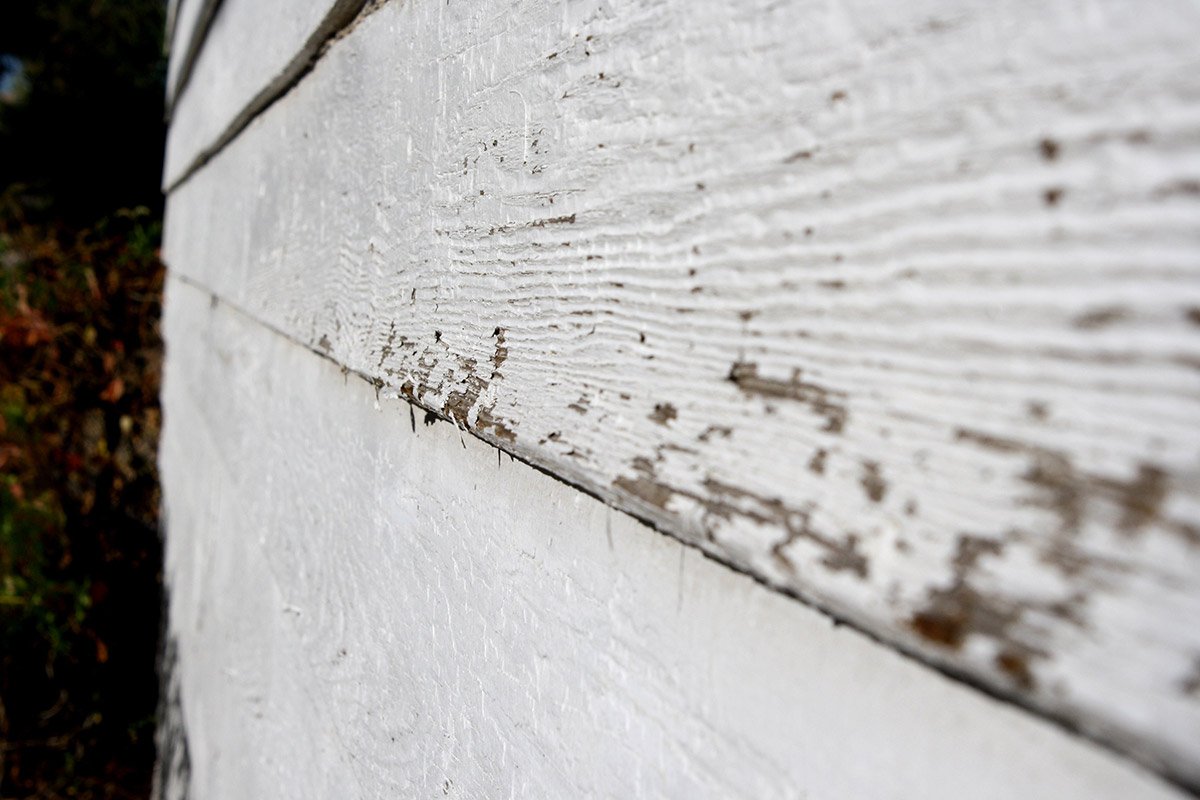
Sanding is quiet, unglamorous, and completely visible in the final result. A professional crew sands patches smooth, knocks down rough roller texture from the last paint job, feathers the edges of repairs so they disappear, and scuff-sands glossy trim and doors so the new enamel actually bonds. Little bumps and debris get removed before, not painted over.
Run your hand along a well-prepped wall and you feel nothing. That’s the goal, and it’s the step cheap bids skip first because no one sees it happening.
7. Caulking Trim Gaps, Baseboards, and Crown Molding
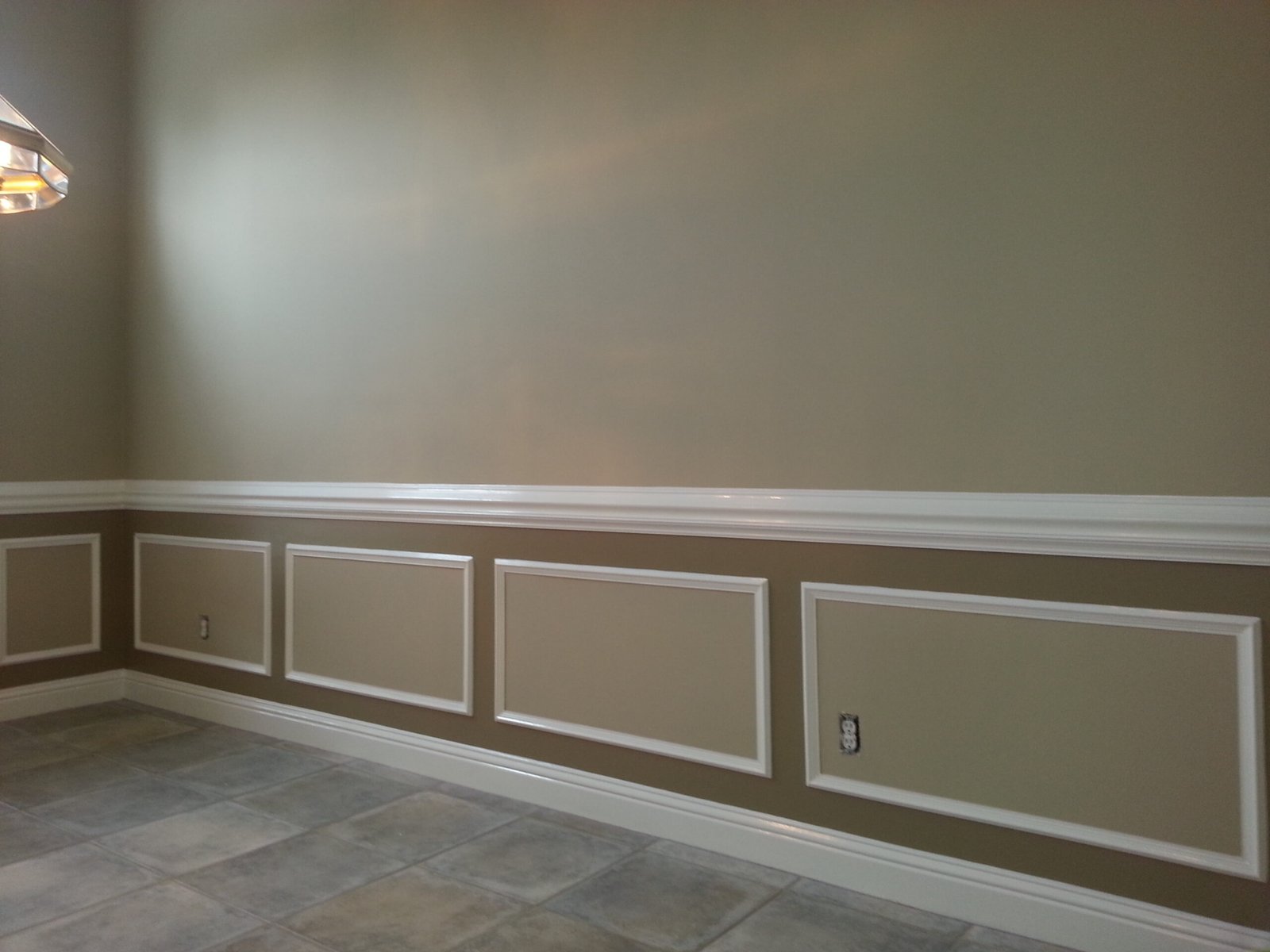
Caulk is what makes trim look crisp instead of tired. A thorough crew caulks the gaps where trim meets the wall and the cracks that open at corners and joints across baseboards, crown molding, door and window casing, chair rail, wainscoting, and built-ins. Those thin shadow lines around old trim are usually failed or missing caulk, and filling them is what separates a finished-looking room from a rushed one.
You can also read our guide to interior painting by room to see how trim, doors, ceilings, and walls work together in different spaces.
8. Priming Stains, Patches, and Problem Areas
Primer isn’t needed on every square foot, and a crew that primes everything by reflex is padding the job. But primer is essential in the right spots: water stains, smoke stains, tannin or wood-knot bleed, patched drywall, bare drywall, glossy surfaces, and dark colors you’re trying to cover. Skip it there and the problem bleeds right back through the finish coat.
The skill is knowing the difference. A professional painter primes where the surface requires it and paints where it doesn’t, rather than hoping a couple of color coats will bury a stain that was always going to reappear.
9. Clean Lines Around Ceilings, Trim, Doors, and Corners
Cut lines are where craftsmanship shows. Straight, clean transitions where the wall meets the ceiling, along baseboards and crown molding, around door frames and window casing, at accent walls and color changes, and into tight corners are the details your eye catches without quite knowing why. Crisp lines read as “professional.” Wavy, bleeding, or doubled-up lines read as “someone rushed.”
This is steady, patient handwork, and it’s a big part of what you’re paying for over a weekend DIY.
10. Painting Walls, Ceilings, Trim, and Doors
Each surface has its own job. Walls need even coverage and a washable finish that stands up to cleaning, especially in high-touch Jacksonville homes. Ceilings usually take a flat finish that hides imperfections and covers old stains or patched areas. Trim gets a durable enamel, commonly semi-gloss or satin, so it wipes clean and holds up to contact. Doors are handled constantly, so they need a smoother finish and careful attention around the edges and hardware. Built-ins often call for extra prep and a finer finish because you see and touch them up close.
Sheen choice matters more than people expect, and it changes room to room; our guide to interior paint finishes breaks down where each one fits. One important exception: cabinets are not “just more trim.” If your project includes kitchen or bathroom cabinets, review our cabinet painting and refinishing services, because cabinets require a different prep and coating process than walls, with degreasing, deglossing, an adhesion primer, and cabinet-grade finishes.
11. Daily Cleanup and Jobsite Organization
On a multi-day interior project, how the crew leaves your home each evening matters as much as how they paint it. Tools organized, trash removed, lids on the paint, floors checked, protection left in place for the next day, and the work areas left safe. You should be able to cook dinner and get the kids to bed without stepping around a mess.
A clean, orderly job site every single day is one of the clearest signals that a company runs a real process instead of just sending a painter with a roller.
12. Final Walkthrough and Touch-Ups
A professional job ends with a walkthrough, not a disappearing act. We walk the project with you and check the walls, trim, doors, corners, and cut lines together, catching any touch-ups while we’re still on site. We confirm the agreed scope is fully complete and go over any care instructions so you know how to clean and maintain the new finishes.
This is the step that turns a finished job into a confident one. You’re not left wondering whether something got missed; you looked at it together before the crew packed up.
What May Not Be Included Unless It Is Listed in the Estimate?
Here’s the section that saves homeowners the most grief. Plenty of work is reasonable to leave out of a base interior painting price, but only if you know it’s out. If it’s not written down, don’t assume it’s covered. Items that are commonly separate include major drywall repair, water damage repair, texture matching, wallpaper removal, popcorn ceiling removal, cabinet painting, heavy furniture moving, and painting closets, ceilings, trim, or doors when they aren’t specifically named.
The same goes for stain blocking, multiple color changes, high stairwells and two-story foyers that need special access and staging, and repairs hidden behind furniture or previous finishes that no one could see when the estimate was written. If your project includes wallpaper, see our wallpaper removal services before planning the repaint, because removal is its own step and it affects the timeline. The lesson isn’t that a cheaper bid is dishonest; it’s that you have to read the written scopes side by side to know what each one actually buys.
Why One Interior Painting Estimate May Cost More Than Another
Once you understand the steps above, the price differences make sense. An estimate is driven by the number of rooms, the condition of the surfaces, whether ceilings are included, whether trim and doors are included, how much drywall repair is needed, how many colors are changing, the quality of the paint, how much protection the job requires, furniture moving, access challenges like tall stairwells, the timeline, and the overall level of prep.
A higher estimate is not automatically better, and a lower one is not automatically bad. The real question is whether the scope is clear and comparable. Two honest companies can land at different numbers because they’re quoting different amounts of work. For a sense of local pricing and what drives it, see our interior painting cost guide for Jacksonville homeowners.
Questions to Ask Before Hiring an Interior Painter
Bring this list to any estimate. The answers tell you almost everything about how a company works:
- What rooms and surfaces are included?
- Are ceilings included?
- Are trim and doors included?
- Who moves the furniture?
- How will my floors be protected?
- Are drywall repairs included, and up to what size?
- Is sanding included?
- Will the trim gaps be caulked?
- Is primer included where it’s needed?
- What paint products and sheens will you use?
- How will dust be controlled?
- Will the crew clean up at the end of each day?
- Is there a final walkthrough?
- What warranty or guarantee applies?
A company with a real process answers these easily. A cheap bid tends to get vague right about here.
Frequently Asked Questions
Does interior painting include moving furniture?
Sometimes, but it should be clarified in the estimate. A crew can often move smaller pieces and group furniture toward the center of the room, but homeowners should usually remove valuables, fragile items, wall art, electronics, and personal items ahead of time. Settle the furniture question before the start date so there are no surprises.
Do painters repair drywall before painting?
Most professional painters handle minor drywall repairs like nail holes, dents, small cracks, and nail pops as part of the job. Larger repairs, texture matching, or water damage should be listed separately in the estimate rather than assumed.
Should floors be covered during interior painting?
Yes. Floor protection is one of the basics of a professional interior painting job. Drop cloths, rosin paper, and plastic where appropriate should be standard, with specific care for carpet, hardwood, tile, and stairs.
Is primer included in interior painting?
Primer may be included where it’s needed, such as over stains, patches, bare drywall, dark color changes, or other problem surfaces. It isn’t required on every wall, and a good painter primes where the surface calls for it rather than everywhere by default.
Does interior painting include trim and doors?
Not always. Trim and doors add prep, time, and materials, so they should be listed clearly in the estimate. If you want them painted, confirm they’re in the written scope rather than assuming walls means everything.
Do painters clean up every day?
A professional company should keep the work area organized and clean up at the end of each workday, especially on multi-day interior projects where the family is still living in the home. You should be able to use your space each evening.
What should I do before painters arrive?
Remove fragile items, valuables, wall decor, small electronics, personal items, and anything difficult to replace. Then confirm the furniture-moving expectations with the crew before the start date so everyone knows who handles what.
Why are interior painting estimates so different?
Estimates vary because each company may include different prep, repairs, products, number of coats, ceilings, trim, doors, protection, and cleanup. The dollar figure only means something once you compare the written scopes behind it.
Get a Professional Interior Painting Estimate in Jacksonville
Anyone can give you a cheap bid. Not everyone can provide peace of mind. At A New Leaf Painting Contractors, our interior painting process is built around careful preparation, home protection, clear communication, clean job sites, and a final walkthrough before the project is complete. We’re insured, serving Northeast Florida since 2001, with 750+ verified five-star reviews from homeowners who trusted us inside their homes.
Whether you need one room painted, a whole-home interior repaint, drywall repairs, trim and door painting, ceiling painting, or help choosing colors through a color consultation service, our Jacksonville interior painters can help. We proudly serve Jacksonville, Ponte Vedra, Nocatee, St. Augustine, Fleming Island, Orange Park, Mandarin, Southside, Deerwood, Baymeadows, the Jacksonville Beaches, and Northeast Florida.
Helpful Interior Painting Resources
Planning an interior project? These related services and guides answer the questions Jacksonville homeowners ask us most before they pick up the phone.
- If you’re considering a cabinet update, see our cabinet painting and refinishing services for more on how that process differs from standard wall painting.
- For larger wall damage, texture issues, or patching, our drywall repair services can be handled before painting begins.
- Not sure how to coordinate colors between rooms? Our color consultation service helps you choose a palette that works with your lighting, floors, cabinets, trim, and furniture.
- For pricing guidance, see our interior painting cost guide for Jacksonville homeowners.
- You can also review our painting process to see what happens from estimate to final walkthrough.
More interior painting reading:
Interior Painters Jacksonville, FL
Know exactly what you’re paying for.
Get a clear, written interior painting estimate with the full scope defined up front.