In this article
- Everything Nocatee Homeowners Need to Know Before Painting James Hardie Siding
- What Is James Hardie Siding?
- Why So Many Nocatee Homes Have James Hardie Siding
- How Long Does Paint Last on James Hardie Siding?
- Signs Your James Hardie Siding Needs Repainting
- The Biggest Mistakes Homeowners Make
- Surface Preparation for James Hardie Siding
- Do James Hardie Boards Need Primer?
- Best Paint for James Hardie Siding
- Caulking Matters More Than Most Homeowners Realize
- The Residential James Hardie Painting Process
- Choosing Exterior Colors for James Hardie Homes
- HOA Painting Requirements in Nocatee
- Featured Residential Painting Projects in Nocatee
- Frequently Asked Questions
- Helpful Resources
- More Nocatee Homeowner Guides
- Why Homeowners Choose A New Leaf Painting Contractors
Everything Nocatee Homeowners Need to Know Before Painting James Hardie Siding
If your Nocatee home isn’t stucco, there’s a strong chance it’s clad in James Hardie fiber cement siding — the lap boards, shakes, and trim that give so many of the community’s newer homes their crisp, modern look. Hardie is a genuinely excellent product, but it shares one truth with every other exterior: the paint on top is a wear item, and in Florida it wears faster than the manufacturer’s brochure suggests.
This guide is written specifically for Nocatee Hardie homes, by a contractor who repaints them. It covers how long paint really lasts on fiber cement here, the preparation that determines whether a repaint holds for a decade or fails in three years, primer and caulk decisions that most homeowners never hear about, the right paint systems, and how to plan around your community’s ARC approval. Whatever your home needs, our residential painting services cover it, and our guide to exterior painters in Nocatee covers the whole exterior envelope — but fiber cement is a category all its own, and if you’re looking for painters in Nocatee, FL who know this substrate, read on.
What Is James Hardie Siding?
James Hardie siding is fiber cement — a blend of cement, sand, and cellulose fibers pressed into durable boards and panels. That composition is why builders across Nocatee favor it: it’s fire-resistant, doesn’t rot, resists termites, holds up to wind, and carries a very long service life when it’s maintained.
It behaves differently from the other exteriors you’ll find in Northeast Florida, and those differences matter at repaint time. Unlike stucco, it’s a manufactured board with defined joints and caulk lines rather than a continuous cementitious surface. Unlike vinyl, it takes and holds paint beautifully and won’t warp in heat. Unlike wood, it won’t rot or feed insects. And unlike masonry, it’s dimensionally stable and doesn’t wick moisture the way concrete-based surfaces can.
Why So Many Nocatee Homes Have James Hardie Siding
Nocatee is a master-planned community built largely in the last two decades, right as fiber cement became the builder standard for quality construction in Florida. That timing shows up on the streets.
Builders chose Hardie for the same reasons homeowners come to appreciate it: it delivers the clean, modern architectural lines the community is known for, it stands up to Florida’s climate and storm conditions, it satisfies the durability and appearance standards HOAs care about, and it asks relatively little in ongoing maintenance. “Relatively little,” though, is not “none” — and the paint is where that maintenance lives.
How Long Does Paint Last on James Hardie Siding?
It depends heavily on whether you’re dealing with the factory finish or a field-applied repaint, and on your home’s exposure.
Many Hardie homes arrive with a baked-on factory finish (ColorPlus and similar), which is durable and can last well over a decade. Field-painted homes and repaints behave differently: a premium repaint system, properly applied over good prep, commonly lasts 8 to 12 years in our climate, sometimes longer.
Florida shortens every one of those numbers when conditions pile up. UV is the biggest driver, fading sun-facing walls first. Year-round humidity and near-daily summer rain feed mildew on shaded elevations. Salt air near the Intracoastal and the coast accelerates breakdown. Sprinklers that strike the lower boards leave mineral staining and keep the siding perpetually wet. And mature landscaping that traps moisture against the wall does the same. Two identical Nocatee Hardie homes can reach repaint age years apart based purely on orientation and irrigation. For the full breakdown of the products and process that get Hardie to the long end of that range, see our guide to painting James Hardie fiber cement siding.
Signs Your James Hardie Siding Needs Repainting
Fiber cement gives clear signals when it’s ready:
- Fading — especially uneven fading where south- and west-facing walls look washed out next to shaded ones.
- Chalking — a powdery residue on your hand when you rub the siding, meaning the coating is breaking down.
- Peeling or flaking — usually a sign of adhesion failure tied to moisture or poor prior prep.
- Caulk failure — gaps opening at trim joints, windows, and doors.
- Mildew — dark green or black staining on shaded, damp elevations.
- Hairline cracks at joints — where boards meet trim or butt together.
- Nail pops or fastener stains — raised fasteners or rust bleed at nail lines.
- Color inconsistency — patchy or mismatched areas from past touch-ups.
- Signs of previous poor workmanship — visible brush lines, missed caulk, or coating over dirt.
One or two of these means it’s time to plan. Several together means the exterior is overdue.
The Biggest Mistakes Homeowners Make
Most Hardie repaint failures trace back to a short list of avoidable shortcuts.
Skipping the wash and painting over dirty, chalky siding tops the list — the new coating bonds to the contamination instead of the board and releases early. Ignoring failed caulk is close behind, because open joints let water behind the siding, which is where real damage starts. Not replacing damaged boards or trim before painting just buries a problem that will resurface. And the familiar trio — cheap paint, poor prep, and hiring on price alone — is how a home that should have looked good for a decade needs redoing in three or four years. On Hardie specifically, the substrate rarely fails. The paint job does, and almost always because of prep.
Surface Preparation for James Hardie Siding
Preparation is the majority of the labor on a quality Hardie repaint, and it’s where the lasting result is decided. A thorough sequence looks like this:
- Pressure washing to remove dirt, chalk, salt residue, and surface contaminants so the coating can bond.
- Mildew treatment to kill growth rather than seal it under fresh paint.
- Chalk removal until the surface is sound.
- Replacing damaged boards that are cracked, delaminated, or moisture-compromised.
- Repairing trim and any soft or damaged wood trim around the fiber cement.
- Caulking failed joints at trim, windows, and doors with a quality elastomeric sealant.
- Spot priming bare repairs, cut edges, and replacement boards.
- Masking and protection for windows, and covering landscaping, pavers, and walkways.
- Daily cleanup so the job site stays orderly through a multi-day project.
One nuance specific to fiber cement: wash pressure and dwell matter. Hardie is tough, but the goal of washing is a clean, sound, dry surface — not blasting the board. And the siding needs to be genuinely dry before coating, which in our humidity takes longer than it looks. See our pressure washing and wood rot and trim repair services for how we handle those steps, and our guide to why surface prep matters in residential painting for the bigger picture.
Do James Hardie Boards Need Primer?
Not everywhere — but in the right places, primer is essential, and knowing the difference is part of doing the job correctly.
Factory-primed and previously painted Hardie in sound condition generally doesn’t need full priming; a quality acrylic bonds well to it after proper cleaning. What does need primer is anything bare: fresh repairs, exposed cut edges, and replacement boards. Fiber cement cut edges and unfinished surfaces are porous and need a field primer to seal them, promote adhesion, and protect against moisture before the finish coats go on. A crew that skips priming raw edges and new boards is leaving the most vulnerable spots on the whole home unprotected.
Best Paint for James Hardie Siding
Fiber cement takes premium 100% acrylic exterior paint extremely well, and that’s the category to stay in. The products commonly specified on Nocatee Hardie homes include Sherwin-Williams® Emerald, Duration, and Emerald Rain Refresh, and Benjamin Moore® Aura and Regal Select. These deliver strong color retention, mildew resistance, and durability under Florida UV and humidity.
The tradeoffs are mostly about cost versus longevity: the top-tier lines cost more per gallon and reward you with better fade resistance and a longer service life, which on a full exterior almost always pays back over the repaint cycle. What matters more than the specific brand is that it’s a quality acrylic applied over proper prep — the best paint on earth still fails over dirt, chalk, or moisture. For a fuller breakdown by product and surface, see our guide to the best exterior paint for Jacksonville homes.
Caulking Matters More Than Most Homeowners Realize
On stucco, the coating is the star. On Hardie, caulk is quietly just as important, because fiber cement is a system of individual boards with joints that have to stay sealed.
The critical points are the expansion and butt joints between boards, the joints where siding meets trim, and the seals around windows and doors. When those joints open, water gets behind the siding — and behind-the-siding moisture is what causes the trim rot, staining, and premature paint failure we’re most often called to fix. Quality elastomeric sealants, applied to clean joints, are what keep the system tight.
Two honest notes. First, caulk is not permanent — Florida sun and the daily expansion and contraction of the boards work joints open over time, so it’s a normal maintenance item at each repaint. Second, James Hardie’s own guidance is that certain joints (like some board-to-board field joints) are designed to be left uncaulked and managed with proper flashing instead. A contractor who knows Hardie knows which joints to seal and which to leave — that detail separates people who repaint fiber cement from people who just paint it.
The Residential James Hardie Painting Process
Here’s what a professional fiber cement repaint looks like from start to finish:
- Estimate and inspection — walking every elevation up close, checking boards, trim, caulk, and fasteners.
- Protection — masking windows and covering landscaping, pavers, and fixtures.
- Pressure washing — cleaning, mildew treatment, and chalk removal.
- Repairs — replacing damaged boards and repairing trim.
- Caulking — sealing the joints that should be sealed.
- Priming — field primer on bare repairs, cut edges, and replacement boards.
- Application — spraying for even coverage, then back-brushing and back-rolling to work the coating into the surface and profile.
- Inspection — checking coverage and finish across every elevation.
- Cleanup and final walkthrough — walking the finished home with you before we call it done.
The spray-plus-back-brush-and-roll step is worth calling out. Spraying alone lays coating on the surface; back-brushing and back-rolling drive it into the board’s texture and profile for better adhesion and a more uniform finish. On fiber cement, that combination is what produces a repaint that looks and lasts like it should.
Choosing Exterior Colors for James Hardie Homes
Hardie’s clean lines suit the modern palette Nocatee favors: crisp modern whites, greige, soft grays, coastal blues, muted greens, and black or charcoal accents on doors and trim. Coordinating body, trim, and door colors together — rather than choosing each in isolation — is what makes the finished home look designed rather than assembled.
Two rules save real money. First, Florida sun changes color dramatically, pulling out undertones that were invisible on a small chip, so a “neutral” gray can read blue or green across a full wall. Always look at samples on your actual elevations in both morning and afternoon light before you commit. Second, mind the heat: dark colors absorb significantly more UV and fade faster on south- and west-facing walls, so if you want a deep color, premium acrylic becomes essential and a slightly lighter version of the shade will hold up noticeably better. Our color consultation helps you work through palette, undertones, and how colors will read against your roof, stone, and landscaping.
HOA Painting Requirements in Nocatee
This is the step that surprises first-time repainters: in Nocatee, you generally can’t just pick a color and start. Exterior colors typically require Architectural Review Committee (ARC) approval before any work begins.
The body, trim, and door colors usually need to be submitted and approved, and approval takes time — often a few weeks depending on the review cycle, sometimes with a sample or photo required. Build that waiting period into your timeline so it doesn’t stall the project, and confirm your community’s current approved palette and submission process early, while you’re still choosing colors, so approval runs in parallel. Our Jacksonville HOA directory can help you find your community’s management and ARB contact, and we’re glad to help you plan around the ARC timeline.
How Much Does James Hardie Painting Cost?
Costs vary too much home-to-home for a meaningful number here, but the factors that drive your price are consistent and worth understanding so you can compare bids fairly:
- Square footage and total siding area.
- Number of stories and the staging taller elevations require.
- Repairs — how many boards and how much trim need replacing.
- Accessibility — landscaping, elevations, and tight spacing between homes.
- Trim and detail included in the scope.
- Caulking — the extent of joint resealing the home needs.
- Paint quality and system — which premium line, and primer needs.
- Warranty and the coverage behind the work.
The lowest and highest bids on the same home usually differ because of prep, repair, and caulking — not paint. Compare the written scope, not just the number at the bottom. Our exterior painting cost guide breaks down what drives Jacksonville pricing in more detail.
Featured Residential Painting Projects in Nocatee
Explore a selection of completed residential painting projects throughout Nocatee, including interior painting, exterior stucco painting, James Hardie® siding, and garage floor coatings. These real homes showcase the craftsmanship, detailed surface preparation, and premium finishes that have made A New Leaf Painting Contractors one of Northeast Florida’s most trusted residential painting companies.
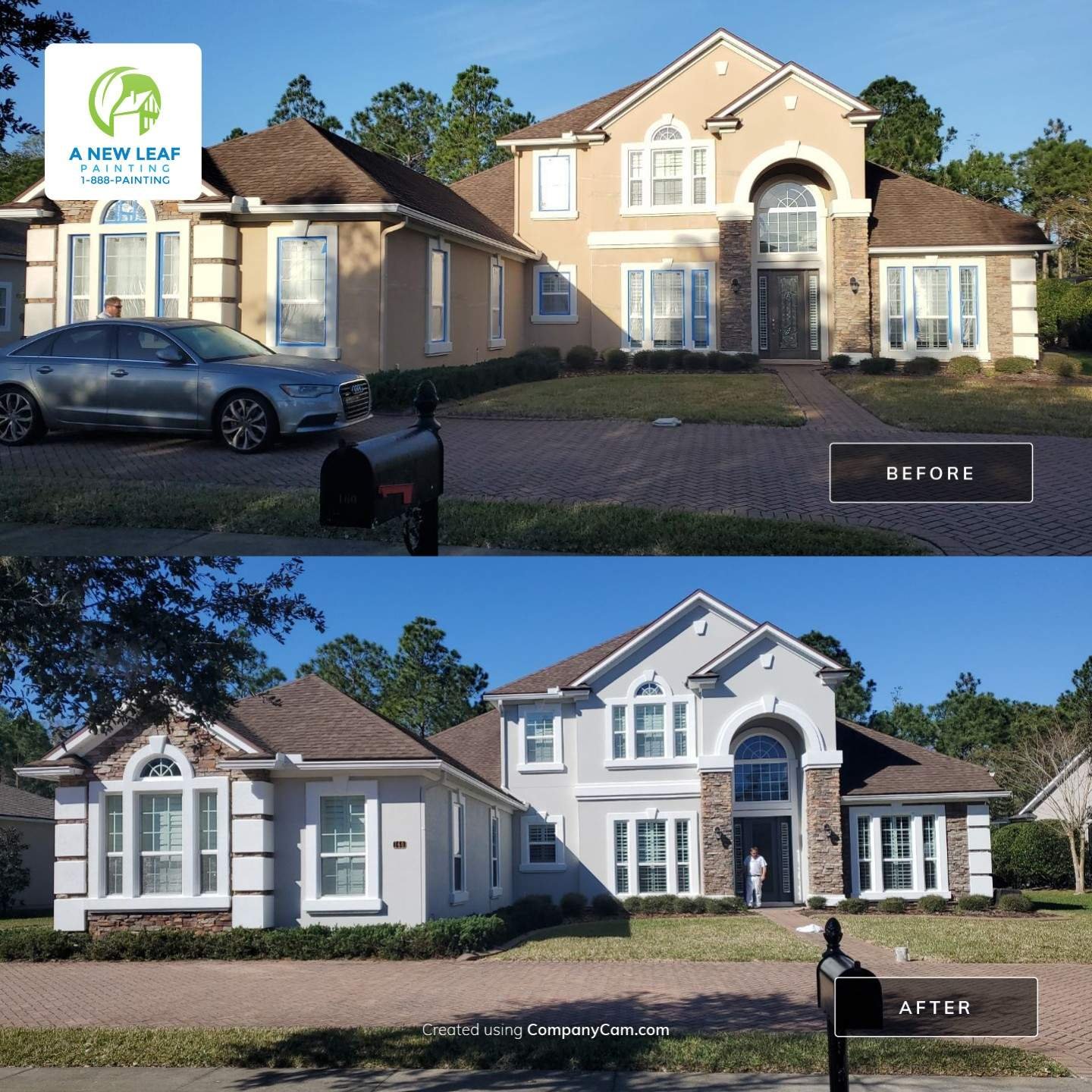
Residential Stucco Exterior Painting — Coastal Oaks at Nocatee
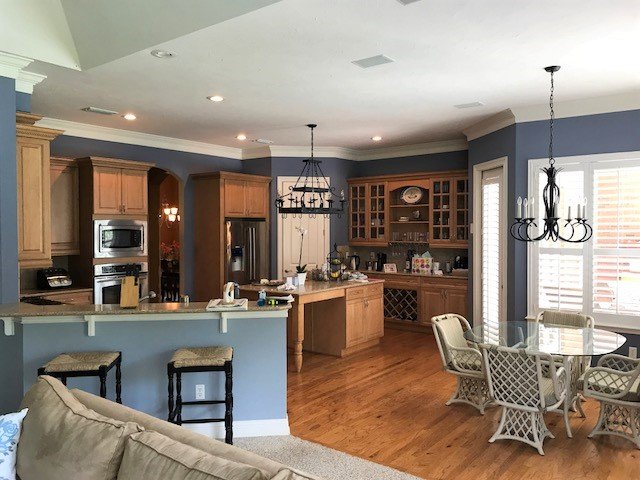
Residential Interior Painting — Nocatee Home (Before & After)
Before and after residential interior painting in Nocatee, FL Before and after interior repaint of a Nocatee home Before and after residential painting project in Nocatee, FL
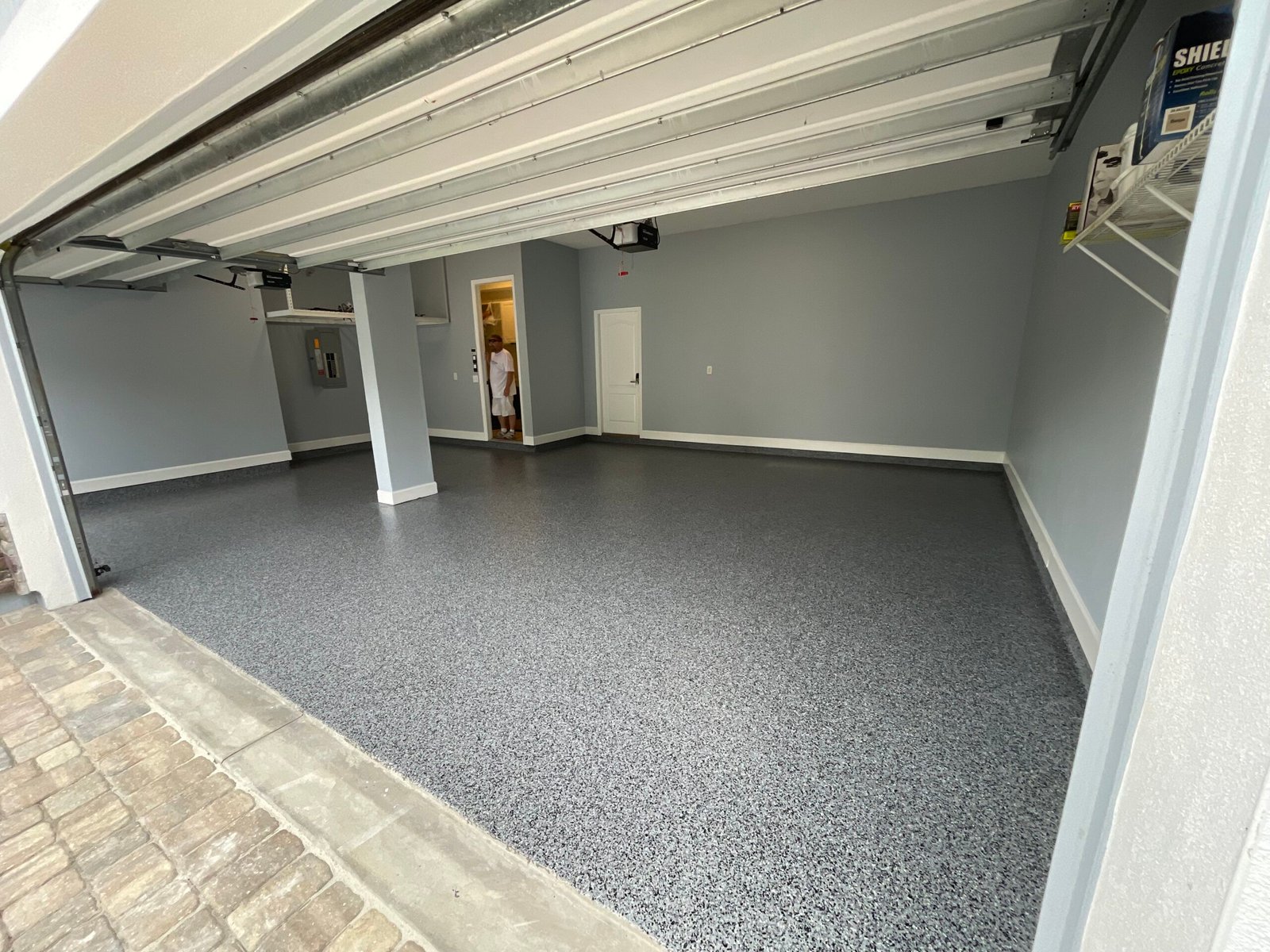
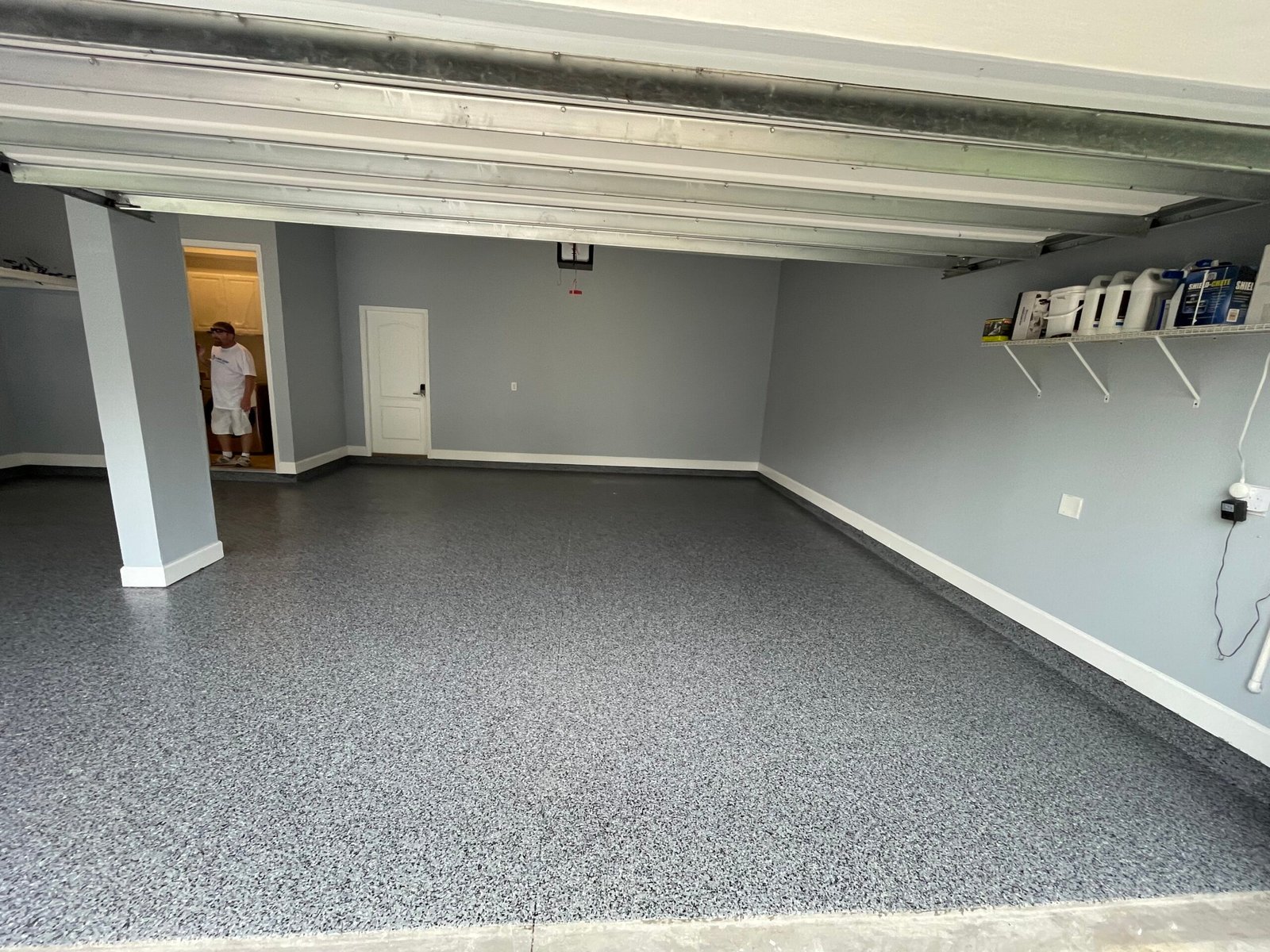
Residential Garage Floor Coating — Nocatee
 Real project
 Real project
Frequently Asked Questions
Yes. Fiber cement takes and holds premium acrylic paint very well. Factory-finished and previously painted Hardie can be repainted after proper cleaning, and bare repairs or replacement boards need priming first.
Helpful Resources
- Exterior painting services in Jacksonville
- Best exterior paint for Jacksonville homes
- Pressure washing
- Wood rot and trim repair
- Color consultation
- Why surface prep matters in residential painting
- Residential painting services for Jacksonville homes
- Jacksonville HOA directory
- How often should you paint your house in Florida?
More Nocatee Homeowner Guides
Repainting a new build often leads to the next question, and we’ve written a complete Nocatee guide for each major part of the home:
- Residential Interior Painting in Nocatee — room-by-room finishes, drywall repair, color, cost, and what a professional interior project includes.
- Residential Stucco Painting in Nocatee — when your stucco exterior is ready to repaint, plus prep, crack repair, and coating choices.
- Residential Exterior Painting in Nocatee — the whole exterior envelope, from washing and repairs through coating selection.
- Residential James Hardie Siding Painting in Nocatee — fiber cement prep, caulking, primer, and the right paint system for Hardie board homes.
Why Homeowners Choose A New Leaf Painting Contractors
A New Leaf Painting Contractors is a residential painting company serving Nocatee and Northeast Florida since 2010, with real experience on James Hardie fiber cement homes. Our approach is built around detailed preparation, honest repair, correct caulking, and matching the coating system to the substrate — we prepare what matters underneath, not just what shows.
Homeowners here choose us for 15 years of local experience, thorough surface preparation, careful property protection, and clear communication from estimate to final walkthrough. We’re licensed and insured, Google Guaranteed, EPA Lead-Safe Certified, and hold a Duval County Certificate of Competency, with 700+ reviews behind the work — all backed by our workmanship warranty and Iron-Clad Guarantee.
Repaint your Nocatee Hardie siding with confidence.
Schedule your free estimate — with prep, repairs, caulking, and products defined up front.