
Interior Painting Details That Make Every Room Feel Finished
Most homeowners think of interior painting as “painting the walls.” In practice, a real interior repaint touches a lot more than that. Depending on the room and the goal, it can include walls, ceilings, baseboards, crown molding, door frames, interior doors, window casing, chair rail, wainscoting, built-ins, fireplace mantels, stair railings, closets, accent walls, and the drywall repairs that have to happen before any paint goes on.
That distinction matters because every room in your house is doing a different job. A guest bedroom stays dry and low-traffic. A bathroom fights humidity and condensation year-round, which is no small thing in Northeast Florida. A kitchen collects cooking residue and fingerprints. A two-story foyer needs ladders and staging most homeowners don’t own. The right combination of wall color, ceiling finish, trim enamel, and detail work is what makes a house feel genuinely updated instead of just “freshly rolled.”
Our Jacksonville interior painting team helps with full-room repaints, trim painting, ceiling painting, and detailed interior updates. This guide walks through what interior painting can actually include, room by room, so you know what to plan for before you get an estimate.
What Is Included in Interior Painting?
When people compare painting quotes, they often assume every “interior painting” number covers the same work. It usually doesn’t. One quote might be walls only. Another might include ceilings, trim, doors, and drywall repair. Knowing the full list of surfaces helps you compare estimates honestly and decide how far you want to take a project.
Interior painting can include any combination of the following:
- Walls
- Ceilings
- Baseboards
- Crown molding
- Door frames and casing
- Interior doors
- Window trim
- Chair rail
- Wainscoting
- Built-ins and shelving
- Fireplace mantels
- Stair railings and balusters
- Closets
- Accent walls
- Drywall repairs and touch-ups
A whole-home project might use all of these. A single-room refresh might use four or five. Either way, the surfaces you include drive the timeline, the prep, and the price far more than the wall color you pick.
Bedroom Painting
Bedrooms are usually the easiest rooms to repaint, which makes them a good place to start a phased project. They’re typically low-moisture and lower-traffic than the rest of the house, so the focus is clean prep and color rather than heavy-duty coatings.
Walls
Bedroom walls still need proper prep even though they take less abuse: filling nail holes, sanding old roller texture, spot-priming any patched areas, and cutting clean lines at the ceiling and trim. Color-wise, bedrooms lean toward calming tones. Soft neutrals, warm whites, greige, muted blues and greens all read well, and a deeper accent color behind the headboard can add depth without darkening the whole room.
Ceilings
A fresh flat ceiling does a lot of quiet work. It erases old water shadows, uneven prior touch-ups, and the slightly gray cast that ceilings pick up over the years. Once the walls are freshly painted, an untouched ceiling often looks dingier than you expected, which is why we usually raise the ceiling question before we start.
Trim and Doors
New baseboards and a repainted door can make a bedroom feel cleaner even when the wall color is simple. Semi-gloss is the common durable choice for trim and doors because it wipes down easily, though some homeowners prefer satin for a softer, less shiny look.
Closets
Closets get skipped constantly, and then they’re the one spot that still looks tired after everything else is done. Painting them is inexpensive relative to the rest of the room and worth it for move-in, move-out, guest rooms, and kids’ rooms where you want the whole space to feel finished.
Bathroom Painting
Bathrooms are the room where product selection and prep matter most. Between hot showers, poor ventilation, and Jacksonville humidity, a bathroom puts more stress on paint than almost anywhere else in the house.
Moisture and Ventilation Matter
Bathrooms need coatings that can handle condensation, frequent cleaning, and the occasional missed exhaust-fan cycle. We use washable, moisture-tolerant finishes here, and where mildew has been a recurring problem we select products formulated to help resist it. No interior paint is truly waterproof, but the right finish and prep make a real difference in how long a bathroom holds up.
Walls and Ceilings
The trouble spots are almost always the same: around the shower, above the tub, behind the vanity, and near the sink. Bathroom ceilings deserve extra attention because they show moisture first, often as faint stains or a patchy sheen directly over the shower. Those areas may need cleaning and priming before they’ll take a uniform coat.
Trim, Doors, and Vanity Areas
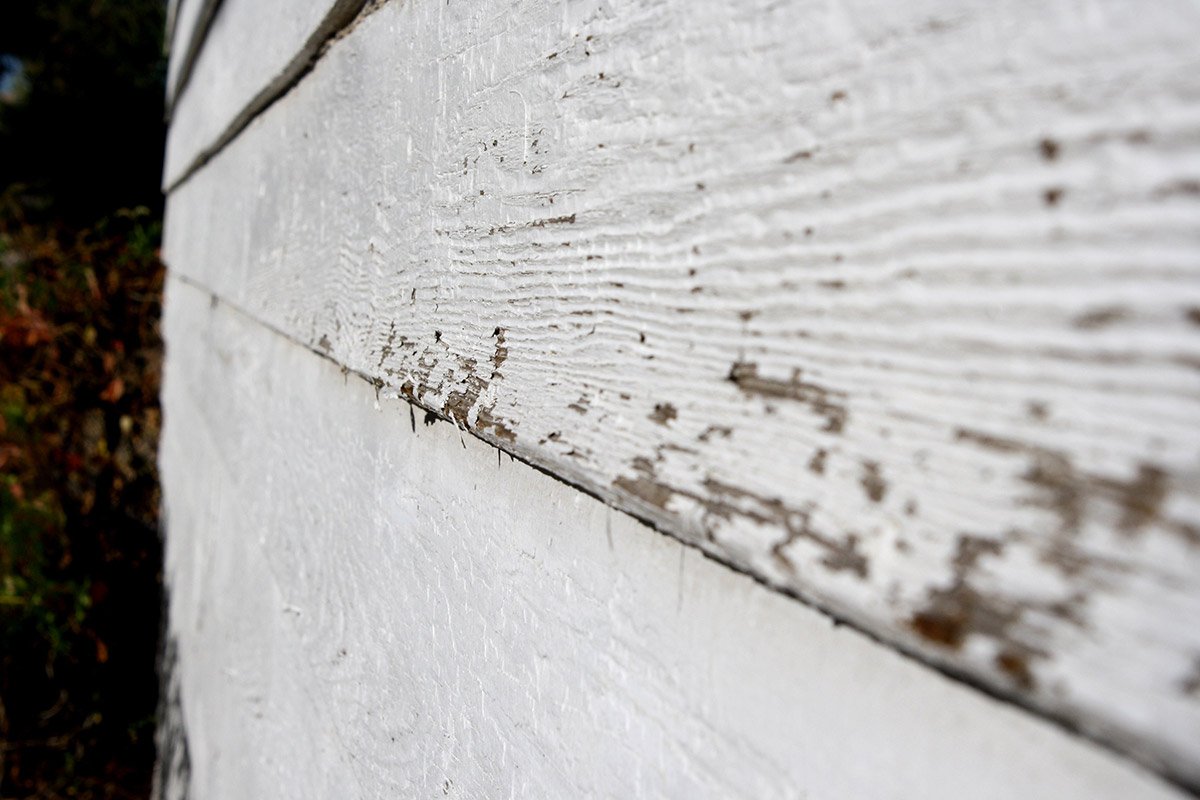
Door casings, baseboards, and any trim near water need durable coatings and clean caulk lines. Before painting, we look hard at failed caulk, old water stains, and any bubbling or peeling, because painting over those without addressing the cause just buys you a few months.
Common Bathroom Painting Problems
- Peeling paint near the shower or tub
- Water stains on the ceiling
- Mildew spots in corners and along trim
- Poor ventilation trapping moisture
- Failed or cracked caulk lines
- Paint bubbling from trapped humidity
Kitchen Painting
Kitchens are high-traffic, high-touch rooms, and the paint has to earn its keep. Walls get fingerprints, splatter, cooking grease, and regular wiping, so a durable washable finish is the practical choice.
Walls
Kitchen walls take more contact than any other room in the house except maybe a hallway. A washable finish that stands up to cleaning keeps the space looking fresh between repaints instead of showing every hand mark near the light switches.
Ceilings
Kitchen ceilings quietly collect discoloration from cooking, steam, and older recessed lighting. Sometimes what looks like a paint problem is really years of residue that needs cleaning and, in some cases, a stain-blocking primer before a fresh coat will look even.
Trim, Doors, and Pantry Areas
Door frames, baseboards, and the pantry door all take daily wear in a kitchen. Durable enamel finishes hold up to the constant traffic and cleaning far better than a standard wall paint would.
Cabinet Painting vs. Wall Painting
This is an important one to understand: cabinet painting is a different process from wall painting, not an add-on. Cabinets need thorough degreasing, sanding or deglossing, an adhesion primer, and cabinet-grade coatings built to resist chipping on surfaces you open and close every day. If refinishing your cabinets is on the table, treat it as its own line item with its own prep, not something folded into “paint the kitchen.”
Living Room and Family Room Painting
Living rooms and family rooms usually have the most visible wall space in the house, which means the color you choose sets the tone for how the whole main floor feels.
Large Wall Areas
Because these rooms are big and open, color choice carries more weight here than almost anywhere else. A shade that looked perfect on a chip can feel completely different across twelve feet of wall in afternoon light.
Natural Light and Sheen
Lighting changes everything. The same color reads warmer or cooler depending on your windows and the time of day, and sheen affects both appearance and cleanability. Flat and matte hide wall imperfections beautifully; eggshell and satin give you a little more washability for family spaces that see real use.
Accent Walls and Feature Areas
Fireplace walls, media walls, built-in niches, and architectural details are natural spots for an accent color. Done thoughtfully, an accent adds depth and interest without committing the entire room to a darker shade.
Trim and Built-Ins
Fresh trim, updated shelving, a repainted fireplace mantel, and clean built-ins elevate the finished look more than most homeowners expect. Often it’s the detail work, not the wall color, that makes a living room feel genuinely renovated.
Foyer and Entryway Painting
Your foyer is the first thing everyone sees, and it sets expectations for the rest of the home. It’s also one of the trickier rooms to paint well.
First Impression Spaces
A clean, well-chosen entryway color makes a home feel brighter and more welcoming the moment someone walks in. It’s a small footprint with an outsized impact.
High Walls and Two-Story Entries
Two-story foyers are where DIY plans tend to stall. These spaces need proper ladders, staging, floor and stair protection, and careful cutting at heights most homeowners aren’t comfortable working at. This is a common reason people call professional Jacksonville interior painters for what looks, on paper, like a simple job.
Front Door Interior and Trim
The inside face of the front door, the sidelights, casing, and surrounding trim often get overlooked and end up looking tired next to fresh walls. A darker or accent interior door color can create a sharp, custom contrast when it’s coordinated with the trim and floors.
Stairway and Hallway Painting
Hallways and stairways are the hardest-working walls in the house, and they show it.
High-Traffic Areas
These spaces collect scuffs, fingerprints, dents, and mismatched touch-up marks faster than anywhere else. A durable, washable paint is genuinely worth it here, because it’s the difference between wiping a mark off and repainting the whole run.
Stair Risers, Stringers, Railings, and Trim
Stairways are rarely just walls. A full stairway repaint can include baseboards, handrails, balusters, stringers, stair trim, and landing areas, each of which needs its own prep and a finish that handles being touched constantly.
Tall Stairwell Walls
Tall stairwell walls demand professional access and a steady approach to clean lines, and they’re tight spaces to protect properly. Getting crisp results here without marking up the treads or railings is a big part of what you’re paying a professional for.
Ceiling Painting
Ceilings are easy to ignore until fresh walls make them look gray by comparison. A few situations make ceiling painting worth including.
When Should You Paint Ceilings?
- When you’re changing the wall color and want the whole room to feel new
- When ceilings are stained, yellowed, or shadowed
- After drywall repair or a patch
- Before listing your home for sale
- When previous touch-ups no longer blend in
Ceiling Paint Finish
Flat is the standard ceiling finish because it hides imperfections and doesn’t reflect light back in a way that highlights every seam. Kitchens and bathrooms are the exceptions, where a more moisture-aware product selection makes sense given the steam and cooking residue those ceilings absorb.
Common Ceiling Issues
- Water stains from past leaks
- Hairline cracks and settling
- Nail pops
- Poor previous patches that never blended
- Texture differences between old and new drywall
- Smoke or cooking discoloration
Trim Painting
Trim is the frame around everything else in the room, and it’s often what separates a repaint that looks professional from one that looks rushed.
Why Trim Makes Such a Big Difference
Crisp, freshly painted trim makes older rooms feel cleaner and more finished, even when the walls are a simple neutral. It draws the eye to clean lines instead of chips and yellowed baseboards.
What Trim Can Include
- Baseboards
- Crown molding
- Door casing
- Window casing
- Chair rail
- Wainscoting
- Picture molding
- Built-ins and fireplace mantels
Trim Prep
Good trim work is mostly prep: cleaning, sanding, caulking gaps where the trim meets the wall, filling nail holes, and spot-priming before a durable enamel or trim coating goes on. Skipping the caulking and filling is what makes DIY trim look “off” even when the paint itself is applied neatly.
Trim Sheen
Semi-gloss is the common recommendation for trim and doors because it’s durable and easy to wipe clean. Satin is a solid alternative when you want a softer, less reflective look, especially in rooms with a lot of natural light.
Interior Door Painting
Interior doors are touched constantly, and it shows in fingerprints, scuffs, and worn edges around the handles.
Why Paint Interior Doors?
Fresh doors make a home feel newer without any actual remodeling. It’s one of the higher-impact, lower-cost updates in a repaint, and it pulls the whole room together.
White, Black, or Accent Doors
White doors are the classic, clean default. Black or deep charcoal doors create a custom, higher-end look that’s become popular for a reason. If you go with an accent color, coordinate it with the trim, floors, hardware, and wall color so it reads intentional rather than random.
Door Prep and Finish
Doors get the same careful treatment as trim: cleaning, sanding or deglossing, filling any imperfections, priming where needed, and a durable enamel finish that stands up to daily handling.
Crown Molding, Wainscoting, and Built-Ins
The architectural details are where a repaint moves from “clean” to “custom.”
Crown Molding
Crown molding adds character, but it demands careful cutting and clean finish work at the ceiling line. The payoff is a room that feels more finished and intentional.
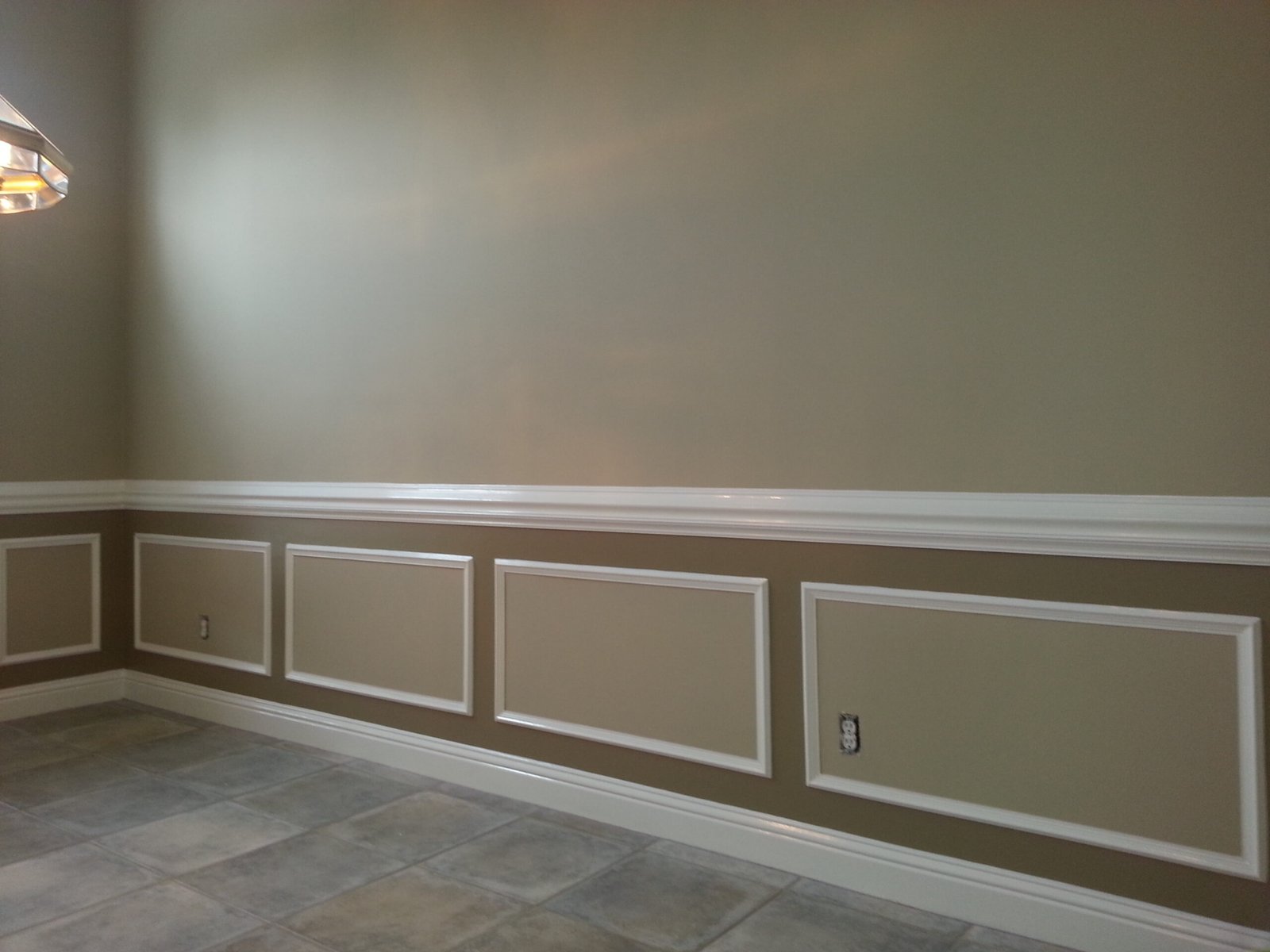
Wainscoting and Chair Rail
Wainscoting and chair rail carry a lot of visual weight in dining rooms, foyers, offices, and hallways. They can be painted white, off-white, or a deliberate statement color, depending on how bold you want the space to feel.
Built-Ins and Shelving
Built-ins need more prep and a smoother finish than standard walls because you see them up close and use them daily. Proper adhesion and a durable, even coating are what keep them from chipping and scuffing over time.
Whole-Home Interior Repaints
Sometimes the right move isn’t one room, it’s the whole interior. A full-home repaint makes sense when you’re:
- Moving into a new home and want a clean slate before the furniture arrives
- Preparing to sell and need a fresh, neutral palette
- Updating dated colors throughout
- Coming off drywall repairs or a remodel
- Trying to match trim and door colors consistently from room to room
- Creating one cohesive color palette across the whole house
Whole-home projects go smoothest when they’re planned in phases by room, access, furniture, and your family’s schedule. A good crew works around how you actually live in the house rather than shutting the whole place down at once. This kind of full-room interior repainting, done in a planned sequence, is one of the most common projects we take on across Jacksonville, Ponte Vedra, Nocatee, and the surrounding Northeast Florida communities.
How to Choose Interior Paint Colors by Room
Color selection is where a lot of homeowners freeze up. A room-by-room framework makes it easier:
- Bedrooms: softer, calmer colors that make the room feel restful.
- Bathrooms: light, clean tones with a moisture-friendly finish.
- Kitchens: colors that coordinate with your cabinets, counters, backsplash, flooring, and lighting.
- Living rooms: your main neutral or signature color, since it anchors the home.
- Foyers and hallways: connective colors that flow into the rooms around them.
- Trim and doors: usually white, off-white, a soft neutral, black, or a coordinated accent.
One rule that saves a lot of regret: always test samples in the actual room, on the actual wall, and look at them in both daylight and evening light. Lighting changes color dramatically, and a shade that looks perfect in the store can feel completely different at home. Both Sherwin-Williams® and Benjamin Moore® offer excellent interior lines, and a color consultation can take the guesswork out of coordinating shades across an open floor plan.
Interior Painting Preparation: What Homeowners Should Expect
This is the part that separates a professional repaint from “just paint.” Most of the value in a quality interior job happens before the finish coat, and understanding that is why professional painting costs more than a weekend of DIY.
A professional interior project typically includes:
- Moving or carefully protecting furniture
- Covering floors and fixtures
- Removing switch plates and outlet covers where needed
- Repairing drywall imperfections, dings, and cracks
- Sanding rough spots and old texture
- Caulking trim gaps for clean lines
- Priming stains, patches, and bare areas
- Cutting clean, straight lines at ceilings, corners, and trim
- Daily cleanup so you’re not living in a job site
- A final walkthrough to catch anything before we call it done
When you hire professional interior house painting, you’re really paying for process, protection, prep, finish quality, and clear communication, not just a change of color. That’s the difference that shows up a year later, when the trim lines are still crisp and the walls still wipe clean. You can read more about how we handle a job from estimate to final walkthrough on our interior painting process.
Frequently Asked Questions
Should I paint walls, trim, or ceilings first?
Professionals plan the sequence to protect finished surfaces and get clean lines, and the exact order can vary by project. As a general approach, ceilings often go first, then walls, then trim and doors last, but the right sequence depends on the room and what’s being included.
Do I need to paint ceilings when I repaint a room?
Not always, but ceilings frequently look dingy once the walls are freshly painted. It’s worth deciding up front rather than being surprised by the contrast after the walls are done.
What paint finish is best for bedrooms?
Many bedrooms use matte, eggshell, or a washable matte, depending on the look you want and how much cleanability matters. Lower-sheen finishes hide wall imperfections well and give bedrooms a soft, calm feel.
What paint finish is best for bathrooms and kitchens?
Bathrooms and kitchens generally call for more washable, moisture-tolerant finishes that stand up to humidity, cooking residue, and frequent cleaning. These rooms take more abuse than the rest of the house, so the finish needs to hold up to it.
Should interior doors match the trim?
Most homes use matching trim and doors for a cohesive look, but contrast doors, like black or deep charcoal against white trim, can look intentional and custom when they’re planned to coordinate with your floors, hardware, and wall color.
Can painters repair drywall before painting?
Yes. Professional interior painters routinely repair minor drywall damage, nail pops, and small cracks before painting. Larger repairs should be spelled out clearly in the estimate so there are no surprises.
How long does an interior room repaint take?
A single room may take a day or more, depending on prep, drywall repairs, trim, doors, ceiling work, and drying time. Adding ceilings, trim, and doors extends the timeline, but it’s also what makes the finished room feel complete.
Is trim painting worth it?
Usually, yes. Trim frames every room, and fresh baseboards, casing, and doors make a space feel cleaner and more finished, often more than the wall color itself. It’s one of the higher-impact parts of an interior repaint.
Can I paint one room at a time?
Absolutely. Phasing a project room by room is common and often the easiest way to fit a repaint around your schedule and budget. Whole-home projects are typically planned this way anyway, working around furniture, access, and how you use the house.
What rooms add the most value when repainted?
High-visibility, high-traffic spaces tend to give the most noticeable return: kitchens, living rooms, foyers, and main hallways. Freshening ceilings, trim, and doors in those areas often does more for how a home feels than any single wall color.
Get Interior Painting Help in Jacksonville, FL
Whether you’re updating one bedroom, repainting your entire interior, refreshing ceilings, painting trim and doors, or planning a detailed kitchen, bathroom, foyer, or stairway project, A New Leaf Painting Contractors can help. We’ve been serving Jacksonville and Northeast Florida since 2001, with 750+ verified five-star reviews from homeowners across Ponte Vedra, Nocatee, St. Augustine, Fleming Island, Mandarin, the Jacksonville Beaches, and beyond.
Our interior painting services cover careful prep, clean lines, durable finishes, and clear communication from the first estimate through the final walkthrough. We’re insured, and our crews treat your home like people actually live there, because you do.
Helpful Interior Painting Resources
Planning an interior project? These related services and guides answer the questions Jacksonville homeowners ask us most before they pick up the phone.
- If you’re considering a cabinet update, see our cabinet painting and refinishing services for more on how that process differs from standard wall painting.
- For larger wall damage, texture issues, or patching, our drywall repair services can be handled before painting begins.
- Not sure how to coordinate colors between rooms? Our color consultation service helps you choose a palette that works with your lighting, floors, cabinets, trim, and furniture.
- For pricing guidance, see our interior painting cost guide for Jacksonville homeowners.
- You can also review our painting process to see what happens from estimate to final walkthrough.
More interior painting reading:
Ready to refresh your interior?
Call for a free estimate on interior painting in Jacksonville and Northeast Florida.