Commercial Painting in Jacksonville, FL: FAQs for Business Owners & Property Managers
Commercial painting is different from residential painting because the project has to protect more than the building — it has to protect your operations, staff, customers, tenants, schedule, and brand image. Whether you manage an office, retail space, restaurant, warehouse, condominium, apartment community, HOA-managed property, or professional building, the right commercial painting company should provide clear scheduling, proper surface preparation, durable coatings, clean job sites, and minimal disruption to the people who use your space every day.
A New Leaf Painting provides commercial interior and exterior painting services in Jacksonville and Northeast Florida, including offices, retail spaces, warehouses, condominiums, apartments, HOA-managed properties, medical offices, restaurants, and professional buildings. Below are the questions business owners and property managers ask us most often before hiring a commercial painter.
ⓘ Quick Answer
What should I look for in a commercial painter?
Look for a licensed and insured commercial painting company with verified reviews, written proposals, clear scheduling, surface preparation standards, named product specifications, property protection, and experience working around business hours, tenants, employees, customers, and access requirements.
What is considered commercial painting?
Commercial painting includes interior and exterior painting for business and income-producing properties such as offices, retail stores, restaurants, medical offices, warehouses, apartment buildings, condominiums, HOA-managed properties, churches, schools, and professional buildings. It may include walls, ceilings, trim, doors, stucco, masonry, metal, siding, railings, common areas, stairwells, garages, and exterior building surfaces. Commercial painting often involves larger square footage, higher access requirements, more surface variety, and stricter scheduling than residential work.
What types of commercial properties do painters work on?
A commercial painting company in Jacksonville may work on a wide range of property types, each with different requirements:
- Office buildings — interior walls, ceilings, trim, conference rooms, lobbies, hallways, and exterior facades
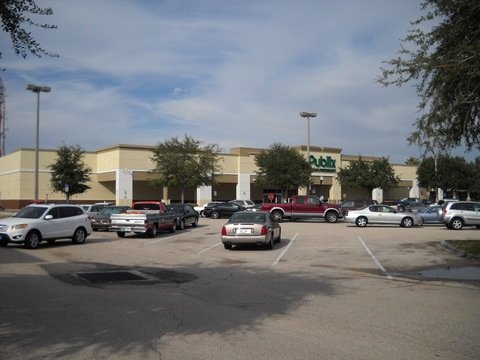
- Retail spaces and shopping centers — storefronts, interiors, signage areas, common walkways, and parking-facing exteriors
- Restaurants — dining rooms, kitchens (heat- and grease-resistant coatings), exteriors, and patio areas
- Medical and professional offices — low-VOC interior coatings, exam rooms, waiting areas, and exterior building surfaces
- Warehouses and industrial buildings — high-bay walls, metal surfaces, exterior block, and floor coatings
- Apartment communities and condominiums — building exteriors, breezeways, stairwells, railings, doors, trim, and unit interiors during turnover
- HOA-managed properties — exterior repaints requiring ARB approval, color palette compliance, and coordination with property management
- Churches, schools, and community buildings — large interior spaces, classrooms, sanctuaries, and exterior surfaces with weekend or off-hours scheduling
How do you prepare for a commercial painting project?
Start by defining the scope: what surfaces, what condition, what timeline, and what disruption your business or tenants can tolerate. Get a written proposal from a licensed and insured commercial painting company that names the products, sheens, prep work, repairs, coat count, scheduling approach, and property protection plan. Confirm whether the work must happen during business hours, after hours, on weekends, or in phases. The earlier you plan around access, operations, and tenant communication, the smoother the project runs.
How do you estimate a commercial painting job?
A commercial painting estimate should consider square footage, surface condition, building height, access requirements, prep work, repairs, product specifications, number of coats, interior vs. exterior scope, scheduling requirements, tenant or customer coordination, lift or equipment needs, and whether the project must be completed after hours or in phases. A vague estimate written on one page is a warning sign; a real commercial estimate itemizes the scope so you can compare bids honestly. For broader pricing context, see our exterior painting cost guide and interior painting cost guide.
What factors affect the cost of a commercial painting project?
Several factors drive commercial painting cost in Jacksonville:
- Size and square footage — total wall and surface area to be painted
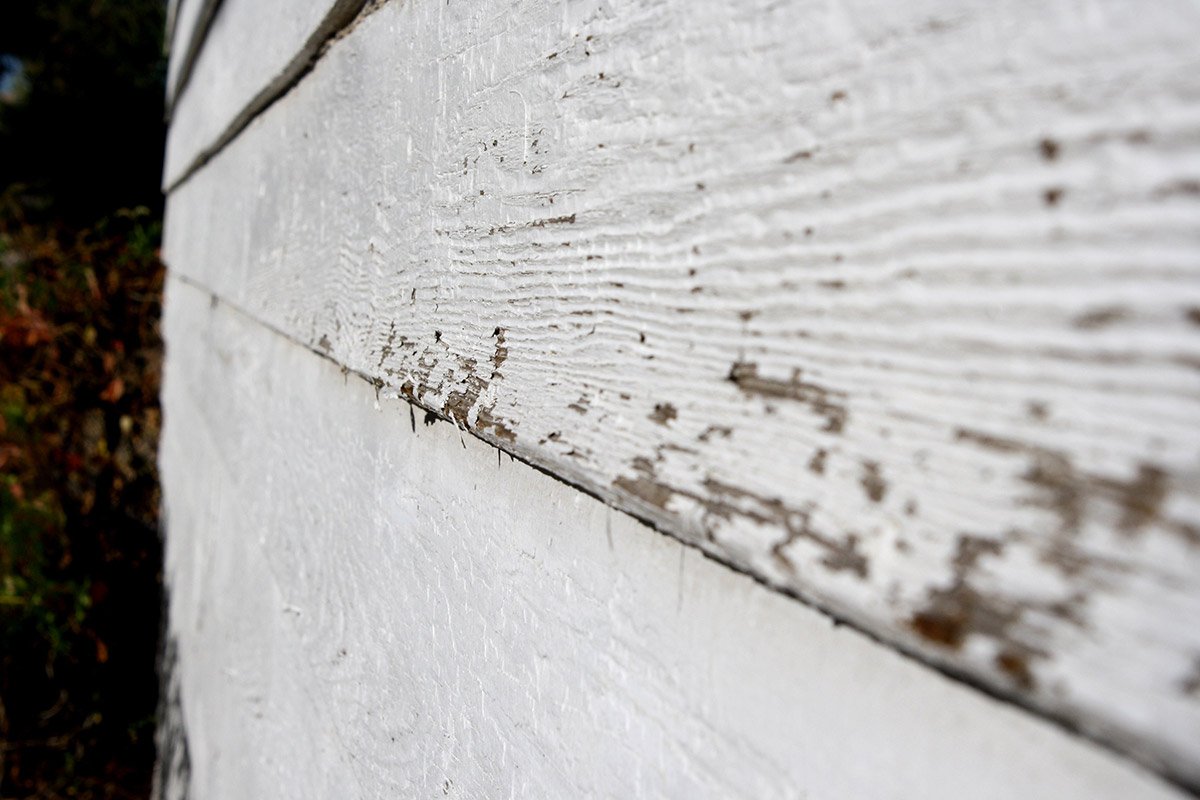
- Surface condition — chalking, cracking, peeling, mildew, rot, or stucco damage requiring repair
- Height and access — multi-story buildings, lifts, scaffolding, or boom requirements
- Prep scope — pressure washing, stucco crack repair, drywall repair, wood rot or carpentry repair, caulking, and primer needs
- Coating system — standard acrylic, elastomeric, direct-to-metal, epoxy, or specialty coatings
- Coat count — one coat vs. two coats on each surface
- Scheduling — work during business hours costs less than night, weekend, or phased schedules
- Property protection — masking, drop cloths, floor protection, signage and fixture covers
- Coordination requirements — tenant notification, occupied units, access keys, and security protocols
How long does a commercial painting project take?
Timeline depends on the size of the project, whether it is interior or exterior, the complexity of the prep work, and whether crews can work during normal business hours or need to work nights, weekends, or in phases to reduce disruption. A small office repaint may take a few days. A multi-building exterior, apartment community, or condominium project may take several weeks. A larger warehouse or commercial exterior with significant prep, repairs, or lift work may run longer. Your commercial painter should give you a written schedule with start date, daily plan, and projected completion.
Can commercial painters work after hours or on weekends?
Yes. For many commercial projects — retail spaces, restaurants, offices, medical buildings, and tenant-occupied apartments — work happens after hours, overnight, or on weekends to keep the business operating. This adds to the cost but protects revenue and reduces disruption. Phased schedules are also common: one wing or one building at a time, so the rest of the property keeps functioning normally. Discuss your operating hours, busy seasons, and tenant access constraints with the painter before signing.
How do you minimize disruption to employees, customers, or tenants?
A professional commercial painter should plan disruption out of the project, not apologize for it later. That means clear daily schedules, posted signage, advance notice to tenants, protected walkways, low-odor or low-VOC products where possible, covered furniture and fixtures, contained work zones, and a daily cleanup so the space is usable when staff or customers return. For occupied apartments and condominiums, communication with property management and tenants about access, paint days, and lock-out windows is essential.
What should be included in a commercial painting proposal?
A complete commercial painting proposal should include:
- Itemized scope of work by surface, building, or area
- Named paint products and sheens (e.g., Sherwin-Williams® ProClassic, Sherwin-Williams® Loxon, Benjamin Moore® Ultra Spec)
- Number of coats per surface
- Prep work included — pressure washing, scraping, sanding, caulking, drywall repair, stucco repair, primer
- Repairs that are included vs. priced separately
- Property protection plan
- Schedule, including work hours and phasing
- Insurance certificates and license information
- Workmanship warranty in writing
- Payment schedule and change-order protocol
Your written proposal should clearly outline the approved scope and price. If additional work is identified during the project, your commercial painter should explain it, document it, and get your approval before moving forward — not surprise you with a higher invoice at the end.
Do commercial painters help with repairs before painting?
Yes. Most commercial repaints require some level of repair work before paint is applied. Common scopes include stucco crack repair and patching, drywall repair, wood rot and carpentry repair on fascia, soffits, trim, and doors, caulking around windows and penetrations, masonry patching, and metal surface preparation. A commercial painter who skips these steps is buying you a short-lived paint job that will need to be redone in a few years. A painter who handles them in-house can keep the project on schedule and on budget.
What types of paint and coatings should be used for commercial painting?
Commercial buildings see more wear, more cleaning, more impact, and more environmental exposure than most homes — so the coating selection matters more, not less. Common Jacksonville commercial coatings include:
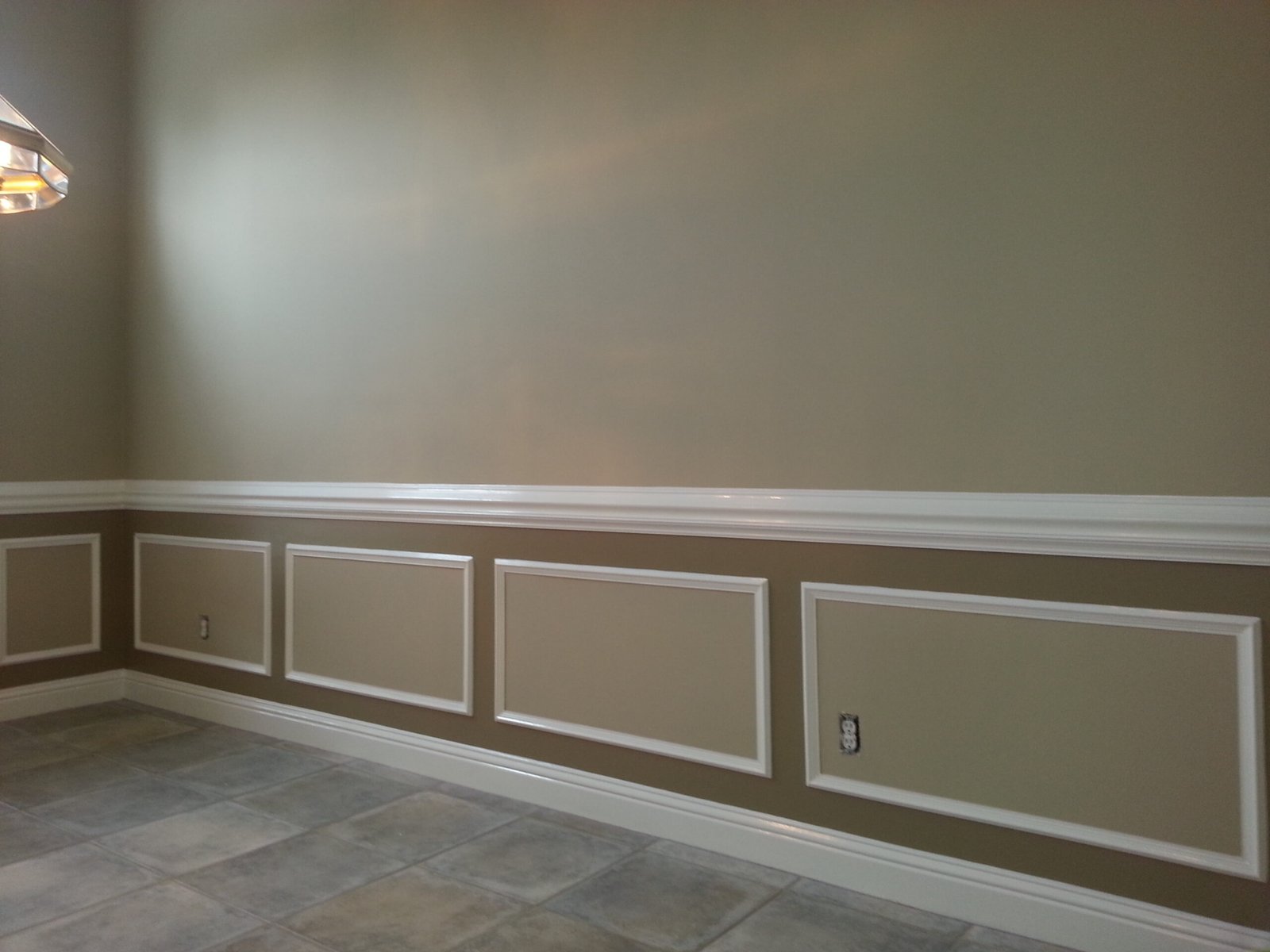
- Interior commercial walls and ceilings — durable, scrubbable acrylics designed for high-traffic environments
- Doors, trim, and millwork — water-based enamels for cleanability and a hard finish
- Stucco and masonry exteriors — Loxon XP, elastomeric, or premium acrylic systems depending on condition
- Metal surfaces, railings, and doors — direct-to-metal (DTM) acrylics or alkyd-modified coatings
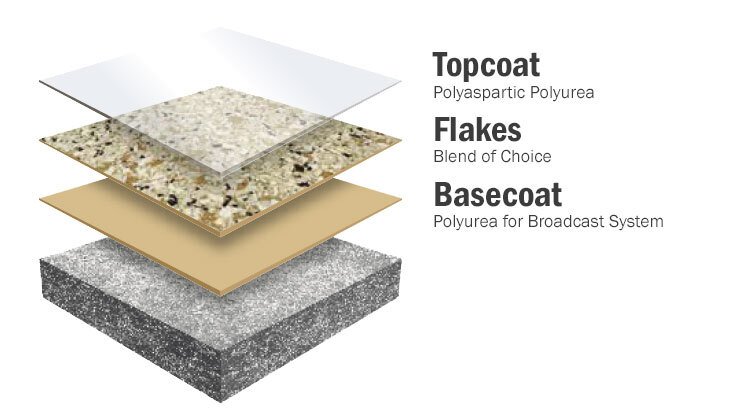
- Concrete floors and garages — epoxy or polyaspartic floor coatings for warehouses, breezeways, and garages
- Coastal commercial exteriors — high-build coatings rated for salt air, UV, and humidity exposure
A New Leaf Painting commonly specifies premium Sherwin-Williams® and Benjamin Moore® commercial coatings selected for the surface, exposure, and use.
How often should a commercial building be painted?
Most commercial buildings in Jacksonville benefit from an exterior repaint every five to ten years, depending on coating quality, surface condition, sun and salt exposure, color choice, and routine maintenance. Coastal commercial exteriors near the Beaches, Ponte Vedra, Amelia Island, or St. Augustine may need attention sooner because salt air and direct UV can accelerate fading, chalking, and coating failure. High-traffic interiors — lobbies, hallways, restrooms, restaurants, retail — typically need refresh painting more often, sometimes every two to five years, due to scuffs, handprints, and cleaning wear.
How does Jacksonville weather affect commercial painting?
Commercial Painting Built for Jacksonville Weather
Commercial exteriors in Jacksonville face heat, humidity, UV exposure, wind-driven rain, mildew pressure, and coastal salt air. Buildings near the Beaches, Ponte Vedra, Amelia Island, and St. Augustine may need additional attention to caulking, masonry, stucco, metal, railings, doors, and coating selection because coastal exposure can accelerate fading, chalking, corrosion, and coating failure. A commercial painter who works in Northeast Florida should know how to time exterior work around afternoon thunderstorms, when humidity will affect dry times, and which coating systems hold up to Florida’s UV index. For more on Florida-specific exterior performance, see our commercial exterior painting page.
How to compare commercial painting bids
Before choosing a commercial painting contractor, compare more than the bottom-line price. Ask whether pressure washing, drywall repair, stucco repair, wood repair, caulking, masking, primer, lift access, after-hours scheduling, number of coats, exact paint products, cleanup, insurance, and warranty are included in writing.
Use this checklist when reviewing bids:
- Is the scope clearly written by surface and area?
- Are paint products and sheens named — or just “premium paint”?
- Are repairs included in the bid or priced separately?
- How many coats are included on each surface?
- Is the project phased around business hours, tenant access, or weekend work?
- Are crews licensed, insured, supervised, and (where appropriate) background-checked?
- Is property protection — floors, fixtures, signage, landscaping — included?
- Is daily and final cleanup included?
- Is the workmanship warranty in writing?
- How are change orders handled if additional work is needed mid-project?
If a bidder is vague on any of these, that is your answer. For more on what a written warranty should cover, see our Iron-Clad Guarantee and warranty page.
How do you protect landscaping, parking areas, sidewalks, fixtures, and signage?
On a commercial exterior, protection is as important as paint. Before any spraying begins, our crews mask windows, glass storefronts, signage, lighting, parking gates, security cameras, HVAC units, and entry hardware. Sidewalks and pavers near work zones are covered with drop cloths. Landscaping, mulch beds, and ornamental plantings are tarped or shielded. Inside commercial spaces, floors, furniture, fixtures, and equipment are covered before any work begins. The walkthrough at project end should leave the space cleaner than we found it.
What is the difference between residential and commercial painting?
Residential painting focuses on one homeowner, one property, and one schedule. Commercial painting involves multiple stakeholders — owners, property managers, tenants, employees, customers, vendors — and stricter scheduling, larger surfaces, more access requirements, more variety in coatings, and tighter coordination. Commercial coatings are often more specialized and durable. Commercial crews may need to work nights, weekends, or in phases. And commercial proposals are typically more detailed, with itemized scope, named products, and clear scheduling, because the cost of getting it wrong is higher.
How do you maintain a newly painted commercial space?
Maintenance protects your investment. Inspect painted surfaces periodically for damage, scuffing, or wear, and address issues early before they spread. Clean interior surfaces with soft cloths and mild cleaners, not abrasives. On commercial exteriors, schedule periodic pressure washing to remove dirt, mildew, salt, and chalking before they degrade the coating. Walk the property annually with your painter or property management team to identify caulking gaps, hairline cracks, or coating wear that can be touched up before they turn into a full repaint.
Why choose A New Leaf Painting for commercial painting in Jacksonville?
A New Leaf Painting has served Northeast Florida since 2001. Our team has completed more than 5,000 residential and commercial painting projects with 750+ verified five-star reviews across eight independent platforms. We are licensed, insured, and BBB A+ accredited, and our commercial work covers offices, retail, warehouses, restaurants, medical buildings, condominiums, apartment communities, HOA-managed properties, and professional buildings across Jacksonville, Ponte Vedra Beach, Nocatee, Fleming Island, Orange Park, St. Augustine, Amelia Island, and the surrounding First Coast.
Every commercial project includes a written proposal, named products, itemized prep scope, clear scheduling, daily cleanup, and a workmanship warranty in writing. Our Iron-Clad Guarantee explains how we stand behind the finish and workmanship on your project.
Need a Commercial Painting Estimate in Jacksonville?
A New Leaf Painting provides commercial interior and exterior painting for offices, retail spaces, warehouses, condominiums, apartments, HOA-managed properties, medical buildings, and professional buildings across Jacksonville and Northeast Florida. We provide written proposals, clear scheduling, surface preparation, premium coatings, clean job sites, and communication from start to finish.
Schedule a Free Commercial Painting Estimate →
Or call (904) 615-6599 to speak with our team.
Exterior Painting Jacksonville
|
Painters Near Me in Jacksonville
|
Professional Painters Near Me
|
Exterior Painters Near Me
|
Interior Painters Near Me
|
Residential Painters Near Me
|
Painting Contractors Near Me
|
Exterior Painting Cost
|
Interior Painting Cost
|
Stucco Repair Near Me
|
Cabinet Painting Jacksonville
|
Our Iron-Clad Guarantee