
Your Walls Will Tell You Before the Calendar Does
Interior paint in a Jacksonville home commonly lasts about three to eight years, depending on the room, paint quality, sheen, surface preparation, cleaning habits, sunlight and moisture exposure. Bedrooms and lower-traffic living areas often go longer between repaints. Hallways, kitchens, bathrooms, kids’ rooms and other frequently used spaces usually need attention sooner.
Homeowners planning a repaint often ask us whether they need a complete interior repaint or whether touch-ups will do. The answer depends on more than age. Scuffs and normal wear are usually cosmetic. Peeling, bubbling, staining, recurring discoloration or poor adhesion point to conditions that should be addressed before another coat goes on.
This guide covers what normal interior wear looks like, when touch-ups make sense, when it’s time to repaint, and how preparation, product quality and sheen affect how long a job holds up. For more on preparation, finishes, products, costs and common interior paint problems, see our Interior Painting Resource Center.
About this guide: A New Leaf Painting Contractors has served Jacksonville and Northeast Florida homeowners since 2001. What follows reflects the conditions we see in bedrooms, kitchens, bathrooms, hallways, coastal homes, older homes and high-traffic family spaces across the region.
Why Interior Paint Wears Faster Here
Most painting guides are written for drier, more temperate climates. Jacksonville isn’t one. Here is what humidity, sun and daily life actually do to interior paint.
Humidity
Our warm, humid climate makes bathrooms, closets, exterior-facing walls and poorly ventilated spaces more prone to mildew and slower drying. Mildew is most likely where moisture, condensation, poor ventilation, dust and surface residue combine — bathroom ceilings, closet walls and shaded exterior-facing rooms above all. Fresh paint also takes longer to reach full hardness in high humidity, which leaves a surface more vulnerable to scuffing and staining in the first few weeks after painting.
Sunlight Through Windows
Sunlight through glass gradually changes how colors read, especially in south- and west-facing rooms. Fading, uneven aging, and contrast between protected and exposed areas of the same wall all become more noticeable over time — indoors as well as out.
Daily Life and Traffic
Sand tracked in from the beach, sunscreen on walls, kids and pets, and frequent cleaning all add up. High-traffic surfaces — hallways, mudrooms, kids’ rooms — take more physical wear than any national average paint-life estimate assumes.
Room-by-Room Repaint Planning
These are planning ranges, not warranty periods. Actual paint life runs shorter or longer depending on preparation, moisture, ventilation, surface condition, cleaning practices and the coating system used.
Interior Repaint Planning Ranges
| Area | Typical Repaint Planning Range | Common Reasons It Wears First |
|---|---|---|
| Primary bedroom | 5–8 years | Sunlight, furniture marks, style changes |
| Living room | 5–7 years | Sun exposure, normal scuffs, cleaning |
| Hallway / entry | 3–5 years | Hands, bags, furniture, traffic |
| Kids’ room | 3–5 years | Marks, repairs, changing preferences |
| Kitchen | 3–5 years | Grease, splatter, moisture, frequent cleaning |
| Bathroom walls | 3–5 years | Steam, ventilation, mildew-prone conditions |
| Bathroom ceilings | 2–4 years | Steam, condensation, exhaust-fan performance |
| Trim and doors | 5–10 years | Scuffs, impact, caulk shrinkage, cleaning |
Should You Touch Up the Wall or Repaint the Room?
- A touch-up may be enough when the paint is relatively recent, the original product and sheen are available, and the damage is limited to a small, isolated area.
- A full repaint is usually the better call when touch-ups show as shiny or mismatched patches, the color has visibly faded, multiple walls are marked, the paint is several years old, or repairs are spread through the room.
- Look at moisture first when you see peeling, bubbling, recurring mildew, staining or paint lifting near windows, ceilings, bathrooms or exterior walls. Painting over a moisture problem only hides it for a while.
Signs It’s Time to Repaint
Sometimes the calendar tells you. More often the walls tell you first.
Fading and Dullness
Color that has lost its depth — particularly in south- and west-facing rooms — is a common sign of accumulated sun exposure. A room that feels darker and more tired than it used to is usually due for paint, not new light fixtures.
Scuffs and Marks That Won’t Clean Off
When marks that used to wipe off now need scrubbing, and scrubbing leaves a shiny spot or lifts color, the paint film has thinned past its useful life. That is past touch-up territory.
The Touch-Up Trap
One of the more common situations we see: a homeowner who has been touching up the same walls for years. Each touch-up uses slightly different paint — a different sheen after weathering, a slightly different color from batch variation — and the wall ends up looking patchy even when the paint technically matches. Once touch-ups start showing clearly, a full room repaint is usually the answer rather than another spot fix.
Peeling or Bubbling
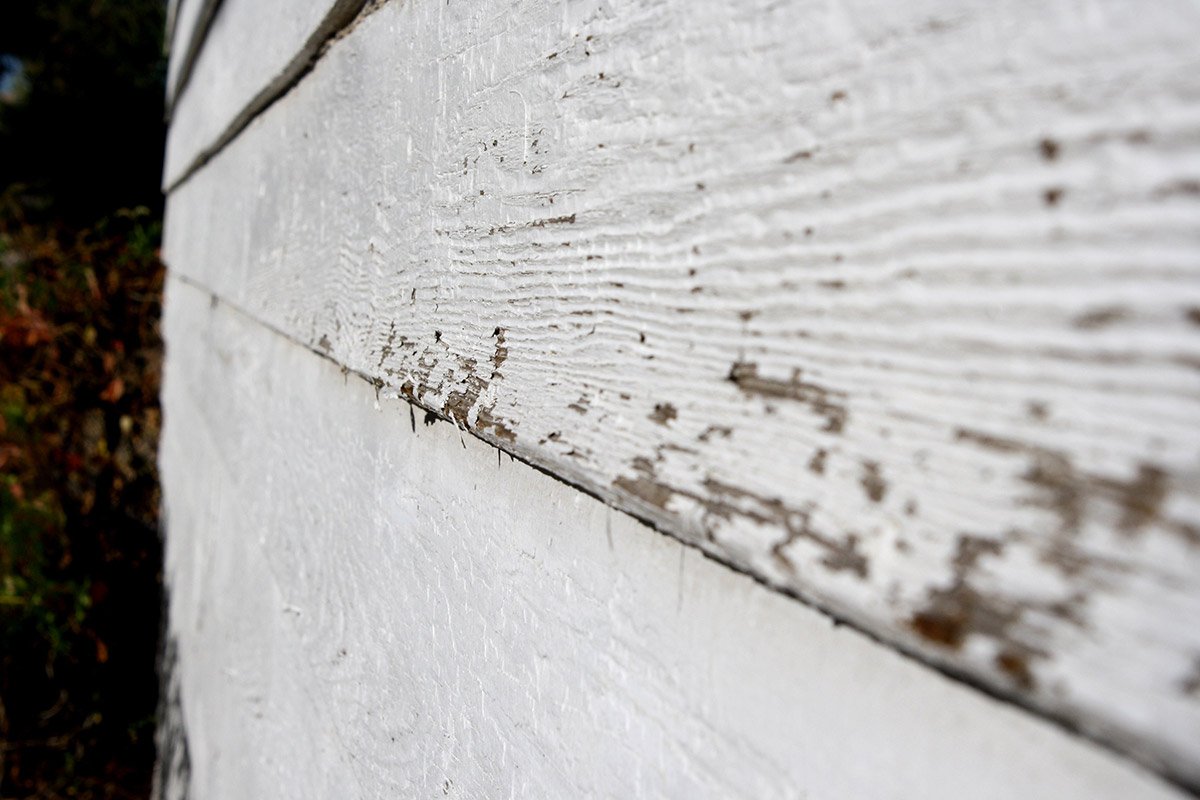
Peeling or bubbling is almost always a moisture issue — a past leak, condensation on an exterior-facing wall, or a bathroom with inadequate ventilation. The paint failure is the symptom, not the problem. Address the moisture source before repainting, or the new coat will fail in the same spot.
Visible Mildew or Staining
Dark spots on bathroom ceilings or in humid rooms are biological growth, not dirt. Painting over mildew without treating the surface first lets it come back through the new coat. Treatment, a stain-blocking primer and a mildew-resistant topcoat are what make the fix hold.
Cracking or Chalking
Cracking paint — particularly a fine “alligatoring” pattern — means the film has gone brittle and lost adhesion. That is end-of-life failure. It calls for removal and repainting, not another topcoat.
Best Sheens by Room
Matching the finish to the room is one of the most effective ways to extend interior paint life. Satin and higher sheens clean more easily and resist scuffs better than flat finishes in high-contact areas.
- Flat / matte: primary bedrooms, formal living rooms — low traffic, minimal cleaning
- Eggshell: general living areas, dining rooms — light cleaning
- Satin: hallways, kids’ rooms, family rooms — moderate cleaning and traffic
- Semi-gloss: kitchens, bathrooms, trim, doors — frequent cleaning and moisture
- Gloss: trim and doors in high-wear areas — maximum durability
Flat paint in a hallway or kitchen wears noticeably faster than satin or semi-gloss would in the same space. Sheen choice by room is one of the most common and most avoidable mistakes homeowners make when picking paint on their own. For a closer look at the three lowest sheens, see our guide on flat vs matte vs eggshell paint.
What Helps Interior Paint Last Longer
Product Quality
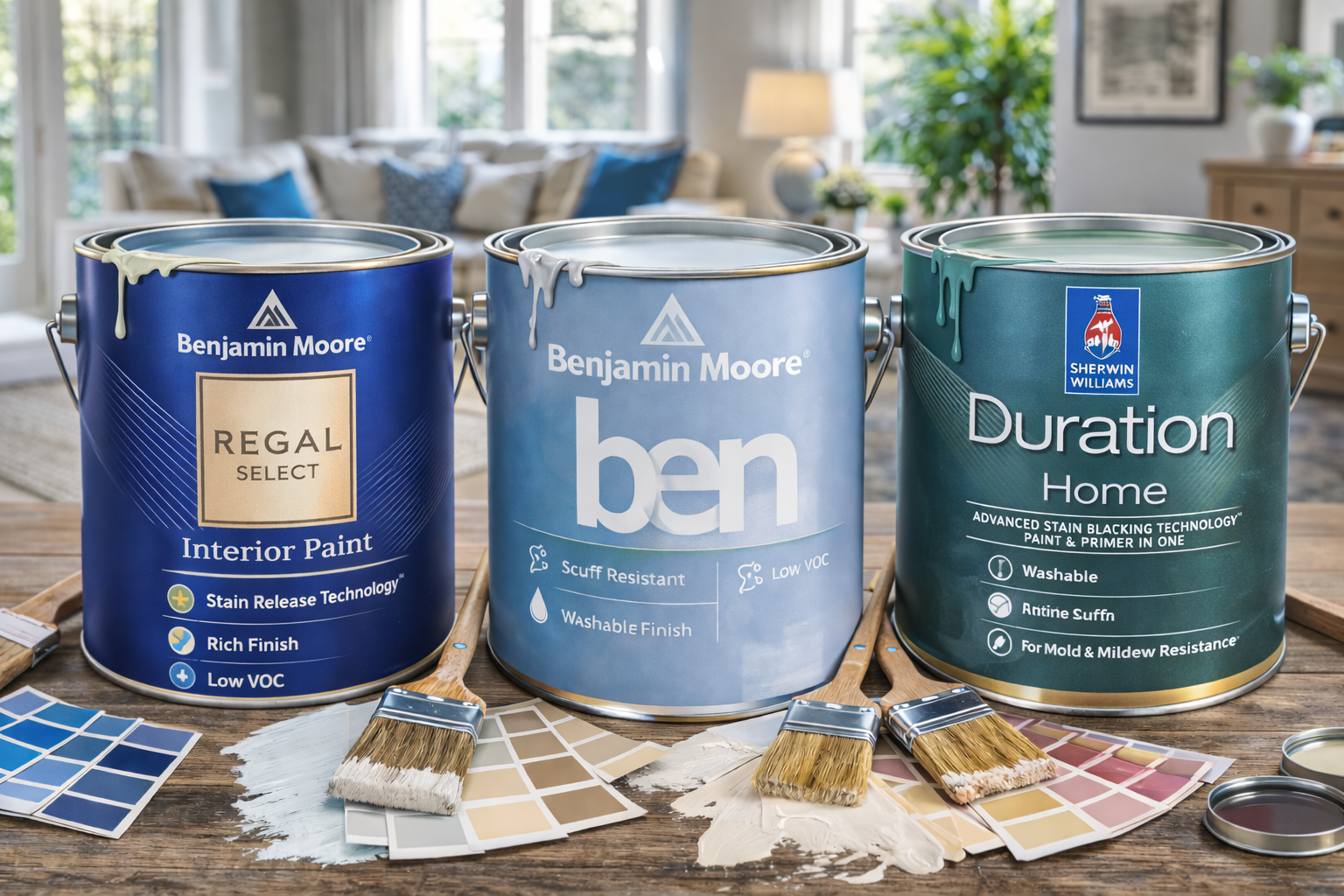
Premium interior coatings offer better washability, durability, color consistency and resistance to household staining when they are matched to the right room and sheen. We specify Sherwin-Williams® and Benjamin Moore® premium lines — Emerald and Aura among them — on most Jacksonville interiors, though the right line depends on the room, the surface and the budget. For a fuller comparison, see our guide to the best interior paint for Florida homes.
Surface Preparation
Paint applied over clean, properly primed surfaces with holes filled and stains blocked lasts noticeably longer than the same paint applied over rushed prep. In 25 years of painting Jacksonville homes, the jobs that come back too soon are almost always the ones where preparation was cut short — by a previous contractor or by a well-meaning DIY project.
Proper prep means cleaning walls to remove grease, oils and dust; filling holes and cracks; blocking stains; sanding glossy surfaces so the new coat can bond; and priming bare or repaired areas. It isn’t glamorous, but it is most of what separates a paint job that lasts three years from one that lasts closer to eight. Where walls need patching first, that is drywall repair, and it happens before any color goes on.
Ventilation in Bathrooms and Kitchens
An exhaust fan that actually moves air makes a real difference in how long bathroom paint holds up. Plenty of Jacksonville homes have fans that meet code but don’t move enough air to clear steam off the ceiling. Running the fan during a shower and for about fifteen minutes afterward meaningfully cuts the moisture load on bathroom surfaces.
Is Premium Paint Worth It?
In high-traffic and high-moisture rooms, generally yes. Better coatings give you better washability and hold their appearance longer when they are paired with proper preparation and the right sheen. Because labor and preparation are the largest part of any interior painting project, a more durable system in the rooms that take the most wear usually costs less over time than repainting those rooms more often. In a formal living room or a guest bedroom, a mid-grade product is often a perfectly reasonable choice.
What Should Be Included in an Interior Painting Estimate?
Before you approve an estimate, these are worth asking:
- Which paint line and sheen are recommended for each room?
- How will bathroom ceilings and moisture-prone walls be handled?
- What preparation is included for nail holes, cracks, stains and glossy surfaces?
- Is primer included where repairs or stains require it?
- How will floors, furniture, cabinets and fixtures be protected?
- What happens if hidden water damage or additional drywall repair turns up?
- Does the written scope identify the rooms, surfaces, colors, products and exclusions?
- What workmanship guarantee applies to the finished work?
Our proposals are itemized and written, and we walk through each of these before work begins.
A Few Patterns We See Locally
Jacksonville Interior Paint FAQ
How long does interior paint last in Jacksonville?
Most interior paint lasts about three to eight years here. Bedrooms and low-traffic rooms tend toward the longer end. Hallways, kitchens, bathrooms and kids’ rooms need repainting sooner because of moisture, cleaning, scuffs and daily use.
How do I know whether to touch up or repaint?
If the issue is a single scuff and you have matching paint, a touch-up is usually fine. If multiple walls are patchy or touch-ups are visibly showing, it is time to repaint the room. If you are seeing peeling, bubbling or mildew, find the moisture source before doing either.
Why does my bathroom paint fail faster than other rooms?
Bathrooms combine steam, condensation and often limited ventilation — conditions that are hard on paint regardless of product quality. A washable, mildew-resistant coating chosen for the room’s moisture level, paired with an exhaust fan that actually gets used, makes the biggest difference.
Does sheen really matter that much?
Yes. Satin and semi-gloss clean more easily and resist scuffing better than flat paint in high-traffic spots. The wrong sheen in a hallway or kitchen is one of the more common reasons a paint job looks worn out earlier than it should.
Is it worth paying more for premium paint?
In high-traffic or high-moisture rooms, usually yes — the durability and washability tend to offset the higher per-gallon cost over time. In low-traffic rooms like a formal living room or guest bedroom, a mid-grade product is a reasonable choice.
Bottom Line
Interior paint in a Jacksonville home rarely wears out for one reason. It is usually a combination of sunlight, moisture, ventilation, sheen choice, surface preparation, cleaning habits and how much daily use the room takes. Knowing the difference between normal aging and an actual failure is what tells you whether you need a small touch-up, a full-room repaint, or a look at the moisture or ventilation behind the problem first.
Planning an Interior Repaint?
We help homeowners evaluate worn paint, repair visible wall damage, choose practical sheens room by room, and plan a repaint around how the home is actually used — bedrooms, living rooms, kitchens, bathrooms, hallways, trim and doors, drywall repair, color consultation, and complete interior repaints, including cabinet painting and refinishing where the kitchen needs updating too. Our interior painting service page covers how we scope that work.
If you are comparing painting contractors, look past the paint brand. A good interior estimate explains the preparation, the repairs, where primer is needed, the paint line and sheen selection, how your home will be protected, and what happens if a wall or moisture problem turns up once work starts.
Serving Jacksonville and Northeast Florida since 2001 with detailed preparation, clear communication and a written workmanship warranty. More on our Iron-Clad Guarantee.
Call or text 904-615-6599, or request a free estimate online.
Explore Our Painting Services
- Interior Painting — walls, ceilings, trim, doors and full interior repaints across Northeast Florida.
- Exterior Painting — stucco, Hardie board, wood siding, trim and full exterior repaints.
- All Painting Services — cabinets, drywall, stucco repair, carpentry, power washing and more.
- A New Leaf Painting Contractors — who we are and how we work, since 2001.