

What Do House Painters Actually Do? | Jacksonville Homeowner Guide
Professional house painters do considerably more than apply paint. A residential painting project usually involves evaluating the existing surfaces, protecting the property, cleaning and preparing what’s being coated, making certain repairs, caulking, sanding, priming where it’s needed, applying the coating system, keeping the site organized, cleaning up, and walking the finished work with the homeowner.
How much of that applies depends on the house. An interior repaint and an exterior repaint are different jobs with different problems, and a five-year-old home needs less than a twenty-year-old one.
For house painters in Jacksonville, FL, the work carries some specifically Florida considerations: stucco that cracks and needs preparation, wood fascia and soffits that deteriorate, fiber cement siding with its own requirements, sustained UV, high humidity, mildew pressure, sealant that fails at joints, and a rainy season that affects when coating can happen at all. This guide covers what the job actually involves.
What Does a Professional House Painter Actually Do?
Most residential painting projects follow the same general sequence, whether they’re inside or outside:
Evaluate → Protect → Prepare → Repair → Prime → Paint → Inspect → Clean Up
Not every project includes every step. A home in good condition may need no repairs at all, and plenty of repaints require only spot priming rather than a full prime coat. What a house actually needs is determined by looking at it.
The part that surprises homeowners is the ratio. On a typical exterior project, applying the finish coats is often the shortest stage. Most of the days are spent on everything that comes before it.
House Painters Start by Evaluating the Existing Surfaces
Before anything gets scheduled, someone should walk the house and look closely at what’s there.
What we’re looking for: the condition of the existing coating, whether it’s peeling or chalking, cracks in the substrate, sealant that’s hardened or split, stucco conditions, deteriorated wood at trim and fascia, water staining, mildew growth, damaged drywall inside, previous repairs that didn’t hold, bare substrate where coating has worn through, and any sign the existing finish isn’t bonded well.
The substrate itself matters too. Stucco, fiber cement, wood siding, T1-11, brick and masonry all behave differently and take different preparation.
This evaluation is what determines the scope. Two houses on the same street, built the same year, can need very different amounts of work — usually because one gets a north-facing wall under a tree canopy and the other doesn’t, or because one was properly prepared last time and the other was painted over.
What Interior House Painters Do
Interior work happens inside your living space, which changes the job considerably.
Protection comes first. Floors get covered, furniture gets moved away from walls and covered, and fixtures get masked. Whether painters move your furniture or expect it moved beforehand varies by company — it should be stated in the scope.
Then wall preparation. Nail holes and small damage get filled. Drywall repairs are patched and, where the wall has texture, matched to the surrounding surface. Surfaces get sanded. Gaps at trim get caulked where the detail calls for it. Stains get blocked so they don’t bleed through. Bare or repaired areas get spot primed.
Then the coating. Depending on scope, that can include walls, ceilings, trim, baseboards, doors, door frames, crown molding, closets and architectural millwork. Each of those may get a different product and sheen.
A frequent misunderstanding: “interior painting” doesn’t automatically mean everything inside. Ceilings, trim, doors and closets are separate line items on most proposals. A walls-only project is a completely legitimate scope — it just needs to be clear that’s what it is.
More on how we approach interior painting in Jacksonville homes.
What Exterior House Painters Do
Exterior work involves more surface area, more weather dependency, and usually more repair.
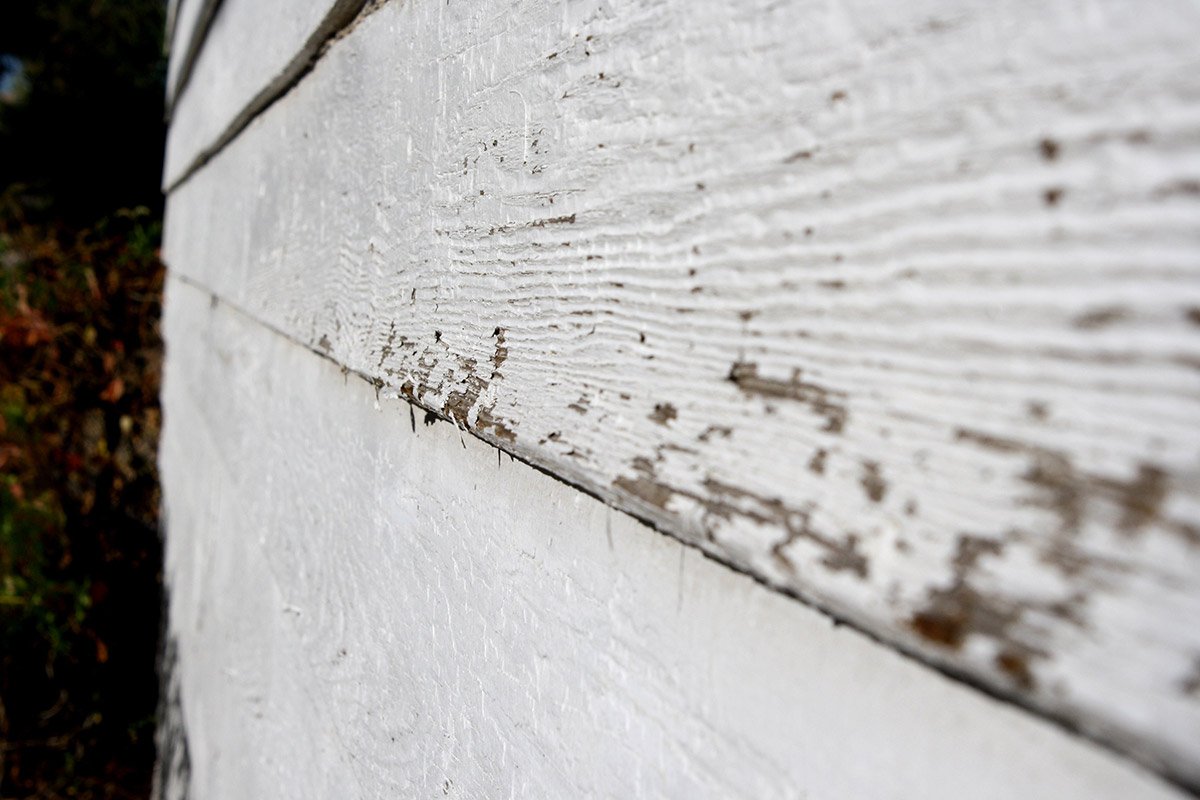
After the evaluation, most exterior projects begin with cleaning — washing the exterior to remove accumulated dirt, mildew, chalk and loose material. Then scraping and sanding wherever the existing coating has failed or lifted.
From there it depends on what the house needs: stucco crack preparation and repair, wood and fascia repairs, caulking at applicable joints and transitions, and priming bare or repaired areas. Landscaping, windows, hardscape, fixtures and anything not being painted gets masked and protected.
Then the coating goes on. An exterior scope may include the body, architectural bands and trim, fascia, soffits, doors, garage doors, shutters and other components — and again, each of those should be named rather than assumed.
More on our approach to exterior house painting across Northeast Florida.
Preparation Is a Large Part of the Job
Homeowners generally picture painting as brush, roller, paint. In practice, preparation is where most of the labor goes and where the difference between a finish that lasts and one that doesn’t gets decided.
A coating bonds to whatever it’s applied over. Applied over chalk, it bonds to chalk. Applied over a loose existing film, it bonds to something already letting go. Applied over unsound material, it covers a problem without changing it.
That’s the entire argument for preparation, and it’s why a proposal describing preparation in detail usually represents a different job than one that doesn’t mention it. We go deeper into this in our guide on why surface preparation matters in residential painting.
Do House Painters Make Repairs?
Often, yes — but it depends on the company and the type of repair.
Many painting contractors handle what you’d call painting-adjacent repairs: drywall patching and texture matching, stucco crack repair, replacing failed caulking, and wood and siding repair on deteriorated trim, fascia and siding. These are the conditions that show up constantly during preparation, and handling them is part of doing the work properly.
There’s an important boundary, though.
A painting contractor shouldn’t pretend to diagnose or repair conditions outside their expertise.
Structural movement, moisture intrusion with an unidentified source, building-envelope failure, an active roof or window leak, or extensive deterioration — those call for a different qualified professional to evaluate before anyone paints.
Painting over a condition like that produces a finish that looks correct and a problem that’s still progressing underneath. Sometimes the right answer really is “this needs to be looked at before we coat it.”
Do House Painters Pressure Wash Before Painting?
On most exterior projects, some form of cleaning happens first. What it removes is dirt, mildew, chalk from an aging coating, and loose contaminants that would otherwise sit between the surface and the new finish.
Worth clearing up a misconception: it isn’t about maximum pressure. Different substrates tolerate different approaches, and excessive pressure can damage stucco, drive water where it shouldn’t go, or tear up wood. Cleaning method gets matched to the surface.
Drying time matters too. In Jacksonville’s humidity, and especially during the summer rain pattern, a washed exterior needs adequate time to dry before coating. That’s a real scheduling factor, not a formality.
Do House Painters Caulk Before Painting?
Yes, where the joints call for it — and that qualifier matters.
Sealant has a service life shorter than most coatings. It hardens, splits and separates over years of UV and thermal cycling. Replacing it at the right locations is normal preparation on both interiors and exteriors: trim transitions, window and door perimeters where appropriate, and gaps where two materials meet.
What painters shouldn’t do is caulk every visible gap on principle. Some gaps are intentional. Some assemblies are designed to drain or breathe, and sealing them can cause problems rather than solve them. Manufacturer installation details govern where sealant belongs on siding systems, and good preparation follows them.
Sealant is also not waterproofing. It’s a maintenance layer at specific details, and it doesn’t substitute for flashing.
Do House Painters Prime Everything?
No. Full priming isn’t required on most repaints, and applying it everywhere by default would add cost without adding performance.
Primer gets used where there’s a reason for it: bare substrate, repaired and patched areas, stains that would bleed through a finish coat, adhesion concerns, a dramatic color change, unusual substrate conditions, or a manufacturer specification that calls for it as part of the system.
It’s also worth knowing that primer and finish coats are different things. When a proposal says “two coats,” it should be clear whether that means two finish coats or a primer plus one finish coat. Those are not the same specification.
What Paint Application Actually Involves
Application is more than pointing a sprayer at a wall.
Brushing, rolling and spraying each have their place, and the right choice depends on the surface, the product, the location and the conditions. Spraying often gets backrolled on textured exteriors so the coating works into the surface rather than sitting on top of it. Cutting in by hand is how a wall meets trim cleanly. Maintaining a wet edge is what keeps a large surface from showing lap marks.
Coverage rate matters as much as technique. A product applied too thin doesn’t build the film the manufacturer specified, regardless of how many coats went on.
Conditions matter too. Temperature, humidity and dew point all affect how a coating cures, which is another reason Florida exterior scheduling isn’t as simple as picking a week.
What Do House Painters Do Between Workdays?
This is a fair question, and the answer says a lot about how a company operates.
At the end of each day, materials should get organized and secured, tools removed or stored safely, walkways and access kept clear, and partially completed areas protected. Ladders shouldn’t be left leaning against the house overnight. Sprayers and open product shouldn’t be sitting in your driveway.
Inside a home, this matters more. Nobody wants to step around drop cloths and paint cans in their living room for a week. A well-run interior project leaves the house livable at the end of every day, and the crew tells you what’s happening tomorrow.
What Do House Painters Do When the Home Is Occupied?
Most interior projects happen with people still living there, and that shapes how the work gets sequenced.
Rooms get worked in an order that keeps as much of the home usable as possible. Kitchens and primary bedrooms get planned around rather than closed off for days. Access routes stay clear. Pets need to be considered — doors get left open during painting, and a crew should know before they arrive that there’s a cat in the house.
Dust from sanding gets controlled. Areas that are drying get identified so nobody leans a shoulder into a fresh wall. Daily cleanup is not optional on an occupied project.
And communication carries more weight here than on an exterior. Knowing which rooms are in play today and which are free changes the whole experience of having painters in your home.
Real Jacksonville Example: When House Painting Becomes a Repair-and-Prep Project
Some projects illustrate the point better than an explanation can.
On a Secret Cove home in Jacksonville 32216, the exterior work started with carpentry rather than paint. T1-11 siding sections had deteriorated to the point where coating them would have accomplished nothing, so the damaged material was repaired or replaced first. Coquina surfaces, caulking and preparation followed, and the coating went on last.
On a home in Jacksonville 32246, localized stucco had lost bond entirely. Removing it exposed deteriorated sheathing behind the finish — a condition invisible from the street and not something any coating addresses.
On a large stucco home in Jacksonville 32257, the story was preparation rather than repair: crack preparation and sealing across multiple elevations, extensive surface work and caulking at transitions before the coating system was applied.
Three exteriors, three different amounts of work before the same final step.
Real Interior Example: Painting Around Existing Millwork
Interior scope varies just as much.
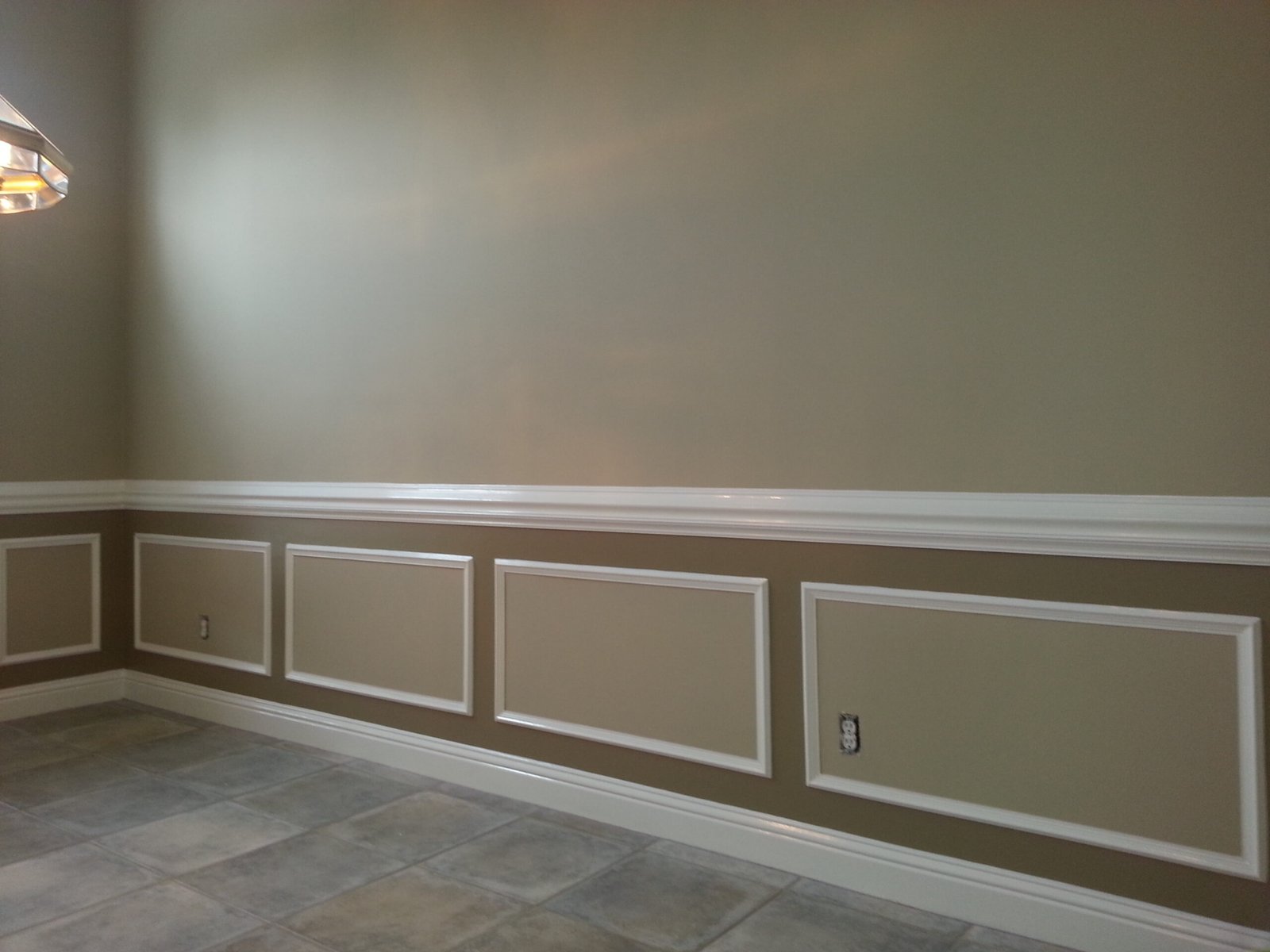
A Queen’s Harbour home in Jacksonville had extensive existing crown molding, baseboards and casings that were staying exactly as they were. The project covered the walls across the foyer, family room, dining room, living room, kitchen, breakfast area, hallways, laundry room, primary bedroom and back stairway — and nothing else.
That’s a walls-only scope, and it’s more demanding than it sounds. With the finished trim staying in place, the new wall color has to meet every run of crown, casing and baseboard cleanly, with no second coat going over the trim to tidy anything up. Preparation was localized drywall patching, nail pops, nicks and dings — ordinary work, done carefully.
What Happens at the End of a House Painting Project?
Finishing should mean more than the painters stopping.
A completed project includes an inspection of the work, touch-ups where anything needs them, removal of masking and protection, cleanup of the site, and replacing anything that was moved. Then a walkthrough with the homeowner — going room by room or elevation by elevation, together, identifying anything that needs correcting before the job is called done.
Depending on the company, you may also receive color documentation, leftover paint for future touch-ups, and written warranty information. Those are worth asking about while the crew is still there.
What House Painters Usually Don’t Do
This may be the most useful section here, because assumptions in this area cause most of the friction on painting projects.
Scope varies by company, but painting contractors generally should not be assumed to handle major structural repairs, roofing, plumbing or electrical work, window and building-envelope failures, mold remediation requiring a specialized remediator, diagnosis of significant water intrusion, engineering evaluation, major stucco system failures, or unrelated remodeling.
There’s a second and more common category of assumption, though:
Don’t Assume It’s Included
Something being physically attached to your house does not mean it’s in the painting scope. Depending on the proposal, any of these may or may not be included:
Gutters · shutters · exterior doors · garage doors · ceilings · closets · garage interiors · fences · decks · railings · pool cages · detached structures · sheds
The written scope decides. If you want it painted, make sure it’s named.
None of this means a contractor is hiding anything. It means “paint the house” is an ambiguous phrase, and the proposal is where it stops being ambiguous.
What House Painters Encounter on Jacksonville Homes
Northeast Florida housing gives painters a specific set of recurring conditions.
Stucco is everywhere, and stucco cracks — from shrinkage, from movement, at openings, at material transitions. Fiber cement siding is common in newer construction and takes different preparation than wood. Wood siding, trim, fascia and soffits are throughout the older housing stock, and wood responds to moisture.
The climate adds its own list. Sustained UV degrades coating films and produces the chalking we find on most exteriors past a certain age. Humidity and heavy seasonal rain support mildew growth. Sealant at joints ages faster under this much sun. Closer to the beaches, exteriors operate in a coastal environment inland homes don’t.
Housing age ranges enormously — newer construction through the St. Johns corridor and Nocatee, established Jacksonville neighborhoods, older homes toward St. Augustine. Each brings different substrates and different coating histories.
And a large share of homes here sit in HOA communities with architectural review requirements for exterior color changes, which is a scheduling factor worth knowing about early. More local guidance is in our Exterior Painting Resource Center and, for stucco specifically, the Jacksonville Stucco Resource Center.
Interior vs. Exterior House Painters
| Interior | Exterior | |
|---|---|---|
| Main preparation | Drywall repair, texture matching, sanding, caulking trim | Washing, scraping, stucco and wood repair, caulking |
| Protection focus | Floors, furniture, fixtures, dust control | Landscaping, windows, hardscape, driveways |
| Weather | Not a factor | Determines the schedule |
| Typical surfaces | Walls, ceilings, trim, doors, baseboards, crown | Body, bands, trim, fascia, soffits, doors, garage doors |
| Homeowner impact | Living around the work daily | Mostly access and noise |
What A New Leaf Painting Contractors Handles
We’ve been painting homes across Jacksonville and Northeast Florida since 2001.
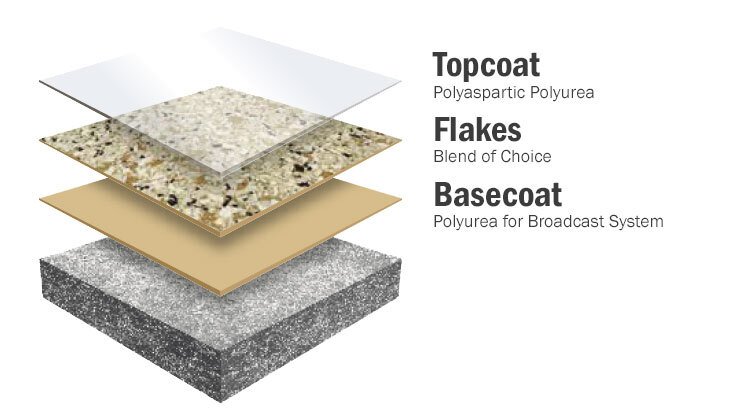
Our work covers interior painting, exterior painting, cabinet painting and refinishing, drywall repair, stucco repair, wood rot and carpentry repair, pressure washing, color consultation and concrete coatings — which is to say most of what actually comes up on a residential painting project, rather than just the coating stage.
Every project starts with looking at the surfaces and ends with a walkthrough. What happens in between depends on what the house needs.
Frequently Asked Questions
What do house painters actually do?
Evaluate the existing surfaces, protect the property, clean and prepare what’s being coated, make repairs where needed, caulk and prime as required, apply the coating system, then inspect, clean up and walk the work with the homeowner.
Do house painters repair drywall?
Many do, including patching, nail pops and texture matching. Larger drywall work may be a separate scope. Ask what’s included.
Do exterior house painters repair stucco cracks?
Crack preparation and repair is common pre-paint work. Extensive stucco system failure is different and may need a specialist.
Do house painters repair rotten wood?
Many handle deteriorated trim, fascia and siding. Extensive structural deterioration is outside normal painting scope.
Do painters pressure wash before exterior painting?
Cleaning is standard on most exteriors. Method and pressure get matched to the substrate, and the surface needs to dry before coating.
Do painters caulk before painting?
At applicable joints and transitions, yes. Not every gap should be caulked — some are intentional.
Do painters prime before painting?
Where it’s needed: bare substrate, repairs, stains, adhesion concerns, major color changes, or a manufacturer requirement. Most repaints don’t need full priming.
Do house painters move furniture?
Varies by company. Many move and cover large pieces while asking homeowners to clear smaller items. It should be stated in the scope.
Do painters clean up every day?
A professional crew does, particularly on occupied interiors. The house should be livable at the end of each day.
Can I stay home while house painters are working?
Usually yes. Most interior projects are done in occupied homes, with rooms sequenced to keep the house usable.
What’s the difference between interior and exterior house painters?
Different preparation, different protection priorities, different surfaces, and different products. Exterior work is weather-dependent; interior work happens around your daily life.
How long does professional house painting take?
It depends on size, surfaces, how much preparation and repair the house needs, and — on exteriors — the weather. A single-room interior may be a day or two; a full exterior with repairs runs considerably longer.
Now that you know what professional house painters actually do, the next step is knowing how to compare the companies offering to do it. Our guide on how to choose a residential painter in Jacksonville covers written scopes, insurance, warranties and the questions worth asking before you sign.
Related House Painting Resources
- Interior Painting Services — walls, ceilings, trim, doors and the protection that goes with occupied-home work.
- Exterior Painting Services — our preparation, repair and coating process for Jacksonville exteriors.
- Why Surface Prep Matters — what preparation does and why it drives how long a finish lasts.
- Exterior Painting Resource Center — our full library of homeowner guides on exterior surfaces and coatings.
- Jacksonville Stucco Resource Center — diagnostic guides for cracking, staining, efflorescence and delamination.
- How to Choose a Residential Painter — comparing scopes, verifying insurance, and what to ask before hiring.
Planning a House Painting Project in Jacksonville?
A New Leaf Painting Contractors will evaluate your home, explain what preparation and repairs are appropriate for the surfaces you actually have, define what’s included in writing, and provide a detailed estimate. Interior, exterior, or both.
Request an Estimate Explore Our Services
Or call or text 904-615-6599.
A New Leaf Painting Contractors
Serving Jacksonville, Northeast Florida, and St. Johns, Clay and Nassau counties since 2001.