Can You Paint Over Lead-Based Paint? A Professional Homeowner’s Guide
Yes — in many cases, existing lead-based paint can be painted over or encapsulated rather than removed. But that simple answer comes with important conditions: it depends on the condition of the existing coating, the surface underneath it, the preparation required, whether encapsulation is appropriate, applicable EPA lead-safe requirements, and the age of the home. Our interior painters in Jacksonville, FL treat suspected lead-painted surfaces differently from ordinary painted walls because preparation methods that disturb lead-based paint can create hazardous lead dust and debris.
One of the most important distinctions for homeowners to understand is the difference between an intact painted surface and one that will be disturbed during preparation or renovation. Sanding, scraping, cutting, demolition, and other activities can disturb lead-based paint, which is why lead-safe work practices become especially important in homes built before 1978.
As an EPA Lead-Safe Certified painting contractor with more than 25 years of experience with interior painting in Jacksonville, FL, we’ve worked on many older homes throughout Jacksonville and Northeast Florida. The appropriate approach isn’t automatically to remove every layer of old paint. The existing coating, deterioration, substrate, areas being disturbed, occupants, and scope of work all need to be considered before determining how the project should proceed.
This guide explains what lead-based paint is, when painting over or encapsulating an existing coating may be appropriate, when additional action may be necessary, what lead-safe preparation involves, and what Jacksonville homeowners with older homes should understand before beginning a painting project.
For more Jacksonville homeowner guides covering older painted surfaces, wall preparation, primers, drywall repairs, paint selection, surface problems, and professional interior painting, visit our Interior Painting Resource Center.
What Is Lead-Based Paint?
Lead was a common additive in residential paint for decades — it improved durability, drying time, and color richness. Its use in residential paint was banned in 1978, which is why any home built before that year is treated as a presumed lead-paint home under federal regulation unless testing proves otherwise.
Interior vs. exterior: lead paint can be present on either, and both carry real considerations — interior lead paint concerns are more directly tied to occupant exposure (dust, chips), while exterior lead paint adds weather exposure and soil contamination around the foundation as additional factors.
Common locations we find it: windows and window trim (especially older double-hung windows with friction surfaces that grind paint down every time they’re opened), doors and door trim, exterior siding, porches, railings, and any older baseboard or trim work that’s never been fully stripped or replaced.
Why homeowners should care: lead exposure is a genuine health hazard, and children are especially vulnerable — lead affects developing nervous systems in ways that can have lasting effects. The CDC has stated plainly that no level of lead in a child’s blood is considered safe, and currently uses a blood lead reference value of 3.5 micrograms per deciliter to identify children with elevated exposure compared to their peers. This isn’t included to alarm anyone — it’s included because it’s exactly why the EPA regulations covered below exist, and why proper handling matters.
Can You Safely Paint Over Lead Paint?
Often, yes. Painting over intact, well-adhered lead paint — sometimes referred to as encapsulation when done with a purpose-built product — is a recognized approach specifically because it doesn’t disturb the lead paint underneath. The existing paint stays in place, sealed under a new coating designed to form a durable barrier.
When encapsulation is appropriate: the existing paint is intact, well-adhered, and not actively deteriorating — no significant peeling, flaking, or chalking; the substrate underneath is structurally sound; and the surface isn’t subject to heavy friction or impact that would wear through the encapsulant over time.
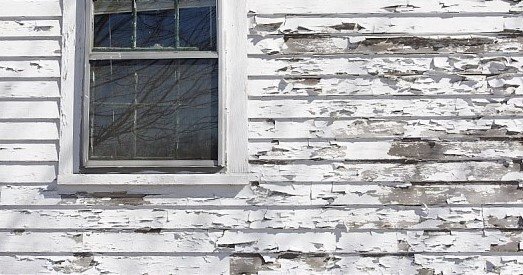
When it’s not appropriate: on surfaces with active paint failure, on friction surfaces like window sashes and door jambs where movement will eventually wear through any coating, on substrates with underlying damage (rot, water intrusion) that needs repair first, or where the paint is already chipping and generating dust or debris.
Benefits: encapsulation avoids the dust and debris generated by removal, is generally less invasive and less costly than full abatement, and can be a durable, long-term solution when properly applied to the right surface.
Limitations: encapsulation isn’t permanent — it requires periodic inspection to confirm the coating remains intact, and it’s not suitable for every surface, especially ones that see regular friction, impact, or moisture exposure.
When Should Lead Paint NOT Be Painted Over?
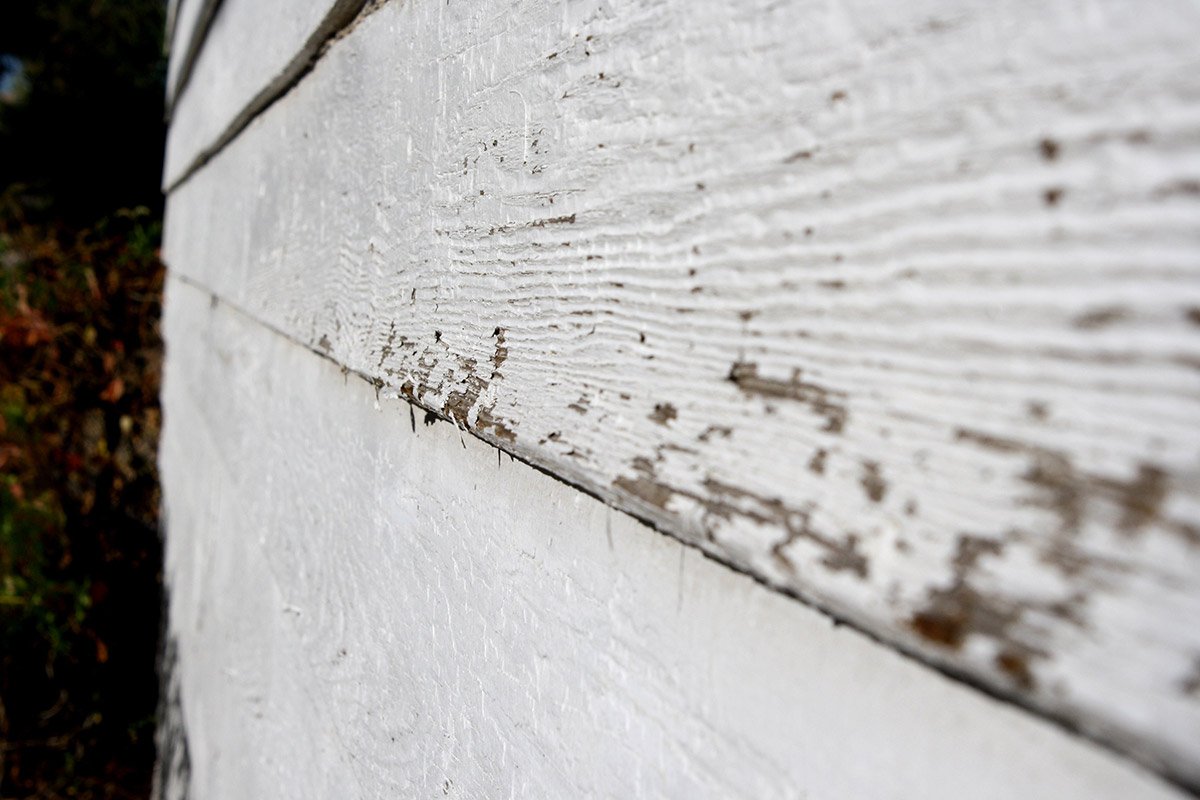
- Peeling or flaking paint — painting over active failure doesn’t stop it; the underlying adhesion problem continues, and the new coating fails along with the old one, often faster.
- Chalking — heavily chalking paint doesn’t provide a sound surface for a new coating to bond to, and lead-contaminated chalk itself can become airborne dust.
- Damaged substrates — wood rot, water damage, or other structural issues need to be repaired first; painting over damage just delays a bigger problem.
- Water damage — an active or recent moisture source needs to be identified and resolved before any coating goes on.
- Loose paint — any paint that isn’t firmly adhered needs proper stabilization, which itself needs to follow lead-safe practices, not a casual scrape-and-paint approach.
- Structural movement — cracking tied to settling or structural shifts needs evaluation before cosmetic work proceeds.
Encapsulation vs. Removal
| Factor | Encapsulation | Removal |
|---|---|---|
| Cost | Generally lower | Generally higher, given containment and disposal requirements |
| Safety | Lower immediate risk since the paint isn’t disturbed | Higher immediate risk during the work itself; requires strict containment |
| Longevity | Durable but requires periodic inspection and maintenance | Permanent solution once completed |
| Risk if surface fails later | Lead paint is still present underneath if the encapsulant ever fails | No lead paint remains once properly removed |
| Time | Generally faster | Generally longer, given containment and cleanup requirements |
| Maintenance | Ongoing inspection needed | Minimal ongoing lead-specific maintenance once complete |
| Best for | Intact paint on stable, low-friction surfaces | Failing paint, friction surfaces, or when a permanent solution is the priority |
How Professionals Approach Painting Over Lead-Based Paint
Here’s the actual process we follow on a pre-1978 home, and why each step exists:
- Inspection. We assess the condition of existing paint across every surface, identifying areas of failure, friction points, and any substrate damage.
- Lead testing or assumption. Per EPA guidance, unless testing documents that paint isn’t lead-based, pre-1978 homes are treated as presumed lead-paint homes and the RRP Rule’s requirements apply.
- Containment. The work area is contained with plastic sheeting and tape so dust and debris can’t spread beyond it, with warning signage posted.
- Surface stabilization. Any loose or failing paint is addressed using lead-safe work practices — never dry sanding or scraping without proper containment and wet methods.
- Cleaning. The work area is cleaned using HEPA vacuums and wet-wipe methods designed specifically to capture lead dust rather than spread it.
- Repairs. Any underlying substrate issues are addressed before coating.
- Specialized primers. Appropriate bonding or stabilizing primers are applied based on the surface condition.
- Encapsulation coatings, where appropriate. On surfaces suited to encapsulation, a purpose-built encapsulant is applied to form a durable barrier.
- Topcoat. A quality finish coat completes the project.
- Cleanup. Thorough cleanup following EPA procedures — picking up all visible debris, HEPA vacuuming, and wet-wiping horizontal surfaces.
- Cleaning verification. A certified renovator performs a visual inspection and uses EPA-specified cleaning verification procedures before the job is considered complete.
- Final inspection. Confirming the work area is clean and the coating is properly applied before we call the project done.
Lead Paint Testing
- Home test kits. Consumer lead test kits (like swab-based options) can give a quick indication, though results can be less definitive than professional testing, particularly with multiple paint layers.
- Professional testing. A certified inspector or risk assessor can test using EPA-recognized methods, giving more reliable results than a home kit.
- XRF testing. X-ray fluorescence testing is a common professional method that can test painted surfaces directly without needing to remove a paint chip.
- Paint chip analysis. Sending a paint chip sample to an EPA-recognized laboratory provides a detailed, layer-by-layer analysis.
- When testing is recommended: before any major renovation on a pre-1978 home, before selling if you want documentation either way, or simply for peace of mind if you have young children or are expecting.
Worth knowing: paint testing itself is not required by the RRP Rule. But without documentation proving otherwise, a pre-1978 home is treated as presumed to contain lead-based paint, and RRP requirements apply by default.
EPA Lead-Safe Requirements: What the RRP Rule Actually Says
The EPA’s Lead Renovation, Repair and Painting (RRP) Rule is the federal regulation governing this work, and it’s worth understanding in plain terms:
Who it applies to: anyone paid to perform work that disturbs painted surfaces in homes, childcare facilities, and preschools built before 1978 must be certified, using lead-safe work practices. Generally, the RRP Rule does not apply to homeowners doing this kind of work in their own occupied home — but it does apply if you rent out all or part of your home, operate a childcare facility in your home, or renovate and sell homes for profit.
The trigger threshold: RRP requirements are triggered when work disturbs more than six square feet of painted surface per room on the interior, or more than twenty square feet on the exterior. Two important exceptions: window replacement and demolition of painted surfaces are always covered regardless of square footage, and certain especially hazardous practices are prohibited regardless of size.
Certified firms and renovators. Firms must obtain EPA certification, and at least one certified renovator — trained through an accredited course — must be assigned to and present for the work.
Containment and dust control. The work area must be contained with plastic sheeting and tape, with warning signs posted, so dust and debris can’t spread into the rest of the home.
Prohibited practices. Certain especially hazardous work methods are banned outright under the RRP Rule, regardless of job size: open-flame burning or torching of the paint, using power sanders, grinders, or similar tools without a shroud and HEPA vacuum attachment, and operating a heat gun at temperatures above 1,100°F. These generate dangerous amounts of lead dust or fumes and are never an acceptable shortcut.
HEPA vacuums and cleaning verification. Cleanup must use HEPA-filtered vacuums and wet-wipe methods, and a certified renovator must verify the cleanup meets EPA standards before the job is considered complete.
Homeowner responsibilities. If you’re hiring for renovation work in your pre-1978 home, you should receive the EPA’s “Renovate Right” lead hazard information pamphlet before work begins, and it’s worth confirming your contractor’s firm certification directly rather than taking their word for it.
Contractor responsibilities. Certified firms are required to follow the work practice standards above, retain documentation, and ensure a certified renovator is on-site and accountable for the work.
Common Homeowner Mistakes We See
- Sanding without containment. Even a small amount of unprotected dry sanding on lead paint can spread contaminated dust throughout a home far beyond the immediate work area.
- Power sanding without HEPA capture. One of the specifically prohibited practices under RRP, and for good reason — it generates enormous amounts of fine, airborne lead dust.
- Scraping without wet methods or containment. Dry scraping creates chips and dust that settle into carpets, HVAC systems, and soil, where they persist and can be redistributed for years.
- Pressure washing painted exterior surfaces without controlling runoff — this can spread lead-contaminated water and paint chips into soil and nearby storm drains.
- Using heat guns above the safe threshold, or open flame — both vaporize lead into fume, which is more readily absorbed by the body than dust and is explicitly prohibited under RRP for exactly this reason.
- Dry sweeping a work area instead of proper wet-wipe and HEPA vacuum cleanup — this just redistributes settled dust back into the air.
- Vacuuming lead dust with a household vacuum. Standard vacuums aren’t equipped to capture the fine particulate lead dust and can actually blow it back out through the exhaust.
- DIY demolition of painted walls, trim, or components in a pre-1978 home without any containment plan.
- Ignoring deteriorating paint and hoping it resolves itself — paint that’s actively failing needs to be properly addressed, not left to continue chipping.
Best Primers and Encapsulants for Lead Paint
- Bonding primers — used to ensure strong adhesion of a new topcoat over existing intact paint, appropriate when encapsulation isn’t specifically needed but good adhesion is the goal.
- Purpose-built lead encapsulating coatings — specifically engineered and tested to form a durable, long-term barrier over lead paint, generally the right choice when encapsulation is the specific strategy rather than a standard repaint.
- Sherwin-Williams and Benjamin Moore both offer product lines and technical guidance appropriate for coating over existing painted surfaces — the right specific product depends on the substrate and surface condition, which is worth discussing directly with your contractor or a paint store’s professional desk rather than guessing from a shelf label.
Interior vs. Exterior Lead Paint Considerations
Interior lead paint concerns center on occupant exposure — dust from friction surfaces like windows and doors, chips from deteriorating trim, and the fact that interior spaces don’t have weather to naturally disperse any contamination the way exterior surfaces do.
Exterior lead paint adds weather exposure into the equation — UV breakdown, humidity, and rain all accelerate paint deterioration on siding, trim, porches, and railings, and exterior lead paint chips and dust can also contaminate surrounding soil, which matters especially where children play near the home’s foundation.
Substrate matters too: wood surfaces (siding, trim, porches, railings) are the most common locations for lead paint given how long wood exteriors have been standard, while stucco and brick homes may have lead paint history depending on when they were last coated prior to 1978.
Lead Paint in Older Florida Homes
Jacksonville has real concentrations of pre-1978 housing stock, particularly in historic districts like Riverside, Avondale, Springfield, and San Marco — neighborhoods known for their architectural character precisely because so many homes predate 1978. If you own a home in one of these areas, it’s reasonable to assume lead paint is present somewhere on the property unless testing says otherwise.
Florida’s climate adds its own layer to this. Humidity accelerates paint deterioration generally, which means lead paint on an older Florida home may show more active peeling and chalking — the exact conditions where painting over it isn’t appropriate without proper stabilization first — than the same age home in a milder climate. Regular maintenance and monitoring of painted surfaces matters more here than in drier regions, specifically because deterioration happens faster.
Cost Guide: Lead-Safe Painting in Jacksonville
Costs vary based on scope, but the general cost drivers for lead-safe work are:
- Lead testing — professional testing (XRF or lab analysis) adds cost relative to skipping testing and simply following RRP practices as a precaution
- Containment — proper plastic sheeting, tape, and work area preparation add labor and material cost beyond standard painting prep
- Certified renovator labor — EPA-certified firms carry training and certification costs that factor into project pricing
- Encapsulation coatings — purpose-built encapsulants generally cost more than standard paint products
- Repairs — any substrate repair needed before coating adds to project scope
- Removal, where necessary — full lead paint removal, when it’s the right call rather than encapsulation, generally costs more than encapsulation given the containment and disposal requirements involved
For general exterior and interior project cost ranges in our market, see our exterior painting cost guide — lead-safe projects on pre-1978 homes typically run above standard ranges given the additional certified labor and containment requirements involved. A full, itemized estimate for your specific home is the only way to get an accurate number.
Frequently Asked Questions
Can you paint directly over lead paint?
Often yes, if the existing paint is intact, well-adhered, and not on a high-friction surface — this is essentially what encapsulation means when done with the right product and preparation.
Do I need to remove lead paint?
Not always. Removal is generally reserved for paint that’s actively failing, on friction surfaces, or when a permanent rather than maintained solution is the goal.
Is encapsulation permanent?
Not automatically — it’s durable but requires periodic inspection to confirm the coating remains intact, since the lead paint is still present underneath.
Does regular primer seal lead paint effectively?
Standard bonding primers help adhesion but aren’t the same as a purpose-built lead encapsulant, which is specifically engineered and tested for this use.
Can lead paint be pressure washed?
This requires real caution — pressure washing can spread lead-contaminated water and paint chips into soil and runoff if not properly controlled, and isn’t a casual maintenance task on a home with lead paint present.
Can I sand lead paint myself?
Dry sanding without proper containment and HEPA capture is one of the most hazardous ways to disturb lead paint, and power sanding without a HEPA-equipped shroud is specifically prohibited under EPA’s RRP Rule for professional work.
How do I know if I have lead paint in my home?
Any home built before 1978 should be presumed to have lead paint unless testing proves otherwise — professional XRF testing or paint chip lab analysis are the most reliable ways to confirm.
Is lead paint dangerous if it’s intact and not disturbed?
Intact lead paint poses meaningfully less immediate risk than paint that’s peeling, chipping, or being actively disturbed — but it’s not risk-free forever, especially on friction surfaces or as paint ages and begins to deteriorate.
Can I paint over exterior lead paint?
Yes, under the same conditions as interior lead paint — intact, well-adhered paint on a suitable surface can often be safely painted over with proper preparation.
Should I hire an EPA Lead-Safe Certified contractor?
For any paid renovation work disturbing painted surfaces in a pre-1978 home, yes — it’s an EPA requirement for the contractor, and it protects you and your family from improperly handled lead dust.
What’s the difference between lead abatement and lead-safe painting practices?
Abatement is a permanent, specialized process specifically intended to eliminate lead hazards, often required in specific regulatory contexts (like certain HUD-assisted housing). Lead-safe work practices under the RRP Rule are the standard that applies to general renovation, repair, and painting work.
Does the RRP Rule apply if I’m doing the work myself?
Generally not, if it’s your own occupied home and you’re not renting it out, running a childcare facility there, or renovating to sell for profit — but the underlying safety principles still matter for your own and your family’s health.
What size project triggers RRP requirements for a contractor?
More than six square feet of painted surface disturbed per room on the interior, or more than twenty square feet on the exterior — with window replacement and demolition always covered regardless of size.
Can lead dust affect my family even if no one is actively renovating?
Yes — deteriorating paint on friction surfaces like windows and doors can generate lead dust through normal daily use over time, which is part of why monitoring paint condition matters even without an active renovation project.
What should I do if I suspect my child has been exposed to lead?
Talk to your child’s healthcare provider about a blood lead test — most children with elevated lead levels show no obvious symptoms, so testing is the reliable way to know.
Are pregnant women at increased risk from lead exposure?
Yes — lead exposure during pregnancy is a recognized concern, and occupational and environmental health guidance generally recommends minimizing any lead exposure during pregnancy.
Does homeowners insurance cover lead paint issues?
This varies significantly by policy — worth a direct conversation with your insurance provider about what is and isn’t covered before assuming either way.
Do I have to disclose lead paint when selling my home?
Federal law requires sellers of pre-1978 housing to disclose known lead-based paint hazards and provide buyers with relevant information and an opportunity to test — this is a real legal disclosure obligation, not optional guidance.
Can encapsulation coatings be painted over again later with regular paint?
Generally yes, following normal surface preparation, though it’s worth confirming compatibility with the specific encapsulant product used.
What’s the safest way to remove old window paint that might contain lead?
Window components are always covered under RRP regardless of the square footage disturbed, precisely because window friction surfaces are a common lead exposure point — this work should go to a certified renovator using proper containment and wet methods, not DIY dry scraping.
Does painting over lead paint reduce my home’s resale value?
Properly documented, professionally handled lead-safe painting or encapsulation is generally viewed as responsible maintenance rather than a liability — undisclosed or improperly handled lead paint issues are the bigger resale concern.
How long does encapsulation typically last?
This varies by product and surface exposure, but purpose-built encapsulants are generally designed for long-term durability when applied to appropriate, low-friction surfaces and properly maintained.
Can lead paint hazards be found in the soil around my home?
Yes — exterior lead paint that has deteriorated over decades can contribute to elevated lead levels in soil near the foundation, which is a real consideration for homes with young children who play in that area.
What is the EPA’s Renovate Right pamphlet?
It’s the official lead hazard information pamphlet that certified contractors are required to provide to homeowners and occupants of pre-1978 housing before starting covered renovation work.
Should older homes get lead testing even without any planned renovation?
It can offer genuine peace of mind, particularly for families with young children or anyone who is or may become pregnant, even without an immediate renovation project planned.
Conclusion: Making an Informed Decision
Lead-based paint in an older home isn’t automatically an emergency, and it isn’t something to ignore either. Intact, well-maintained lead paint that’s properly painted over or encapsulated can be a safe, reasonable long-term approach. Paint that’s failing, on friction surfaces, or about to be disturbed by renovation work needs a different level of care — proper testing, certified handling, and lead-safe work practices that protect your family throughout the process.
If you own a pre-1978 home in Jacksonville, Riverside, Avondale, Springfield, San Marco, or anywhere else in Northeast Florida and you’re not sure what you’re dealing with, we’re glad to walk your home, assess your specific situation, and give you a straight answer on what it actually needs.
Ready to talk through a lead-safe painting project? Schedule a free, no-pressure consultation with our EPA Lead-Safe Certified team. Call 904-615-6599.
Helpful Resources
- Interior Painting Services
- Exterior Painting Services
- Drywall Repair
- Wood Rot Repair
- Our Painting Process
- Best Exterior Paint for Florida Sun and Humidity (includes historic district guidance for Riverside, Avondale, San Marco, and Fernandina Beach)
- Residential Painting in Jacksonville, FL
For authoritative, primary-source information beyond this guide: