
Common Causes of Peeling, Bubbling & Fading Exterior Paint
Exterior paint doesn’t usually fail just because it’s “old.” When a Jacksonville homeowner sees peeling, bubbling, or fading paint, there’s almost always a specific cause behind it — and often more than one working together. Jacksonville’s heat, intense UV exposure, humidity, heavy seasonal rain, mildew-friendly conditions, and moisture intrusion all put real stress on exterior coatings, and improper prep during the last paint job can make a home vulnerable to all of it.
The visible problem — the peeling patch, the bubbled section, the faded wall — is usually a symptom of something underneath. The right fix starts with figuring out what actually caused the failure, not just repainting over it and hoping it holds.
What Peeling, Bubbling, and Fading Usually Mean
Peeling Paint
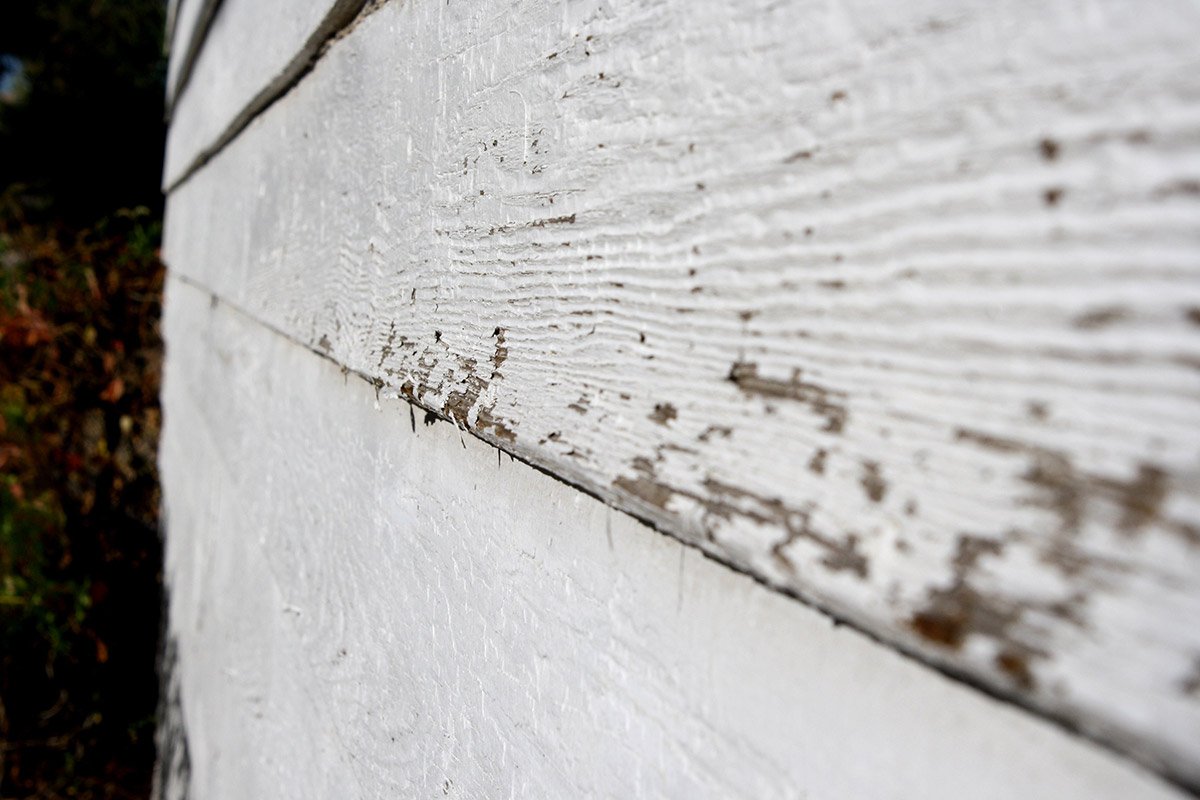
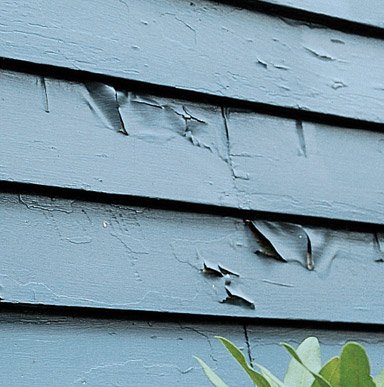
Peeling happens when paint loses its grip on the surface beneath it and starts pulling away. It’s most often related to poor surface preparation before the last paint job, trapped moisture behind the coating, a prior coating that had already failed, bare or unprimed substrate, or incompatible paint layers applied on top of each other over the years.
Bubbling or Blistering Paint
Bubbles or blisters in a paint film usually point to moisture, heat, or trapped vapor pushing against the coating from underneath — sometimes because the surface was damp when it was painted, and sometimes because moisture has found its way in since. There’s a meaningful difference between a bubble that eventually ruptures and leaves a peeling patch behind, and a more surface-level, temporary blister — but either one is worth a closer look rather than ignoring.
Fading or Chalking Paint
UV exposure gradually breaks down the pigments and binders in exterior paint, which is what causes color to fade over time. Chalking is a related but distinct issue — it shows up as a powdery residue on the surface that will actually rub off on your hand if you touch it. South- and west-facing walls, which take the most direct sun exposure throughout the day, typically show fading and chalking before the rest of the house does.
The Most Common Causes of Exterior Paint Failure in Jacksonville
Improper Surface Preparation
Painting directly over chalk, mildew, dirt, loose paint, or failing caulk is one of the most common reasons a paint job doesn’t hold up. Cleaning, scraping, sanding, and priming aren’t optional extra steps — they’re what actually determines whether the new coating bonds properly and lasts as long as it should.
Moisture Behind the Paint
Failed caulk, roof leaks, overflowing gutters, leaking windows, damaged fascia, wood rot, stucco cracks, and sprinklers hitting the same spot on siding day after day can all introduce moisture behind a paint film. Repainting over an active moisture problem without addressing the source is one of the fastest ways to see the same failure show up again in the same spot within a year or two.
Painting Over Mildew or Algae
Jacksonville’s humidity makes mildew a common issue, particularly on shaded walls and north-facing elevations that don’t get much direct sun to dry them out. Mildew needs to be properly cleaned and treated before any new coating goes on — painting over it without addressing it first traps the problem under the new paint rather than solving it.
Using the Wrong Primer or Coating
Bare wood, patched stucco, metal surfaces, chalky walls, and areas where a previous coating has already failed often call for different primers or coating systems than a straightforward repaint over sound, existing paint. “One paint for everything” isn’t really how exterior painting works — the right primer and system depends on what’s actually on the wall.
Painting in Poor Weather Conditions
Rain, excess surface moisture, high humidity, or application outside a product’s specified temperature and humidity range can all compromise how well paint cures and adheres. A professional painter is watching more than just the weather forecast — surface moisture readings and actual conditions at the wall matter just as much as what the sky is doing.
Sun and Heat Exposure
Florida’s intense UV exposure fades colors over time and can break down lower-quality or poorly applied coatings faster than a milder climate would. Dark colors tend to absorb more heat, which can accelerate fading and general wear on the harshest, sun-facing sides of a home.
Jacksonville-Specific Trouble Areas to Inspect
South- and West-Facing Walls
These elevations take the strongest, most sustained sun exposure of the day, which is why fading, chalking, cracking, and general color breakdown so often start here first.
Fascia, Soffit, and Roofline Trim
These areas sit right where water intrusion, gutter overflow, and wood rot most commonly show up, making them a frequent early-warning spot during an inspection.
Window Trim, Door Frames, and Caulk Joints
Failed caulk around windows and doors is one of the easiest ways for water to get in behind an otherwise intact paint job.
Stucco Cracks and Patch Areas
Even small hairline cracks in stucco can let moisture in if they’re not properly repaired and sealed before painting.
Lower Siding Near Landscaping
Sprinklers hitting the same section of wall repeatedly, mulch and dense vegetation pressed against siding, and poor drainage near the foundation can all accelerate paint and wood failure in the lower portions of a home.
Coastal Homes
Homes in Jacksonville Beach, Atlantic Beach, Neptune Beach, and Ponte Vedra Beach deal with an added layer of stress from salt air and wind-driven moisture, which often translates into more frequent washing, touch-ups, and maintenance needs than homes further inland.
Can You Paint Over Peeling or Bubbling Paint?
Not correctly — at least not if you want the new paint to actually last. Painting directly over peeling or bubbling paint just seals the underlying problem in rather than fixing it, and the new coat will typically fail again in the same spot, often faster than the first time.
The proper repair sequence looks like this:
- Identify and resolve whatever moisture or substrate issue caused the failure in the first place
- Remove all loose or failing paint down to a sound surface
- Sand and feather the edges so the repaired area blends smoothly
- Repair any damaged wood, stucco, or caulk in the affected area
- Prime exposed or repaired surfaces
- Apply the proper exterior coating system for that surface
Skipping any of these steps — especially the first one — tends to mean the same problem resurfaces before long.
When Paint Failure Means You May Have a Bigger Problem
Some signs of paint failure are worth treating as a warning about something more serious happening underneath, rather than just a cosmetic issue:
- Soft wood or visible rot in trim, fascia, or siding
- Bubbling that keeps recurring in the exact same spot
- Water stains showing up below rooflines or windows
- Open caulk joints around windows, doors, or trim
- Stucco cracks that are widening or keep coming back after repair
- Paint that fails again soon after a previous repaint
Paint should never be used as a way to hide an unresolved moisture problem. If any of these signs are present, it’s worth having someone actually diagnose the cause before another coat of paint goes on.
How to Prevent Exterior Paint From Failing Again
- Do a visual inspection of the exterior once a year.
- Clean the surface gently as needed to remove dirt, pollen, and mildew buildup.
- Keep gutters and downspouts clear and functioning properly.
- Trim vegetation back so it isn’t in direct contact with siding or trim.
- Repair failed caulk as soon as you notice it, rather than letting it sit.
- Address wood rot and stucco cracks before repainting, not after.
- Use a proper prep process paired with a coating system that’s actually compatible with the surface.
Frequently Asked Questions
Why is my exterior paint peeling after only a few years?
Paint that fails within just a few years usually points to an underlying issue — most often poor surface prep during the last paint job, moisture getting in behind the coating, or a coating system that wasn’t well matched to the surface it was applied to.
Does bubbling paint always mean water damage?
Not always, but it’s one of the most common causes. Bubbling can also result from painting over a damp surface or from trapped heat and vapor, so it’s worth having the specific cause identified rather than assuming.
Can pressure washing cause paint to peel?
High-pressure washing, especially when done incorrectly, can force water behind existing paint or physically strip weakened paint from the surface. It’s a useful cleaning step when done carefully, but it isn’t a substitute for proper prep and repair.
Why does the sunny side of my house fade faster?
South- and west-facing walls receive the most direct, sustained UV exposure throughout the day, and that constant sun breaks down pigments and binders faster than on shaded elevations.
Is chalky exterior paint a problem?
Chalking indicates the paint’s binders are breaking down from UV exposure over time. Left unaddressed, it can affect how well a new coat of paint adheres, so it’s something to clean or treat properly before repainting rather than paint over as-is.
Do I need to repaint the entire house if only one wall is peeling?
Not necessarily. If the peeling is isolated and the cause is identified and fixed, a targeted repair and repaint of that section can be enough. Widespread peeling across multiple elevations is a different situation and usually points to a broader issue worth a full repaint.
Need Help Diagnosing Exterior Paint Failure in Jacksonville?
A professional inspection can determine whether what you’re seeing is a surface prep issue, trapped moisture, wood rot, failed caulk, stucco cracks, or straightforward coating failure — and what the right fix actually is. A New Leaf Painting Contractors provides exterior painting estimates and inspections throughout Jacksonville and Northeast Florida.
Call 904-615-6599 for an exterior painting estimate and inspection.
Related pages: Exterior Painting | Stucco Repair | Wood Rot Repair | Exterior Painting Cost Guide | Exterior Painters Near Me | Guarantee & Warranty