
Color Trends 2026
What Color Is Replacing Gray in 2026? A Jacksonville Painter’s Guide
The color replacing gray in 2026 is not one single color. Cool gray is being replaced by warmer neutrals like greige, taupe, beige, putty, mushroom, warm white, soft sage green, caramel, and deep brown accents. Both Sherwin-Williams (Universal Khaki SW 6150) and Benjamin Moore (Silhouette AF-655) named warm earthy colors as their 2026 Colors of the Year, confirming the industry-wide shift. Homeowners still want neutral homes — they just want them to feel warmer, softer, and more inviting than the cold gray interiors that dominated the last decade.
Is Gray Going Out of Style in 2026?
Not entirely. But cool gray — the steely, blue-based gray that defined the 2010s — is on its way out. Gray became popular in the first place because it felt clean, modern, and safe. It was the universal “I don’t want to commit” color. Builders used it everywhere. Flippers used it everywhere. By 2018 or so, you couldn’t walk into a model home without seeing it.
The problem is that after years of gray walls paired with gray-stained floors paired with gray quartz countertops paired with gray velvet furniture, many homes started feeling cold, flat, and impersonal. Designers describe it as “sterile.” Homeowners describe it as “tired.” Same problem, different word.
So here’s the honest answer: gray is not dead. But cold gray is tired. What’s replacing it isn’t a different color, exactly — it’s a different temperature. Warm, earthy, layered, and connected to nature instead of crisp and minimalist.
Why Homeowners Are Moving Away From Cool Gray
A few real reasons are driving this shift, not just trend fatigue:
- Cool gray reads cold in natural light. Especially here in Florida, where natural light is bright and direct. A wall that looked sophisticated in a Northeast magazine spread can look sterile and almost blue in Jacksonville’s midday sun.
- It clashes with warm materials. Oak wood, brass hardware, paver patios, natural stone, terracotta roof tiles — all the materials trending in 2026 lean warm. Cool gray fights with them. Warm neutrals harmonize.
- Homeowners want comfort, not minimalism. After the pandemic years, people want their homes to feel like a refuge. Cold, minimal, magazine-perfect interiors don’t deliver that. Warm, layered, lived-in interiors do.
- It dates a home faster than warm neutrals do. When you sell a gray house in 2027, the first thing buyers will think is “this is from 2018.” Warm neutrals tend to look timeless decades later because they reference nature, not a trend cycle.
The Main Colors Replacing Gray in 2026
Here are the specific color families homeowners are choosing instead of gray right now — including verified 2026 Colors of the Year from the major paint manufacturers and the specific shades we’re using most often on Jacksonville projects.
1. Warm Whites
Best examples:
- Sherwin-Williams Alabaster SW 7008
- Sherwin-Williams Greek Villa SW 7551
- Sherwin-Williams Shoji White SW 7042
- Benjamin Moore White Dove OC-17
- Benjamin Moore Swiss Coffee OC-45
- Benjamin Moore Cloud White OC-130
Warm whites are replacing stark cool whites and very light grays because they brighten a home without feeling cold. They photograph well in Florida light, they pair beautifully with both warm and cool finishes, and they age extraordinarily well. If you’re not sure where to start moving away from gray, this is the safest first step.
2. Greige
Best examples:
- Sherwin-Williams Agreeable Gray SW 7029
- Sherwin-Williams Accessible Beige SW 7036
- Benjamin Moore Revere Pewter HC-172
- Benjamin Moore Edgecomb Gray HC-173
Greige — the warmer gray with brown or beige undertones — is the safest bridge for homeowners who aren’t ready to leave gray completely. Designers are split on greige in 2026: some say it’s still going strong, others say it’s already starting to feel as overdone as cool gray was three years ago. The honest truth is that greige works beautifully as a transition color. If your existing finishes lean cool, greige softens the home without making everything else look wrong overnight.
3. Taupe and Mushroom
Best examples:
- Sherwin-Williams Tony Taupe SW 7038
- Sherwin-Williams Shiitake SW 9173
- Benjamin Moore Pashmina AF-100
- Benjamin Moore Stone Hearth 984
If there’s one color category we’d point to as the true successor to cool gray, it’s mushroom. Designers call it the “Goldilocks zone” of neutrals — never too cool, never too warm, sitting perfectly between gray, beige, and taupe with subtle earthy undertones. It feels sophisticated and expensive when paired with white trim, wood floors, natural stone, and bronze or black accents. We’re using these tones constantly on Jacksonville interior projects right now.
4. Beige and Sand
Best examples:
- Sherwin-Williams Natural Linen SW 9109
- Sherwin-Williams Kilim Beige SW 6106
- Benjamin Moore Manchester Tan HC-81
- Benjamin Moore Muslin OC-12
Beige is back — but not the yellow-heavy, dated beige from the early 2000s. The 2026 beige is softer, cleaner, more natural, and significantly less yellow. It evokes sand, linen, and oat tones rather than the orangey “Tuscan” beige we all remember. For Florida coastal homes especially, this category is having a major moment.
5. Soft Greens and Sage
Best examples:
- Sherwin-Williams Evergreen Fog SW 9130
- Sherwin-Williams Sage SW 2860
- Benjamin Moore October Mist 1495
- Benjamin Moore Saybrook Sage HC-114
Earthy greens are leading the charge into 2026 because they create an immediate connection to nature. They’re calming, organic, restorative, and they read as more “personality” than gray ever did while still being safely neutral. Sage and muted olive are especially popular for bathrooms, bedrooms, and accent walls. We’re seeing a lot of these tones on cabinet projects too.
6. Rich Browns and Charcoal-Browns
Best examples:
- Benjamin Moore Silhouette AF-655 — Benjamin Moore’s 2026 Color of the Year
- Sherwin-Williams Urbane Bronze SW 7048
- Benjamin Moore Wrought Iron 2124-10
- Sherwin-Williams Iron Ore SW 7069
Benjamin Moore named Silhouette AF-655 — described as a luxurious burnt umber with delicate notes of charcoal — their 2026 Color of the Year. That selection isn’t an accident. The entire industry is moving toward richer, warmer, more sophisticated dark neutrals to replace the cool charcoal grays of the last decade. We’re seeing this most often on front doors, accent walls, cabinets, and exterior shutters — not whole-room treatments.
The 2026 Color of the Year From Major Paint Brands
Both major paint manufacturers confirmed the warm-neutral shift with their 2026 Color of the Year announcements:
- Sherwin-Williams — Universal Khaki SW 6150. A mid-tone neutral with subtle green-yellow undertones. Sherwin-Williams describes it as “the ultimate warm neutral that celebrates the beauty of life’s bare essentials.” It has an LRV (Light Reflectance Value) of 40 — meaning it sits comfortably in the middle of the light-to-dark range, working as a wall color, cabinet color, or trim accent.
- Benjamin Moore — Silhouette AF-655. An espresso brown with subtle charcoal undertones. Benjamin Moore describes it as “luxurious burnt umber with delicate notes of charcoal,” inspired by classic tailored suiting. It’s dark (LRV of 10) and meant for statement walls, cabinetry, or exterior accents rather than whole rooms.
- Glidden — Warm Mahogany PPG1060-7. A deeply rich red with subtle brown undertones, described by Glidden as “bold enough to draw immediate attention and reserved enough to make a timeless statement.”
Three different brands. Three different shades. One unmistakable direction: warm, earthy, layered, and confident. The era of cool gray is definitively over according to the people who make the paint.
Old Gray vs. New 2026 Neutrals: Side-by-Side
If you’ve been living with the gray palette and you’re trying to figure out what to replace it with, here’s the cleanest comparison:
| Old Gray Trend (2010s) | 2026 Warm Replacement |
|---|---|
| Cool gray walls | Warm white or greige walls |
| Gray-on-gray rooms | Greige with warm wood tones |
| Blue-gray interiors | Soft sage or muted olive green |
| Charcoal gray accents | Deep brown, bronze, or burnt umber |
| Gray cabinets | Taupe, mushroom, sage, or cream cabinets |
| Gray exterior palettes | Warm white, beige, greige, olive, or bronze |
| Stark white trim | Soft warm white trim (less blue-based) |
| Cool stone & quartz | Warm marble, travertine, or natural stone |
Thinking About Repainting? Get a Free Color Consultation
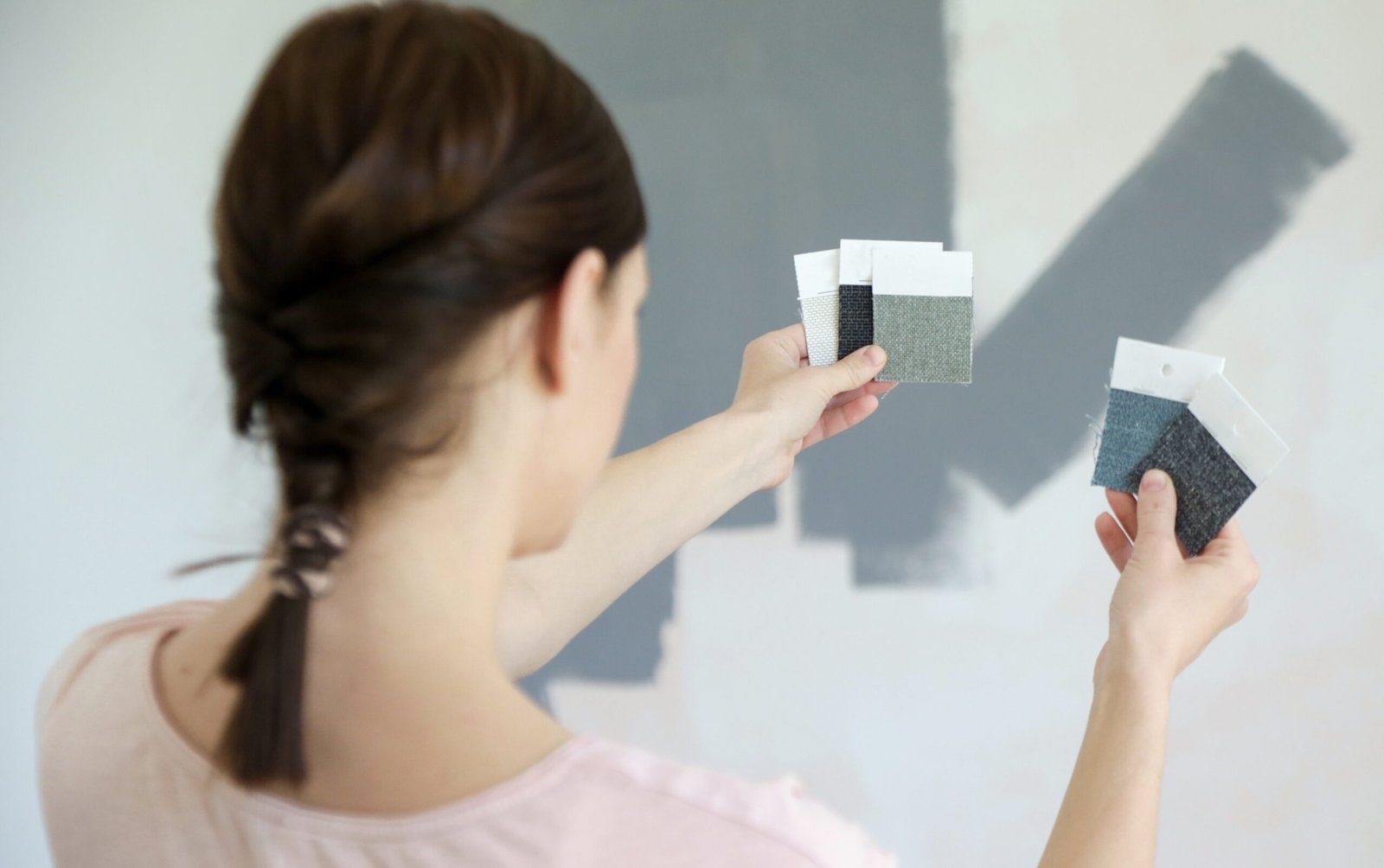
Color is hard to get right from a paint chip. We’ll bring large samples to your home, show you how each color looks in your specific Florida light, and help you choose colors that work with your existing finishes.
Interior Colors Replacing Gray in Jacksonville Homes
When we’re working on interior projects in Northeast Florida, here’s where each warm-neutral category actually goes inside the home:
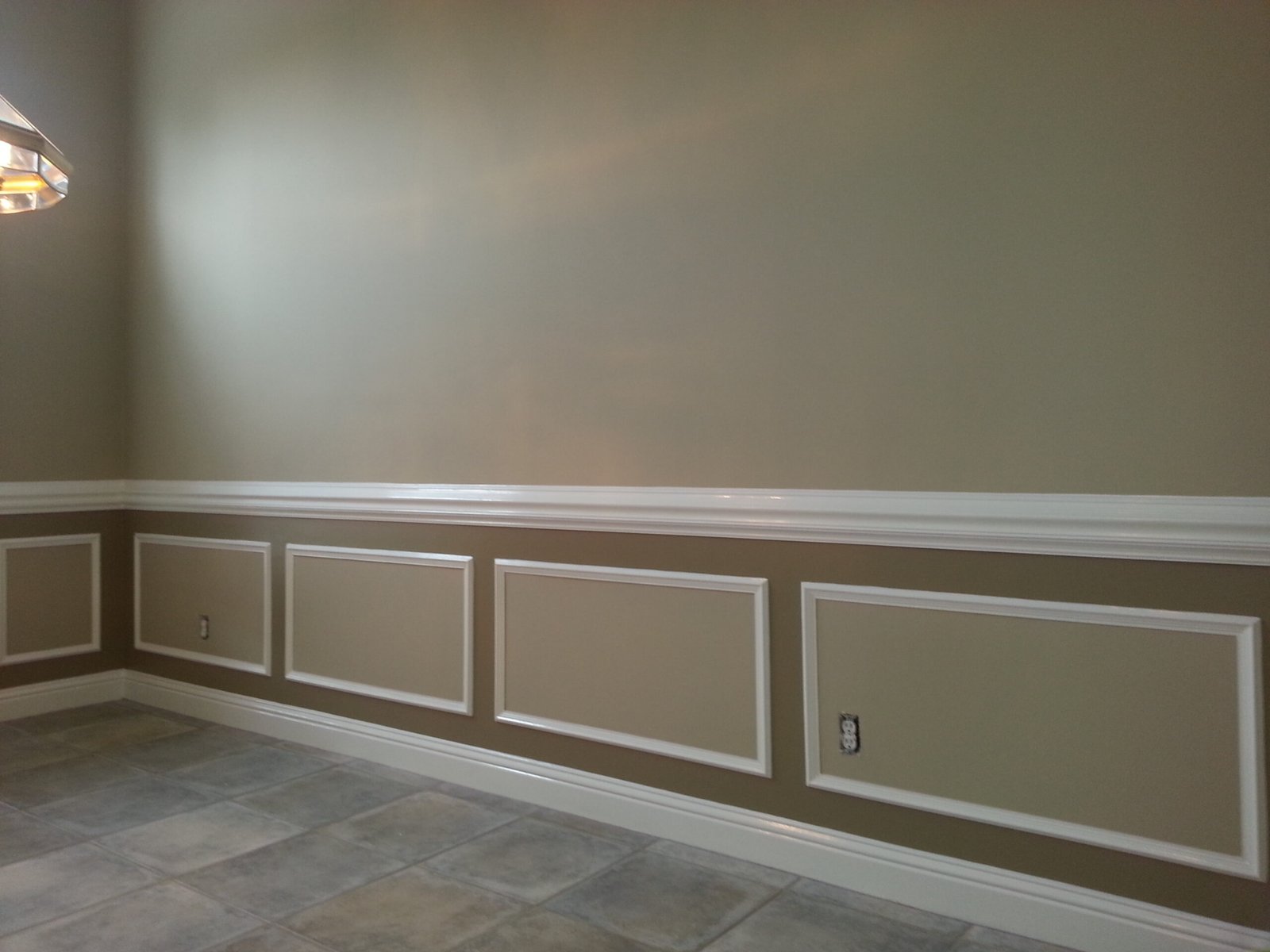
- Walls: Warm white, greige, taupe, or soft sage are the most-requested replacements for the cool gray we used to paint everywhere.
- Trim: Soft warm whites (Alabaster, White Dove, Swiss Coffee) instead of the harsh blue-whites that dominated the gray era.
- Cabinets: Mushroom, taupe, sage green, and creamy white are dominating cabinet refinishing projects. We’ve stopped painting kitchen cabinets cool gray almost entirely.
- Bathrooms: Soft sage green, warm white, and beige — especially for primary bathrooms where homeowners want a spa feel.
- Bedrooms: Warm white, putty, muted sage, or soft taupe. Calming and restful, without the cold sterility of gray.
- Ceilings: Warm white or a slightly lighter version of the wall color. The era of “ceiling white” being a different product than wall color is fading.
- Accent walls: Deep brown, burnt umber, sage green, or muted blue-green. Cool charcoal accent walls are looking dated.
Exterior Colors Replacing Gray on Jacksonville Homes
The exterior shift is even more pronounced than the interior one, because exterior gray dates a home faster from the street than interior gray does inside it.
- Body colors: Warm white, greige, beige, taupe, and sand are dominating exterior repaint requests right now. We’re painting fewer cool grays on home exteriors than we have in 15 years.
- Trim: Cream or soft white — never a blue-based bright white that fights with the warm body color.
- Doors: Deep brown, bronze, navy, dark green, or charcoal black. The era of the gray door is over — warm or saturated doors against a neutral body are the move.
- Shutters: Bronze, charcoal, deep green, or dark brown. Same logic as doors — warm and confident rather than cool and matchy.
- Stucco homes: Warm whites, sand, greige, and taupe absolutely shine on stucco. The texture catches Florida light beautifully when the color is warm.
- Coastal homes: Soft white, sand, blue-gray (yes, blue-gray works coastally even as it fades inland), sage, and bronze accents.
What Color Is Replacing Gray in Jacksonville Homes Specifically?
This is where 25 years of painting Northeast Florida actually matters. Jacksonville and the First Coast have several environmental factors that change which warm neutrals work best:
- Florida’s natural light is bright and direct. Most paint colors here will look noticeably lighter and brighter on the wall than they do on a paint chip in a store. Always sample two shades darker than you think you want.
- Cool gray reads almost blue in direct Florida sunlight. This is why gray exteriors that looked sharp in a magazine often look sterile on a Jacksonville home. Warm neutrals don’t have that problem — they read as warm or neutral, never as blue.
- Warm neutrals work better with our local materials. Paver driveways, terracotta and clay roof tiles, natural stone, brick, and Florida landscaping all lean warm. Warm wall and trim colors harmonize. Cool gray fights.
- Dark colors fade significantly faster outside in Florida sun. If you want a deep brown or burnt umber on the exterior, you need premium UV-resistant paint and ideally a north or east exposure. We’ll talk through this on every estimate.
- HOA communities prefer timeless neutrals. Nocatee, Sawgrass, Eagle Harbor, Julington Creek Plantation, Deerwood, and OakLeaf Plantation all have architectural review committees that approve warm neutrals readily. Cool gray exterior submissions are getting rejected more often as the trend fades.
- Coastal homes need colors that work with salt air. Within 10 miles of the Atlantic — Atlantic Beach, Neptune Beach, Jacksonville Beach, Ponte Vedra Beach — we recommend warm whites, sand, soft sage, and bronze accents over elastomeric coating systems for maximum longevity.
For Jacksonville specifically, the safest colors replacing gray are warm white, greige, beige, taupe, mushroom, and soft sage green. These work with stucco homes, paver driveways, brown and gray roofs, coastal architecture, HOA communities, and Florida’s bright natural light. We’re applying these colors on the majority of repaint projects we book in 2026.
How to Choose the Right Undertone
Here’s the single most important thing to understand about choosing a warm neutral: the undertone matters more than the color name.
Two paints that look almost identical on the chip can read completely differently on the wall because of their undertones:
- Gray can have blue, green, purple, or beige undertones — and the undertone determines whether it reads cool or warm.
- Beige can look yellow if chosen wrong, especially in Florida light. The 2026 beige is closer to oat or linen than to Tuscan yellow.
- Greige can lean either warm or cool depending on the specific product. Agreeable Gray leans warm; Worldly Gray leans cool.
- Warm whites can look creamy, slightly pink, or slightly yellow depending on the light and the room’s existing finishes.
- Sage greens can lean blue, yellow, or true green — and in north-facing rooms they often read more blue than expected.
2026 Paint Color Palettes That Feel Warm and Timeless
Here are four complete palettes we’re using on Jacksonville projects right now — each tested in Florida light, with stucco homes, with HOA approvals, and with real homeowner feedback after the project is done.
Safe 2026 Interior Palette
Trim: Soft white (White Dove or Swiss Coffee)
Cabinets: Mushroom or taupe (Pashmina or Shiitake)
Accent: Sage green or deep bronze (Evergreen Fog or Urbane Bronze)
Modern Coastal Palette
Trim: Crisp soft white (Pure White)
Doors/Cabinets: Smoky green or navy
Accents: Natural wood, bronze, matte black
Exterior Stucco Palette (Jacksonville-Tested)
Trim: Cream or soft white
Door: Bronze, deep green, navy, or matte black
Garage door: Body color or trim color (avoid contrast)
HOA-Friendly Palette (Tested in Nocatee & Eagle Harbor)
Trim: White or cream
Accent: Muted bronze, dark green, or charcoal brown
Approval rate: Approved first-submission in nearly every Jacksonville HOA we’ve worked with
Mistakes to Avoid When Moving Away From Gray
We’ve watched homeowners make the same handful of mistakes over and over when they try to leave gray behind. Here’s what to avoid:
Need Help Choosing Paint Colors in Jacksonville, FL?
The best color replacing gray depends on your lighting, floors, roof, pavers, furniture, HOA rules, and the feeling you want your home to have. There’s no universal answer — which is exactly why generic Pinterest searches don’t actually help you decide.
A New Leaf Painting helps Jacksonville homeowners choose colors that look beautiful in Florida light, work with the home’s existing materials, and feel warm, current, and timeless. We offer professional color consultations with large samples brought to your home, an in-house color expert who walks through every room with you, and HOA architectural review submission support when needed. After 5,000+ completed projects, we know what works on stucco, on Hardie plank, on coastal homes, on north-facing rooms, on east-facing rooms, and in every major HOA community in Northeast Florida.
If you’re moving away from gray and want a second opinion before you commit, book a free estimate and color consultation — or call us at (904) 615-6599.
Frequently Asked Questions
About paint colors replacing gray in 2026
Cool gray is being replaced by warmer neutrals: greige, taupe, beige, mushroom, putty, warm white, soft sage green, and rich brown accents. Sherwin-Williams named Universal Khaki SW 6150 their 2026 Color of the Year, and Benjamin Moore named Silhouette AF-655 — both warm earthy colors that confirm the industry-wide shift away from cool gray.
Cool, blue-based gray is fading from popularity. Warmer gray variations — greige with brown or beige undertones — are still being used widely. The shift is about temperature, not the color itself: homeowners want warmer, softer, more inviting neutrals than the cold cool-gray that dominated the 2010s.
Yes, but it’s evolving. Greige with warm brown or beige undertones is still popular, while cooler greiges from the 2010s are being phased out. Some designers now consider classic greige overdone and are pushing homeowners toward true warm taupes and mushroom tones instead.
There isn’t one universal best — it depends on your home’s light, finishes, and style. The safest 2026 neutrals are warm whites (Alabaster, White Dove), warm greige (Agreeable Gray, Edgecomb Gray), and mushroom tones (Pashmina, Shiitake). Sherwin-Williams Universal Khaki SW 6150 is the most prominent 2026 designer pick.
Mushroom, taupe, sage green, and creamy off-white are dominating cabinet refinishing projects right now. We’ve largely stopped painting kitchen and bathroom cabinets cool gray in favor of these warmer alternatives.
For exteriors, warm white, greige, beige, taupe, and sand are replacing cool gray as body colors. Doors and shutters are moving from charcoal gray to deep brown, bronze, navy, dark green, and matte black. Trim is shifting from stark cool-white to soft warm-white.
Warm whites (Alabaster, Swiss Coffee, Cloud White), warm greige (Agreeable Gray, Edgecomb Gray), taupe, beige, mushroom, and soft sage green all make a home feel warmer. Pair them with warm wood floors, brass or bronze hardware, and natural stone for the most pronounced effect.
Layered warm neutrals look more expensive than single-color schemes. A home painted in a warm white with mushroom or taupe trim, sage or deep brown accents, and natural wood finishes will read as significantly more luxurious than the same home painted entirely in gray. Color drenching — using the same warm color on walls, trim, and ceiling — also reads as high-end in 2026.
Warm whites, greige, beige, taupe, mushroom, and soft sage work especially well in Jacksonville’s bright natural light. They harmonize with stucco, paver driveways, terracotta roofs, and Florida landscaping. Cool grays often read almost blue in direct Florida sun, which is one reason the warm-neutral shift is being adopted faster here than in northern markets.
If your gray is cool and feels dated, repainting in a warm white or warm greige before listing is one of the highest-ROI improvements you can make. Real estate data consistently shows that warm-neutral interiors photograph better, show better, and sell faster than cool-gray interiors. Your real estate agent will likely thank you.
Ready to Move Beyond Gray? Let’s Pick the Right Color for Your Home.
A New Leaf Painting offers free color consultations with large samples brought to your home, in-house color expertise, and HOA architectural review support. We help Jacksonville homeowners choose warm neutrals that look beautiful in Florida light — not on a paint chip.