

The Complete Homeowner’s Guide to Painting Your Home
Last updated:
Reviewed by Thomas Drake, Founder & Owner, A New Leaf Painting Contractors — painting Northeast Florida homes since 2001.
Painting looks like the simplest home improvement there is. Buy paint, put it on the wall, done. In practice the result depends on a chain of decisions made long before anyone opens a can — what you are actually painting, how the surface is prepared, which product suits the substrate, the color, the sheen, and how carefully the work is executed. Get those right and a paint job looks sharp for years. Get them wrong and it looks tired within a season, regardless of what you spent. This guide walks through each decision the way we would talk it through on an estimate, drawing on what we see in Northeast Florida homes as painting contractors in Jacksonville, FL.
Start With the Scope: What Are You Actually Painting?
Almost every painting project that goes sideways started with a scope nobody pinned down. “Paint the house” can mean six different jobs at six different prices.
- A single room. Walls only, or walls plus ceiling, plus trim and doors. Each addition changes the labor substantially — trim and doors often take longer than the walls around them.
- The whole interior. Usually walls, ceilings, trim, doors and closets. Worth deciding early whether closets and garage interiors are in or out.
- The exterior. Body, trim, soffits, fascia, shutters, front door, garage door. Also whether the driveway-facing elevations get the same treatment as the back of the house.
- Cabinets. A separate discipline from wall painting, with its own prep, products and timeline.
- Ceilings. Often skipped to save money and then regretted, because fresh walls make an old ceiling look grey.
- Repairs before paint. Drywall damage, stucco cracks, rotten trim, failed caulk. These belong in the scope from the start, not discovered mid-project.
Write the scope down before you collect quotes. Two estimates are only comparable if they cover the same work, and the most common reason a low bid turns out not to be low is that it quietly excluded something. Our overview of residential painting services is a useful checklist for what to include.
Interior Painting vs. Exterior Painting: What Changes?
They are related trades, not the same one. The differences matter when you are budgeting and scheduling.
- Preparation. Interior prep is mostly about smoothness — patching, sanding, caulking, achieving a flat surface under a finish that will be viewed from three feet away. Exterior prep is about adhesion and keeping water out: washing, scraping failing coatings, replacing failed caulk and sealant, and repairing substrate before anything is coated.
- Coatings. Exterior products are built for UV resistance, flexibility through thermal movement, and mildew resistance. Interior products prioritize washability, low odor and appearance.
- Moisture. Outside, moisture arrives as rain, irrigation overspray and humidity, and paint has to shed it while letting the substrate breathe. Inside, moisture is concentrated in bathrooms, kitchens and laundry rooms, which drives sheen and product choice in those specific rooms.
- Sun exposure. Florida UV is unforgiving, and south and west elevations fade faster than north and east. That single fact explains most of the “why did one side of my house go first” questions we get.
- Access. Interior work needs furniture moved and rooms staged. Exterior work needs ladders, sometimes lifts, and a weather window.
- Scheduling. Interior work happens on your schedule. Exterior work happens on the weather’s, and afternoon storms through a Jacksonville summer are a real planning constraint.
If you are planning both, most homeowners get better results doing them as separate projects rather than one enormous one. Our interior painting services and exterior painting services pages outline what each involves.
How to Choose Paint Colors
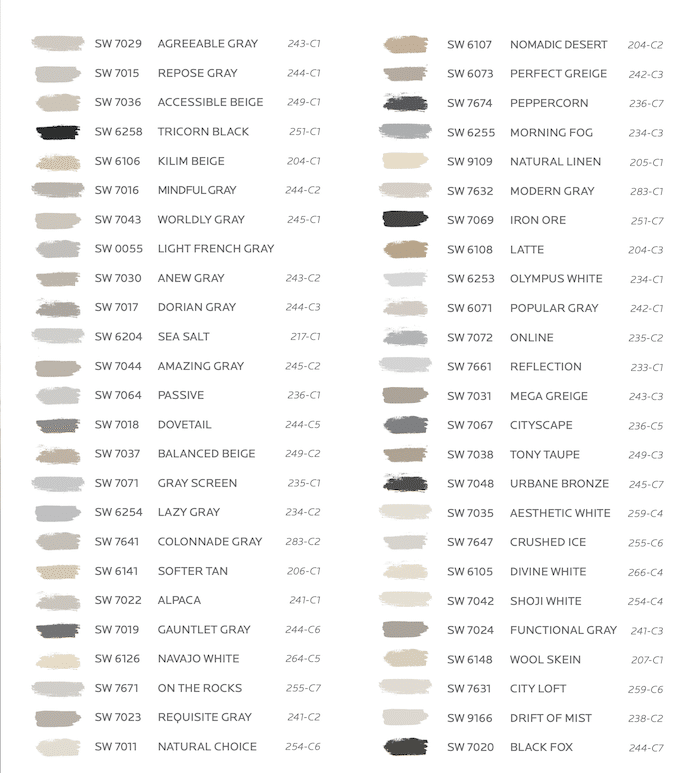
Color is where most homeowners spend their energy, and where the most avoidable mistakes happen. The single biggest one is choosing from a chip in the store.

- Natural light changes everything. A color that reads warm grey in a showroom can read lavender or green in your living room. This is not a subtle effect — it is the difference between liking and hating the result.
- Room orientation matters. North-facing rooms get cooler, bluer light and can make cool colors feel cold. South-facing rooms get warm light much of the day. West-facing rooms shift dramatically between morning and late afternoon.
- Work around your fixed finishes. Flooring, cabinets, countertops, tile and stone are not changing. Choose paint to work with the undertones already in the room rather than fighting them.
- Outside, start with what you cannot change. Roof color, brick or stone, window frames and any exposed aggregate set the palette before you pick a body color.
- Check your HOA first. Many Northeast Florida communities require architectural review before exterior color changes. Finding out afterward is expensive.
- Sample properly. Large samples, on more than one wall, viewed at different times of day, for at least a couple of days. Painted sample boards you can move around the room beat patches on the wall.
If narrowing it down is the sticking point, a color consultation is usually money well spent — largely because repainting a room you got wrong costs far more than the consultation did. For a starting point, our guide to the most popular paint colors homeowners choose covers the neutrals that come up most often.
Understanding Paint Sheen
Sheen is how much light a finish reflects, and it affects durability, cleanability and how forgiving the surface looks. It is also the area where the most confidently wrong advice circulates.
Two things to understand before the categories:
Sheen names are not standardized. One manufacturer’s satin is another’s eggshell, and the actual reflectance values differ between brands and even between product lines from the same brand. Compare the specific products, not the words on the label.
Washability is a function of the product, not just the sheen. This is where the old advice has genuinely dated. Premium matte and flat paints made in the last several years can be dramatically more scrubbable than the flat paints most people remember, which means “you need eggshell in a hallway because flat cannot be cleaned” is no longer automatically true. It depends which flat.
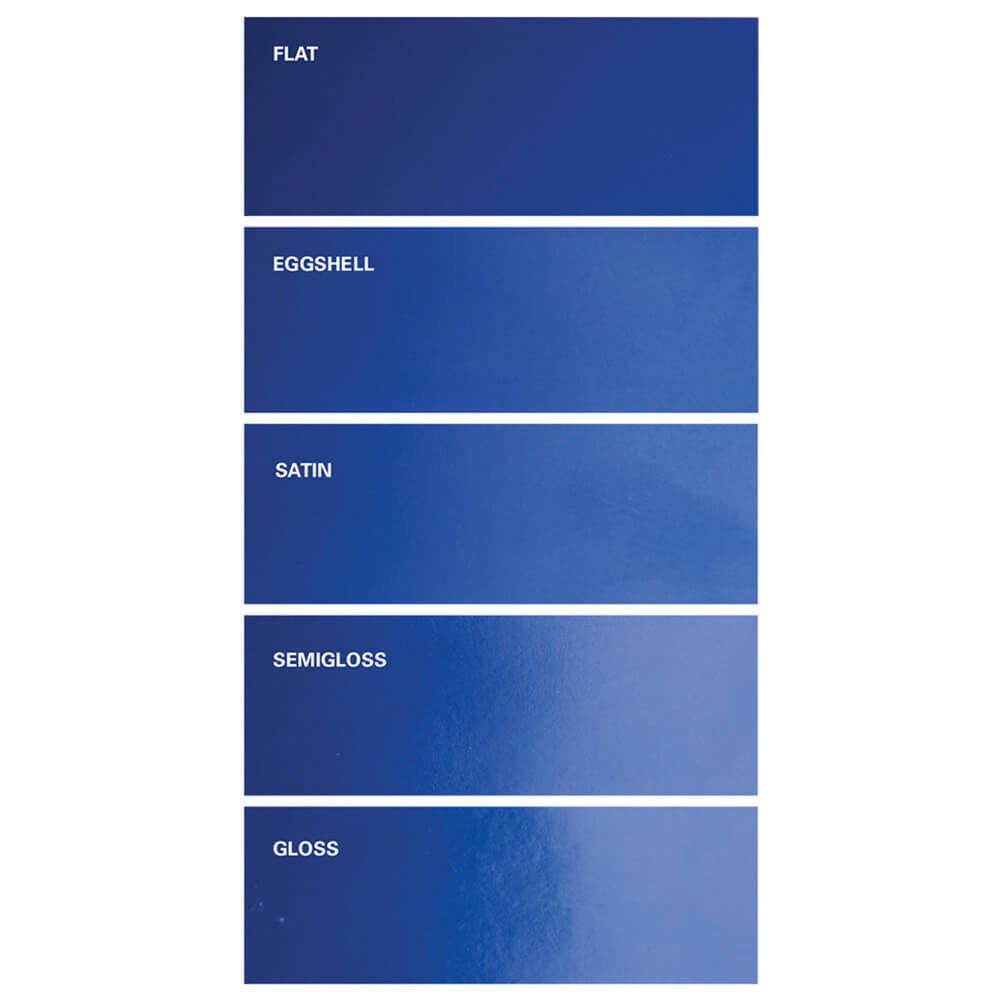
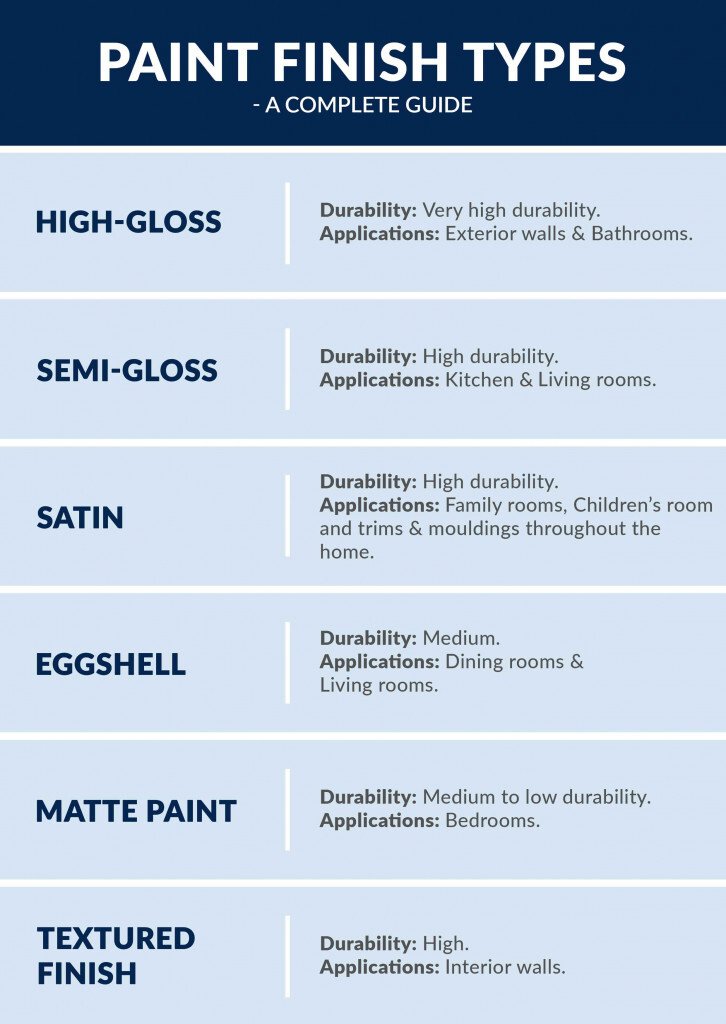
| Finish | Character | Commonly used on |
|---|---|---|
| Flat / matte | Little to no reflection. The most forgiving finish for imperfect surfaces, and the easiest to touch up invisibly. | Ceilings, low-traffic walls, older walls with texture or repair history. |
| Eggshell | A slight sheen. A middle ground between hiding imperfections and cleaning easily. | General living areas, bedrooms, hallways. |
| Satin | Noticeably more reflective than eggshell. Cleans well, shows more of the surface underneath. | Kitchens, bathrooms, laundry rooms, kids’ rooms. |
| Semi-gloss | High reflection, hard film, cleans very easily. Also highlights every flaw beneath it. | Trim, doors, cabinets. |
The general rule worth remembering: the higher the sheen, the more of the wall you see. A semi-gloss wall in a room with patched drywall will telegraph every repair. That is why trim and doors take a higher sheen than the walls beside them — the substrate is smoother and the surfaces get touched more.
Why Surface Preparation Matters
If you take one thing from this guide, take this: preparation is the job. Paint is the last few hours of a project that is mostly about what happens beforehand, and it is the first thing cut when a bid needs to look competitive.

- Cleaning. Paint does not bond to dust, grease, chalk or mildew. Interior walls need washing in kitchens and baths; exteriors need a thorough wash before anything else happens.
- Scraping and sanding. Loose and failing coatings have to come off, and edges feathered so the transition does not show through the new finish.
- Caulking. Failed caulk at trim joints, siding seams and window perimeters is where water gets in. Replacing it is prep work, not a finishing touch.
- Patching and drywall repair. Nail pops, dents, seam cracks and previous poor repairs all show through fresh paint — often more clearly, because new paint reflects light evenly. Anything beyond minor filling is drywall repair and should be scoped as such.
- Stucco repair. Cracks and delamination need addressing before coating. Paint bridges a stucco crack briefly and then reopens along it, so stucco repair comes first on most Florida exteriors.
- Wood rot and carpentry. Soft fascia, rotted trim and damaged siding cannot be painted back to health. Carpentry and wood rot repair is a normal part of an exterior repaint here, and any exterior estimate that does not mention checking for it is worth questioning.
- Priming where required. Bare substrate, patched areas, stains, tannin-bleeding wood and dramatic color changes all need the right primer. Priming is not universal, but skipping it where it is needed guarantees problems.
How Much Does House Painting Cost?
Cost varies widely, and honest ranges depend on your specific house. The factors that move a number most:
- Square footage, and how many separate surfaces are involved
- Room count, and how much cutting-in each room requires
- Ceiling height — two-story foyers and vaulted ceilings need staging
- Access, especially on multi-story exteriors and difficult elevations
- Condition of the surfaces and how much repair is required first
- Number of coats, which depends partly on the color change
- Dramatic color changes, particularly going light over dark or covering a strong color
- Product selection
- Whether the home is occupied or vacant — occupied homes need protection, staging and daily cleanup
For breakdowns by project type, see interior painting cost and exterior painting cost. To get a rough figure before you talk to anyone, our painting cost estimator will get you in the right range.
What Paint Brands Do Professional Painters Use?
We work primarily with Sherwin-Williams and Benjamin Moore. Both make excellent products, and both make budget lines that will disappoint you — which is why the brand name alone tells you very little.
What actually determines the right product:
- Substrate. Stucco, fiber cement, wood siding, drywall and cabinetry all behave differently and call for different coatings.
- How the room is used. A guest bedroom and a mudroom have nothing in common in terms of what the finish has to survive.
- Washability requirements. Households with young children or pets need a product built for cleaning.
- Moisture exposure. Bathrooms, laundry rooms and kitchens need mildew-resistant products.
- Exterior exposure. A west-facing wall in full Florida sun asks more of a coating than a shaded north elevation.
- Desired finish. Some product lines simply look better in certain sheens.
- Budget. Premium products cost more per gallon and usually cost less per year of service.
Where we do specify premium lines, Sherwin-Williams Emerald and Duration and Benjamin Moore Aura and Regal Select come up most often on residential work, with Loxon XP for stucco applications. The right choice on your house depends on the conditions above, and any contractor should be able to tell you why they are proposing a specific product rather than just naming a brand.
Should You Paint the House Yourself?
Plenty of homeowners paint their own homes well. The question is which parts.
DIY tends to work when:
- It is one room, or a few, rather than the whole house
- Walls are in sound condition with only minor patching
- Ceilings are standard height and reachable from a step ladder
- You have time, and the project can take as long as it takes
- You are willing to do the prep rather than skip to the fun part
Professional help usually makes more sense when:
- You are painting an entire home, inside or out
- The exterior is two stories, or has difficult access
- There are vaulted ceilings, stairwells or high foyers
- Significant repairs are needed first — drywall, stucco or wood rot
- The home is occupied and has to stay livable during the work
- Cabinets are involved, where the finish quality bar is much higher
- There is wallpaper to deal with — wallpaper removal routinely turns into drywall repair once the paper comes off
- The prep is complex enough that getting it wrong wastes the paint anyway
How to Compare Painting Contractors
Comparing quotes on price alone is how people end up repainting in two years. What to look at instead:
- Insurance. Ask for a certificate, and ask about both liability and workers’ compensation.
- Licensing. Painting credentials in Florida are handled locally rather than through one statewide license, so ask which local credential the company holds and verify it.
- A written scope. Which surfaces, which rooms, which elevations. Not “paint the house.”
- Preparation described in detail. This is the clearest signal in any proposal. Vague prep language is where the difference between two prices hides.
- Products named specifically. Manufacturer, product line and sheen, per surface.
- Coat count. Stated per surface, not implied.
- Schedule. Start date, expected duration, and what happens if weather delays exterior work.
- Supervision. Who is on site daily, and who you contact with a question.
- Warranty. What is covered, for how long, and what voids it — in writing.
- Reviews and comparable work. Recent reviews, and examples of projects like yours rather than a generic gallery.
Interior Painting Resources
Interior projects raise the same questions repeatedly — which sheen for which room, how to handle ceilings, what to expect from cabinet work, how much prep a particular wall needs. Our Interior Painting Resource Center collects the detailed guides on color selection, sheens, surface preparation, walls and ceilings, cabinetry and planning an interior project, so you can go deeper on whichever part of your project is the sticking point.
Exterior Painting Resources
Exterior work in Florida has its own set of problems, most of them driven by sun, humidity and the substrates common here. Our Exterior Painting Resource Center covers why exterior paint fails, climate-specific considerations, stucco, wood and fiber cement, coating systems, surface preparation and long-term maintenance.
Painting Homes in Jacksonville and Northeast Florida
A New Leaf Painting Contractors has worked on Northeast Florida homes since 2001. Local conditions genuinely shape this work — sun exposure that fades south and west elevations first, humidity that affects when exterior work can happen, stucco and fiber cement substrates that each need their own approach, and an afternoon storm pattern that dictates the summer schedule.
We serve homeowners throughout Jacksonville and surrounding communities including Mandarin, Nocatee, Fleming Island and St. Augustine.
Planning Your Next Painting Project
A practical sequence to work through:
- Define the scope in writing. Rooms, surfaces, elevations, what is included and what is not.
- Inspect the surfaces. Walk the house looking for cracks, soft wood, failed caulk, drywall damage and previous repairs.
- Plan the repairs first. Decide what gets fixed before anyone talks about color.
- Choose colors and products. Sample properly, and select sheen by room and surface.
- Set a realistic budget. Include the repair work rather than treating it as a surprise.
- Compare scopes, not just prices. Make sure every quote covers the same work.
- Plan the schedule. Around your household for interior work, around the weather for exterior.
If you would like someone to walk the house with you and tell you plainly what it needs, get in touch or call 904-615-6599 for a free estimate.