
Can You Paint Stucco? Everything Homeowners Need to Know
Yes, stucco can be painted — but the surface has to be dry, properly cured, repaired, cleaned, and prepared before the coating goes on. The appropriate masonry primer or conditioner, when required, and a compatible exterior coating system can make a major difference in how well the finished paint performs. Our exterior painters in Jacksonville, FL regularly evaluate painted stucco for hairline cracks, chalking, previous repairs, moisture-related conditions, mildew, adhesion problems, and uneven weathering before deciding what preparation and coating system the home actually needs.
After more than 25 years of exterior painting in Jacksonville, FL, we’ve learned that successful stucco painting depends just as much on understanding the condition of the substrate as it does on choosing the finish paint. Stucco is commonly painted to refresh faded color, cover permanent staining, change a home’s appearance, and provide a protective exterior finish. But painting over damaged, wet, heavily chalking, dirty, or insufficiently cured stucco can lead to premature coating failure.
Jacksonville’s heat, humidity, frequent rain, intense UV exposure, irrigation, and differences in sun and shade from one elevation to another make proper preparation especially important. Hairline cracks may need repair, chalky surfaces may require additional preparation or conditioning, and moisture-related problems should be understood before they’re covered with another coating. This guide covers when painting stucco makes sense, when it doesn’t, what professional surface preparation involves, and what to look for in a masonry coating system — whether you’re considering doing the work yourself or hiring a professional.
For more Jacksonville homeowner guides covering stucco painting, hairline cracks, chalking, surface preparation, Florida weather, exterior paint failure, coating systems, repairs, and ongoing maintenance, visit our Exterior Painting Resource Center.
Can You Paint Stucco?
Quick Answer: Yes, most traditional cement-based stucco can be painted successfully once it’s fully cured, clean, dry, and structurally stable. Painting can refresh color, improve curb appeal, cover permanent discoloration, and add weather resistance — but it cannot fix structural movement, active water intrusion, or significant underlying damage. Those need to be repaired first.
Most traditional cement stucco is a great candidate for painting. A quality coating can:
- Refresh color that’s faded from years of sun exposure
- Improve curb appeal, especially before selling
- Cover permanent discoloration that cleaning alone can’t remove
- Add a layer of resistance to wind-driven rain
- Help protect the surface from Florida’s intense sun and humidity
- Create a uniform appearance after patch repairs, which otherwise stand out against surrounding stucco
What paint cannot do is fix the underlying problem. If your stucco has structural movement, active water intrusion, or significant damage, paint will not solve it — and in some cases, painting over these issues just hides them until they’ve gotten worse and more expensive to fix.
What Types of Stucco Can Be Painted?
Traditional cement stucco
The most common type on residential homes, and generally the most straightforward to paint once it’s fully cured, dry, clean, and structurally stable.
Previously painted stucco
Can typically be repainted without issue, as long as the existing coating is well-adhered and the new product is compatible with what’s already there.
Synthetic stucco (EIFS)
EIFS — Exterior Insulation and Finish System — looks similar to traditional stucco but is a fundamentally different wall assembly, built around a foam insulation layer with a thin synthetic finish coat. It requires specialized products and real caution, because the wrong coating can interfere with how the system is designed to manage moisture. Don’t treat EIFS the same way you’d treat traditional cement stucco — if you’re not certain which one you have, that’s worth confirming before any painting decision is made, since the two systems behave very differently when it comes to moisture.
Textured stucco
Heavier texture affects nearly every part of the process — how much prep is needed, how the paint is applied, and how much material it actually takes to get full coverage into deep texture without leaving thin spots.
When Should You Paint Stucco?
Common, legitimate reasons homeowners paint stucco:
- Fading from years of UV exposure
- A chalky, dull appearance — as an existing coating weathers, it can develop a powdery residue that transfers to your hand or a cloth when rubbed. Mild chalking can be part of normal coating weathering, while heavier chalking deserves attention before repainting because the new coating needs a clean, stable surface to bond to. Our guide to exterior paint chalking explains how to identify it and includes a real East Hampton stucco home in Jacksonville where extensive surface preparation and caulking were required before repainting.
- Uneven color across the home
- Visible patch repairs that don’t match the surrounding stucco
- Stubborn staining that cleaning alone won’t remove
- Water marks — once the actual source of the water has been identified and corrected
- Wanting an updated, more current exterior color
- A loss of surface protection as the existing coating ages
- Previous paint that was low-quality and is now failing
The distinction worth understanding: most of the reasons above are cosmetic — the stucco itself is structurally fine, and paint is genuinely the right fix. But water marks, staining, and coating failure can also be symptoms of an underlying problem, which is why “when should you paint” and “when should you not paint” are really two sides of the same diagnostic question.
When Should You Not Paint Stucco?
Painting should be delayed — not skipped forever, but delayed until the underlying issue is resolved — in these situations:
- Active water intrusion — painting over a wall that’s currently taking on water doesn’t stop the water; it just hides where it’s going.
- Damp or saturated walls — paint needs a dry surface to bond properly; painting over dampness sets up adhesion failure from day one.
- Unrepaired cracks — cracks need to be properly addressed as part of prep, not just painted over.
- Loose or delaminated stucco — sections that sound hollow when tapped need repair before any coating, since paint has nothing stable to bond to.
- Efflorescence — that white, powdery mineral deposit is a sign of moisture moving through the wall and needs to be understood before coating.
- Heavy chalking — a chalky surface won’t let new paint adhere properly until it’s cleaned or treated.
- Mold or mildew — needs to be properly treated, not just painted over, or it returns through the new coating.
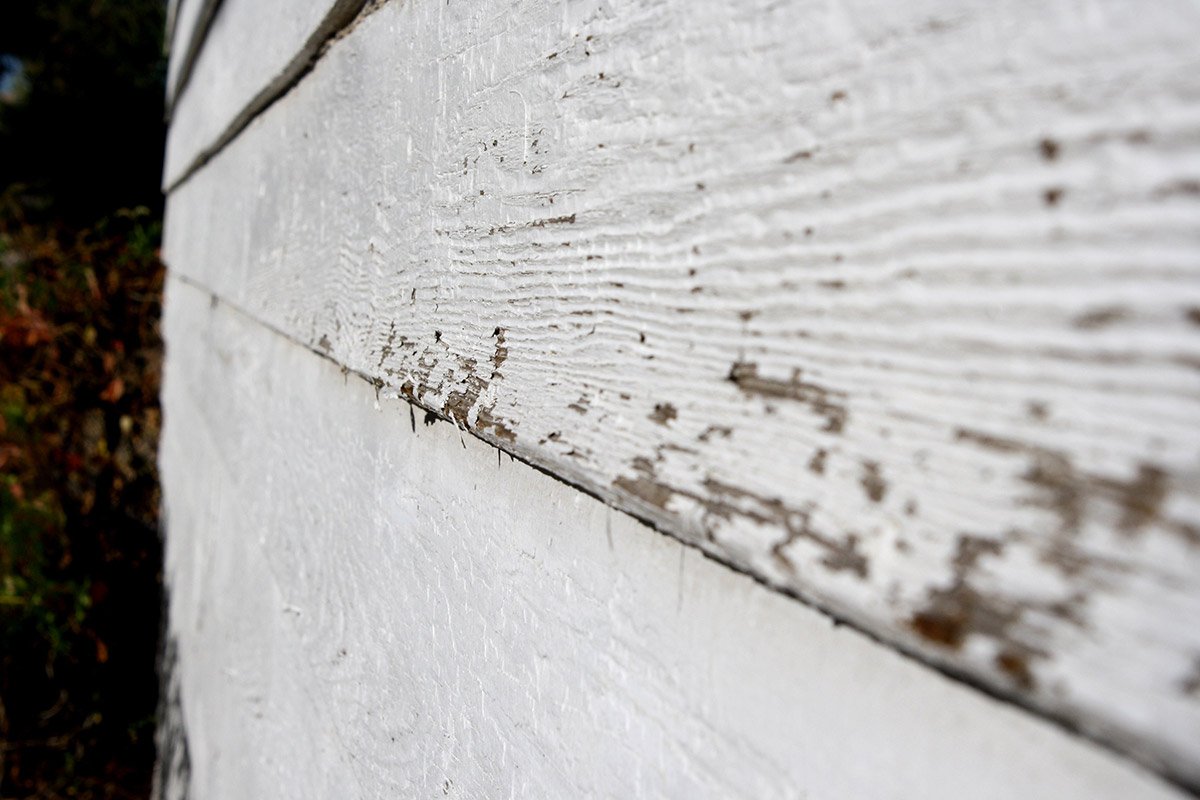
- Peeling paint — loose or peeling existing coating needs to be scraped and addressed, not sealed under a new layer.
- New stucco that hasn’t cured — covered in detail below.
- Structural movement — cracking tied to settling or movement needs evaluation, not just cosmetic patching.
- Failed sealant around windows and doors — this is a common, overlooked water entry point that needs to be resolved before painting nearby areas.
- Unknown coatings with poor adhesion — if you’re not sure what’s already on the wall or whether it’s still bonded well, that needs to be tested before committing to a new system.
Coating over any of these doesn’t make the problem go away — it just delays discovering it, usually until the repair is more extensive and more expensive than it would have been.
Can You Paint New Stucco?
Not right away, in most cases. New cement stucco generally needs real time to cure before it’s ready for conventional paint, and the reason comes down to chemistry, not just tradition.
Fresh stucco is highly alkaline as it cures. If it’s coated too soon, that alkalinity can interact badly with certain paints, and moisture still working its way out of the curing stucco can become trapped under the new coating — leading to blistering, peeling, discoloration, or mineral deposits pushing through the finish.
Rather than relying on a single calendar number, the right approach is to follow the cure-time guidance from the stucco manufacturer, the paint manufacturer, and your builder — these can vary based on the specific stucco mix, climate, and product system involved. Surface moisture and pH are the things that actually determine readiness, not just how many days have passed since application. In humid, slow-drying conditions, “ready” might take meaningfully longer than a generic estimate suggests.
It’s also worth knowing that some coatings are specifically formulated for newer stucco and are designed to handle higher alkalinity differently than a standard exterior paint — worth discussing with whoever is specifying your paint system if you’re working with new construction.
Can You Paint Over Old Stucco?
Often, yes — and it frequently paints very well once it’s properly evaluated and prepped. Before painting, older stucco should be checked for:
- Cracks, of any size
- Hollow or loose areas (tap-testing reveals this)
- Previous repairs that may not match the surrounding texture
- Chalking
- Staining
- Peeling or failing existing coatings
- Any signs of moisture problems
- Failed caulking at windows, doors, and trim
- Incompatible paint layers from past work
Old stucco in generally sound structural condition, once these items are addressed, is often an excellent painting candidate — this is exactly the kind of project where proper prep makes the difference between a paint job that lasts a decade and one that fails in a year or two.
Can You Paint Cracked Stucco?
It depends entirely on what kind of crack you’re looking at.
- Hairline cracks — thin, stable cracks are common in stucco and are often simply repaired as part of standard painting preparation.
- Repeated or recurring cracks — cracks that keep coming back in the same spot after repair suggest an ongoing movement issue that needs evaluation, not just repeated patching.
- Larger cracks — wider cracks need proper structural assessment before assuming a simple patch will hold.
- Stair-step cracks — a specific pattern often associated with settlement, worth having evaluated rather than just filled.
- Cracks around windows and doors — common, and often tied to normal building movement or sealant failure at these transition points, though they still deserve a proper look.
- Structural or settlement-related cracks — these need evaluation by someone qualified to assess the structure, not just a painting contractor’s caulk gun.
Paint is not a crack repair. Small, stable cracks can generally be addressed as part of standard prep using appropriate patching or elastomeric crack-filling compounds and masonry sealants, with texture matched to the surrounding stucco. But paint itself — even a thick elastomeric coating — is not a substitute for real repair, and larger or recurring cracks deserve evaluation before you assume a can of paint will solve them.
What Preparation Is Required Before Painting Stucco?
This is the part of the process that actually determines whether your paint job lasts. Here’s what real preparation looks like, step by step:
1. Inspect the stucco
A thorough walk of the entire home, checking for cracks, hollow sections, loose material, peeling coatings, staining, chalking, mildew, and any signs of moisture.
2. Correct water problems first
Before touching the stucco itself, check rooflines, flashing, gutters, downspouts, windows, doors, any wall penetrations, sealants, sprinkler spray patterns, and overall drainage around the foundation. Water problems almost always trace back to one of these, and painting won’t fix any of them.
3. Clean the surface
Pressure washing is common, but it needs to be done carefully — excessive pressure can damage stucco, force water into existing cracks, or loosen a weak existing coating rather than just cleaning it. Mildew, dirt, cobwebs, general pollutants, and chalking all need to be addressed during cleaning.
4. Allow the surface to dry fully
Painting damp stucco is one of the most common causes of adhesion failure and trapped-moisture problems. The surface needs real drying time, not just a few hours after washing.
5. Repair cracks and damaged stucco
Proper patching, allowing repairs to cure fully, and matching the surrounding texture as closely as possible so repairs don’t stand out once painted.
6. Scrape loose paint
Any peeling or poorly bonded existing coating needs to be physically removed — not simply painted over, which just seals in the adhesion problem underneath.
7. Seal appropriate gaps
Caulking at windows, doors, trim transitions, and other appropriate joints and penetrations. One important caveat: expansion joints and drainage-related joints serve a specific structural purpose and shouldn’t automatically be sealed shut without understanding what they’re actually there for.
8. Prime when necessary
Whether you need a masonry conditioner, bonding primer, alkali-resistant primer, stain-blocking primer, or targeted spot priming depends entirely on the surface’s specific condition — covered in more detail below.
Do You Need to Prime Stucco Before Painting?
It depends on the condition of the surface you’re starting with. Priming is commonly recommended when you’re dealing with:
- Bare, never-painted stucco
- New repairs that need to blend properly with the surrounding surface
- Chalky surfaces
- Highly porous areas that would otherwise absorb topcoat unevenly
- Stained sections that could bleed through without a blocking layer
- Uneven absorption across the wall
- Any history of previous coating failure
- A major color change, particularly light to dark or dark to light
- Questionable adhesion on existing coatings
A masonry conditioner or primer exists to even out porosity, manage alkalinity, and give the topcoat something consistent and stable to bond to. One important clarification: a “paint and primer in one” product does not eliminate every priming need described above — it’s a convenience product for certain situations, not a universal substitute for a dedicated primer when the surface actually calls for one.
What Is the Best Paint for Stucco?
The right paint for stucco needs to check several boxes at once. It should be:
- Designed for masonry surfaces specifically
- Suitable for stucco’s naturally alkaline surface
- Breathable or vapor-permeable rather than fully sealing the wall
- Resistant to wind-driven rain and general humidity
- Flexible enough to handle stucco’s normal, minor movement
- Resistant to fading under UV exposure
- Resistant to mildew growth
- Compatible with whatever coating is already on the wall
- Compatible with the primer and any repair products used underneath it
High-quality exterior acrylic paint
100% acrylic, masonry-compatible coatings are a common and reliable choice for stucco in good, stable condition — they offer solid flexibility, breathability, and durability for most residential applications.
Elastomeric coatings
These offer real benefits: greater film thickness than standard paint, the ability to bridge very small, stable hairline cracks, and added resistance to water. But they come with real limitations too — they are not a structural repair product, they require correct film thickness to perform as intended, they aren’t automatically appropriate over every existing coating, and poor application can actually create trapped-moisture or adhesion problems rather than solving them. Future repainting over an elastomeric coating may also require using compatible products going forward, which is worth knowing before you commit to the system.
Masonry-specific coatings
Dedicated masonry coating systems are engineered specifically for how stucco and other masonry surfaces behave — porosity, alkalinity, and moisture movement — which can offer real advantages over a general-purpose exterior paint not built with those specific considerations in mind. Products like Sherwin-Williams Loxon XP and Emerald Rain Refresh are examples that may come up as part of a professionally specified system, though the right product for your specific wall depends on its condition, existing coatings, sun and weather exposure, and the finish you’re after — not a one-size-fits-all recommendation.
Should Stucco Paint Be Breathable?
In plain terms: stucco, like most masonry, can absorb and release moisture over time as part of how it naturally behaves. A good coating for stucco should resist bulk water — actual rain hitting the wall — while still allowing some vapor to escape rather than sealing the wall completely airtight.
That said, it’s not accurate to say all paint traps moisture — that’s an oversimplification. Moisture problems on painted stucco usually result from some combination of factors working together: actual water intrusion from a source that was never fixed, walls that were already wet when painted, improper preparation, an incompatible coating for the specific wall system, excessive film thickness applied incorrectly, poor drainage around the home, or unaddressed cracks and failed sealants. The paint itself is rarely the sole cause — it’s usually one link in a longer chain.
Can Painting Stucco Trap Moisture?
A balanced answer: properly selected and correctly applied masonry coatings should not, on their own, automatically create moisture problems. Millions of stucco homes are painted successfully every year without issue.
However, painting over damp stucco, active leaks, a failed drainage system, or an incompatible coating absolutely can trap or redirect moisture — and that can contribute to blistering, peeling, staining, or even interior damage over time. Watch for these warning signs on painted stucco:
- Bubbles or blisters in the paint film
- Peeling, especially in a localized area rather than across the whole wall
- Dark staining
- Efflorescence
- Soft or crumbling stucco to the touch
- Interior moisture or staining on the wall backing the affected exterior area
- Cracks that keep returning after repair
- Musty odors near exterior walls
Any of these point to something beyond a simple paint issue and deserve a real diagnosis before more paint gets applied on top.
What Finish Is Best for Stucco?
Flat, low-luster, satin, and higher-sheen finishes each behave differently on a textured surface like stucco. Flatter finishes tend to hide texture inconsistencies and patch repairs more effectively, since they don’t reflect light in a way that draws attention to surface variation. Higher sheen, by contrast, can actually emphasize patches, waves, cracks, and other surface imperfections — the same reflective quality that makes gloss look sharp on a smooth surface works against it here.
That said, sheen also affects cleanability and how the finish holds up to exposure, so there isn’t one universally “best” answer — it depends on your specific wall’s condition and what you’re prioritizing.
How Is Stucco Paint Applied?
Common application methods include rolling, brushing, and spraying — often spraying followed by back-rolling. Stucco’s texture, especially heavier texture, generally calls for:
- A thick-nap masonry roller built to reach into texture, not a standard smooth-surface roller
- Careful back-rolling after spraying to work paint fully into the texture rather than just coating the surface peaks
- Application in multiple directions to ensure full coverage inside recesses
- Extra attention around windows, doors, soffits, trim, decorative bands, and other architectural details where texture and geometry both complicate coverage
Spraying alone, without back-rolling, may not fully work paint down into deep texture — leaving thin or missed spots in the recesses that show up later as uneven wear or color.
How Many Coats of Paint Does Stucco Need?
Two finish coats are commonly recommended for durability and a uniform, even appearance, but the actual requirement depends on several factors: how porous the existing surface is, the existing color versus the new color (a big color change often needs more coverage), texture depth, whether primer was used, the specific product’s own coverage specifications, any previous coatings on the wall, and how the paint was actually applied.
Worth knowing: one heavy coat is not the same as two properly applied coats. Stretching material to save a step can leave a thinner, less durable, less uniform film than doing it right the first time.
How Long Does Painted Stucco Last?
There’s a realistic range, but the honest answer is that it varies by home. Factors that affect how long painted stucco actually lasts include:
- The quality of the preparation work
- The quality of the paint itself
- Number of coats and proper film thickness
- Sun exposure — south- and west-facing walls typically show wear first
- Rain and humidity exposure
- Coastal salt exposure, for homes near the water
- Irrigation spray hitting the wall regularly
- Roof runoff patterns
- Any cracking that develops after painting
- Water intrusion, if it occurs
- The condition of any previous coating underneath
- Ongoing maintenance
For Florida homes specifically, intense UV exposure, frequent rain, high humidity, and biological growth (mildew and algae) can all shorten the repaint cycle compared to milder, drier climates. We won’t promise an exact number of years here — too many variables affect any individual home — but proper prep and a quality product are consistently the biggest factors within your control.
How Often Should Stucco Be Repainted?
Rather than repainting strictly by the calendar, it’s more accurate — and often more cost-effective — to inspect the actual surface and repaint based on real condition. Signs it may be time:
- Noticeable fading
- Chalking on your hand when you rub the wall
- New hairline cracking appearing
- Water no longer beading or being repelled the way it used to
- Persistent staining that keeps returning
- Any peeling
- Old repairs becoming visible again through a thinning coating
- Uneven sheen across different parts of the home
- Failed sealants at trim and penetrations
- Mildew that returns quickly after cleaning
Catching these signs early and addressing them tends to be meaningfully less expensive than waiting until the coating has failed more broadly across the home.
Can You Paint Stucco a Dark Color?
You can, but it’s worth thinking through a few factors first: darker colors absorb more heat, which can affect surface temperature and, in some cases, the coating’s long-term performance and fade rate. Existing wall color (light-to-dark transitions especially) can affect how many coats and how much prep are needed. If you’re in an HOA community, color approval requirements often apply. Architectural style is also worth considering — some homes read very differently in dark versus light stucco. And on textured or previously repaired stucco, darker colors and higher sheens can make texture and past repairs more visible rather than less.
Very dark colors aren’t automatically off the table, but they aren’t right for every stucco wall or coating system either — it’s worth confirming compatibility with your specific paint and system manufacturer, particularly if you’re using a specialty masonry product.
Can You Paint Over Stucco Stains?
Only after the stain is actually diagnosed. Common culprits include rust, irrigation staining, mildew, efflorescence, water staining, tannin bleed, general dirt and pollution buildup, roof runoff, corroded metal fasteners, and corrosion at metal corner beads. Depending on the cause, a stain may need cleaning, chemical neutralization, physical repair, or a dedicated stain-blocking primer before painting proceeds. Paint should never be treated as the fix for an active moisture or corrosion problem — it can hide a stain temporarily, but if the underlying cause isn’t addressed, it comes back.
Can You Paint Stucco Without Pressure Washing?
Yes — pressure washing is common, but it isn’t universally required or always the right choice. Depending on the stucco’s age, strength, existing coating condition, texture, and level of contamination, alternatives include soft washing, hand scrubbing, targeted mildew treatment, low-pressure rinsing, or other specialized surface cleaning methods. Older, weaker stucco or stucco with a fragile existing coating is often better served by a gentler approach than high-pressure washing, which can do real damage if it’s too aggressive for the surface.
Can You Paint Stucco Yourself?
A capable, careful homeowner may reasonably be able to paint a small, stable, single-story stucco surface. But it’s worth being honest about the real challenges involved:
- Correctly identifying moisture problems before they become a bigger issue
- Proper crack repair and texture matching
- Recognizing and addressing chalking
- Choosing the right primer for your specific situation
- Working paint fully into deep texture without leaving thin spots
- Ladder and lift safety, especially on multi-story homes
- Controlling overspray if using a sprayer
- Timing the work around weather windows
- Applying the correct spread rate rather than stretching material too far
- Understanding product compatibility with existing coatings
- Properly protecting windows, roofing, landscaping, pavers, and neighboring property during the project
DIY may be reasonable when: the project is small, single-story, in good structural condition, and you’re comfortable with the physical work and have realistic time to do proper prep — which is most of the actual labor.
Hiring a professional makes more sense when: the home is multi-story, there’s any uncertainty about moisture or structural issues, the stucco has significant repair needs, or you’d rather have an experienced eye diagnose what’s actually going on before committing to a plan.
Common Stucco Painting Mistakes
- Painting uncured stucco — traps moisture and alkalinity, leading to early failure.
- Painting over damp walls — prevents proper adhesion from the start.
- Ignoring water intrusion — paint doesn’t stop water; it just hides where it’s going.
- Painting over cracks without repair — the crack reflects right back through the new coating.
- Skipping cleaning — dirt, chalk, and contamination prevent proper bonding.
- Using excessive pressure while washing — can damage the stucco itself or force water into cracks.
- Painting over chalking — the new coat won’t adhere to a chalky, unstable surface.
- Using the wrong primer — or skipping primer when the surface actually needed one.
- Applying incompatible coatings — new and old products that don’t work together can cause adhesion failure.
- Stretching the paint too far — thin, under-applied coverage fails faster and looks uneven.
- Spraying without back-rolling when needed — leaves texture recesses under-coated.
- Using paint as a substitute for stucco repair — paint is a finish, not a structural fix.
- Ignoring sealant failure — a common, overlooked water entry point.
- Painting during rain, high humidity, or unsuitable temperatures — affects cure and adhesion.
- Assuming elastomeric paint repairs structural cracks — it can bridge small, stable hairlines; it is not a structural solution.
Each of these mistakes leads to the same outcome eventually: a paint job that fails sooner than it should, often in a way that’s more expensive to fix than if it had been done right the first time.
Professional Stucco Painting Process
- Full exterior inspection
- Identify any moisture and existing coating problems
- Protect landscaping and adjacent surfaces
- Clean the stucco using the appropriate method for its condition
- Allow adequate drying time
- Repair cracks and any damaged areas
- Match texture on repairs where possible
- Seal appropriate joints — with care around expansion and drainage joints
- Prime or condition the surface as needed
- Apply the specified coating system
- Back-roll textured surfaces where required for full coverage
- Inspect coverage and touch up any missed areas
- Clean the property
- Complete a final walkthrough
Preparation and system compatibility matter more to the outcome than simply choosing a popular paint brand off a shelf.
Stucco Painting in Florida
Northeast Florida adds real, specific challenges to stucco painting that don’t apply everywhere: high humidity, frequent rain, intense sunlight, tropical storm activity, wind-driven rain during those storms, mildew and algae growth, irrigation staining, coastal salt exposure near the water, fast-changing weather that narrows good application windows, long wet seasons, and stucco cracking driven by both building movement and ground settlement.
All of this means stucco painting decisions here — drying time, repair timing, primer selection, product choice, and picking the right weather window to actually paint in — deserve more careful attention than they might in a drier, more stable climate. Jacksonville and Northeast Florida homeowners in particular deal with a climate that tests every shortcut in this guide.
Is Painting Stucco Worth It?
When the underlying stucco is stable, painting genuinely delivers real value: improved curb appeal, a more consistent overall appearance, real protection from weather exposure, easier future maintenance, effective coverage of old color and prior repairs, stronger presentation for resale, and an extended useful life for a stucco finish that’s otherwise sound.
But painting won’t solve everything. It won’t fix structural cracks, stop active water intrusion, hold together loose stucco, correct drainage failures, resolve repeated moisture staining, address active metal corrosion, or make up for poor original construction details. In those situations, paint is either the wrong tool for the job or, at best, a step that comes after the real problem is actually fixed.
Frequently Asked Questions
Can you paint exterior stucco?
Yes, most traditional cement stucco can be painted successfully once it’s fully cured, clean, dry, and structurally sound, using an appropriate masonry primer and breathable exterior paint system.
Can you paint new stucco?
Not immediately — new stucco needs to cure first, since fresh stucco is highly alkaline and can still be releasing moisture. Follow the stucco and paint manufacturers’ specific cure-time guidance rather than a generic calendar estimate.
Can you paint over old stucco?
Often, yes, once it’s evaluated for cracks, loose areas, staining, chalking, and moisture issues, and those items are properly addressed as part of preparation.
Can you paint cracked stucco?
Small, stable hairline cracks can typically be repaired as part of standard prep. Larger or recurring cracks need evaluation before painting, since paint alone is never a substitute for actual crack repair.
Do you need to prime stucco?
Often yes, particularly on bare stucco, new repairs, chalky or highly porous surfaces, stained areas, or when making a major color change — though the specific need depends on your surface’s condition.
What paint is best for stucco?
A masonry-compatible, breathable exterior paint suited to alkaline surfaces, resistant to humidity, mildew, and UV fading — high-quality 100% acrylic exterior paint, elastomeric coatings, and dedicated masonry systems are all used depending on the specific wall’s condition and needs.
Can you use regular exterior paint on stucco?
Not ideally — stucco’s alkalinity and porosity generally call for a masonry-compatible product rather than a generic exterior paint not formulated with those characteristics in mind.
Is elastomeric paint good for stucco?
It can be, particularly for bridging small, stable hairline cracks and adding water resistance — but it’s not a structural repair product, and it requires correct application and film thickness to perform properly.
Can painting stucco trap moisture?
Properly selected and applied coatings generally shouldn’t, but painting over damp stucco, active leaks, or an incompatible product can trap or redirect moisture and lead to blistering, peeling, or staining.
How many coats of paint does stucco need?
Two finish coats are commonly recommended for durability and uniform appearance, though the exact need depends on porosity, color change, texture, and the specific product used.
How long does stucco paint last?
It varies significantly by home, based on prep quality, product quality, sun and weather exposure, and maintenance — Florida’s intense sun and humidity can shorten the typical repaint cycle compared to milder climates.
Should stucco be sprayed or rolled?
Both are used, often together — spraying followed by back-rolling helps work paint fully into stucco’s texture rather than leaving thin spots in the recesses.
Can you paint stucco in humid weather?
High humidity affects drying and cure time and can contribute to adhesion issues, so timing matters — waiting for a more suitable weather window is generally worth it over rushing the job.
Can you paint over efflorescence?
Not without addressing it first — efflorescence signals moisture movement through the wall, and painting over it without understanding the source can lead to continued problems.
Can you paint synthetic stucco (EIFS)?
It requires specialized products and real caution, since EIFS is a different wall system than traditional stucco and the wrong coating can interfere with how it manages moisture — don’t assume traditional stucco products and practices apply directly.
Conclusion
Stucco can absolutely be painted successfully — but the real answer to “can you paint stucco” always comes with the same conditions attached: the surface needs to be dry, stable, properly cured, clean, repaired where needed, correctly primed, and coated with a masonry-compatible paint system suited to your specific wall. Skip any of those steps, and even the best paint on the market won’t hold up the way it’s supposed to.
If you’re not sure what condition your stucco is really in, or you’d rather have an experienced eye handle the inspection, repairs, and painting from start to finish, A New Leaf Painting Contractors is glad to help — from a straightforward color refresh to a full repair-and-repaint project.