
Benefits of Annual Exterior House Washing in Jacksonville, FL
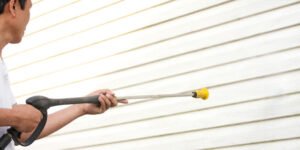
Benefits of An Annual Power Wash. Increase property value, improve curb appeal and enjoy many more advantages with a power wash every year.
Updated August 2026
For many Jacksonville homes, washing the exterior about once a year is a practical maintenance guideline—especially for properties with heavy shade, mature trees, dense landscaping, irrigation exposure, recurring soffit mildew, or other organic buildup. After more than 25 years of exterior painting in Jacksonville, FL, we’ve seen how dramatically these conditions can vary not only from neighborhood to neighborhood, but even from one side of the same house to another.
Annual cleaning is not a rigid rule that applies identically to every house, however. Some properties need attention more often, while others may remain clean considerably longer. The right cleaning schedule depends on the home’s actual environment, exterior materials, coating condition, and exposure—not the calendar alone.
The goal is also not to blast the exterior with maximum pressure. Effective exterior house washing means removing mildew, algae, dirt, pollen, salt residue, and other surface contamination using a cleaning method appropriate for the material and coating underneath it.
Done correctly, routine exterior cleaning can improve curb appeal, help maintain painted surfaces, reveal developing repairs, and sometimes show that a home homeowners thought needed repainting really only needed a thorough wash. When cleaning reveals fading, chalking, peeling, cracked stucco, deteriorated caulk, or other coating problems, our exterior painters in Jacksonville, FL can evaluate whether the home needs localized maintenance, repairs, additional surface preparation, or a more complete exterior repaint.
For more Jacksonville-specific homeowner guides covering exterior paint, stucco, repairs, surface preparation, Florida weather, maintenance, and coating problems, visit our Exterior Painting Resource Center.
How Often Should You Wash a House in Jacksonville?
For many homes in Jacksonville and Northeast Florida, cleaning approximately once a year is a reasonable starting point. But the home’s actual exposure should determine the interval.
A property may need cleaning more frequently when it has:
- Heavy shade
- Mature trees or overhanging branches
- Dense landscaping close to the house
- Limited airflow around shaded elevations
- Irrigation repeatedly striking walls or trim
- Recurring mildew on soffits and fascia
- Frequent organic buildup
- Proximity to water
- Coastal salt exposure
- North-facing or otherwise protected surfaces that dry slowly
Homes with open exposure, good airflow, little tree cover, limited irrigation contact, and fewer shaded surfaces may remain clean for longer than a year.
One of the patterns we commonly see is that different parts of the same house need different maintenance schedules. A sunny front elevation may stay relatively clean, while shaded soffits or a heavily landscaped side wall develop mildew much sooner. Our guide to why one side of a Jacksonville house ages faster than the others explains how each elevation develops its own microclimate.
Pressure Washing vs. Soft Washing
The terms pressure washing and soft washing are often used interchangeably, but they describe different cleaning approaches.
Pressure washing relies heavily on water pressure to remove contamination. It can be appropriate for hard, durable surfaces such as concrete, some masonry, and pavers when performed correctly.
Soft washing or low-pressure exterior cleaning relies more on an appropriate cleaning solution, sufficient dwell time, and controlled rinsing. For many painted residential surfaces, this is usually the safer and more effective approach.
Extra care is needed around:
- Painted stucco
- Fiber cement siding
- Wood siding and trim
- Soffits and fascia
- Doors and windows
- Caulked seams and joints
- Soffit vents and other openings
- Older or already-deteriorated coatings
- Chalky paint
- Cracked or damaged surfaces
Using too much pressure can damage paint, scar wood, disturb caulk, force water into vents and openings, or worsen existing substrate problems. The cleaning solution and technique should do most of the work—not unnecessary force.
Our professional Jacksonville pressure-washing services are focused on cleaning the surface appropriately while protecting the painted finishes and materials underneath.
Why Jacksonville Homes Get Dirty So Quickly
It is easy to say that Florida weather is hard on homes, but several specific conditions explain why Jacksonville exteriors collect mildew and contamination so quickly.
Humidity combined with shade slows drying. Surfaces that stay damp longer after rain, dew, or irrigation create favorable conditions for recurring organic growth.
Mature trees add shade, pollen, leaves, and organic debris. Those materials accumulate on walls, soffits, fascia, and roof-overhang areas—particularly where rain does not naturally rinse them away.
Dense landscaping reduces airflow. Shrubs close to exterior walls can hold moisture around lower sections of stucco or siding and make the surface slower to dry.
Irrigation creates localized moisture exposure. Sprinkler overspray can leave mineral deposits, staining, dirt buildup, and mildew concentrated in one particular section.
Coastal conditions can add salt residue. Homes closer to the beaches, Intracoastal areas, and other coastal exposures may collect additional airborne contamination.
These conditions also affect exterior coatings over time. Our guide to why Jacksonville’s climate is tough on exterior paint explains how humidity, rain, UV exposure, heat, and coastal conditions work together.
The Real Benefits of Annual Exterior Cleaning
Exterior Washing Improves Curb Appeal
Mildew, algae, pollen, dirt, irrigation staining, spider webs, and general environmental buildup can make even a relatively new paint job look tired.
Professional exterior washing removes the layer of contamination hiding the actual finish underneath. The difference can be dramatic, particularly on lighter-colored stucco, fascia, soffits, trim, and shaded elevations.
It Helps Maintain Painted Exterior Surfaces
Cleaning removes buildup that can make the coating difficult to inspect and maintain. It also helps prevent layers of dirt and organic contamination from accumulating for years.
That does not mean washing permanently extends the life of every paint job or prevents all coating deterioration. Exterior paint will still weather from sunlight, moisture, heat, age, and normal exposure.
Routine cleaning does, however, help maintain the coating’s appearance and allows homeowners to identify developing problems before they become hidden beneath years of buildup.
It Helps Distinguish Dirt From Paint Failure
This may be the most valuable benefit of all.
A home can look like it needs repainting from the street and then look completely different after a proper wash. What appeared to be faded or failing paint may turn out to be mildew, pollen, dirt, or irrigation staining sitting on top of a coating that remains firmly adhered.
Before recommending a complete repaint, we want to understand what condition remains after the exterior has been cleaned and allowed to dry.
This distinction is especially important on relatively new houses. As explained in why a four- or five-year-old Jacksonville house may already appear to need painting, the issue may involve cleaning, maintenance, isolated repairs, or true coating deterioration—and those are very different scopes of work.
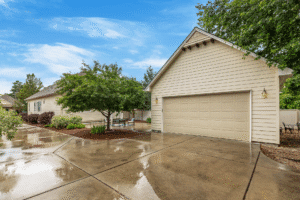
It Reduces Mildew and Organic Buildup
Recurring mildew is especially common on shaded walls, soffits, fascia, and areas surrounded by mature landscaping.
Routine cleaning removes the current buildup before it becomes severe. It will not permanently change Jacksonville’s humidity, shade, or landscaping conditions, so some surfaces will still need periodic maintenance.
Our detailed guide to why soffits keep getting mildew explains why protected roof-overhang areas often become dirty before exposed walls do.
It Creates an Opportunity for Preventative Maintenance
Cleaning forces you to look closely at parts of the exterior that are easy to overlook during everyday life.
During or after washing, homeowners may notice:
- Hairline stucco cracks
- Peeling or blistering paint
- Powdery chalking
- Failed or shrinking caulk
- Soft or deteriorated wood
- Damaged fascia or soffits
- Rust staining
- Sprinkler patterns hitting the house
- Roof-runoff stains
- Loose trim or siding
- Moisture patterns
- Sections that remain wet longer than surrounding areas
Cleaning does not fix these conditions, but it can make them easier to find before more extensive damage develops.
Exterior Washing Is an Important Painting-Preparation Step
Cleaning is normally one of the first steps in a properly scoped exterior painting project.
New paint should not be applied over mildew, dirt, loose chalk, pollen, or other surface contamination. Washing exposes the actual condition of the coating and substrate so repairs, scraping, sanding, caulking, priming, conditioning, and repainting can be based on what is truly present.
See why surface preparation matters in residential painting for a more complete look at the relationship between preparation and coating performance.
Cleaning Helps Reveal the True Condition of Exterior Paint
Paint can look faded, dirty, chalky, mildewed, or generally dull for several different reasons. Those conditions can also overlap.
| Condition | What It May Look Like | Does Washing Fix It? |
|---|---|---|
| Dirt and pollen | General dullness or grime across the surface. | Often improves significantly with proper cleaning. |
| Mildew or organic growth | Dark, gray, greenish, or spotted buildup in damp or shaded areas. | An appropriate cleaning treatment may remove it when the coating underneath remains sound. |
| Irrigation staining | Localized discoloration or mineral buildup where sprinklers strike the house. | Cleaning may help, but the sprinkler pattern should also be corrected. |
| Fading | The paint color itself has genuinely changed or lost intensity. | No. Washing may improve cleanliness, but it cannot restore pigment lost through weathering. |
| Chalking | Powdery residue produced as the coating surface weathers. | Cleaning removes loose chalk, but severe residual chalking may require additional surface conditioning before painting. |
| Paint failure | Peeling, blistering, flaking, or physical loss of adhesion. | No. The cause must be diagnosed and the unsound coating properly repaired. |
If cleaning reveals peeling, blistering, severe chalking, or coating separation, our Jacksonville exterior paint failure guide explains why these problems happen and what should be addressed before repainting.
Why Soffits and Shaded Areas Need More Attention
Soffits sit beneath the roof overhang, largely out of direct sunlight and protected from the natural rinsing action of rainfall.
That combination of shade, limited airflow, slow drying, pollen, dirt, and minimal natural washing makes soffits one of the first places mildew appears on many Jacksonville homes.
The same principle applies to shaded walls, recessed entryways, covered patios, sections behind heavy landscaping, and walls located close to neighboring structures.
These areas may need cleaning more often than open, sunny elevations. That does not necessarily mean the paint in those locations is lower quality or failing. It means the surface is experiencing a different microclimate.
What Exterior House Washing Does Not Fix
Exterior washing is maintenance. It is not a substitute for repairs.
Cleaning does not correct:
- Peeling or blistering paint
- Failed coating adhesion
- Severe chalking
- Wood rot
- Damaged fascia or soffits
- Stucco cracks
- Loose or delaminated stucco
- Open joints
- Failed caulk
- Moisture intrusion
- Rusted fasteners
- Loose siding or trim
- Structural movement
Cleaning removes what is sitting on the surface. It does not repair what is deteriorating underneath it.
If wood trim, fascia, or soffits have become soft or deteriorated, applying pressure or painting over them can make the situation worse rather than solve it. Our guide to wood rot repair before exterior painting explains why damaged material must be repaired before it is coated.
When Cleaning Is Enough
Exterior washing may be all the home needs when:
- The coating remains firmly adhered
- The stucco, siding, trim, and other substrates remain sound
- The discoloration is primarily mildew, algae, dirt, pollen, or staining
- There is no widespread peeling, blistering, or flaking
- The color and sheen remain acceptable after cleaning
- Caulked joints remain intact
- No exposed substrate is present
Plenty of homes look dramatically better after proper cleaning without needing paint at all. That is why cleaning first can sometimes save homeowners from repainting prematurely.
When It May Be Time to Repaint
Repainting becomes more relevant when washing reveals or confirms:
- Widespread fading
- Heavy chalking
- Peeling, blistering, or flaking
- Exposed stucco, wood, siding, or another substrate
- Failed caulk throughout the exterior
- Recurring stucco cracks and repairs
- Damaged wood
- Broad coating deterioration
- An uneven or underperforming original paint system
Cleaning should reveal the home’s condition—not automatically become an excuse to sell a repaint. Sometimes the house needs cleaning. Sometimes it needs isolated maintenance. Sometimes the coating system truly has reached the point where repainting is the appropriate next step.
Our Jacksonville exterior painting contractors evaluate these conditions before recommending a scope of work.
How Different Exterior Materials Should Be Cleaned
Painted Stucco
Painted stucco generally benefits from a lower-pressure approach combined with an appropriate cleaning solution. Extra care is needed when the wall already has cracks, peeling, chalking, previous repairs, or loose areas.
After cleaning, the stucco should be allowed to dry before its coating condition is reassessed. Wet paint can temporarily appear darker and hide differences that become visible after drying.
When stucco is heavily chalking, washing is only the first step. The surface may still require a compatible masonry conditioner, binding sealer, or primer before repainting. That issue is covered more fully in our guide to painting over chalky stucco.
Fiber Cement Siding
Fiber cement can usually be cleaned effectively, but joints, caulked seams, coatings, and manufacturer recommendations must be considered.
Directing excessive force into seams or against already-damaged coating can create problems rather than resolve them. Learn more in our guide to painting and maintaining James Hardie® fiber cement siding.
Wood Siding, Trim, and Fascia
Wood requires particular caution around water pressure.
Soft, weathered, split, or rotted wood can be damaged further by aggressive cleaning. Water can also enter open joints, deteriorated caulk, or damaged areas.
If the wood feels soft, shows peeling paint, or appears moisture-damaged, it should be evaluated before cleaning or painting.
Vinyl, Aluminum, and Factory-Finished Materials
These materials often have different maintenance and repainting requirements from field-painted stucco or wood.
Some factory-finished surfaces are intended primarily to be cleaned rather than routinely repainted. Surface type, oxidation, product compatibility, and coating condition should be evaluated before selecting a cleaning or painting method.
Our guide to painting wood, vinyl, aluminum, and other exterior siding materials explains these differences.
Soffits and Eaves
Soffits should be cleaned carefully because many contain ventilation openings leading into the attic assembly.
The goal is to clean the exterior face without forcing water into vents, seams, or openings. Appropriate cleaning chemistry and controlled rinsing are usually more important than high pressure.
Doors, Windows, and Caulked Joints
Water should not be directed forcefully into seals, joints, window openings, door assemblies, or other areas not designed to receive pressurized spray.
Older caulk, deteriorated weatherstripping, and previously repaired areas deserve additional caution.
Can You Use Bleach to Clean Exterior Mildew?
When mildew or organic growth is present, a properly diluted bleach-based exterior cleaning solution can be effective on compatible surfaces when used correctly.
Several precautions matter:
- Stronger is not automatically better.
- The solution must be compatible with the coating and substrate.
- Nearby landscaping may need protection or pre-wetting.
- Adjacent metal, siding, trim, fixtures, and finishes may require separate consideration.
- Manufacturer guidance should be followed.
- Appropriate personal protective equipment should be used.
- The surface should be rinsed thoroughly afterward.
Never mix bleach with ammonia, acids, or other incompatible cleaning products. These combinations can create dangerous fumes.
The purpose of a bleach-based solution is to treat organic growth so it can be removed safely. It should not be treated as a substitute for proper technique, surface evaluation, or reasonable pressure.
What to Inspect While the Exterior Is Being Cleaned
Routine house washing is also a valuable inspection opportunity.
Look closely at:
- Hairline stucco cracks
- Peeling, blistering, or flaking paint
- Powdery chalking
- Failed caulk around windows and doors
- Soft or damaged fascia and trim
- Rust around fasteners or metal components
- Sprinkler heads aimed at the house
- Roof-runoff patterns
- Moisture staining
- Loose siding or trim
- Areas that remain damp longer than surrounding surfaces
- One elevation aging differently from the others
The objective is to separate conditions requiring routine maintenance from those requiring repair or repainting.
How to Keep Your Jacksonville Home Cleaner Longer
- Trim dense branches and foliage crowding the roofline where reasonable.
- Keep shrubs from pressing tightly against exterior walls.
- Aim sprinkler heads away from stucco, siding, trim, and doors.
- Inspect shaded elevations and soffits periodically.
- Address light mildew before several seasons of buildup accumulate.
- Investigate water stains, runoff, or persistently wet sections.
- Clean according to the home’s actual exposure rather than waiting for every elevation to look equally dirty.
Frequently Asked Questions
How often should I pressure wash my house in Jacksonville?
For many Jacksonville homes, approximately once a year is a reasonable maintenance guideline. Properties with heavy shade, mature trees, dense landscaping, irrigation exposure, or recurring mildew may need cleaning sooner, while open and sunny homes may go longer.
Is annual pressure washing necessary for every home?
No. Annual cleaning is a practical guideline, not a universal requirement. The home’s actual condition and exposure should determine the schedule.
What is the difference between pressure washing and soft washing?
Pressure washing relies more heavily on water pressure. Soft washing relies more on an appropriate cleaning solution, dwell time, and lower-pressure rinsing. Painted residential surfaces often benefit from the lower-pressure approach.
Can pressure washing damage exterior paint?
Yes. Excessive pressure can damage coatings, scar wood, disturb caulk, worsen loose paint, and force water into openings. Cleaning solution and proper technique often matter more than raw pressure.
Can painted stucco be pressure washed?
Yes, when appropriate pressure and technique are used. Aggressive cleaning can damage existing coatings or vulnerable stucco, especially where cracks, peeling, chalking, or previous repairs are present.
Does pressure washing remove mildew?
Water can remove some visible buildup, but an appropriate cleaning treatment is usually more effective against organic growth than pressure alone.
Can bleach be used to clean exterior mildew?
A properly diluted bleach-based exterior cleaning solution may be effective on compatible surfaces. Surface compatibility, landscaping protection, rinsing, and safety precautions are important. Bleach should never be mixed with ammonia, acids, or other incompatible cleaners.
Will pressure washing extend the life of exterior paint?
Routine cleaning can help maintain appearance and prevent heavy contamination from accumulating. It also makes the coating easier to inspect. It does not permanently stop paint from weathering or eliminate the eventual need for maintenance and repainting.
Should a house be pressure washed before exterior painting?
Cleaning is normally one of the first exterior preparation steps. Paint should not be applied over dirt, mildew, pollen, loose chalk, or other contamination.
Why do soffits get dirty faster than exterior walls?
Soffits remain shaded beneath roof overhangs, receive limited airflow, and are protected from direct rainfall. Those conditions allow pollen, dirt, mildew, and organic buildup to accumulate.
Does my house need painting or just cleaning?
If the paint remains firmly adhered and the discoloration is primarily mildew, dirt, pollen, or algae, cleaning may be enough. Peeling, blistering, heavy chalking, failed caulk, exposed substrate, or damaged materials point toward repair or repainting.
What time of year is best for exterior house washing in Jacksonville?
There is no single required season. Many homeowners clean before or after periods of heavy rain or pollen, but the home’s visible condition is generally a better trigger than a particular month.
Does Your Jacksonville Home Need Cleaning or Painting?
If your Jacksonville home looks faded, dirty, stained, or mildewed, washing may be all it needs. If cleaning reveals peeling paint, severe chalking, failed caulk, damaged stucco, or deteriorated wood, the exterior may need a more complete evaluation.
Our Jacksonville pressure-washing services help remove surface contamination using an approach appropriate for the home’s materials and condition. When repair or repainting is needed, our Jacksonville exterior painting contractors can evaluate the surface and recommend a preparation and coating system based on what the house actually needs.
You can also explore our Exterior Painting Resource Center for additional homeowner guides on cleaning, stucco, paint failure, Florida weather, surface preparation, repairs, maintenance, and exterior coating systems.
Call 904-615-6599 to schedule a free, no-pressure estimate.
A New Leaf Painting Contractors provides professional exterior house washing and exterior painting in Jacksonville, FL and throughout Northeast Florida. Since 2001, our licensed and insured painting contractors have helped homeowners maintain and protect stucco, fiber cement siding, wood trim, fascia, soffits, doors, shutters, and other exterior surfaces through appropriate cleaning, careful preparation, needed repairs, and professional coating systems. We serve Jacksonville, Nocatee, Ponte Vedra Beach, St. Johns, Fleming Island, Orange Park, St. Augustine, and surrounding First Coast communities. Call 904-615-6599 to request a free estimate.