In this article
- Should You Paint Brick?
- Inspecting Brick Before You Paint
- Proper Surface Preparation for Painting Brick
- How Long Should New Brick Cure Before Painting?
- Can Brick Breathe? Moisture Vapor and Permeability
- The Best Paint Systems for Brick
- When Is Masonry Primer Necessary?
- Paint, Limewash or Masonry Stain?
- Painted Brick vs. Limewash vs. Masonry Stain
- Best Paint Colors for Brick Homes
- Brick Homes in Florida: What Our Climate Changes
- Common Mistakes We See on Painted Brick
- What Does It Cost to Paint Brick in Jacksonville?
- How Long Does Painted Brick Last?
- Frequently Asked Questions
- Helpful Resources
The best paint for brick is a quality exterior acrylic latex over a masonry primer, chosen so the wall can still release moisture. Brick can absolutely be painted. The harder questions are whether yours should be, and what makes the job last instead of peeling in a few years.
In our experience painting brick homes across Northeast Florida since 2010, the paint is rarely why a brick job fails. Preparation is. Brick behaves differently from wood or drywall, with its own moisture habits and weak points, and if you get those wrong the label on the can doesn't matter.
Should You Paint Brick?
The case for it: paint updates a home quickly, gives you real color choice and can fix a dated orange-red brick that clashes with a new roof or trim.
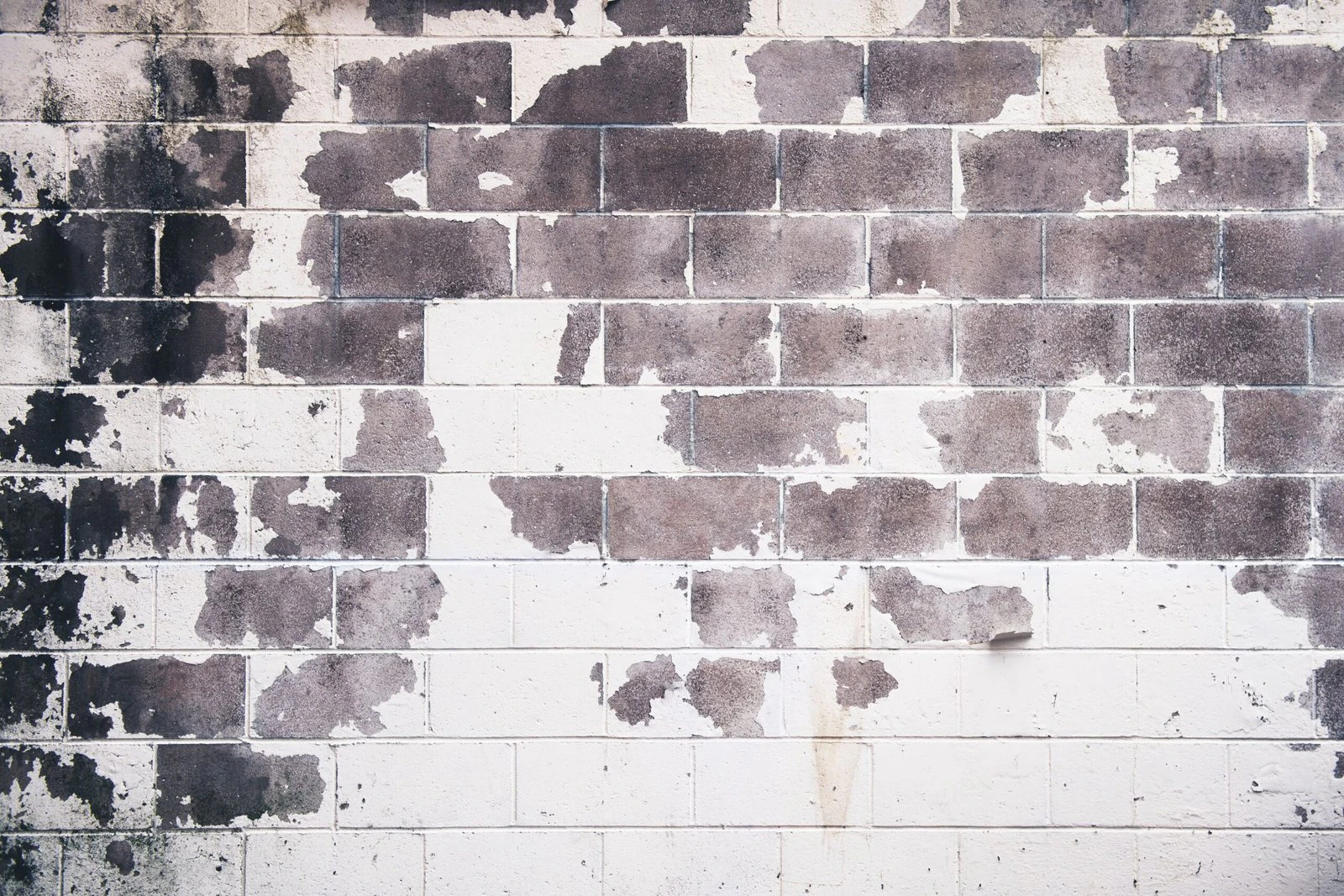
The case against it: it's close to permanent. Getting painted brick back to bare brick takes professional stripping, which is hard, expensive and can damage the brick. Bare brick needs almost no upkeep; painted brick needs inspections, touch-ups and repainting like any other coated surface. And brick is porous by nature, so the wrong paint can trap moisture in the wall, which is where most painted brick failures start.
On resale, paint can help when it modernizes a mismatched exterior and hurt with buyers who want original brick. That varies by neighborhood, so ask a local agent if resale is your main concern. Historic brick deserves extra caution: older brick was made and fired differently, and the wrong coating can speed up its decline.
Skip painting brand-new brick that hasn't cured, brick with undiagnosed moisture problems, historic brick, and brick with major cracks or failing mortar that hasn't been repaired. Go ahead when the brick is sound, cured and dry, and the goal is a new look rather than hiding a problem.
Inspecting Brick Before You Paint
On an exterior estimate, this is where we spend real time, because what we find sets the whole scope:
- Efflorescence. White, powdery salt left as moisture moves through the brick. Painting over it without fixing the moisture is one of the most common causes of early failure we see.
- Moisture. Damp areas, staining and water from grading, gutters or flashing need fixing first.
- Cracks. Hairline cracks are common and often cosmetic. Wide or growing cracks need a mason, not a caulk gun.
- Mortar. Crumbling or missing mortar gets repointed before paint. Painting over it just hides the problem.
- Old coatings. On painted brick we check adhesion, chalking, and whether the old paint is breathable, since that decides what can go over it.
- Mildew and moss. Common on shady brick here. Kill it and remove it, or it grows back through the new paint.
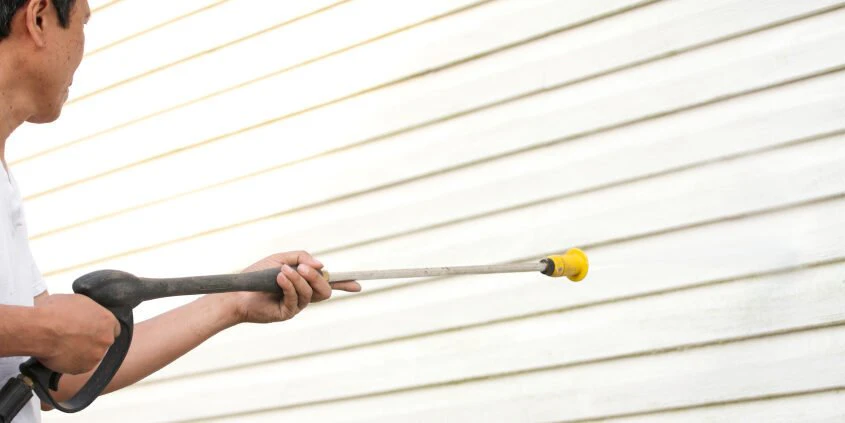
Proper Surface Preparation for Painting Brick
- Clean. Wash with controlled pressure. Too much pressure damages mortar and drives water deep into the brick. Heavy soiling may need a masonry cleaner.
- Treat mildew. Use a mildewcide that kills it, not just a rinse that knocks it down.
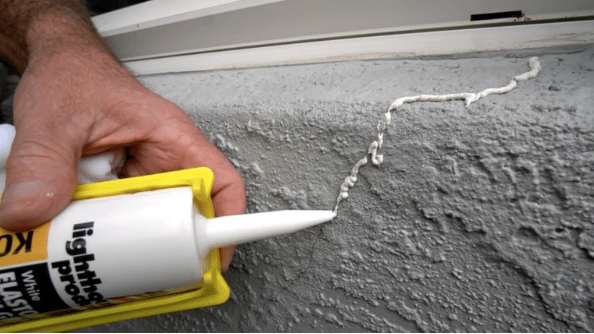
- Repair and repoint. Fix cracks and replace failed mortar with matching mortar.
- Caulk. Seal gaps at trim, windows, doors and penetrations.
- Let it dry. Brick has to be dry through, not just on the surface. On walls with a history of dampness, we test moisture before choosing a coating.
- Prime. Bare or repaired brick almost always needs a masonry primer (more below).
- Paint. Apply the topcoat at the full film the manufacturer specifies, not stretched thin to save material.
How Long Should New Brick Cure Before Painting?
On new construction, be patient. The brick and mortar need several weeks to cure, and painting too soon seals moisture and alkalinity into the wall. Follow the brick maker's and primer maker's guidance on the wait. If you need color sooner, some brick is made to be painted right away, so ask your builder.
Can Brick Breathe? Moisture Vapor and Permeability
This is the most important idea in this post. Brick is porous on purpose. It takes on and releases moisture vapor all the time, so water that gets into the wall can find its way back out.
Put a film over it that seals the surface completely, and that moisture gets trapped. Pressure builds behind the paint and it blisters and peels. Up north, trapped water also freezes and breaks off the brick face. We don't get much freeze-thaw in Northeast Florida, but we have humidity and heavy rain most of the year, so a coating that can't release vapor holds that moisture against the brick and fails from underneath.
That's why breathability, often listed as a coating's permeability rating, matters more than color or sheen when you choose a paint for brick.
The Best Paint Systems for Brick
Here's how we think about products, by manufacturer and use. The right one for your house depends on its condition and exposure, which is something to judge on site.
Sherwin-Williams
- Loxon Concrete & Masonry Primer/Sealer: our usual starting point on bare brick. It's made to seal porous masonry and handle the high pH of new or never-painted masonry.
- Loxon XP: a high-build waterproofing masonry coating. Its thicker, less breathable film makes it a targeted choice, not a default for all brick.
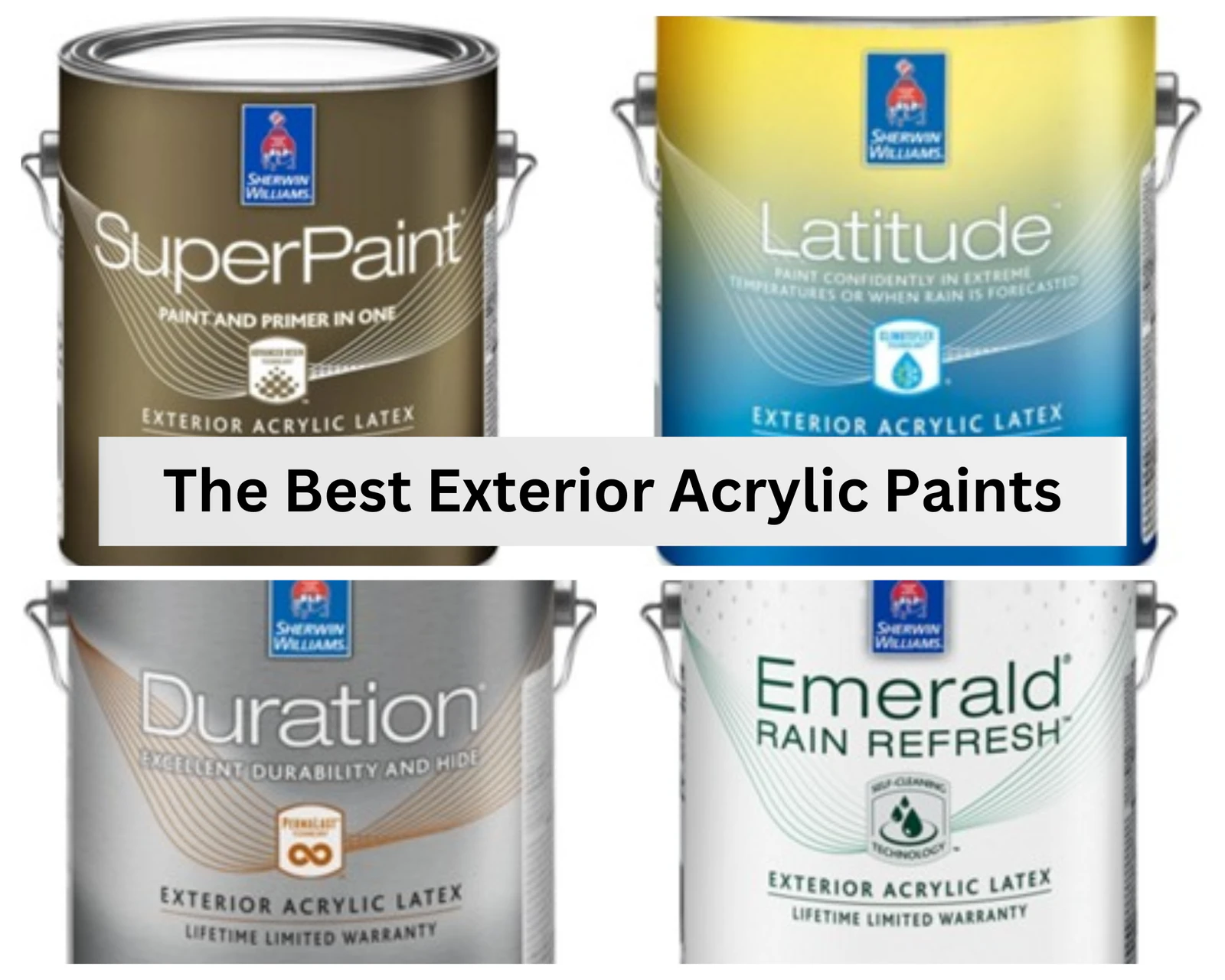
- Emerald Rain Refresh: a premium acrylic with a surface that helps rain rinse dirt away, handy with our afternoon storms.
- Duration: a strong all-around exterior line with good mildew resistance for shady, humid walls.
- Latitude: built to apply and cure across a wider range of temperature and humidity, which matters in a place where we paint in heat most of the year.
Benjamin Moore
- Aura Exterior: the premium line, known for color retention and a rich low-luster finish.
- Regal Select: a durable all-around line for brick in good condition.
- Element Guard: made for harsh weather, worth a look for walls that take full sun and storms.
- MoorGard: a dependable mid-range exterior latex.
When Is Masonry Primer Necessary?
- Bare, never-painted brick almost always needs a masonry primer/sealer to control alkalinity and porosity and help the topcoat stick.
- Painted brick in good shape may not need a full coat if the old paint is well bonded and compatible, but bare or repaired spots still get spot-primed.
- A stain-blocking primer goes over mineral stains or rust from embedded metal so they don't bleed through.
Paint, Limewash or Masonry Stain?
Paint isn't the only way to change brick's color. Limewash and masonry stain keep more of the brick's texture and let it breathe more freely, and they're worth considering on historic or traditional homes.
Painted Brick vs. Limewash vs. Masonry Stain
| Factor | Painted Brick | Limewash | Masonry Stain |
|---|---|---|---|
| Appearance | Full, opaque color coverage; hides brick texture and variation | Soft, textured, semi-transparent look; brick texture still visible | Color change while preserving brick texture and some natural variation |
| Breathability | Varies significantly by product: this is the critical variable | Highly breathable by nature | Generally breathable, penetrates rather than fully sealing |
| Maintenance | Ongoing: touch-ups and eventual full repaint required | Periodic reapplication expected as part of the intended look | Lower maintenance than full paint, occasional reapplication |
| Longevity | Depends heavily on product and prep | Shorter-lived by design, part of its traditional character | Generally durable, fades gradually rather than peeling |
| Reversibility | Very difficult and expensive to remove | Easier to remove or refresh than full paint | Difficult, though generally less severe than full paint removal |
| Best applications | Homeowners wanting full, uniform color and are comfortable with the commitment | Historic or traditional homes, farmhouse and European-inspired styles | Homeowners wanting color change while preserving brick’s natural texture |
Swipe to see the whole table
Best Paint Colors for Brick Homes
White is the classic. Greige, taupe, warm gray and cream are safe, flattering neutrals, and greige is one of the exterior colors we're asked for most. Sage is a softer choice if you want something different. Black is striking with the right trim, but think hard about it in Florida sun, because dark colors get hotter and show fading sooner.
Brick Homes in Florida: What Our Climate Changes
Year-round humidity makes breathability even more important here. Strong sun makes UV-resistant premium paint worth the money, and storms test caulk, mortar and adhesion with wind-driven rain. Near the beaches, in places like Jacksonville Beach and Ponte Vedra Beach, salt air wears coatings faster.
Common Mistakes We See on Painted Brick
- Cheap, non-breathable paint to save money up front: the biggest cause of early brick failure we get called to look at.
- Painting over damaged mortar or cracks instead of repairing them first.
- Painting wet brick after rain or washing.
- Ignoring efflorescence instead of treating it as the moisture warning it is.
- Skipping primer on bare or repaired brick, which leads to poor adhesion and blotchy absorption.
- The wrong sheen. Gloss on rough, porous brick tends to look uneven.
What Does It Cost to Paint Brick in Jacksonville?
Costs vary too much from house to house for one number to mean much. What drives them: the size of the home and number of stories, how much repointing and crack repair it needs, whether the brick is bare (more priming) or already painted, how much cleaning it takes, and whether you need a masonry-specific or high-build coating. For planning ranges, see our exterior painting cost guide; brick usually lands toward the higher end because of the extra masonry prep. An itemized written estimate is the only way to get a real number for your home.
How Long Does Painted Brick Last?
With good prep and a quality breathable system, painted brick can go many years between repaints, depending on sun, salt air and how well the job was done. When it fails early, it nearly always comes back to prep or a non-breathable coating, not the age of the paint. To stretch it out, clean it gently, walk around once a year looking for chalking, cracks and failed caulk, and touch up chips early.
Frequently Asked Questions
Technically yes, but it takes professional chemical or mechanical stripping, it's expensive, and it doesn't always bring back the original look.
Brick can be painted well. It comes down to an honest inspection, repairs before paint, a breathable system matched to your brick and prep that isn't rushed to hit a lower price. If you're weighing it, we're glad to walk your home with you and give you a straight answer. Call (904) 615-6599 or book a free estimate.