
The Best Paints For Painting Brick. Acrylic latex is the best paint for painting brick, and we provide a rundown of the top products on the market right now.
Yes — brick can absolutely be painted. That’s not the hard question. The hard question is whether it should be, and if you decide to move forward, what actually makes a painted brick job last 15 years instead of failing in 3.
Here’s what almost every “best paint for brick” article gets wrong: they hand you a product list and call it a day. But in our experience painting brick homes across Northeast Florida for more than 25 years, the paint itself is rarely why a job fails. It’s the preparation — or the lack of it. Brick is a completely different substrate than wood or drywall, with its own moisture behavior, its own failure points, and its own rules. Get those rules wrong, and it doesn’t matter how good the paint can was.
Originally Published: May 11, 2021 • Completely Rewritten and Updated: July 11th, 2026 • Reviewed by: Thomas Drake, Owner, A New Leaf Painting Contractors • Serving Northeast Florida since 2001 | 750+ verified 5-star reviews
Should You Paint Brick?
The case for painting brick: it modernizes a home quickly and dramatically, gives you real color flexibility, and can meaningfully boost curb appeal on a home with dated or mismatched brick tones. For homes where the brick color itself is the problem — a dated orange-red brick that clashes with an updated roof or trim, for example — paint is often the fastest fix available.
The case against painting brick: it’s a largely irreversible decision. Once brick is painted, returning it to bare brick requires professional stripping — a difficult, expensive, and sometimes damaging process. Unpainted brick also requires essentially no maintenance for decades; painted brick becomes an ongoing maintenance item, needing inspection, touch-ups, and eventual repainting like any other coated surface. And brick is naturally porous — it’s designed to let moisture vapor pass through it in both directions. The wrong paint system can trap that moisture instead, which is where most painted brick failures actually come from.
Maintenance and resale value: painted brick can help resale value when it modernizes a dated or mismatched exterior, but it can also work against you with buyers who specifically value original brick — this varies a lot by neighborhood and home style, and it’s worth a conversation with a local real estate agent if resale is your primary driver.
Historic homes deserve particular caution. Older brick, especially anything pre-war, was often made and fired differently than modern brick, with different porosity and structural characteristics. Painting historic brick — especially with the wrong coating — can accelerate deterioration that took decades to develop. If you own a historic home, this is a conversation to have with a preservation-minded contractor before anything else.
When painting is a bad idea: brand-new brick that hasn’t finished curing, brick showing active moisture problems that haven’t been diagnosed and fixed, historic or architecturally significant brick, and brick that’s structurally compromised (major cracking, failed mortar) that hasn’t been repaired first.
When painting is the right call: brick in good structural condition, fully cured, free of active moisture issues, where the primary goal is a color or style update rather than hiding a problem.
Best Paint for Brick: A Professional Guide to Painting Brick Homes That Last
Inspecting Brick Before You Paint
During exterior estimates, this is where we spend real time — because what we find here determines the entire scope of the project. Here’s what we check, and why each one matters:
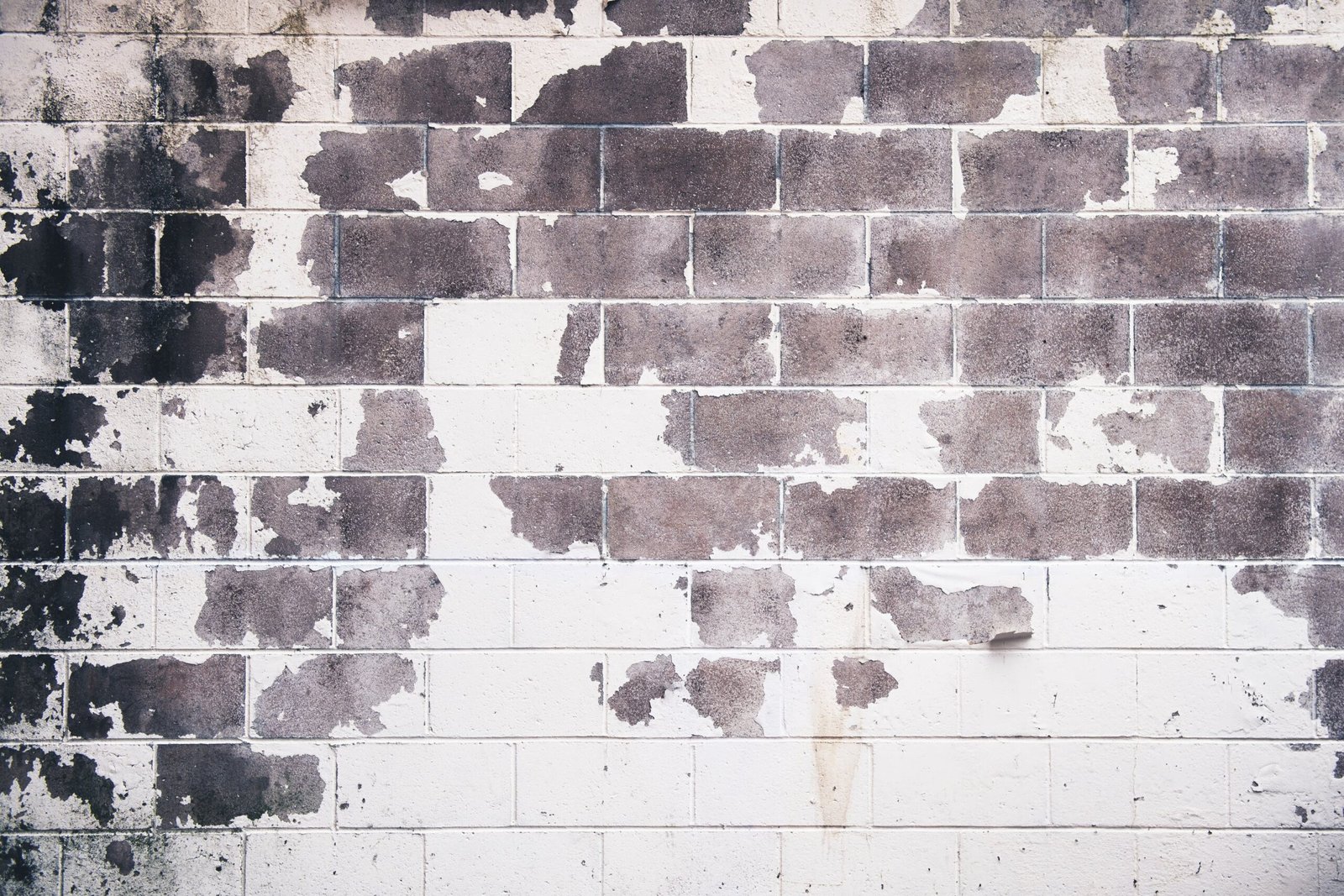
- Efflorescence. That white, chalky, powdery residue you sometimes see on brick is mineral salt deposited on the surface as moisture moves through the brick and evaporates. It’s a direct sign of moisture movement, and painting over it without addressing the underlying moisture is one of the most common causes of early paint failure we see.
- Moisture. Beyond visible efflorescence, we check for damp areas, staining, and any signs of ongoing water intrusion — from grading issues, gutters, or flashing problems — that need to be resolved before any coating goes on.
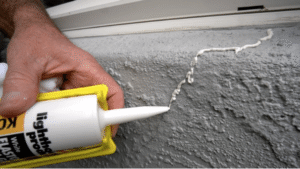
- Cracks. Hairline cracks are common and often cosmetic; wider or actively growing cracks can indicate structural movement that needs a mason’s evaluation, not just a painter’s caulk gun.
- Failed mortar. Mortar joints deteriorate over time — crumbling, receding, or missing mortar needs to be repointed before painting, since painting over failing mortar just seals a structural problem underneath a fresh coat.
- Previous coatings. If the brick has been painted before, we assess adhesion, chalking, and whether the prior coating is a breathable or non-breathable type — this affects what can safely go over it.
- Mildew and moss. Common on shaded, humid brick walls throughout Northeast Florida — these need to be properly treated and removed, not just painted over, or they’ll return through the new coating.
- Water intrusion signs on the interior. Occasionally we find that exterior brick issues are actually showing up as interior staining or dampness — a sign the problem is more advanced than the exterior alone suggests.
Repairs always come before paint on brick, more than on almost any other exterior material — because brick’s structural and moisture-management role in a home’s wall system is more significant than a simple decorative surface.

Proper Surface Preparation for Painting Brick
This is the section that actually determines whether your paint job lasts 15 years or 3. Every step here exists for a specific reason:
- Pressure washing. Removes dirt, chalking, and loose debris — but brick needs a controlled pressure and technique, since aggressive pressure washing can damage mortar joints and force water deep into the brick itself.
- Cleaning. Beyond pressure washing, heavier soiling or biological growth sometimes needs a dedicated masonry cleaner to fully remove before paint will properly adhere.
- Mildew treatment. A proper mildewcide treatment kills mildew at the surface rather than just knocking it down visually — painting over mildew that hasn’t been killed means it grows right back through the new coating.
- Repairs. Any structural or cosmetic repairs identified during inspection happen here, before prep continues further.
- Repointing mortar. Deteriorated mortar joints get repaired with matching mortar before painting — this is masonry work, not paint work, and it’s worth confirming your contractor either does this in-house or coordinates it properly rather than skipping it.
- Caulking. Gaps at trim, window and door transitions, and any penetrations get sealed to prevent water intrusion at the most vulnerable points.
- Masking. Windows, doors, landscaping, and any surfaces not being painted are properly protected before work begins.
- Priming. Bare or repaired brick almost always needs an appropriate masonry primer — more on exactly which type and when below.
- Drying time. Brick needs to be fully dry before painting, not just surface-dry. Painting over brick that’s still holding moisture from cleaning or recent rain is a common, avoidable cause of adhesion failure.
- Moisture testing. On any brick with a history of dampness or efflorescence, we’ll test moisture levels before committing to a coating system, since painting over an unresolved moisture problem essentially guarantees early failure.
- Professional inspection. Tying all of the above together — a real, hands-on inspection rather than a drive-by estimate is what catches these issues before they become expensive surprises mid-project.
How Long Should New Brick Cure Before Painting?
If you’re dealing with new construction, patience matters here. Brick industry guidance calls for waiting a minimum of 28 days after brick installation before painting, giving the mortar and brick assembly time to properly cure. Painting too soon traps moisture and uncured alkalinity in the wall system, setting up exactly the kind of early failure this whole guide is about avoiding. If you need color sooner than that, some brick is manufactured specifically to be painted immediately — worth discussing with your builder if timing is tight.
Can Brick Breathe? Understanding Moisture Vapor and Permeability
This is the single most important concept in this entire guide, and it’s the one most homeowners have never heard explained clearly.
Brick is porous by design. It absorbs and releases moisture vapor continuously — that’s not a flaw, it’s how brick wall systems are meant to work, allowing moisture that gets into the wall from any source to eventually find its way back out rather than staying trapped. Brick and masonry professionals sometimes describe this as brick “breathing,” and it’s why brick walls have historically performed so well with minimal maintenance for generations.
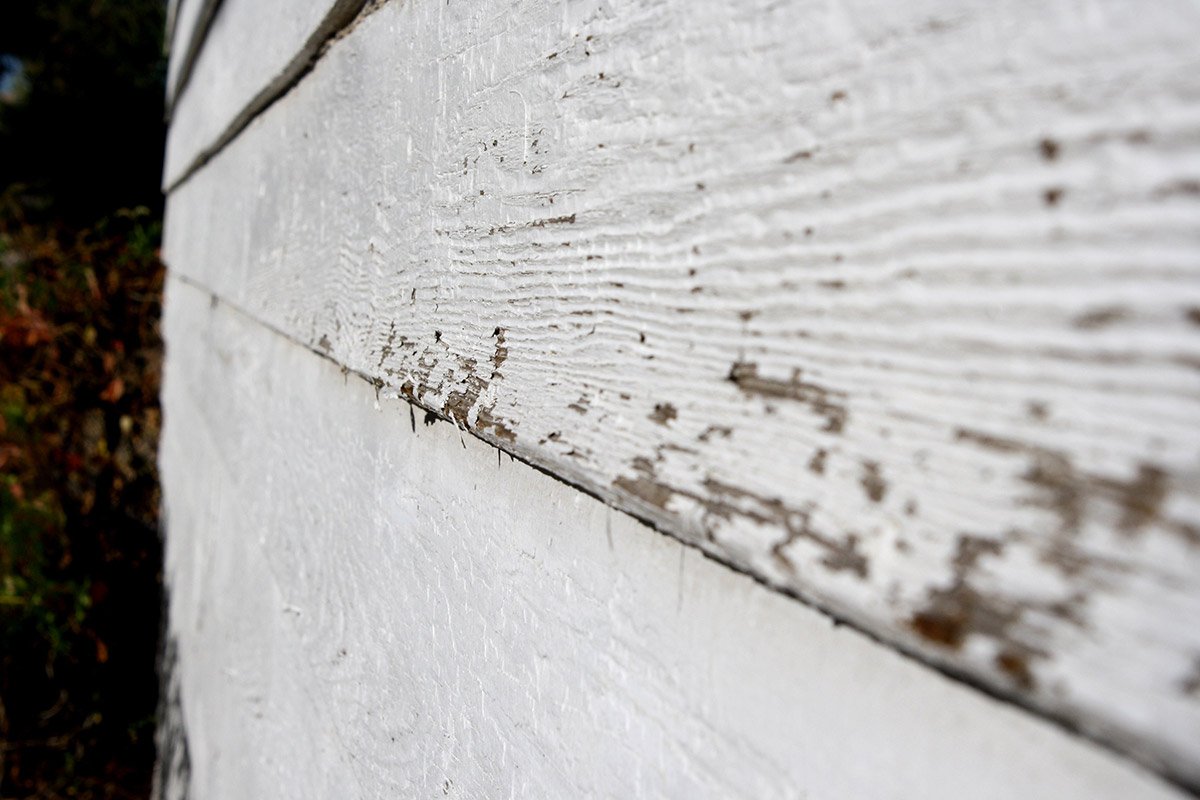
The problem starts when a non-breathable coating goes over that brick. A film that seals the surface completely — rather than allowing vapor to pass through — traps whatever moisture is already moving through the wall. That trapped moisture has to go somewhere, and what happens next depends on your climate and the coating: it can cause blistering and peeling as vapor pressure builds up behind the film, or, in a freeze-thaw climate, it can cause the brick face itself to spall and crack as trapped moisture expands when it freezes.
In Northeast Florida, we don’t deal with freeze-thaw cycling the way northern climates do, but we deal with something almost as demanding: near-constant humidity and heavy seasonal rain. That means the moisture-management principle still applies — a coating that can’t release vapor properly will trap Florida’s abundant humidity right against the brick, creating ideal conditions for mold, mildew, and eventual coating failure from underneath.
This is exactly why breathability — sometimes described in terms of a coating’s permeability rating — is one of the most important factors in choosing a paint system for brick, arguably more important than color or sheen.
The Best Paint Systems for Brick
Rather than a simple product list, here’s how we actually think about paint systems for brick, by manufacturer and use case:
Sherwin-Williams Systems
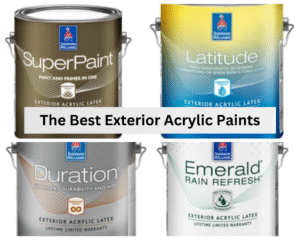
Loxon Concrete & Masonry Primer/Sealer — our standard starting point for bare or previously uncoated brick. It’s specifically engineered to seal and condition porous masonry, and it’s formulated to tolerate the high pH that new or previously unpainted masonry often carries, which helps prevent that alkalinity from damaging the topcoat down the line.
Loxon XP — a heavier-bodied, elastomeric-style masonry coating with real crack-bridging capability. This is the system we reach for on brick with existing hairline cracking that needs to be addressed as part of the coating itself, though its thicker, less breathable film means it’s better suited to targeted use than as a default choice for all brick.
Emerald Rain Refresh — a premium acrylic latex topcoat with a genuinely useful feature for Florida specifically: a surface technology that helps rain wash away accumulated dirt, keeping the finish looking cleaner longer between our frequent afternoon storms.
Duration — a strong all-around premium exterior line with excellent mildew resistance, a real asset on shaded or humidity-prone brick walls throughout our market.
Latitude — engineered to apply and cure properly across a wider range of temperature and humidity conditions, which matters more here than in drier climates given how much of the year we’re painting in genuine heat and humidity.
Benjamin Moore Systems
Aura Exterior — Benjamin Moore’s premium exterior line, known for strong color retention technology and a rich, low-luster finish. A strong choice for homeowners prioritizing long-term color performance on a highly visible brick facade.
Regal Select — a versatile, durable exterior line with good all-around performance for brick in generally good condition without significant repair needs.
Element Guard — formulated specifically for exterior durability against harsh weather exposure, worth discussing for brick walls that take direct sun and storm exposure on more exposed elevations.
MoorGard — Benjamin Moore’s dedicated masonry-focused exterior line, engineered with masonry’s specific porosity and alkalinity characteristics in mind.
Which specific product makes sense for your home depends on the brick’s condition, exposure, and whether crack-bridging or maximum breathability is the higher priority — exactly the kind of assessment that should happen on-site, not off a generic list.
Masonry Primer Guide: When Is Primer Actually Necessary?
- Bare, never-painted brick — almost always needs a masonry primer/sealer to condition the surface, manage alkalinity, and ensure proper topcoat adhesion.
- Previously painted brick in good condition — may not need a full primer coat if the existing paint has good adhesion and the new coating is compatible with it, though spot-priming any bare or repaired areas is still standard.
- Bonding primer — used when adhesion to a glossy or otherwise challenging existing surface is the main concern.
- Masonry-specific primer — the right call for bare masonry where alkalinity and porosity management are the primary concerns, which is most first-time brick paint jobs.
- Stain-blocking primer — used over areas with mineral staining, rust from embedded metal (like old ties or lintels), or other discoloration that would otherwise bleed through a standard topcoat.
Painted Brick vs. Limewash vs. Masonry Stain
| Factor | Painted Brick | Limewash | Masonry Stain |
|---|---|---|---|
| Appearance | Full, opaque color coverage; hides brick texture and variation | Soft, textured, semi-transparent look; brick texture still visible | Color change while preserving brick texture and some natural variation |
| Breathability | Varies significantly by product — this is the critical variable | Highly breathable by nature | Generally breathable, penetrates rather than fully sealing |
| Maintenance | Ongoing — touch-ups and eventual full repaint required | Periodic reapplication expected as part of the intended look | Lower maintenance than full paint, occasional reapplication |
| Longevity | Years to over a decade depending on product and prep quality | Shorter-lived by design, part of its traditional character | Generally durable, fades gradually rather than peeling |
| Reversibility | Very difficult and expensive to remove | Easier to remove or refresh than full paint | Difficult, though generally less severe than full paint removal |
| Best applications | Homeowners wanting full, uniform color and are comfortable with the commitment | Historic or traditional homes, farmhouse and European-inspired styles | Homeowners wanting color change while preserving brick’s natural texture |
Best Paint Colors for Brick Homes
- White — the most classic and popular painted brick color, timeless and universally flattering across architectural styles.
- Greige — a warm-cool neutral that’s become one of the most requested exterior colors we paint across Northeast Florida, brick included.
- Taupe — a warm, grounded neutral that works particularly well on traditional and transitional brick homes.
- Black — a high-drama, modern choice, striking on brick with the right trim contrast, best considered carefully given Florida’s heat and sun exposure on darker exterior colors.
- Warm gray — pairs beautifully with white trim and black or navy accents for a modern-traditional look.
- Cream — a softer alternative to stark white, especially flattering on more traditional brick architecture.
- Sage — an increasingly popular, organic-feeling choice for brick homes wanting something distinct from the standard neutral palette.
Modern farmhouse styles lean toward white or light gray brick with black windows and trim. Traditional styles favor cream, taupe, or warm gray with classic white trim. Historic homes deserve the most caution of all — as covered above, consider limewash or masonry stain before committing to full opaque paint on architecturally significant brick.
Brick Homes in Florida: Climate-Specific Considerations
- Humidity makes breathability an even higher priority here than in drier climates — trapped moisture has more opportunity to cause problems given how much of the year our humidity stays elevated.
- UV exposure is intense and near-constant, which is part of why premium, UV-resistant paint lines matter more here than in regions with milder sun.
- Heavy rainfall from our frequent afternoon thunderstorms tests caulk joints, mortar, and coating adhesion regularly throughout the year.
- Hurricanes and tropical storm activity mean exterior coatings and caulking need to hold up to wind-driven rain, not just standard weather.
- Salt air is a real factor for brick homes closer to the coast — Jacksonville Beach, Ponte Vedra Beach — where airborne salt accelerates coating wear beyond what inland homes experience.
- Efflorescence tends to show up more in our climate given how much moisture cycles through masonry here — another reason proper diagnosis before painting matters so much locally.
- Mildew is a near-constant maintenance consideration on any shaded or poorly ventilated brick wall in Northeast Florida’s climate.
Common Mistakes We See on Painted Brick
- Using cheap, non-breathable paint to save money upfront — this is the single biggest cause of early painted brick failure we get called out to diagnose.
- Skipping repairs and painting directly over cracked or deteriorated mortar and brick.
- Painting wet brick — sealing in moisture from recent rain or cleaning before the surface has fully dried.
- Ignoring cracks rather than having them properly evaluated and repaired first.
- Ignoring efflorescence instead of treating it as the moisture-movement warning sign it actually is.
- Skipping primer on bare or repaired brick, leading to poor adhesion and uneven absorption.
- Using the wrong sheen — a glossy finish on brick’s naturally textured, porous surface can look uneven and unflattering, and doesn’t always suit the material the way it does smoother surfaces.
- Painting over damaged mortar rather than repointing it first — sealing a structural problem under fresh paint rather than fixing it.
Our Professional Brick Painting Process
- Inspection. A full walk of the home checking for efflorescence, moisture, cracks, mortar condition, and any prior coatings.
- Cleaning. Controlled-pressure washing and any needed masonry cleaner to remove dirt, chalking, and biological growth.
- Repairs. Repointing deteriorated mortar and addressing any structural cracking before moving forward.
- Preparation. Mildew treatment, caulking at trim and penetrations, and full drying time before priming.
- Masking. Protecting windows, doors, landscaping, and adjacent surfaces.
- Priming. The appropriate masonry primer for your specific brick’s condition and history.
- Painting. A full, properly specified topcoat system applied at the correct film thickness — not stretched thin to save material.
- Final walkthrough. You inspect the completed work directly with our team before the project is considered finished.
What Does It Cost to Paint Brick in Jacksonville?
Costs vary too much home-to-home for a single number to be meaningful, but the real cost drivers are consistent:
- Home size and story count — a two-story brick home with more elevation and access complexity costs more than a comparable single-story home
- Repairs needed — repointing mortar and addressing cracks adds real labor beyond a standard paint application
- Priming scope — bare, never-painted brick generally requires more prep than brick with a sound existing coating
- Pressure washing and cleaning — heavier soiling or biological growth adds time to proper preparation
- Premium coating selection — masonry-specific and elastomeric systems cost more than standard exterior paint, reflecting their specialized formulation
For general planning ranges across exterior projects in our market, see our exterior painting cost guide — brick projects typically run toward the higher end of exterior ranges given the additional masonry-specific prep involved. A full, itemized estimate for your specific home is the only way to get an accurate number.
How Long Does Painted Brick Last?
With proper preparation and a quality, breathable paint system, painted brick typically lasts 10 to 15 years or more before needing a full repaint — though this depends heavily on exposure, climate, and how well the prep was done in the first place. Painted brick that fails early almost always traces back to inadequate preparation or an unsuitable, non-breathable coating rather than the age of the paint itself.
Maintenance schedule that extends that lifespan:
- Ongoing — gentle cleaning to remove dirt and biological growth before it accumulates
- Annually — a walk-around inspection checking for early chalking, cracking, or caulk failure at trim and penetrations
- As needed — prompt touch-ups on any chipped or damaged areas before they spread
- Every 10-15 years — full repaint planning, adjusted based on your specific home’s exposure and condition
Frequently Asked Questions
Can painted brick be returned to natural brick?
Technically yes, but it’s a difficult, expensive process typically requiring professional chemical or mechanical stripping, and it isn’t always fully successful at restoring the brick’s original appearance.
Does painted brick peel?
It can, almost always due to inadequate preparation, painting over moisture or contamination, or using a non-breathable coating that traps vapor and causes the paint to lift.
Can you pressure wash painted brick?
Yes, with appropriate pressure and technique — aggressive pressure washing can damage both the paint film and the mortar joints, so a gentler approach is generally recommended for maintenance cleaning.
What sheen looks best on brick?
Flat or low-luster/matte finishes are generally most flattering on brick’s naturally textured surface, though satin can work well depending on the desired look.
Can brick be sprayed?
Yes, spraying can achieve excellent, even coverage in brick’s texture and mortar joints, though it requires thorough masking given how much overspray potential brick’s rough surface creates.
How long does painted brick last?
Typically 10 to 15 years or more with proper preparation and a quality breathable coating system, though this varies by exposure and climate.
Can old painted brick be repainted?
Yes, assuming the existing paint has reasonable adhesion — proper cleaning, spot-priming any bare or damaged areas, and a compatible topcoat generally allow for a successful recoat.
Should brick always be primed before painting?
Bare or previously unpainted brick almost always needs a masonry primer. Previously painted brick in good condition may only need spot-priming on bare or repaired areas.
Can brick absorb moisture?
Yes — brick is naturally porous and designed to absorb and release moisture vapor, which is exactly why coating breathability matters so much when painting it.
What causes efflorescence on brick?
Mineral salts within the brick or mortar dissolve in moisture moving through the material and are deposited on the surface as that moisture evaporates, leaving a white, powdery residue.
Is limewash a good alternative to paint?
Yes, particularly for historic or traditional-style homes — it’s highly breathable and preserves more of brick’s natural texture than full opaque paint, though it typically requires more frequent reapplication.
How soon can new brick be painted?
Brick industry guidance generally calls for waiting a minimum of 28 days after installation to allow proper curing, unless the brick was specifically manufactured to be painted immediately.
Does painting brick void any warranty?
It can, depending on your home’s builder or brick manufacturer warranty terms — worth checking your specific documentation before painting, especially on newer construction.
What’s the difference between masonry paint and regular exterior paint?
Masonry-specific paints and primers are formulated to handle brick’s alkalinity, porosity, and moisture behavior — regular exterior paint isn’t engineered for these masonry-specific conditions and is more likely to fail prematurely.
Can I paint over efflorescence?
Not without addressing it first — efflorescence needs to be properly removed and the underlying moisture source identified, or it will continue to push through the new paint.
Does painted brick increase home value?
It can, especially when it modernizes a dated or mismatched brick exterior, though the effect varies by neighborhood and buyer preference — worth a conversation with a local real estate professional if resale value is your primary consideration.
What’s the biggest risk of painting brick?
Trapping moisture behind a non-breathable coating, which can cause peeling, blistering, and long-term deterioration of the brick and mortar underneath.
Can mortar be painted the same color as the brick?
Yes, and it’s a common approach for a fully uniform, monochromatic look — some homeowners prefer letting mortar joints show through in a contrasting tone instead, which is a stylistic choice made during the color consultation.
How do I know if my brick has moisture problems?
Visible efflorescence, damp or discolored areas, interior staining on walls backing the brick, or a musty odor near exterior walls are all signs worth having professionally evaluated before painting.
Is elastomeric paint good for brick?
It can be, particularly for brick with existing hairline cracking that needs bridging, though its thicker, less breathable nature makes it better suited to targeted use than a default whole-home choice.
Should mortar be repaired before or after painting?
Always before — painting over deteriorated mortar seals a structural problem under a fresh coat rather than fixing it, and the mortar will continue to fail underneath.
Can painted brick be power washed for cleaning?
Yes, with gentle pressure appropriate for a painted surface — aggressive pressure can damage the paint film itself.
What’s the best time of year to paint brick in Florida?
Spring and fall generally offer the most stable humidity and temperature conditions, though experienced crews plan around daily weather regardless of season.
Do all brick colors fade the same way?
No — darker colors generally show fading and UV wear more visibly over time than lighter colors, which is worth factoring into your color decision given Florida’s intense sun exposure.
Can you paint brick chimneys the same as brick walls?
Generally yes, using the same prep and product principles, though chimneys see more direct weather exposure and benefit from particular attention to mortar condition given their height and exposure.
Conclusion: Making a Confident Decision About Painting Your Brick
Brick can absolutely be painted well — we’ve done it successfully on hundreds of Northeast Florida homes. But “well” depends entirely on getting the fundamentals right: honest inspection, real repairs before paint, a breathable system matched to your brick’s actual condition, and preparation that isn’t rushed to hit a lower price. Skip any of that, and the paint brand on the can stops mattering.
If you’re weighing whether to paint your brick home, or you’re ready to move forward and want it done right the first time, we’re glad to walk your home with you and give you a straight, honest assessment.
Ready to talk through your brick painting project? Schedule a free, no-pressure exterior estimate. Call 904-615-6599.
Helpful Resources
- Exterior Painting Services
- Stucco Repair
- Wood Rot Repair
- Pressure Washing
- Best Exterior Paint for Florida Sun and Humidity
- Exterior Painting Cost Guide
- Color Consultation
For further reading on the moisture and breathability principles covered in this guide, the Brick Industry Association’s guide to painting brick is a genuinely useful independent resource, and the Painting Contractors Association maintains broader industry standards for professional painting work.